
Aluminum foil is often described as "just a barrier," but in modern food packaging it behaves more like a silent negotiator between three forces that usually fight each other: freshness, manufacturing speed, and brand identity. Custom-printed aluminum foil turns that negotiation into a win-win-because the same microns of metal that block oxygen and light can also become a premium billboard that survives heat, grease, folds, and time.
From a distinctive viewpoint, think of printed foil not as a substrate you decorate, but as a functional interface you engineer. The print is not merely ink on metal; it is part of a layered system that must maintain seal integrity, food safety, readability, and color stability while the foil is creased, laminated, punched, or heat sealed at industrial line speeds. When you approach it this way, technical details stop being "spec sheet items" and start becoming the levers that protect both product and brand.
Why Custom-Printed Aluminum Foil Works So Well for Food Brands
Printed foil excels because it unifies protection and storytelling in the same material footprint.
Barrier performance that stays consistent
Aluminum is essentially impermeable to gases and light at typical packaging thicknesses, helping defend flavor and aroma from oxygen ingress and preventing light-driven oxidation. This is especially relevant for coffee, chocolate, dairy, condiments, spices, and retort or hot-fill applications depending on the structure.
Thermal behavior that supports real kitchens and real factories
Foil tolerates high and low temperatures, making it suitable for baking applications, lids, inner liners, butter wrap, chocolate wrap, and multilayer lidding where heat sealing is required. In branding terms, this means your artwork doesn't have to be limited to "room temperature aesthetics"-it can be designed for products that are chilled, heated, or shipped through seasonal extremes.
A premium look that doesn't need extra material
Foil's natural reflectivity and "crisp" tactile response communicate quality without thicker plastics or heavy cartons. Custom printing on foil can deliver matte, gloss, metallic effects, or selective lacquers that make even small packs feel premium.
The Unique Engineering View: Printing as a "Controlled Surface Chemistry" Problem
Aluminum foil printing is fundamentally a surface science exercise. Bare aluminum instantly forms a thin oxide layer in air. That oxide is stable and protective, but it also dictates how inks, primers, and adhesives wet out and bond. Successful branding on foil comes from controlling surface energy and interlayer compatibility, not just choosing pretty colors.
This is why primer systems, corona/plasma treatment (for laminate webs), and correct ink chemistry matter. In practice, the best printed foil structures treat the foil like a high-performance component: specify the alloy and temper, select surface finish, match it to the printing process, then confirm adhesion, rub resistance, and migration compliance based on the food type and process temperature.
Typical Parameters for Printed Aluminum Foil in Food Packaging
Below are common, practical ranges used across global converting lines. Final selection should be validated by the end-use application, sealing layer, and packing speed.
Foil thickness (gauge)
Commonly used thicknesses include 6–9 μm for chocolate and twist wraps, 9–20 μm for butter wrap and general laminations, 20–30 μm for lids and some forming uses, and 30–60 μm for heavier duty, semi-rigid applications or specialty forming. Many lidding and laminate structures use 30–40 μm foil depending on stiffness targets.
Width, core, and roll configuration
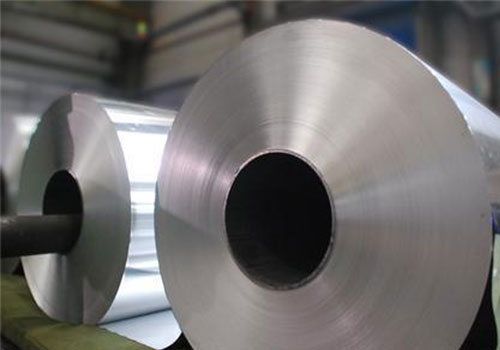
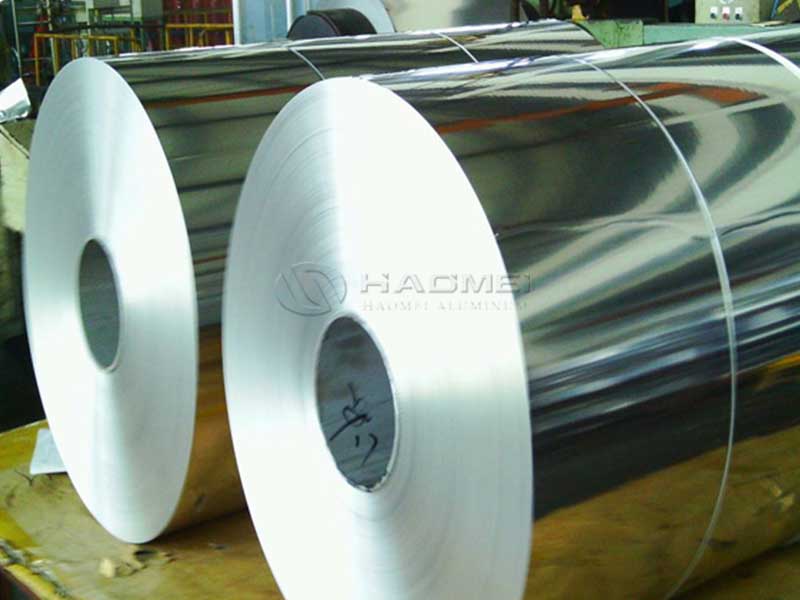
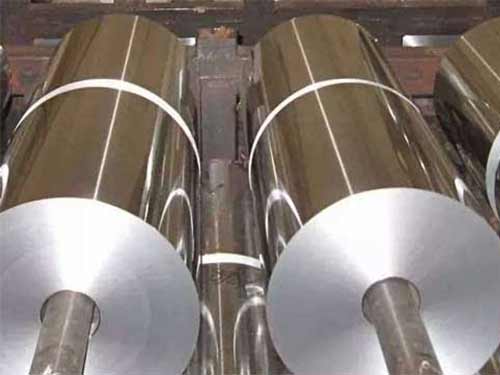
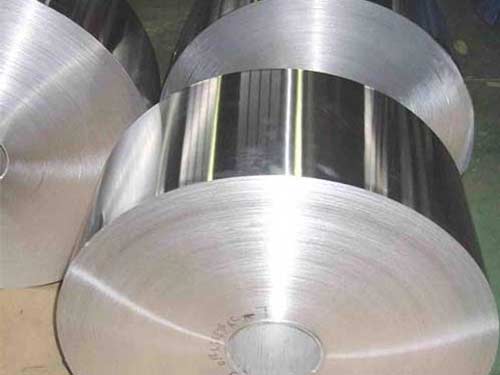
Jumbo rolls are typically supplied with widths aligned to printing presses and laminators, commonly in the 200–1600 mm range depending on equipment. Cores are often 3-inch or 6-inch, with roll OD and weight designed to match unwind tension limits.
Surface finish and cleanliness
One side is usually brighter (the "bright side") and the other more matte (the "matte side") due to rolling contact. For printing, converters often specify which side is to be printed, and cleanliness requirements are critical to avoid pinholing, poor adhesion, or print voids.
Pinholes and continuity
Thin foil can contain pinholes; in laminations, the polymer layers typically compensate. Where absolute barrier is required, thicker foil, better gauge control, and appropriate laminate design are used.
Alloy and Temper: The Hidden Controls Behind Print Quality and Converting Performance
In food packaging, the most common foil alloys are in the 1xxx and 8xxx series. The choice is less about "strength" in the everyday sense and more about how the metal behaves during rolling, slitting, printing, and lamination.
Common alloy options for packaging foil
Alloy 8011 is widely used for food container foil, lidding, pharmaceutical-style foil, and packaging laminations because it balances formability, strength, and process stability. Alloy 8079 is often chosen for very thin foil with demanding barrier expectations and good ductility. Alloy 1235 is common for household foil and laminations where excellent purity supports corrosion resistance and consistent surface.
Temper selection and what it really means in branding
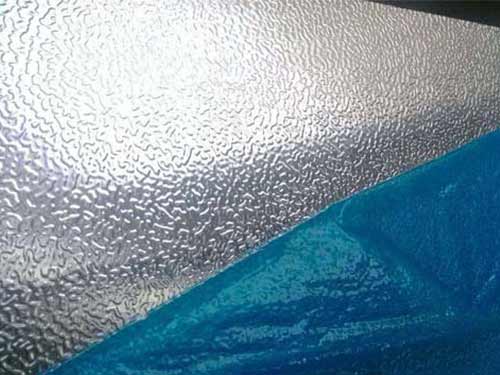
Soft temper (often O) is highly formable and tends to be used where deep drawing, embossing, or tight folding is expected. Harder tempers (commonly H18, H19, H22, H24 depending on product type) offer higher stiffness and better web handling at speed, which can improve print register stability and reduce web flutter. For lidding and laminates, intermediate tempers can offer a balance between dead-fold behavior and runnability.
In practical terms, if your package needs to look perfect on shelf, temper impacts how the foil lays flat, resists "oil canning," holds embossing, and behaves under tension on the press.
Printing Processes and Ink Systems Used on Aluminum Foil
Rotogravure printing is widely used for high-volume, high-color packaging because it delivers consistent ink laydown and sharp detail at speed. Flexographic printing is also common, particularly for certain laminate constructions and where thinner ink films and fast changeovers are desired.
Ink systems for foil packaging frequently include solvent-based inks designed for adhesion to primers and lacquered surfaces, with careful selection to meet food contact and low-migration requirements. Water-based systems can be used in certain structures with correct surface prep and drying capacity. UV inks may be used in some non-food-contact outer layers, but food packaging typically prioritizes migration safety and thermal stability, so system selection is conservative and compliance-driven.
A point: most food packaging printed foil is printed on the outer side of a laminate (reverse printed) and then laminated so the ink is trapped between layers. This protects graphics from abrasion and creates a functional barrier to ink transfer.
Implementation Standards and Compliance Expectations
Because printed foil touches both food safety and branding claims, implementation is anchored in recognized standards and good manufacturing practices rather than improvisation.
Food contact and GMP frameworks
Many manufacturers align production with Good Manufacturing Practice requirements such as those reflected in EU Regulation (EC) No 1935/2004 for materials intended to contact food, EU Regulation (EC) No 2023/2006 for GMP, and applicable measures for plastics or coatings when foil is laminated or lacquered. In the United States, compliance commonly references FDA food-contact provisions relevant to coatings, adhesives, and printing inks used in packaging structures. For migration, the structure must be evaluated as a whole, not as isolated materials.
Quality management and packaging controls
Plants frequently operate under ISO 9001 for quality systems, and food packaging supply chains often require HACCP-based controls, BRCGS Packaging Materials, or FSSC 22000 depending on customer requirements. For printing, color management workflows often follow ISO 12647 principles, and barcode/label elements are verified against customer retail standards.
Testing and acceptance norms in converting
Typical incoming and in-process checks include thickness and gauge uniformity, surface inspection for holes and contamination, roll hardness and telescoping, ink adhesion, rub resistance, solvent retention, lamination bond strength, seal strength, WVTR/OTR performance for the final laminate, and sensory/odor tests where required.
Adhesion, Sealing, and Lamination: Where Custom Printing Must Behave Like Packaging
Printed foil succeeds only when the structure seals reliably.
Heat sealing
Foil itself is not typically the sealing surface; a heat-seal lacquer or a polymer layer provides sealing. Seal performance depends on sealing temperature window, dwell time, pressure, and contamination tolerance (oil, powder, moisture). If the package is for greasy foods, the sealant choice and surface treatment become crucial to prevent seal creep.
Lamination
Common structures include PET/Al/PE, OPP/Al/PE, paper/Al/PE, or specialized high-barrier webs. Adhesives are selected for the process environment, such as retort resistance, hot-fill, freezer storage, or aggressive aromas. For branding, laminating over reverse-printed foil protects the design while maintaining premium metallic effects.
Chemical Properties and Composition: Packaging-Relevant View
For aluminum foil alloys, composition is tightly controlled because trace elements affect rolling behavior, pinhole tendency, strength, and corrosion performance. Below is a practical reference table for common packaging foil alloys. Values are typical maximums or ranges used in industry specifications; exact limits depend on the governing standard and supplier agreement.
Typical Chemical Composition for Common Aluminum Foil Alloys (wt.%)
| Alloy | Al (min) | Si | Fe | Cu | Mn | Mg | Zn | Ti | Notes for Food Packaging Use |
|---|---|---|---|---|---|---|---|---|---|
| 1235 | 99.35 | ≤0.10 | ≤0.65 | ≤0.05 | ≤0.05 | ≤0.05 | ≤0.10 | ≤0.06 | High purity; good corrosion resistance and consistent barrier performance in laminations |
| 8011 | Balance | 0.50–0.90 | 0.60–1.00 | ≤0.10 | ≤0.20 | ≤0.05 | ≤0.10 | ≤0.08 | Workhorse packaging alloy; good strength/formability balance, stable for converting |
| 8079 | Balance | ≤0.05–0.10 | ≤0.70 | ≤0.10 | ≤0.20 | ≤0.05 | ≤0.10 | ≤0.08 | Often used for thinner gauges requiring good ductility and barrier stability |
If your application includes acidic, salty, or highly aromatic foods, the lacquer/sealant system and migration-compliant adhesives matter more than small differences in base alloy corrosion behavior, because most printed foils are used in composite structures with functional layers.
How to Specify Custom-Printed Aluminum Foil Without Overbuying or Underperforming
A strong specification reads like a performance story, not a generic material request.
Start with the end-use environment
Is it freezer storage, hot-fill, retort, bakery heat, or room-temperature snacks? Temperature range and grease exposure shape the choice of lacquer, adhesive, and ink.
Define the converting path
Will the foil be gravure printed and solvent laminated, extrusion laminated, or coated with heat-seal lacquer? Each route changes primer needs, solvent retention limits, and curing requirements.
Lock in the mechanical needs that protect the artwork
Gauge and temper affect flatness, stiffness, and web handling. If the print must maintain tight register for fine typography or premium patterns, stable tension behavior and consistent gauge are part of your branding toolkit.
Confirm compliance as a structure
Request documentation for food-contact compliance for coatings, inks (as used in reverse print), adhesives, and the final laminate. Migration testing is often performed on the final structure under conditions that simulate the food type and time/temperature profile.
Branding Advantages Only Printed Foil Can Deliver (When Engineered Correctly)
Metallic authenticity
Unlike "metallic-looking" films, aluminum foil delivers real specular highlights, high contrast, and premium depth. Printing can selectively mute or amplify that reflectivity using white inks, matte varnishes, or partial coatings.
Crisp tactility and dead-fold memory
Foil can hold folds and embossing in a way that supports distinctive pack shapes and tamper cues. That "fold memory" becomes a brand signature in wraps and inner liners.
Print protection via reverse printing
When inks are trapped inside a laminate, your graphics resist scuffing, oils, and moisture. For many food brands, this is the difference between shelf-ready packaging and packaging that degrades during distribution.