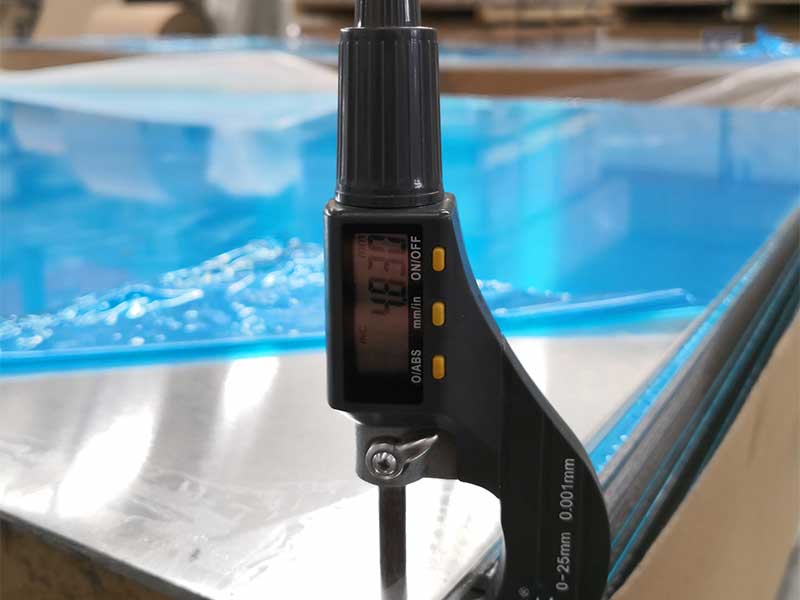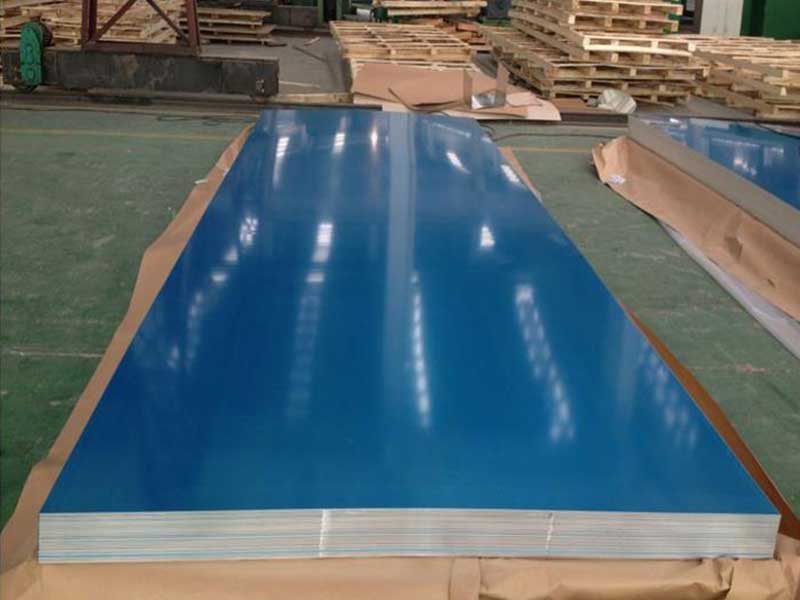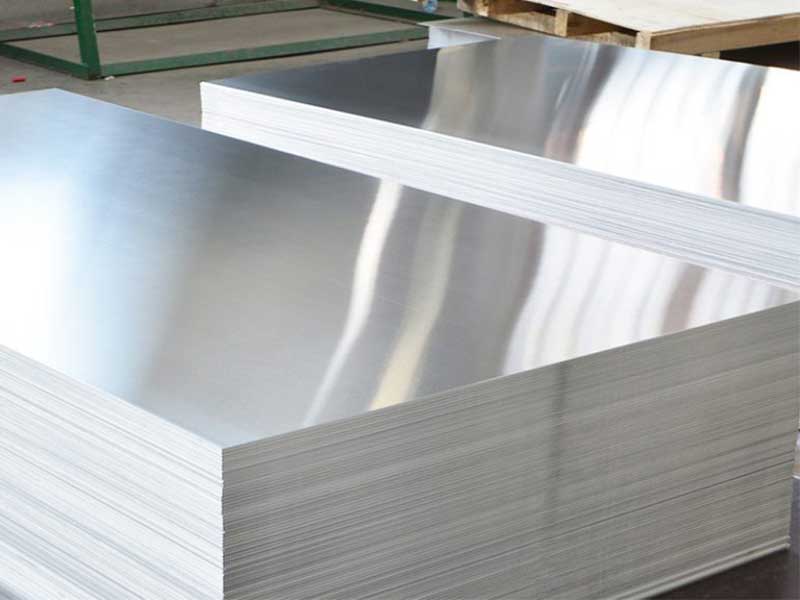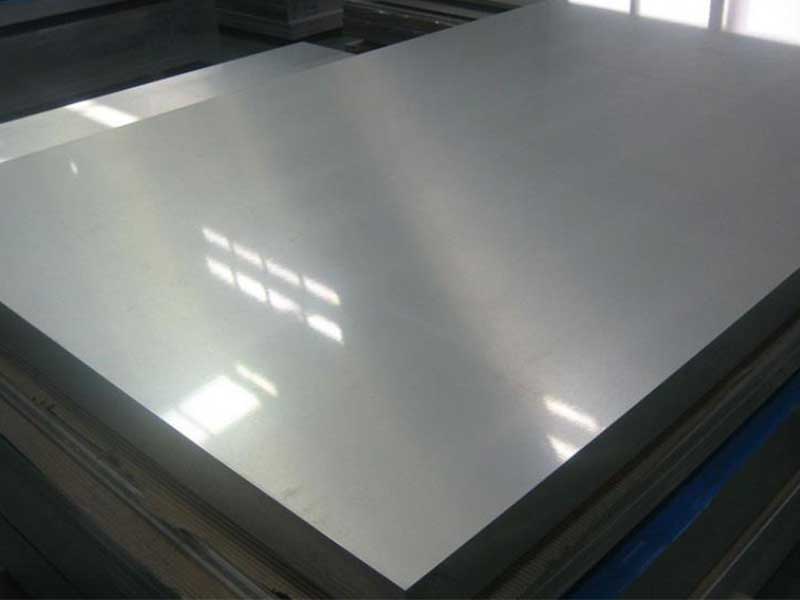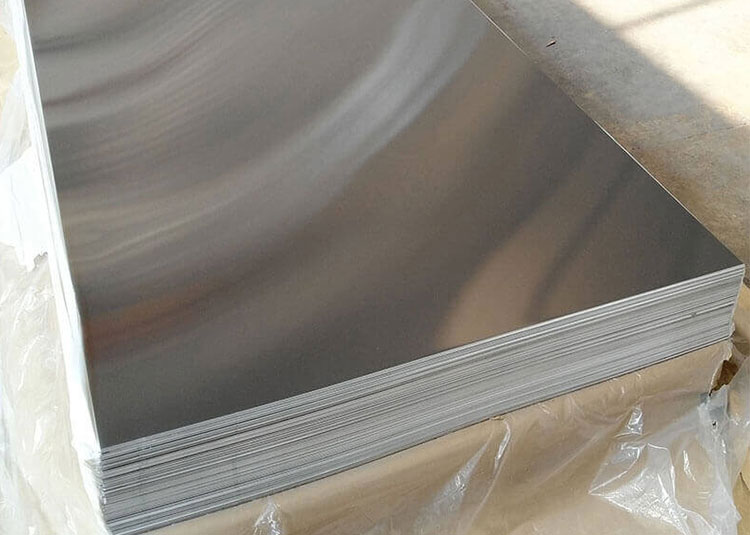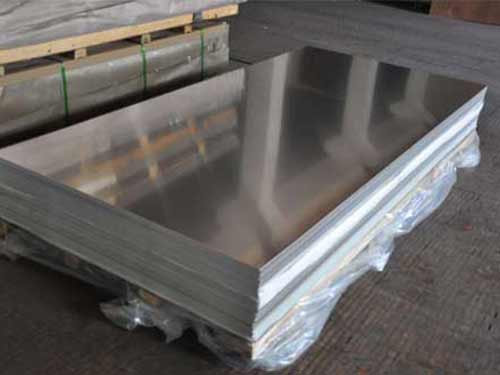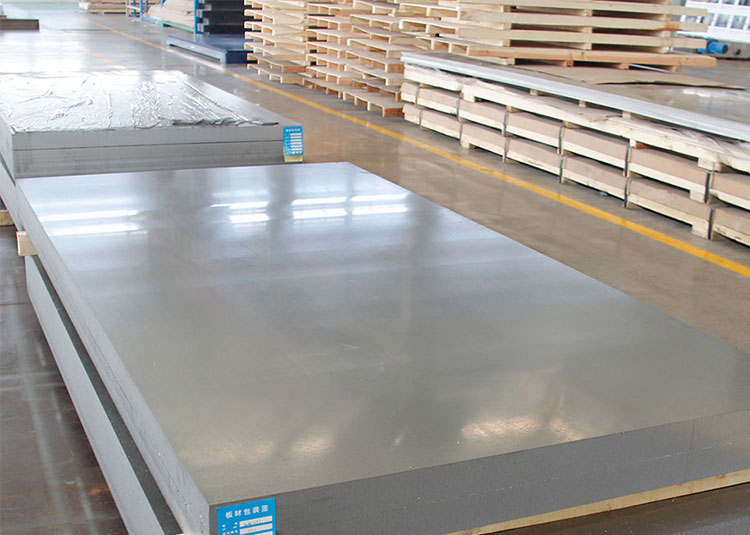

Baotu brand offset printing material CTP plate is engineered for modern computer-to-plate workflows where speed, stability, and repeatable quality matter. Built on a carefully controlled aluminum substrate and optimized surface treatment, it delivers reliable imaging performance, consistent ink–water balance, and durable press behavior across commercial, packaging, and publication printing. For printers aiming to shorten makeready time while holding sharp dots and clean highlights, Baotu CTP plates are designed to be a dependable, production-friendly choice.
Baotu CTP plates are offset printing plates designed for direct laser imaging, minimizing human variability and improving workflow efficiency. The plate structure emphasizes:
- A high-quality aluminum base for dimensional stability
- A uniform grained and anodized surface for strong coating adhesion
- A coating system tuned for crisp imaging, clean development, and stable press runs
This combination supports consistent reproduction of fine text, smooth gradients, and demanding halftone screens-especially important for high-speed presses and tight color control.
Features That Matter on Press
Fast imaging with stable dot formation
Baotu CTP plates are designed to respond predictably to laser exposure, helping maintain dot integrity from file to plate to press. This supports sharper edges on text and barcodes, as well as smoother mid-tones in photographic work.
Clean development and low background sensitivity
A plate that develops cleanly reduces scumming risk and improves ink receptivity in image areas. Baotu plates aim for balanced processing latitude, helping shops maintain stable output even with normal day-to-day chemistry drift (within recommended control ranges).
Strong ink–water balance
Offset printing performance depends heavily on the plate's hydrophilic non-image areas. Baotu's anodized aluminum and surface treatment promote stable water carrying capacity, supporting quick roll-up and reduced toning.
Durable surface, reliable run length
Through controlled anodizing and coating adhesion, Baotu CTP plates are intended to withstand mechanical wear and chemical exposure on press. This helps maintain consistent print density and reduces the likelihood of premature plate failure.
Dimensional stability for registration
The aluminum substrate provides predictable behavior during processing and printing. This stability supports multi-color registration, especially in long jobs or temperature-variable environments.
Typical Aluminum Substrate Chemistry (Base Material)
While the plate's printing performance also depends on graining, anodizing, and coating, the aluminum base composition is a foundation. Below is a typical composition range used for offset plate substrates (actual values may vary by grade and customer requirement).
| Element | Typical Range (wt.%) | Role in Plate Substrate |
|---|---|---|
| Al | Balance | Primary metal, provides formability and stability |
| Fe | 0.10–0.50 | Controlled to limit inclusions while maintaining strength |
| Si | 0.05–0.30 | Affects surface quality and processability |
| Mn | 0.00–0.30 | Supports strength and grain structure stability |
| Mg | 0.00–0.50 | Can improve mechanical properties depending on alloy route |
| Cu | 0.00–0.20 | Kept low to support corrosion behavior |
| Zn | 0.00–0.20 | Controlled to avoid corrosion sensitivity |
| Ti | 0.00–0.05 | Grain refinement support in some metallurgy routes |
Technical Specifications (Typical)
Baotu CTP plates are offered in configurations suited to mainstream offset environments. The parameters below represent typical commercial ranges; final specification is aligned with order requirement and imaging system compatibility.
| Item | Typical Specification | Notes |
|---|---|---|
| Plate type | Thermal CTP or Violet CTP (options) | Confirm with your platesetter wavelength |
| Substrate | Electrochemically grained & anodized aluminum | Supports hydrophilicity and coating adhesion |
| Plate thickness | 0.15 / 0.20 / 0.25 / 0.30 / 0.40 mm | Common choices for sheetfed and web |
| Width × length | Custom, cut-to-size | Also available in coil for some setups |
| Surface finish | Uniform micro-grain | Promotes stable ink–water balance |
| Resolution capability | Suitable for high-line screening | Depends on imaging and processing conditions |
| Development | Compatible with mainstream processors | Use recommended developer for best stability |
| Safe light handling | Standard CTP handling practice | Avoid unnecessary exposure to strong light |
| Storage | Cool, dry, sealed packaging | Prevent humidity and contamination |
Performance Highlights (Typical Press Behavior)
| Performance Item | Typical Benefit | What Customers Notice |
|---|---|---|
| Start-up behavior | Faster roll-up, reduced waste sheets | Color stabilizes earlier |
| Dot and line reproduction | Clean micro-text, stable highlights | Sharper detail and smoother images |
| Background cleanliness | Lower scumming tendency with correct processing | Cleaner non-image areas |
| Run stability | Consistent density through the job | Fewer interruptions, less adjustment |
| Register stability | Better control in multi-color printing | Less misregistration rework |
Applications
Commercial printing
Baotu CTP plates are well suited for brochures, catalogs, posters, direct mail, and general brand collateral. These jobs often combine fine text with dense solids and halftones, requiring a plate that holds detail while staying stable through makeready and longer runs.
Packaging and label printing
Packaging designs commonly include solid areas, gradients, and small compliance text. Consistent dot structure and durable press performance help maintain color consistency across repeat orders, especially when tight tolerances are required for brand identity.
Publication printing
Magazines, manuals, and educational materials benefit from predictable imaging and smooth tonal transitions. Stable plate behavior supports long runs while maintaining readability and consistent grayscale reproduction.
Short-run and fast-turn jobs
CTP workflows are built for speed. Baotu plates aim to reduce variability in exposure and development, supporting quick plate turnaround, efficient changeovers, and reliable output for time-sensitive production.
Mixed-content printing (text + images + barcodes)
Retail and logistics-related materials often require barcode clarity alongside images and small type. Stable edge definition and good dot control help maintain scan reliability and crisp typography.
Recommended Processing & Handling (Practical Guidance)
| Area | Recommended Practice | Result |
|---|---|---|
| Plate storage | Keep sealed, away from heat and humidity | Preserves coating stability |
| Handling | Wear clean gloves; avoid fingerprints | Reduces development defects |
| Processor control | Maintain developer activity and cleanliness | Prevents scumming and sensitivity drift |
| Rinse and gum | Follow compatible post-processing | Protects non-image areas before press |
| Press setup | Use stable dampening settings | Supports quick ink–water balance |
Why Baotu for CTP Plate Supply
Baotu focuses on delivering a balanced plate: dependable imaging response, stable processing latitude, and press durability grounded in a controlled aluminum substrate and surface system. For print shops, converters, and distributors, that balance translates into predictable production, fewer troubleshooting cycles, and consistent quality across repeat jobs.
Ordering Notes (What to Confirm)
| Order Item | Options to Provide | Why It Matters |
|---|---|---|
| Platesetter type | Thermal or violet; wavelength | Ensures correct plate sensitivity |
| Plate thickness | Based on press and handling preference | Impacts stiffness and mounting behavior |
| Plate size | Sheet size or coil requirements | Improves efficiency and reduces trimming |
| Target applications | Commercial / packaging / publication | Helps match coating and performance expectations |
Baotu brand offset printing material CTP plate is built for printers who want efficiency without sacrificing detail. With a stable aluminum foundation, optimized surface treatment, and production-oriented performance, it supports crisp imaging, smooth press start-up, and reliable output across a wide range of offset applications.