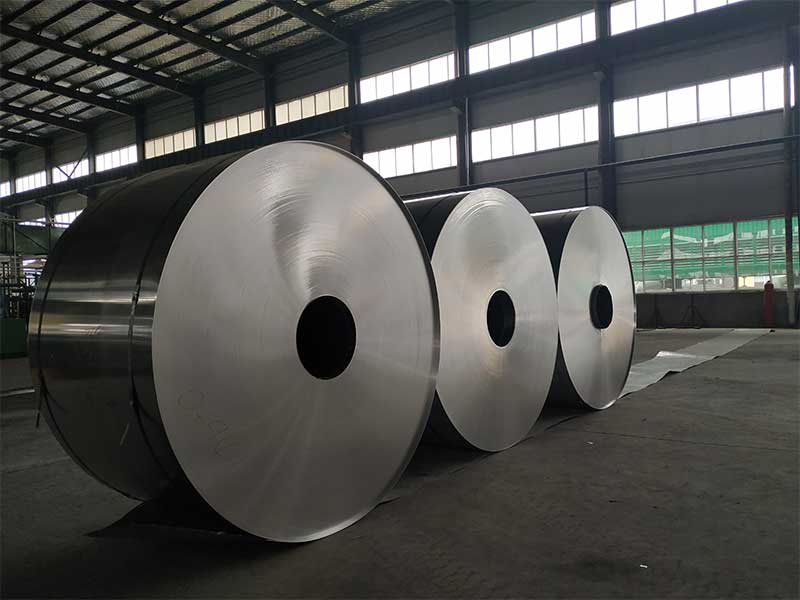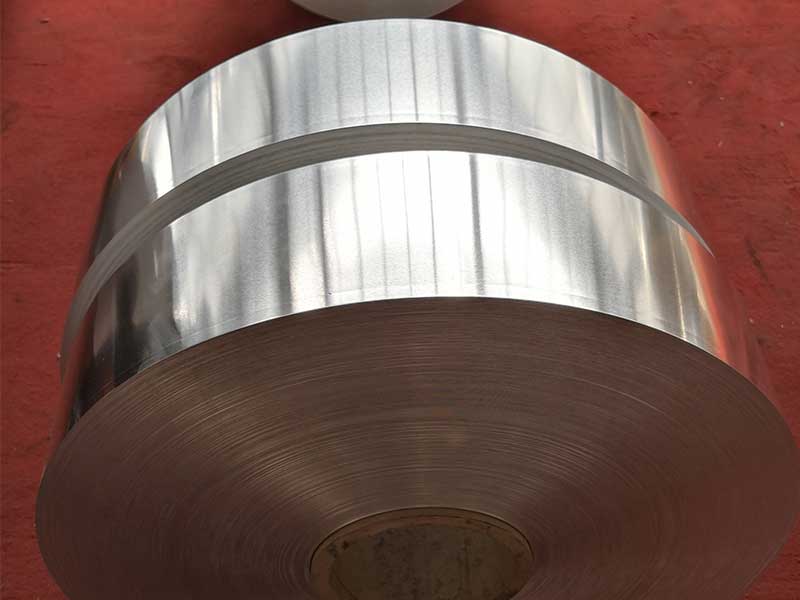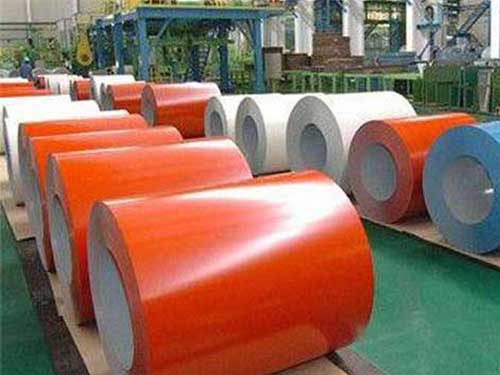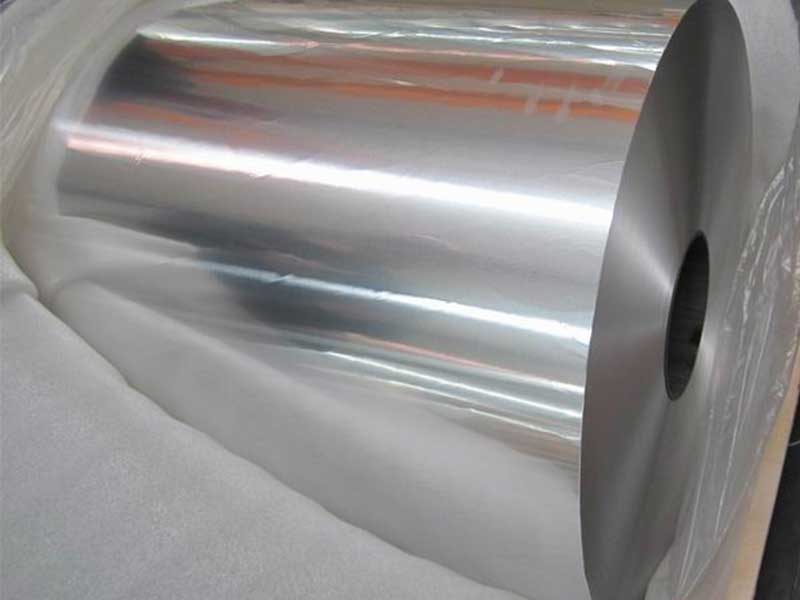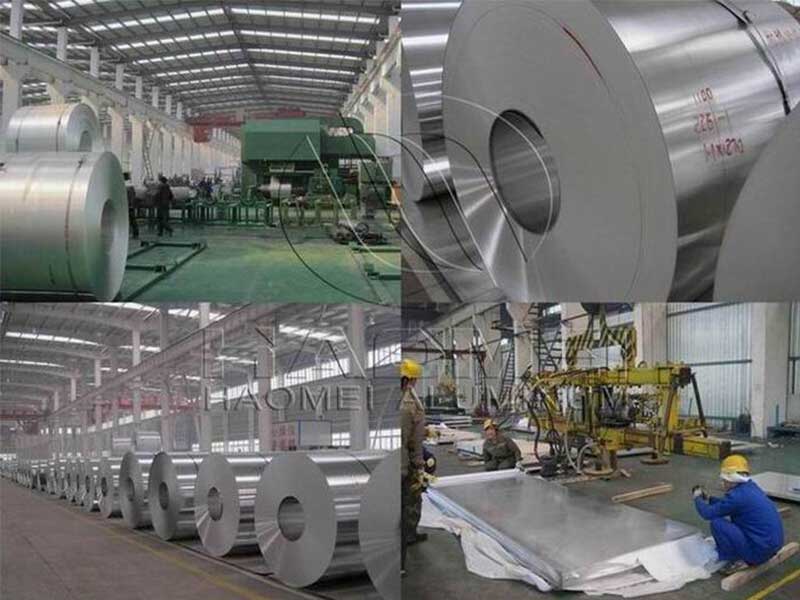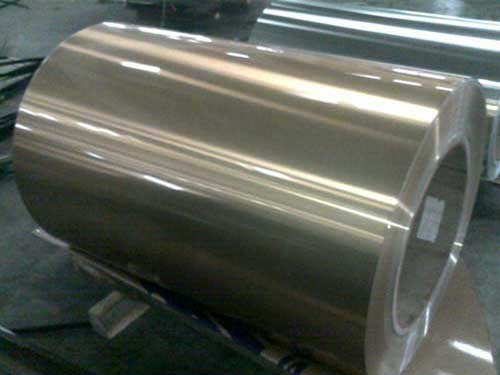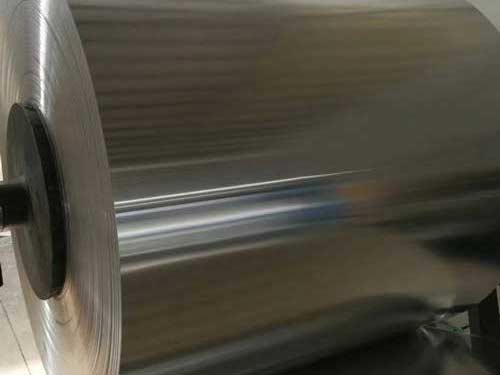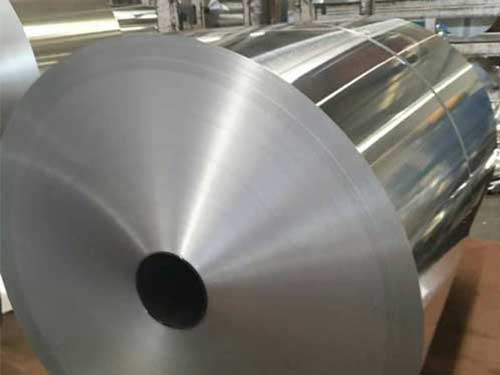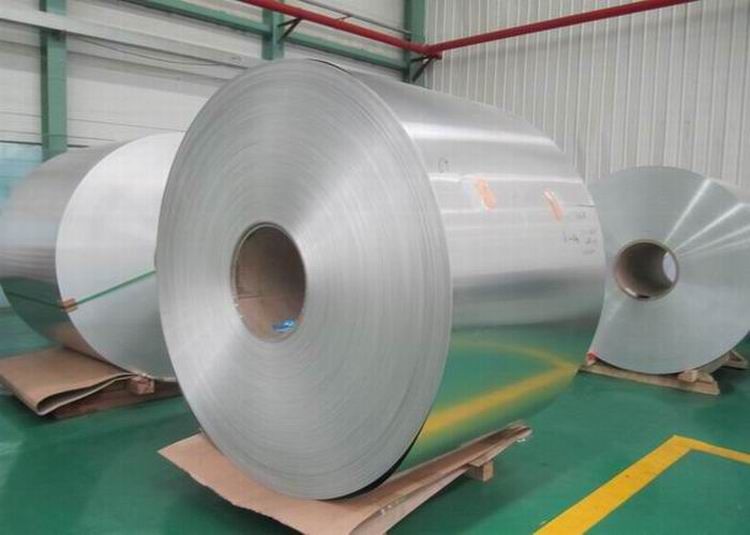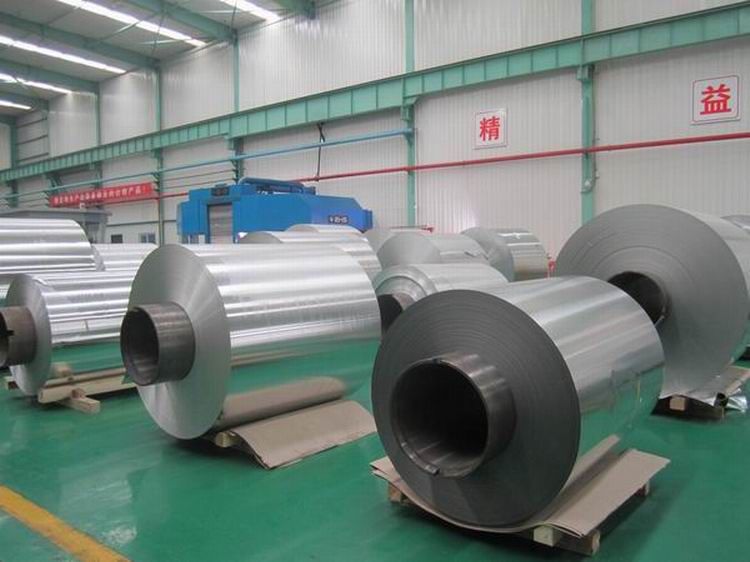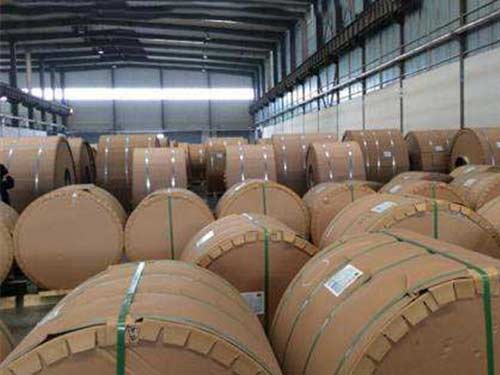

1050, 1060, 1070, and 1100 H24 aluminum coils are widely used industrial materials known for their excellent formability, corrosion resistance, thermal conductivity, and clean surface quality. As part of the 1xxx series pure aluminum family, these alloys contain very high aluminum content and are ideal for applications where conductivity, light weight, and easy fabrication are more important than high mechanical strength.
In the H24 temper, these coils are strain hardened and partially annealed, giving them a balanced combination of strength and ductility. This makes them especially suitable for roofing, insulation jacketing, signage, reflectors, transformer winding, cookware, decorative panels, and general sheet metal fabrication.
The 1xxx series aluminum coil is valued for its purity and stable performance. Among these grades, 1050, 1060, 1070, and 1100 are common commercial choices, each offering slightly different purity levels and application advantages.
| Alloy | Aluminum Content | Main Characteristics | Typical Use Focus |
|---|---|---|---|
| 1050 | ≥ 99.50% | Good corrosion resistance, excellent workability | General fabrication, reflectors, insulation |
| 1060 | ≥ 99.60% | High conductivity, soft, easy to process | Electrical parts, signs, panels |
| 1070 | ≥ 99.70% | Very high conductivity, high purity | Transformer winding, conductive applications |
| 1100 | ≥ 99.00% | Good strength among pure aluminum grades, excellent forming | Cookware, chemical equipment, decorative uses |
What Does H24 Temper Mean?
H24 indicates that the aluminum coil has been work-hardened to a half-hard condition and then partially annealed. Compared with softer tempers like O or H14, H24 offers a more practical balance between forming performance and strength.
| Temper | Description | Performance Characteristic |
|---|---|---|
| O | Annealed | Softest, maximum ductility |
| H14 | Strain hardened, half hard | Higher strength, lower ductility |
| H24 | Strain hardened, partially annealed | Balanced strength and formability |
| H18 | Full hard | High hardness, limited forming |
For many customers, H24 is preferred because it reduces cracking risk during bending or stamping while still maintaining enough rigidity for finished products.
Features of 1050 1060 1070 1100 H24 Aluminum Coil
| Feature | Description | Customer Benefit |
|---|---|---|
| High aluminum purity | 99.0% to 99.7% aluminum content | Excellent conductivity and corrosion resistance |
| Good formability | Easy to bend, roll, stamp, and shape | Suitable for deep drawing and general fabrication |
| Light weight | Lower density than steel and copper | Reduced transport and structural load |
| Corrosion resistance | Naturally forms protective oxide film | Long service life in humid and outdoor conditions |
| Good thermal conductivity | Efficient heat transfer | Useful for heat shields, cookware, and insulation |
| Electrical conductivity | Especially strong in 1060 and 1070 | Ideal for electrical and transformer use |
| Smooth surface finish | Clean, bright, and uniform appearance | Good for decorative and coated products |
| Recyclability | 100% recyclable | Supports sustainable manufacturing |
Chemical Composition
The exact composition may vary slightly depending on the standard used, but the table below shows typical values for these alloys.
| Alloy | Al Min. (%) | Si + Fe (%) | Cu (%) | Mn (%) | Mg (%) | Zn (%) | Other Each (%) |
|---|---|---|---|---|---|---|---|
| 1050 | 99.50 | ≤ 0.40 | ≤ 0.05 | ≤ 0.05 | ≤ 0.05 | ≤ 0.05 | ≤ 0.03 |
| 1060 | 99.60 | ≤ 0.35 | ≤ 0.05 | ≤ 0.03 | ≤ 0.03 | ≤ 0.05 | ≤ 0.03 |
| 1070 | 99.70 | ≤ 0.25 | ≤ 0.04 | ≤ 0.03 | ≤ 0.03 | ≤ 0.04 | ≤ 0.03 |
| 1100 | 99.00 | Si + Fe: ≤ 0.95 | 0.05–0.20 | ≤ 0.05 | - | ≤ 0.10 | ≤ 0.05 |
Mechanical Properties of H24 Temper
Mechanical values depend on thickness, production route, and applicable standard, but the following table reflects common reference ranges for H24 aluminum coil.
| Alloy | Temper | Tensile Strength (MPa) | Yield Strength (MPa) | Elongation (%) |
|---|---|---|---|---|
| 1050 | H24 | 95–125 | ≥ 70 | 4–10 |
| 1060 | H24 | 90–120 | ≥ 65 | 5–12 |
| 1070 | H24 | 85–115 | ≥ 60 | 5–12 |
| 1100 | H24 | 100–130 | ≥ 75 | 4–10 |
These values show why H24 is popular in fabrication: it offers more shape retention than fully annealed material, but still remains workable for bending and light forming.
Physical Properties
| Property | Typical Value |
|---|---|
| Density | 2.71 g/cm³ |
| Melting Range | Approx. 643–657°C |
| Electrical Conductivity | High |
| Thermal Conductivity | Approx. 218–237 W/m·K |
| Modulus of Elasticity | Approx. 69 GPa |
| Coefficient of Thermal Expansion | Approx. 23.5 × 10⁻⁶ /°C |
Among these grades, 1070 and 1060 are especially attractive where high electrical or thermal conductivity is required.
Technical Specifications
1050 1060 1070 1100 H24 aluminum coil can be supplied in a wide variety of sizes to suit industrial processing.
| Item | Typical Range |
|---|---|
| Thickness | 0.2 mm – 6.0 mm |
| Width | 20 mm – 2000 mm |
| Coil Inner Diameter | 150 mm, 300 mm, 405 mm, 505 mm |
| Coil Outer Diameter | Customizable |
| Coil Weight | 1 ton – 8 tons or custom |
| Surface Finish | Mill finish, bright, coated, embossed |
| Standard | ASTM, EN, JIS, GB |
| Temper | H24 |
| Processing | Slitting, cut-to-length, embossing, coating |
Common Applications
Because these aluminum coils combine purity, workability, and corrosion resistance, they serve a wide range of industries.
| Industry | Typical Application |
|---|---|
| Building and construction | Roofing sheet, insulation cladding, ceiling panels, rainwater systems |
| Electrical industry | Transformer winding, bus conductors, capacitor shell, cable shielding |
| Appliance manufacturing | Refrigerator panels, air-conditioner parts, back panels |
| Cookware and kitchenware | Pots, lids, utensils, containers |
| Signage and decoration | Advertising boards, reflective signs, decorative sheets |
| Packaging and containers | Bottle caps, closures, general packaging components |
| Chemical equipment | Storage tanks, pipe insulation, light-duty process equipment |
| Lighting and reflection | Lamp reflectors, reflective panels |
Differences Between 1050, 1060, 1070, and 1100
Although these alloys are similar, choosing the right grade can improve product performance and cost efficiency.
| Alloy | Main Advantage | Best Choice For |
|---|---|---|
| 1050 | Balanced cost and performance | General industrial use |
| 1060 | Higher purity and conductivity | Electrical and panel applications |
| 1070 | Very high conductivity | Transformer and conductor uses |
| 1100 | Slightly better strength and machinability | Decorative, cookware, chemical equipment |
If the application prioritizes electrical conductivity, 1060 or 1070 is often selected. If the product needs a little more strength while keeping excellent formability, 1100 H24 can be a practical option.
Surface Quality and Processing Advantages
A high-quality H24 aluminum coil should have a flat surface, consistent thickness, controlled edge quality, and stable mechanical properties. These factors are important for automatic processing lines and downstream forming.
| Processing Method | Suitability |
|---|---|
| Bending | Excellent |
| Stamping | Good |
| Rolling | Excellent |
| Shearing | Excellent |
| Riveting | Good |
| Welding | Good |
| Anodizing | Good |
| Painting / Coating | Excellent |
These coils are easy to process into finished parts and can also be supplied with protective film or special packaging to reduce transport damage.
Why Customers Choose H24 Aluminum Coil
| Customer Need | H24 Solution |
|---|---|
| Better stiffness than soft temper | Improved strength after strain hardening |
| Easier fabrication than full-hard material | Partial annealing preserves formability |
| Lightweight corrosion-resistant metal | Pure aluminum chemistry performs well outdoors |
| Clean appearance for visible applications | Smooth and bright surface quality |
| Cost-effective material for volume production | Efficient processing and broad availability |