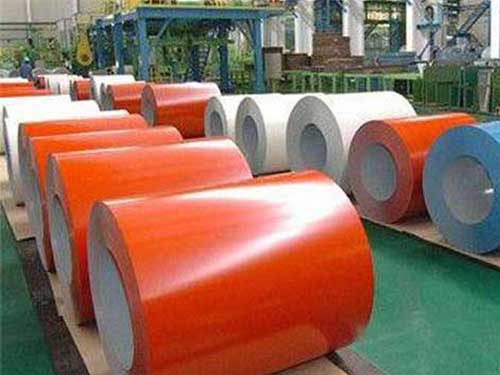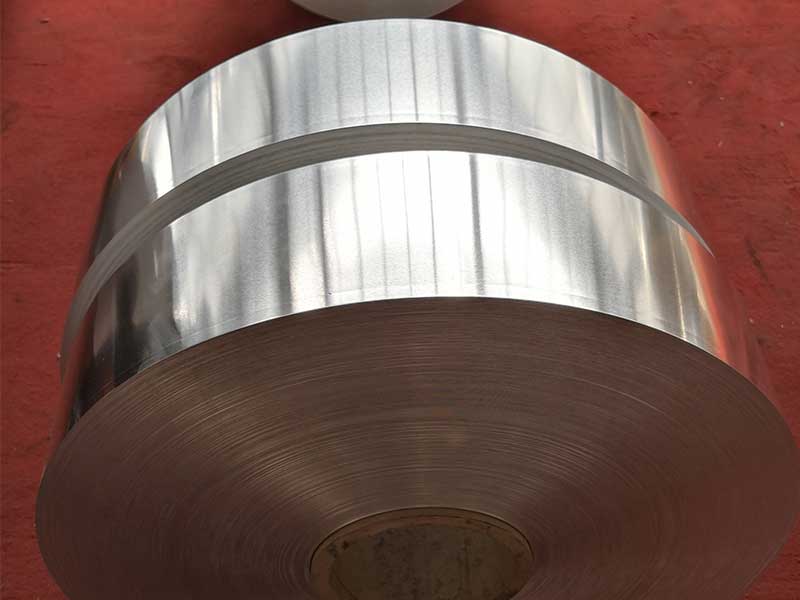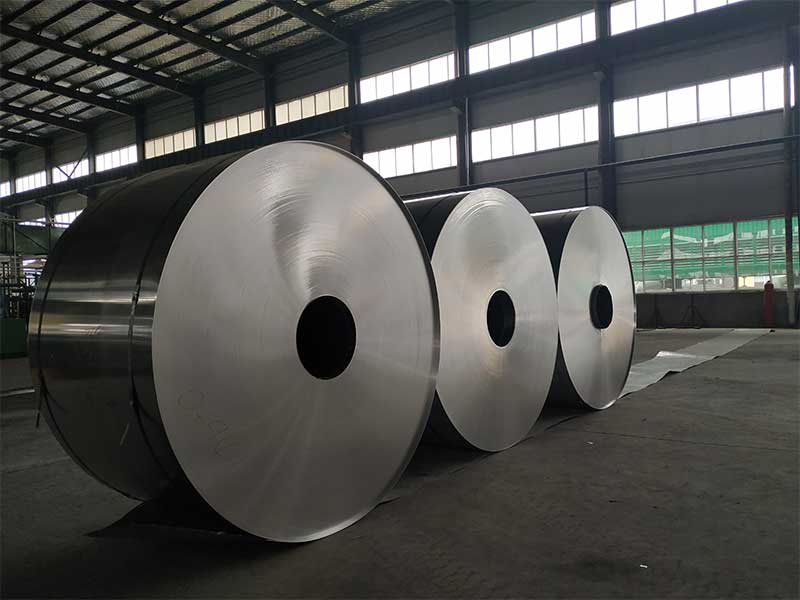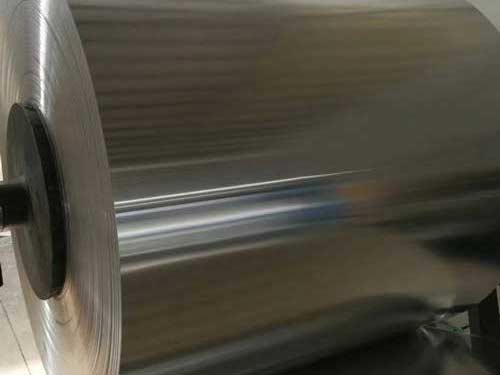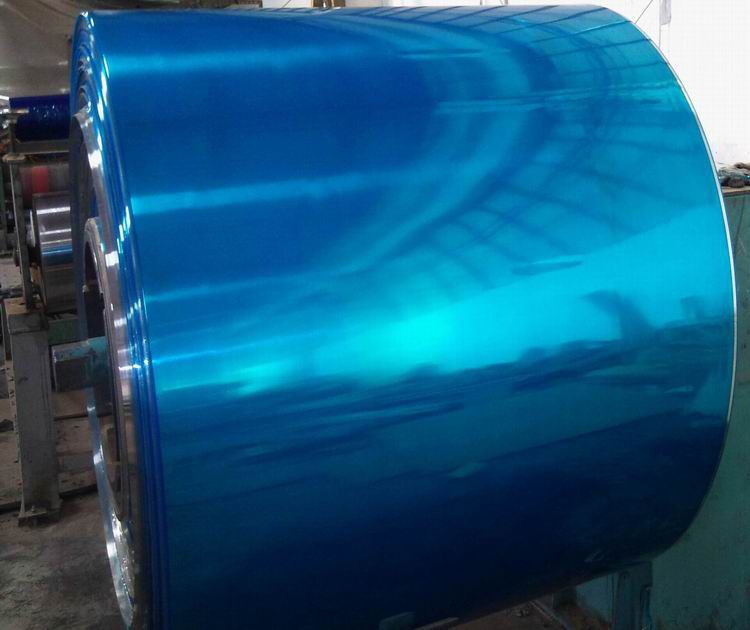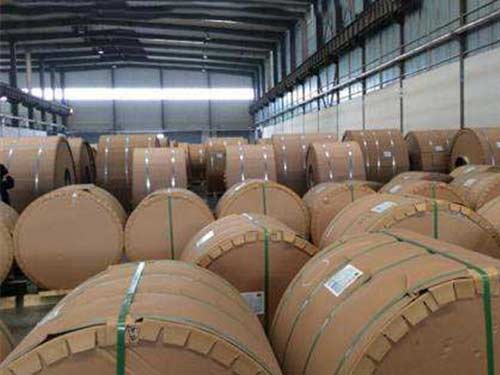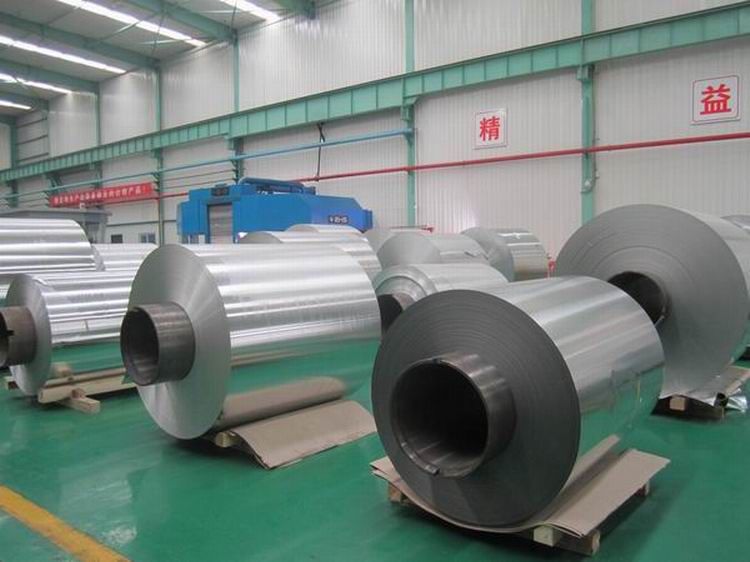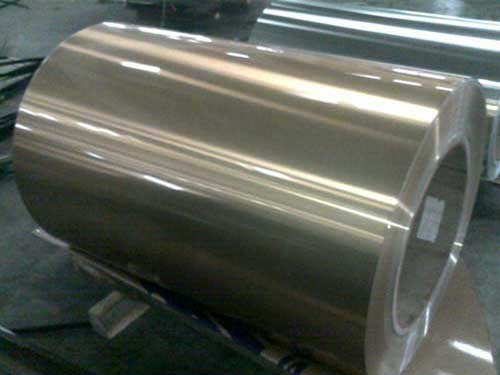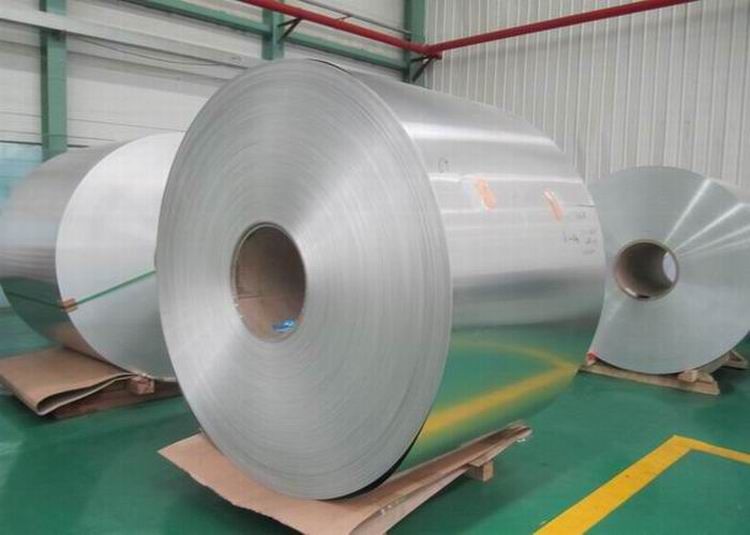
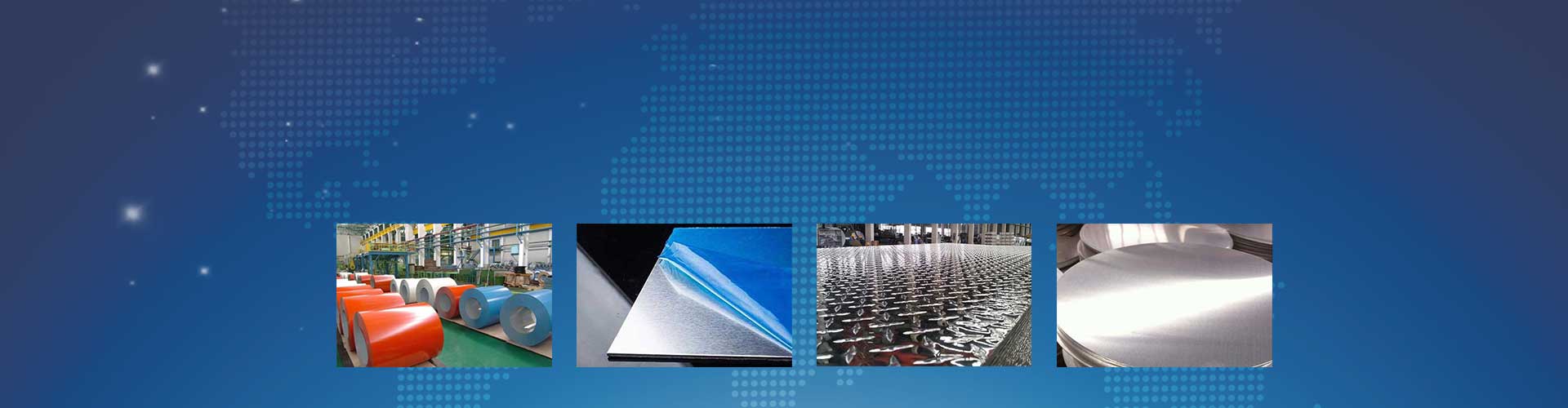
ASTM 1050 aluminium coil is a high-purity, commercially pure aluminium product valued for its excellent electrical and thermal conductivity, strong corrosion resistance, and outstanding formability. Often supplied in large coils for efficient fabrication, ASTM 1050 is a practical choice for deep drawing, spinning, stamping, heat transfer parts, and electrical applications where consistent performance and clean surface quality matter.
As a 1xxx-series aluminium, 1050 is designed to be easy to process rather than to maximize strength. Customers typically select it for lightweight components, bright finishing, chemical resistance, and stable properties across wide production runs.
Features of ASTM 1050 Aluminium Coil
| Feature | What it means for customers | Typical benefit |
|---|---|---|
| High aluminium purity (≈99.5% Al) | Minimal alloying additions | Reliable corrosion resistance and stable conductivity |
| Excellent formability | Suitable for bending, drawing, spinning, roll forming | Higher yield in complex shapes, fewer cracks |
| High thermal conductivity | Efficient heat transfer | Better performance in HVAC and thermal spreaders |
| Good electrical conductivity | Low resistivity compared with alloyed grades | Busbars, electrical foils/sheets, conductive parts |
| Strong corrosion resistance | Natural oxide film protects surface | Good durability in indoor/outdoor environments |
| Good surface finish capability | Works well with polishing, anodizing, and coating | Attractive appearance, improved protection |
Common Applications
| Industry / Use | Typical parts made from 1050 aluminium coil | Why 1050 is chosen |
|---|---|---|
| HVAC and heat transfer | Fin stock, heat shields, thermal plates | High thermal conductivity, easy forming |
| Electrical | Conductive strips, transformer parts, shielding | High conductivity, clean chemistry |
| Building and decoration | Trim, profiles, reflective panels | Corrosion resistance, bright finish potential |
| Packaging and general fabrication | Liners, closures, formed shells | Lightweight, formability, cleanliness |
| Chemical and food-adjacent equipment | Covers, panels, non-pressure components | Corrosion resistance and ease of cleaning |
| Lighting and reflectors | Reflective sheets, lamp housings | Surface finish, reflectivity, formability |
ASTM 1050 aluminium coil is typically delivered in soft to medium tempers. Selecting the right temper is mainly about balancing formability and strength.
| Temper (common) | Condition | Formability | Relative strength | Typical processing fit |
|---|---|---|---|---|
| O | Fully annealed | Excellent | Low | Deep drawing, spinning, complex forming |
| H12 | Strain hardened (quarter-hard) | Very good | Medium-low | General forming, moderate stiffness |
| H14 | Strain hardened (half-hard) | Good | Medium | Roll forming, panels, parts needing rigidity |
| H16 / H18 (less common in heavy forming) | Higher strain hardening | Fair | Higher | Flat parts, less severe forming |
| H24 (if supplied) | Strain hardened and partially annealed | Very good | Medium | Improved formability vs H14 |
Note: Availability of specific tempers, thickness ranges, and surface finishes depends on mill capability and coil dimensions.
Chemical Composition (Typical for Aluminium 1050)
The chemical composition below reflects widely used limits for 1050-type commercial purity aluminium. Exact requirements may vary by governing specification and purchase agreement.
| Element | Typical max (%) |
|---|---|
| Aluminium (Al) | ≥ 99.50 |
| Silicon (Si) | 0.25 |
| Iron (Fe) | 0.40 |
| Copper (Cu) | 0.05 |
| Manganese (Mn) | 0.05 |
| Magnesium (Mg) | 0.05 |
| Zinc (Zn) | 0.05 |
| Titanium (Ti) | 0.03 |
| Others (each) | 0.03 |
| Others (total) | 0.10 |
Practical interpretation: low Cu and low alloying content help maintain corrosion resistance and conductivity; Fe and Si are the primary residuals that can slightly influence formability and surface appearance.
Mechanical Properties (Typical Ranges)
Mechanical properties vary with temper, thickness, and processing history. The table below gives practical ranges commonly used for engineering selection.
| Temper | Tensile strength (MPa) | Yield strength (MPa) | Elongation (%) |
|---|---|---|---|
| O | 60–90 | 20–35 | 25–40 |
| H12 | 80–110 | 60–90 | 10–25 |
| H14 | 95–125 | 75–110 | 4–15 |
Selection tip: choose O temper when the part has tight radii, deep draws, or aggressive spinning; choose H14 when panel flatness, stiffness, and dent resistance are more important than maximum ductility.
Physical Properties
| Property | Typical value |
|---|---|
| Density | 2.70 g/cm³ |
| Melting range | 646–657 °C |
| Thermal conductivity | ~ 220–235 W/m·K |
| Electrical conductivity | ~ 60–62% IACS |
| Electrical resistivity | ~ 0.028–0.029 µΩ·m |
| Coefficient of thermal expansion (20–100 °C) | ~ 23.6 µm/m·K |
| Specific heat capacity | ~ 900 J/kg·K |
Coil Technical Specifications (Supply-Friendly)
The following table shows common supply parameters. Final values should be confirmed on the quotation and mill test certificate.
| Item | Typical range / option |
|---|---|
| Product form | Aluminium coil (cold rolled) |
| Alloy | 1050 / commercially pure aluminium |
| Temper | O, H12, H14, H24 (by request/availability) |
| Thickness | 0.20–6.00 mm (typical coil supply window) |
| Width | 20–2000 mm (depending on mill and thickness) |
| Inner diameter (ID) | 150 / 300 / 505 mm (common) |
| Outer diameter (OD) | Up to ~1200–2000 mm (depends on weight/thickness) |
| Coil weight | ~1–10 tons typical (customizable) |
| Edge | Mill edge, slit edge |
| Surface finish | Mill finish, bright finish, brushed (processing-dependent) |
| Protective options | Interleaving paper/film, PVC coating (if requested) |
| Quality documents | Mill test certificate, chemical & mechanical report |
Surface Quality and Processing Compatibility
| Process | Compatibility with 1050 coil | Notes for buyers |
|---|---|---|
| Anodizing | Very good | Produces clean, uniform appearance; purity helps brightness |
| Painting / powder coating | Good | Use proper pretreatment to maximize adhesion |
| Brazing | Conditional | Often possible with correct filler/flux; verify application needs |
| Welding | Good | High purity aluminium welds well; control distortion due to high conductivity |
| Deep drawing / spinning | Excellent in O temper | Best choice for severe forming operations |
| Stamping / punching | Good | Softer tempers reduce cracking; harder tempers improve edge definition |
Why Customers Choose ASTM 1050 Aluminium Coil
| Customer priority | How 1050 performs | Typical outcome |
|---|---|---|
| Corrosion resistance | Naturally strong due to purity | Long service life in mild environments |
| Conductivity | Higher than alloyed grades | Efficient electrical/thermal parts |
| Formability | Excellent, especially in O | Fewer forming defects and rework |
| Cost-effectiveness | Often economical vs higher-alloy options | Good balance for high-volume production |
| Surface finish | Clean, consistent | Better cosmetic parts and coatings |
Purchasing Notes (What to Specify)
| Parameter to confirm | Why it matters |
|---|---|
| Temper and final hardness | Controls forming behavior and stiffness |
| Thickness tolerance and flatness | Affects stamping, lamination, and panel quality |
| Surface requirements (oil, film, scratch limits) | Critical for decorative/anodized parts |
| Edge condition (slit vs mill) | Impacts safety, fit, and downstream processing |
| Coil ID/OD and max coil weight | Ensures compatibility with decoilers and press lines |
| Application environment | Helps determine if coating or anodizing is needed |
ASTM 1050 aluminium coil is a high-purity 1xxx-series aluminium coil known for excellent corrosion resistance, high electrical and thermal conductivity, and outstanding formability. Available in common tempers such as O, H12, and H14, it is widely used for HVAC heat transfer parts, electrical components, reflective panels, and general fabrication. With clean chemical composition, stable physical properties, and flexible coil supply options (thickness, width, ID/OD), 1050 aluminium coil is an efficient, lightweight choice for manufacturers needing reliable forming performance and consistent surface quality.