
Mill Finished Hot & Cold Rolled Aluminium Coil: A Practical Buyer’s Guide
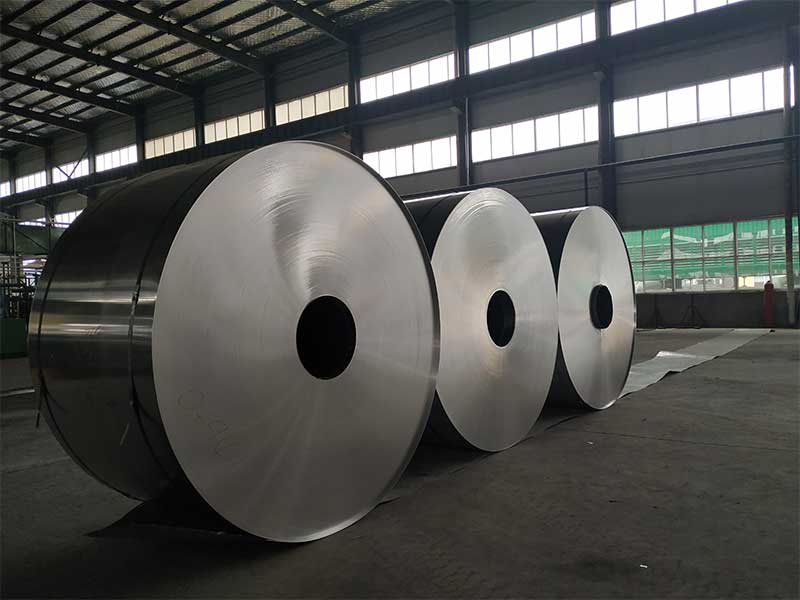
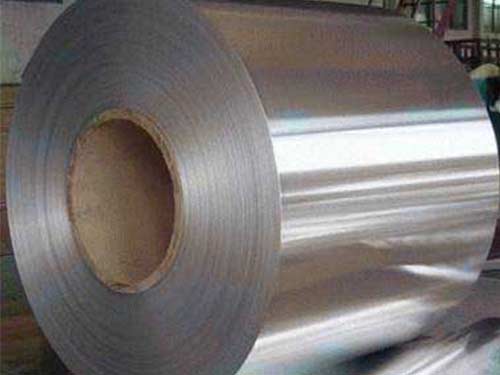
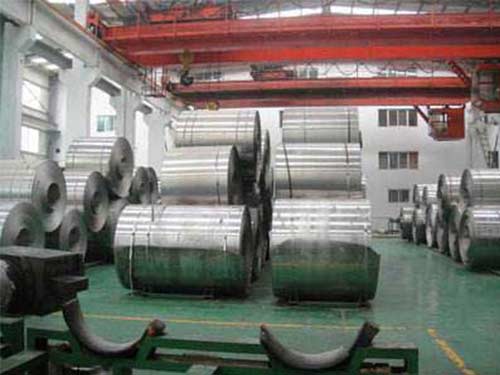
Mill finished hot and cold rolled aluminium coil is one of those backbone materials that quietly supports countless industries: roofing, insulation, cladding, transformers, facades, cookware, transport panels and more.
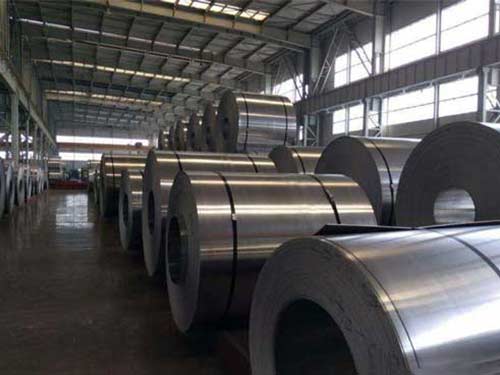
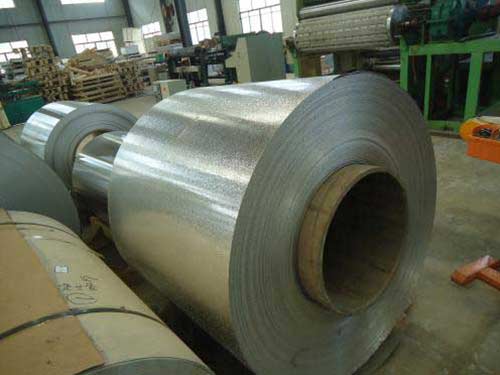
From a distance, all coils can look the same: a silvery roll of metal with a smooth surface. Up close, however, the story is more complex. The way the coil is rolled, the alloy and temper you choose, and the production standards behind it will directly affect its performance, cost, and service life.
This guide looks at mill finished hot and cold rolled aluminium coil from a practical, user-focused angle: what actually matters when you specify and purchase it, and how to read the technical details without getting lost in jargon.
What “Mill Finished” Really Means
“Mill finished” simply means the surface is supplied as it leaves the rolling mill, without additional surface treatments such as:
- Anodizing
- Painting / color coating
- Mechanical polishing or brushing
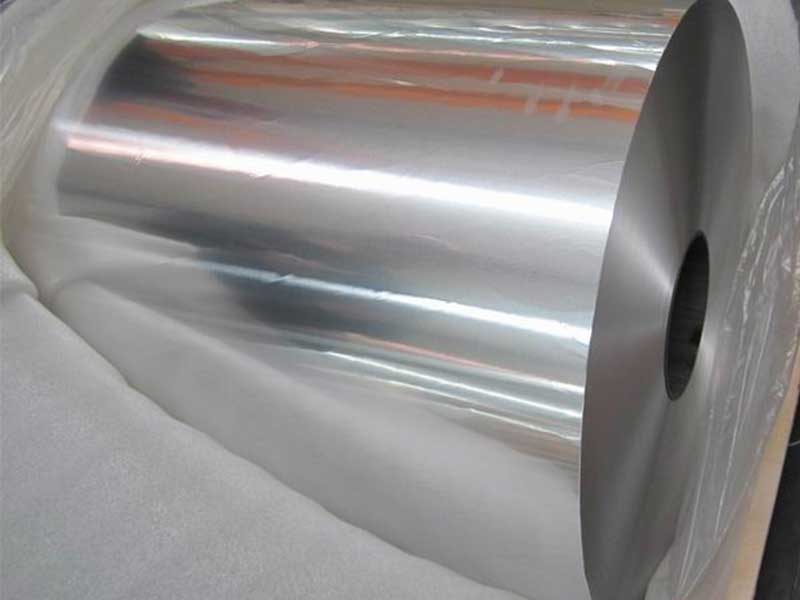
The result is a natural metallic appearance with a soft sheen, fine rolling lines and slight color variation from coil to coil.
For many industrial and construction uses, mill finish offers several advantages:
- Lower cost compared with coated or anodized products
- Ideal base material for downstream processes (painting, embossing, slitting, punching, deep drawing)
- Good thermal and electrical conductivity preserved
If your application is mainly functional (thermal insulation jacketing, inner layers, transformer windings, internal components), mill finish is usually the most efficient choice.
Hot Rolled vs Cold Rolled: Where Each Coil Makes Sense
Aluminium coil can be produced through two main rolling routes. how they differ helps you match the material to your job instead of over‑ or under‑specifying it.
Hot rolled coil
Hot rolling starts from a cast slab heated to high temperature, then reduced in thickness on a hot mill. It is usually followed by further processing, but in some thickness ranges and tempers, hot rolled coil can be used directly.
characteristics:
- Thicker gauge capability
- Better internal structure with fewer casting defects
- Good flatness and uniform mechanical properties
- Often used as feedstock for further cold rolling or as plate/medium‑thick coil for structural parts
You will typically prefer hot rolled material when you need:
- Medium to heavy gauge
- Good forming performance and toughness
- Consistent properties across the width
Cold rolled coil
Cold rolling uses hot rolled coil as its starting point, then reduces thickness at room temperature in several passes.
characteristics:
- Precise thickness tolerance
- Higher strength through work hardening
- Smoother, more uniform surface
- Available in thin gauges for lightweight applications
Cold rolled coil is the standard choice where appearance, dimensional accuracy or thin gauge are important, such as:
- Roofing and cladding sheets
- Interior panels
- Fin stock and insulation jacketing
- Consumer products and appliance components
In practice, mill finished coils for construction, packaging and general engineering tend to be cold rolled, while sectors like transport, pressure vessels or machining may specify hot rolled feedstock for further processing.
Core Alloys and Tempers: How They Shape Performance
The alloy and temper of the coil determine strength, formability, corrosion resistance and weldability. Here is a practical view of common options for mill finished hot and cold rolled coils.
Alloy 1050 / 1060 / 1070 (1xxx series – commercially pure aluminium)
- Aluminium content above 99%, excellent corrosion resistance
- Very high electrical and thermal conductivity
- Low to moderate strength, very good formability
Typical uses:
Transformer windings, cable sheathing, insulation jacketing, chemical and food contact equipment (where permitted by standards).
Common tempers:
- O (annealed): softest, best for deep drawing and bending
- H14, H24: half‑hard for better handling strength while still workable
Alloy 3003 / 3004 (3xxx series – aluminium‑manganese)
- Strength noticeably higher than pure aluminium
- Good corrosion resistance, especially in humid and marine environments
- Excellent for general forming, rolling and bending
Typical uses:
Roofing, curtain wall back sheets, insulation cladding, gutters, tank bodies, general sheet metal work.
Common tempers:
- O: for deep drawing
- H14, H16, H26: for panel and roofing applications where stiffness is needed
Alloy 5052 (5xxx series – aluminium‑magnesium)
- High strength among non‑heat‑treatable alloys
- Outstanding corrosion resistance, especially to seawater and industrial atmospheres
- Good weldability and moderate to good formability
Typical uses:
Marine panels, fuel tanks, vehicle bodies, structural cladding, where both strength and corrosion resistance are critical.
Common tempers:
- O: for severe forming
- H32, H34, H36: for structural and panel uses demanding higher strength
Typical Technical Parameters Buyers Should Check
When you receive a quotation or specification for mill finished hot or cold rolled aluminium coil, several parameters tell you what you are really getting.
- Alloy and temper: defines the mechanical and corrosion performance
- Thickness range: often from 0.2 mm up to 8 mm depending on alloy and rolling route
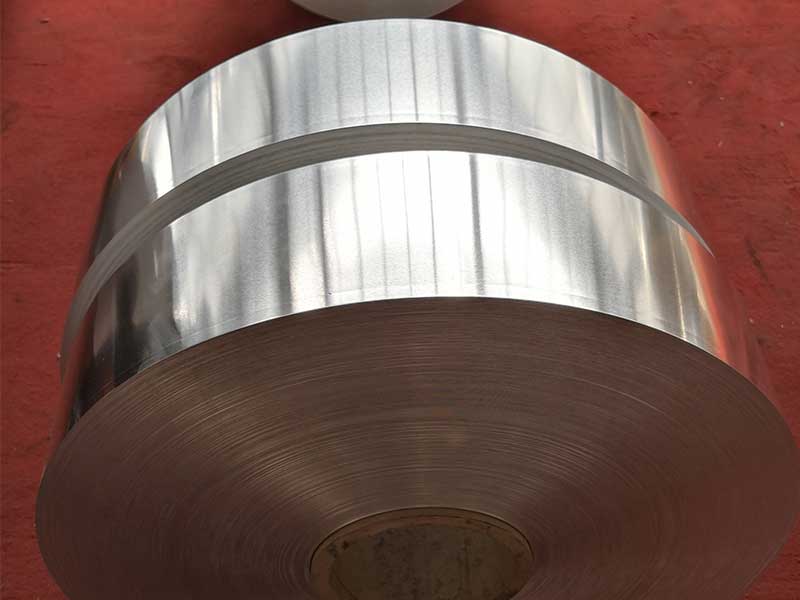
- Width: commonly from 20 mm slit coil up to 2000 mm full width or more
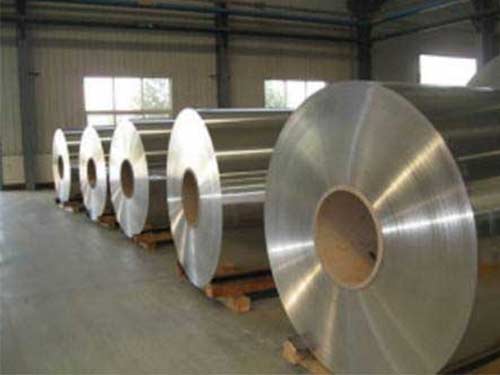
- Coil ID / OD: inner and outer diameters need to suit your decoiler and processing line
- Coil weight: often between 1 – 10 tons per coil depending on your handling capacity
- Surface quality: mill finish level, permissible scratches, roll marks, oil residue, etc.
- Edge type: mill edge or slit edge depending on downstream use
A well‑defined purchase order should align these parameters with the standards and tolerances you require.
Manufacturing and Implementation Standards
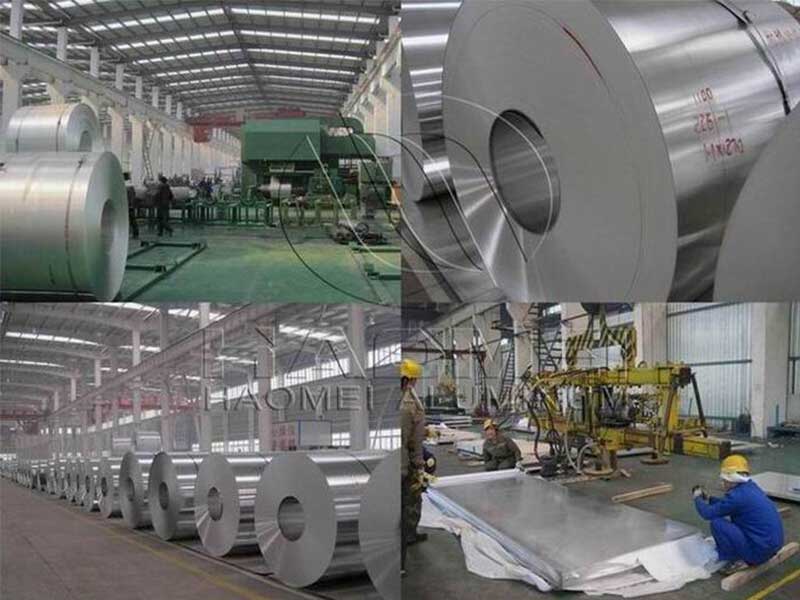
Reliable mill finished coil is always produced under recognized international or national standards. These documents define chemical composition, mechanical properties, dimensional tolerances and inspection methods.
Common reference standards include:
- ASTM B209 for aluminium and aluminium‑alloy sheet and plate
- EN 485 / EN 573 series for wrought aluminium products in Europe
- GB/T 3880 series in China for rolled aluminium sheets and strips
In addition, reputable manufacturers run production under quality management systems such as ISO 9001, and often environmental standards like ISO 14001. This matters when you demand:
- Stable mechanical properties from coil to coil
- Consistent thickness and flatness across the width
- Traceable heat numbers and certification (mill test certificate / MTC)
For critical industries such as transportation and pressure systems, additional codes or customer specifications may apply.
Values vary by alloy, thickness and temper, but the following ranges help you compare. All values are approximate for room temperature.
| Alloy | Temper | Tensile Strength (MPa) | Yield Strength (MPa) | Elongation (%) |
|---|---|---|---|---|
| 1050 | O | 60–100 | 20–30 | 25–40 |
| 1050 | H14 | 95–135 | 35–80 | 10–18 |
| 3003 | O | 75–130 | 30–60 | 25–35 |
| 3003 | H14 | 110–180 | 60–130 | 8–20 |
| 5052 | O | 125–170 | 55–90 | 20–30 |
| 5052 | H32 | 210–260 | 130–180 | 7–14 |
These data illustrate the trade‑off: higher strength tempers offer stiffer panels but less stretchability for deep forming.
Representative Chemical Composition
Chemical composition is carefully controlled to achieve target properties and corrosion resistance. Below is an indicative composition table for common alloys used in mill finished coils (mass percentage).
| Alloy | Si | Fe | Cu | Mn | Mg | Cr | Zn | Ti | Al (approx.) |
|---|---|---|---|---|---|---|---|---|---|
| 1050 | ≤0.25 | ≤0.40 | ≤0.05 | ≤0.05 | ≤0.05 | – | ≤0.05 | ≤0.03 | ≥99.50 |
| 1060 | ≤0.25 | ≤0.35 | ≤0.05 | ≤0.03 | ≤0.03 | – | ≤0.05 | ≤0.03 | ≥99.60 |
| 3003 | ≤0.60 | ≤0.70 | ≤0.20 | 1.0–1.5 | – | – | ≤0.10 | – | balance |
| 3004 | ≤0.30 | ≤0.70 | ≤0.25 | 1.0–1.5 | 0.8–1.3 | – | ≤0.25 | – | balance |
| 5052 | ≤0.25 | ≤0.40 | ≤0.10 | ≤0.10 | 2.2–2.8 | 0.15–0.35 | ≤0.10 | ≤0.03 | balance |
Exact ranges may differ slightly by standard (ASTM, EN, GB), but the balance between main alloying elements remains the same.
Matching Coil Specification To Application
Rather than starting from a catalogue, it is often easier to think from the application backwards.
For example:
Insulation jacketing for pipes and tanks:
- You need light‑gauge coil with good formability and corrosion resistance.
- Alloy 1060 or 3003 in O or H14 temper, cold rolled mill finish, is usually ideal.
Architectural roofing or cladding:
- Panel stiffness, resistance to denting, and weathering performance are important.
- Alloy 3003 or 3004 in H24/H26, thickness around 0.5–1.0 mm, cold rolled, provides a good balance.
Marine or high‑corrosion environment:
- Corrosion resistance and strength come first.
- Alloy 5052 H32 or similar is often preferred, sometimes as a hot rolled base, further cold rolled depending on thickness.
Electrical and thermal uses (busbar, transformer foil, heat shields):
- Conductivity is key.
- High‑purity alloys such as 1050, 1060, 1070 are selected, usually in softer tempers for forming and winding.
A supplier experienced in both hot and cold rolling can help fine‑tune the combination of alloy, temper and gauge to meet performance while controlling cost.
Final Thoughts
Mill finished hot and cold rolled aluminium coil is not a single product but a flexible platform. By adjusting alloy, temper, thickness and rolling route, the same “coil” can become a roofing sheet, a tank shell, an insulation wrap, or a precise electrical conductor.
the basics—what “mill finish” implies, how hot and cold rolling differ, and how alloy systems like 1xxx, 3xxx and 5xxx behave—lets you specify material more confidently and avoid both over‑engineering and costly rework.
When you request a quote, sharing your end use, forming requirements and service environment allows the coil specification to be tailored to your real‑world needs, ensuring stable performance, easier processing and reliable long‑term results.