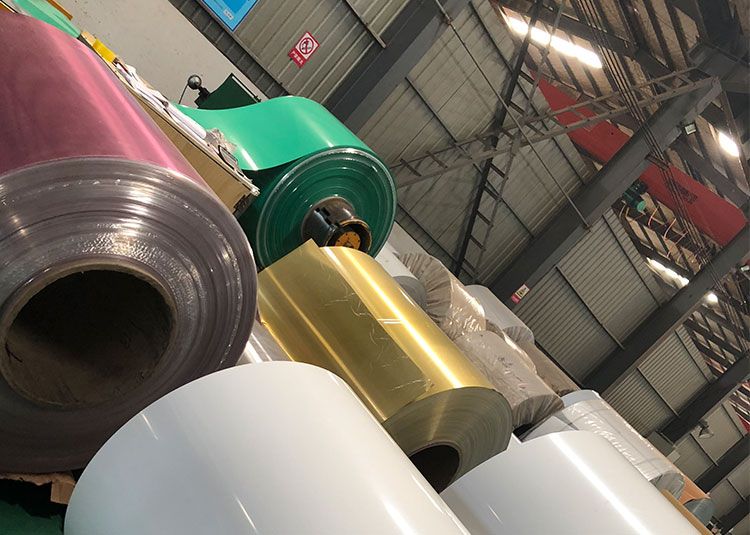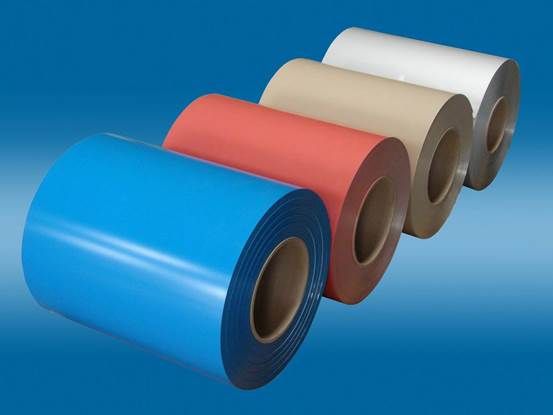
0.5mm Thick 1050 H24 Color Painted Aluminum Sheet: When "Lightweight" Becomes a Functional Advantage
In many projects, the material that performs best is not the thickest or the strongest on paper, but the one that behaves predictably in real fabrication and real weather. A 0.5mm thick 1050 H24 color painted aluminum sheet is a good example: it is thin enough to form easily, stable enough to stay flat in service, and corrosion-resistant enough to look "new" far longer than most painted substrates. From a distinctive viewpoint, this product is less about raw structural load-bearing and more about surface reliability-the ability to keep color, gloss, and cleanliness while repeatedly facing heat, humidity, handling, and daily abrasion.
This is why it is widely chosen for architectural skins, interior décor panels, ceilings, claddings, appliance casings, signage, and light industrial covers. At 0.5mm, it offers a premium balance between visual quality and manufacturing efficiency, especially when the coating system is engineered for consistency.
What the Material Really Does: A "Two-Layer" Engineering Concept
Think of this product as two technologies bonded into one sheet.
The base metal, 1050 aluminum, is a high-purity alloy designed for excellent corrosion resistance and high ductility. It is easy to bend, roll-form, press, and stamp without brittle failure.
The top layer, the color paint coating, is the "working surface." It delivers the part customers actually see and touch: the color tone, gloss level, stain resistance, and UV durability. In many applications, the coating is not decorative only; it is an engineered barrier against fingerprints, salt mist, cleaning chemicals, and moisture.
Because the substrate is already naturally corrosion resistant, the paint's job shifts from "rescue coating" to "performance coating." That is why painted 1050 sheets often show more stable long-term aesthetics than painted steels in similar environments.
Parameters for 0.5mm 1050 H24 Color Painted Aluminum Sheet
Below is a practical parameter set commonly used by manufacturers and buyers. Exact values can be tailored to project requirements.
Typical product parameters
- Alloy: AA 1050
- Temper: H24 (strain hardened and partially annealed)
- Thickness: 0.5mm (tolerance commonly per ASTM/EN requirements)
- Width: commonly 1000mm / 1200mm / 1250mm (custom slitting available)
- Length: coil or cut-to-length sheets
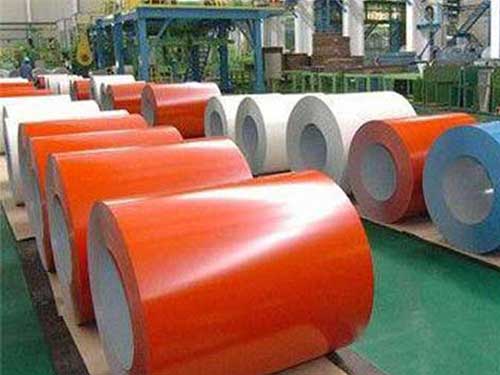
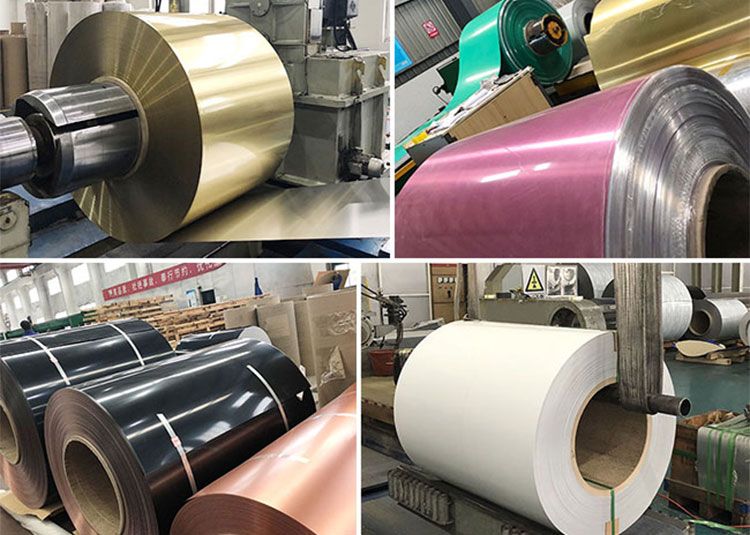
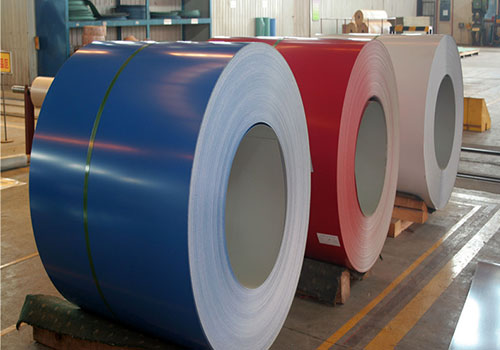
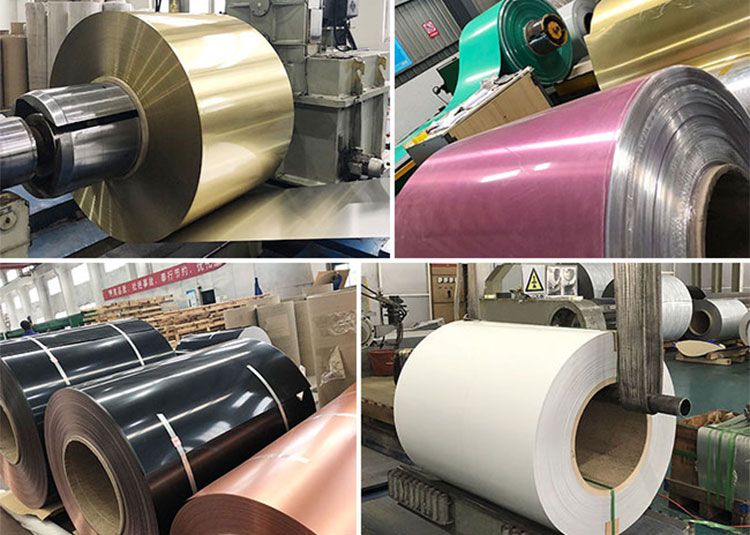
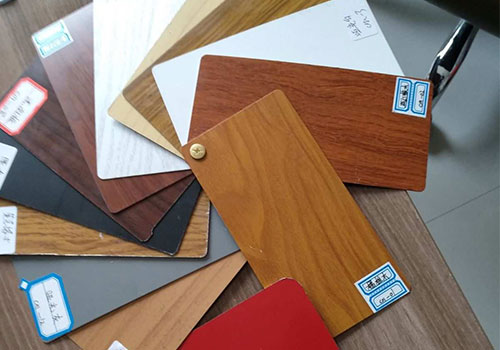
- Surface finish: color painted (solid, metallic, matte, high gloss available)
- Coating type options: PE (polyester), PVDF (fluorocarbon), SMP/HDPE depending on durability targets
- Coating thickness (typical ranges): top coat around 15–25 μm, back coat around 5–10 μm, primer as specified
- Gloss: customizable (often 10–90 GU at 60° depending on paint system)
- Protective film: optional, commonly used for fabrication and installation protection
At 0.5mm, the sheet is especially efficient for formed profiles, cassette panels, trims, ceiling systems, shutter slats, and decorative folded edges where design strength comes from geometry rather than mass.
1050 H24: Why This Temper Matters in Thin Painted Sheet
1050 belongs to the 1xxx series, meaning it is close to pure aluminum. This purity brings excellent corrosion resistance and very good electrical and thermal conductivity, but the advantage here is formability.
H24 is a widely used temper for coated sheets because it lands between "too soft" and "too hard."
- Compared with O temper, H24 offers better shape retention and less risk of oil-canning after forming.
- Compared with harder tempers, it reduces cracking risk at bends, especially important when a paint film must remain intact at edges.
In practice, H24 helps manufacturers keep tight control over flatness, forming response, and finished appearance-critical when the sheet's role is architectural or consumer-facing.
Implementation Standards and Common References
For global trade and project acceptance, 0.5mm 1050 H24 color painted aluminum sheet commonly aligns with the following standards (depending on region and customer specification):
- EN 573 for chemical composition of aluminum alloys
- EN 485 for mechanical properties and tolerances of sheet/strip
- ASTM B209 for aluminum and aluminum-alloy sheet/plate (chemical/mechanical/tolerances framework)
- ASTM D3359 for coating adhesion cross-hatch testing (commonly cited)
- ASTM B117 for salt spray testing (for coating performance comparison)
- AAMA 2603 / 2604 / 2605 often referenced for architectural coating performance levels, especially where PVDF systems are required
A capable supplier will also define internal controls for coating thickness measurement, gloss, color difference, pencil hardness, T-bend, impact resistance, and solvent rub tests, ensuring the paint system matches the intended application.
Chemical Composition: AA 1050 (Typical Limits)
AA 1050 is known for high aluminum content. The table below shows common composition limits used in the market; exact limits may differ slightly by standard or mill certificate.
| Element | Typical Limit / Content |
|---|---|
| Al | ≥ 99.5% |
| Si | ≤ 0.25% |
| Fe | ≤ 0.40% |
| Cu | ≤ 0.05% |
| Mn | ≤ 0.05% |
| Mg | ≤ 0.05% |
| Zn | ≤ 0.05% |
| Ti | ≤ 0.03% |
| Others (each) | ≤ 0.03% |
| Others (total) | ≤ 0.10% |
This chemistry explains the sheet's "quiet strength": it resists atmospheric corrosion well and remains highly workable, which is ideal when coating quality and forming performance are the decision drivers.
Functional Applications: Where 0.5mm Painted 1050 H24 Excels
Architectural interiors and ceilings benefit from the sheet's stable flatness and crisp painted finish. It is easy to cut and fold into narrow decorative trims without heavy tooling loads, which speeds fabrication.
Exterior cladding and façade accessories often use thin painted aluminum where the design relies on folded stiffeners, ribs, or cassette returns. Here, the 0.5mm thickness reduces weight and eases installation, while the paint system handles UV and rainfall exposure. In coastal or high-UV zones, PVDF coatings are frequently specified to preserve color stability.
Signage and visual communication panels value consistent color, gloss, and cleanability. The sheet's surface becomes a controlled "canvas" for printing, lamination, or additional graphics, while the aluminum base reduces corrosion risks compared to painted steel boards.
Appliance panels, lighting reflectors with coated surfaces, decorative housings, and cleanroom accessories use this product because it combines neat appearance with a metal substrate that remains dimensionally dependable under moderate temperature variation.
Choosing the Coating System: Matching Function to Environment
PE coatings are often selected for interior applications and general-purpose outdoor use where budget and broad color availability matter.
PVDF coatings are commonly preferred for demanding exteriors, where long-term UV resistance, chalking resistance, and color retention are critical. In this context, the aluminum sheet is the stable foundation, and PVDF becomes the long-term "weather face."
Back coatings and primers matter too. Even if the back side is not visible, a proper back coat improves handling resistance, reduces corrosion risk in humid cavities, and supports adhesive bonding where required.
The Takeaway: A Thin Sheet Designed for Real-World Durability
A 0.5mm thick 1050 H24 color painted aluminum sheet is best understood as a high-quality surface product built on a highly workable, corrosion-resistant aluminum core. Its value comes from how smoothly it moves through fabrication, how reliably the coating performs, and how consistently it maintains appearance in service. For customers who prioritize aesthetics, cleanliness, and light, efficient construction, it delivers a smart balance of function and finish-without unnecessary material weight.