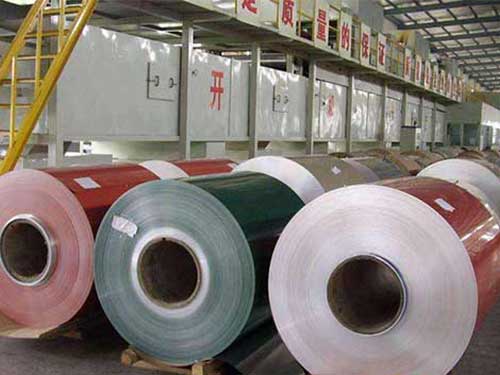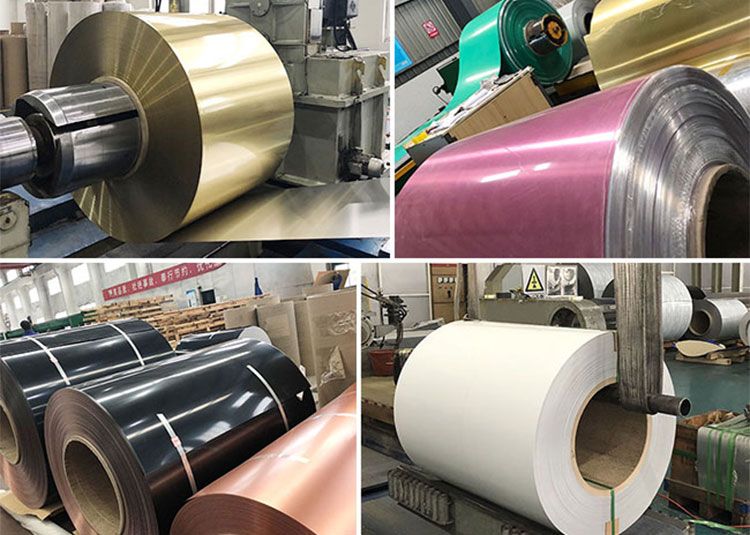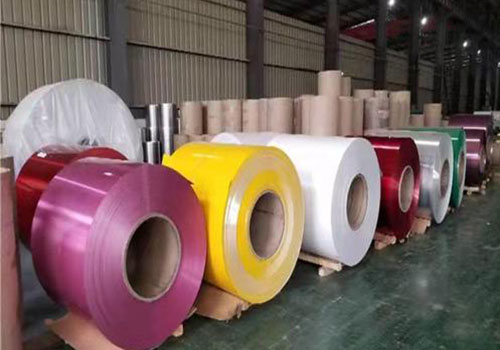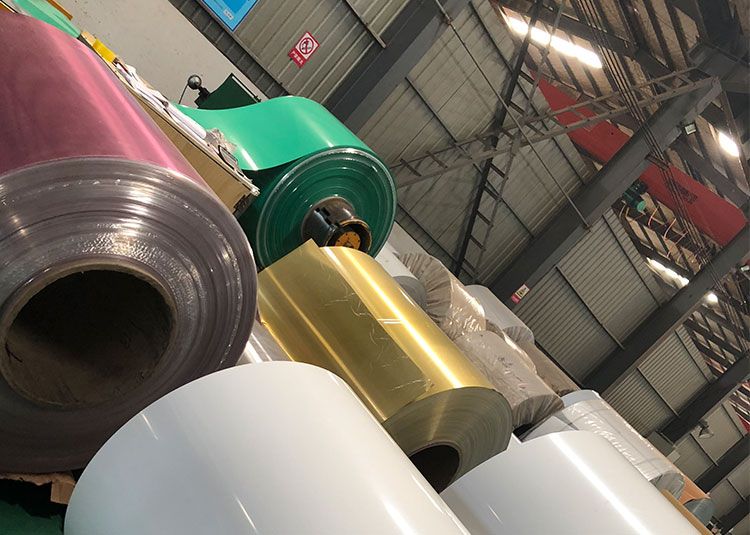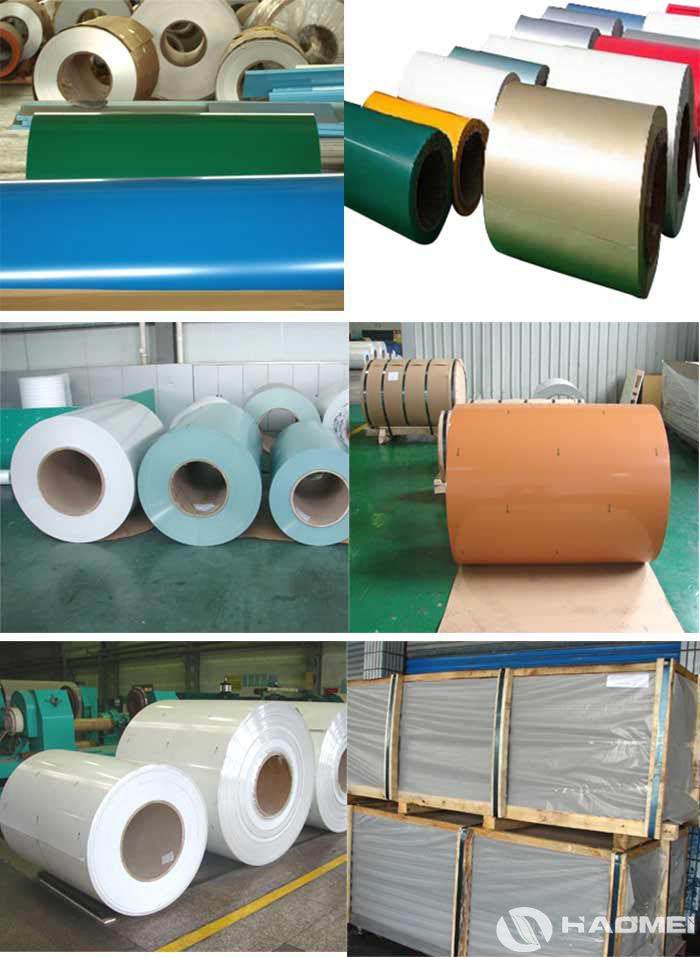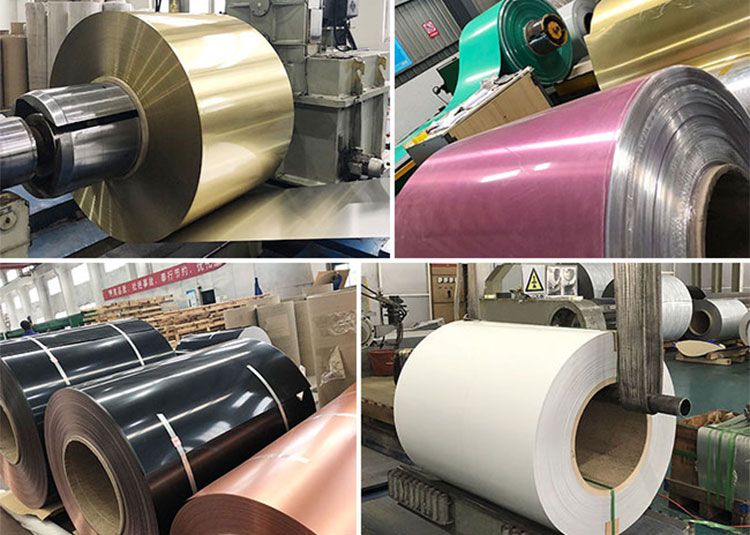
Color coated Aluminum Coil 3005 in 0.4mm, 0.5mm, and 0.6mm thickness is a practical, high-value material designed for lightweight cladding, roofing, ceiling systems, and exterior architectural skins where appearance, corrosion resistance, and formability must work together. Built on an Al–Mn alloy base, 3005 offers stronger performance than pure aluminum while retaining excellent bendability-making it a dependable choice for roll forming and complex fabrication.
Compared with heavier gauge metal sheets, these thin gauges deliver fast processing, lower structural load, and high coverage efficiency. With a factory-applied coating system (typically PE, SMP, PVDF, or HDP), the coil arrives ready for forming and installation, helping projects control color consistency and reduce on-site finishing risks.
What Makes 3005 Color Coated Coil Different
3005 is a manganese-bearing aluminum alloy with moderate strength and strong corrosion resistance, particularly valuable in humid, industrial, or coastal-adjacent environments when paired with an appropriate coating and pretreatment. In thicknesses like 0.4/0.5/0.6mm, the alloy's advantage becomes very noticeable: it resists denting better than softer grades while still forming clean edges and tight radii.
benefits customers typically value include:
- Balanced strength and formability for roll forming, ribbed panels, trims, and cassette systems
- Excellent paint adhesion when properly pretreated, ensuring stable gloss and reduced peeling risk
- Low maintenance aesthetics, with coatings tailored for indoor or outdoor exposure
- Lightweight efficiency, reducing handling effort and lowering transportation cost per square meter
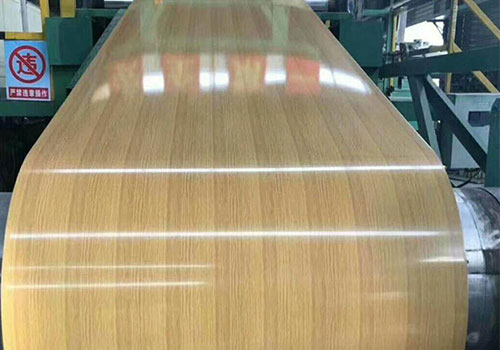
- Color versatility, enabling architectural branding, matching, and modern design effects (matte, metallic, textured)
Chemical Composition (Typical, AA 3005)
The exact chemistry can vary by mill and standard. The table below reflects widely used limits for AA 3005.
| Element | Typical Range (wt.%) | Function in Alloy |
|---|---|---|
| Al | Balance | Base metal, corrosion resistance, low density |
| Mn | 1.0–1.5 | Strengthening, improves resistance to deformation |
| Mg | 0.2–0.6 | Additional strength, supports forming performance |
| Fe | ≤ 0.7 | Controlled impurity; affects toughness if excessive |
| Si | ≤ 0.6 | Controlled impurity; influences surface and formability |
| Cu | ≤ 0.3 | Kept low to maintain corrosion resistance |
| Zn | ≤ 0.25 | Controlled impurity |
| Cr | ≤ 0.1 | Grain structure stability (minor) |
| Ti | ≤ 0.1 | Grain refinement (minor) |
Core Technical Specifications (Coil Supply)
These specifications are commonly requested for procurement and engineering confirmation. Actual availability depends on mill capability and coating line configuration.
| Item | Typical Options / Range |
|---|---|
| Alloy | AA 3005 (Al–Mn–Mg) |
| Temper | H14 / H16 / H24 (common for coated coil applications) |
| Thickness | 0.4mm / 0.5mm / 0.6mm |
| Width | 600–1250mm (other widths available upon request) |
| Coil ID | 405mm / 505mm (typical) |
| Coil OD | Up to ~1200–1600mm (line dependent) |
| Surface Finish | Smooth, stucco embossed, or textured (by request) |
| Color System | RAL / Pantone matching; metallic, matte, woodgrain, stone patterns available |
| Protective Film | Optional PE film for forming/handling protection |
Coating System Options (Performance-Oriented)
The coating system determines weathering behavior, chalking resistance, gloss retention, and overall service life. Selecting the right coating is as important as selecting the alloy.
| Coating Type | Typical Topcoat Thickness | Typical Use Environment | Strength Highlight |
|---|---|---|---|
| PE (Polyester) | 15–20 μm | Indoor, mild outdoor | Cost-effective, good color variety |
| SMP (Silicone Modified Polyester) | 20–25 μm | Outdoor, moderate exposure | Improved durability vs. standard PE |
| PVDF (Fluorocarbon) | 25–30 μm | Outdoor, strong UV exposure | Best-in-class weathering and color stability |
| HDP (High-Durability Polyester) | 25–30 μm | Outdoor, high performance demand | Excellent balance of durability and value |
| Back Coat | 5–10 μm | All | Corrosion protection, adhesion, handling resistance |
Common coating build-ups are designed around a pretreatment + primer + topcoat structure to secure adhesion and corrosion resistance. For applications involving aggressive environments, specifying a higher-performance pretreatment and thicker topcoat is often the most cost-effective life-cycle decision.
Typical Mechanical and Physical Data (Reference)
Values vary by temper, process route, and supplier. Use these as engineering reference points during selection.
| Property | Typical Value / Description |
|---|---|
| Density | ~2.73 g/cm³ |
| Tensile Strength (H14/H24 range) | ~145–200 MPa (typical band) |
| Yield Strength | ~115–170 MPa (typical band) |
| Elongation | ~2–10% (depends on temper and thickness) |
| Forming Behavior | Good for roll forming, bending, light drawing |
| Corrosion Resistance | Very good; enhanced by coating and pretreatment |
Why 0.4mm, 0.5mm, and 0.6mm Are Popular
These gauges are widely used because they sit in the sweet spot between coverage efficiency and functional rigidity.
| Thickness | Practical Strength/Handling Feel | Typical Customer Preference |
|---|---|---|
| 0.4mm | Lightest; excellent for high-volume coverage | Ceilings, interior cladding, decorative panels, fascia |
| 0.5mm | Balanced stiffness and formability | Roofing sheets, wall cladding, general-purpose profiles |
| 0.6mm | More dent resistance and rigidity | Higher-wind areas, longer spans, premium façade systems |
When project requirements involve panel flatness, wind load, or dent resistance, increasing from 0.4mm to 0.5/0.6mm can substantially improve jobsite satisfaction with only a modest weight increase.
Feature Highlights Customers Notice On-Site
| Feature | What It Means in Practice |
|---|---|
| Consistent color across coils | Easier batch matching for large façades and long production runs |
| Stable coating adhesion | Less risk of edge peeling during roll forming and bending |
| Smooth forming behavior | Cleaner profiles, fewer micro-cracks at bends with correct temper selection |
| Corrosion protection system | Lower chance of under-film corrosion when properly installed and sealed |
| Lightweight coils | Faster handling, reduced equipment strain, improved installation speed |
Applications: Where Color Coated 3005 Coil Performs Best
Color coated 3005 in these thin gauges is chosen when projects need good looks that last, without sacrificing manufacturability.
| Application Area | Typical Products Made From Coil | Why 3005 Works Well |
|---|---|---|
| Roofing | Corrugated sheets, standing seam panels, ridge caps | Stronger than pure Al, good weather resistance with PVDF/HDP |
| Wall cladding & façades | Flat sheets, cassette panels, feature walls | Excellent appearance, color stability, light structural load |
| Rainwater systems | Gutters, downspouts, flashings | Corrosion resistance + forming performance |
| Ceiling systems | Clip-in panels, baffles, linear ceilings | Lightweight, clean finish, stable indoor durability |
| Insulated sandwich panels | Outer skins for PIR/PU panels | Coating protects; 0.4–0.6mm common skin thickness |
| Appliance & light industrial covers | Casings, trims, decorative shells | Good surface quality and cost-performance |
For coastal or high-UV regions, pairing 3005 with PVDF (or a proven HDP system) is a frequent specification choice to protect long-term color and gloss.
Selection Notes That Reduce Risk
| Topic | Practical Recommendation |
|---|---|
| Temper selection | Use a temper that supports your forming radius and profile depth; tighter bends favor softer options |
| Coating choice | Indoor projects often use PE; demanding outdoor projects benefit from HDP/SMP/PVDF |
| Edge protection | Ensure proper sealing and installation detail to prevent moisture ingress at cut edges |
| Film protection | Consider PE film if the coil will be roll formed or transported through multiple handling steps |
| Color control | Confirm color standard (RAL/Pantone), gloss range, and allowable ΔE for batch consistency |
Color coated 0.4mm 0.5mm 0.6mm aluminum coil 3005 combines a practical Al–Mn alloy foundation with a durable, design-forward coated surface. It is lightweight, easy to fabricate, and well suited for modern building envelopes, roofing, ceilings, and rainwater systems-especially where projects demand consistent color, reliable forming, and long-term corrosion protection. With the right coating system and temper selection, 3005 color coated coil becomes a fast, dependable material that supports both performance and aesthetics at scale.