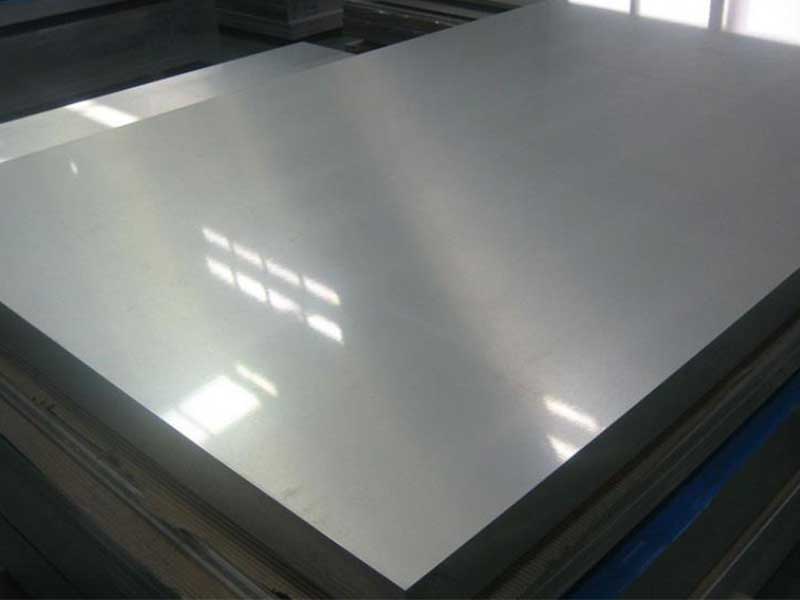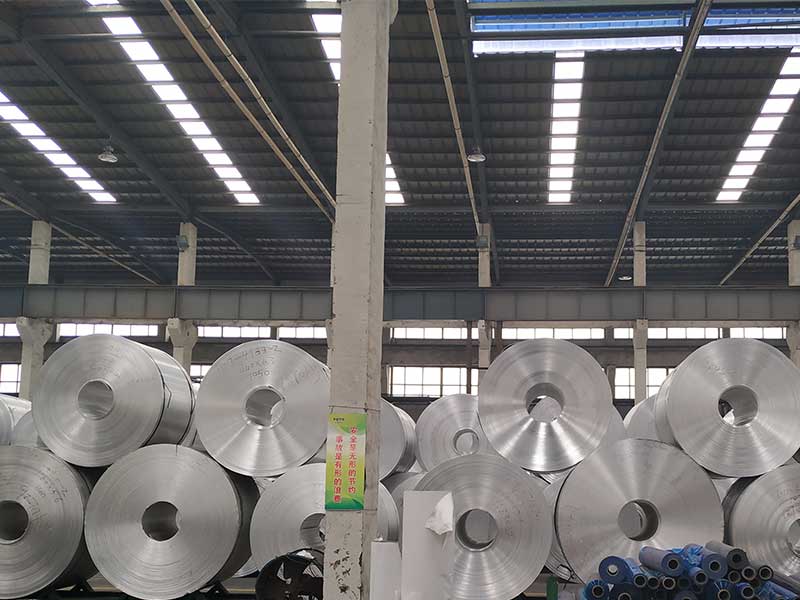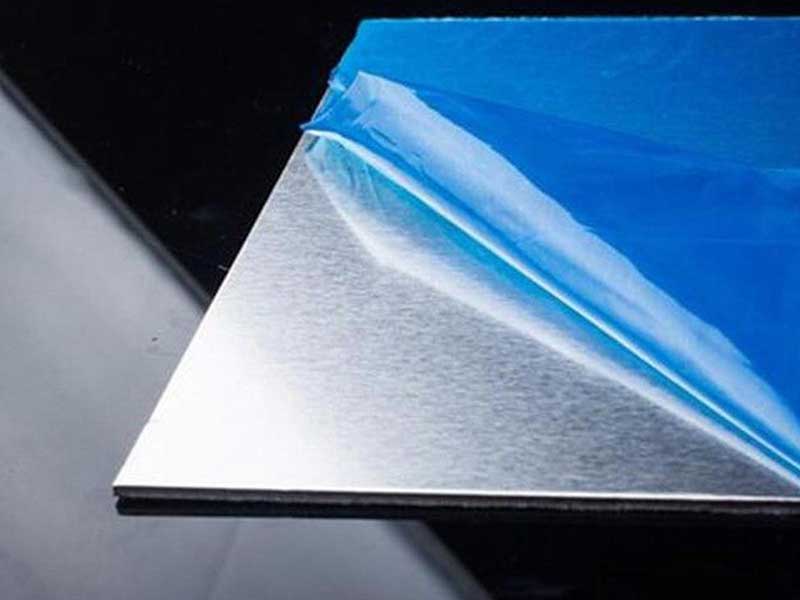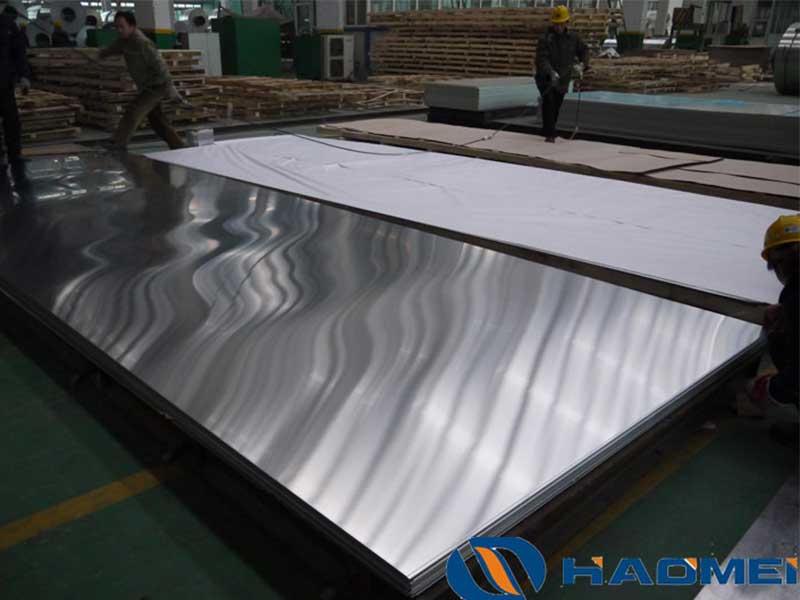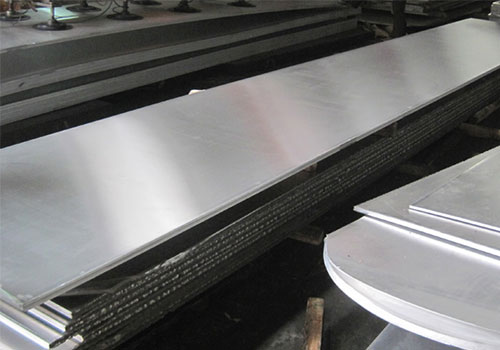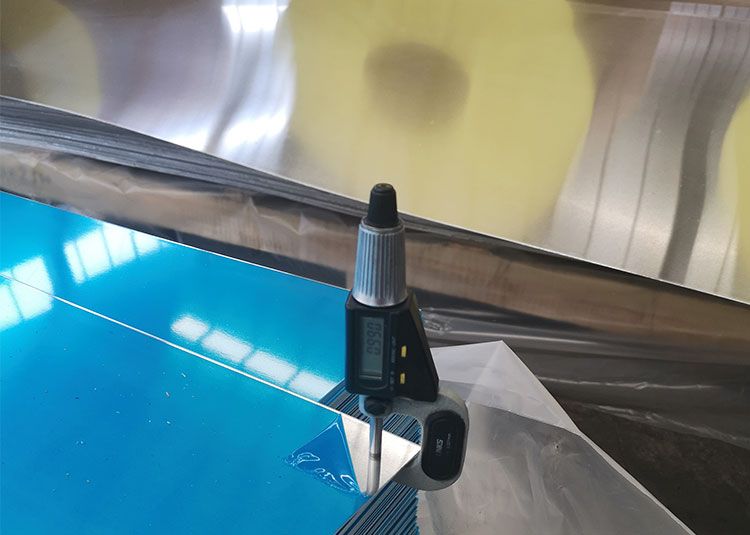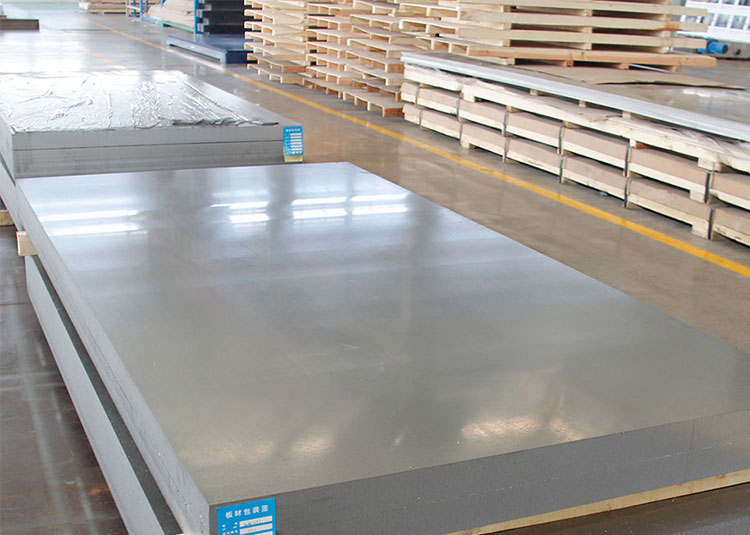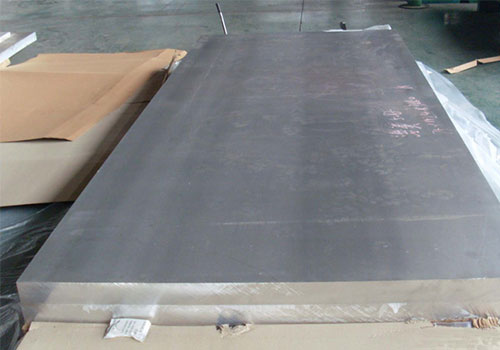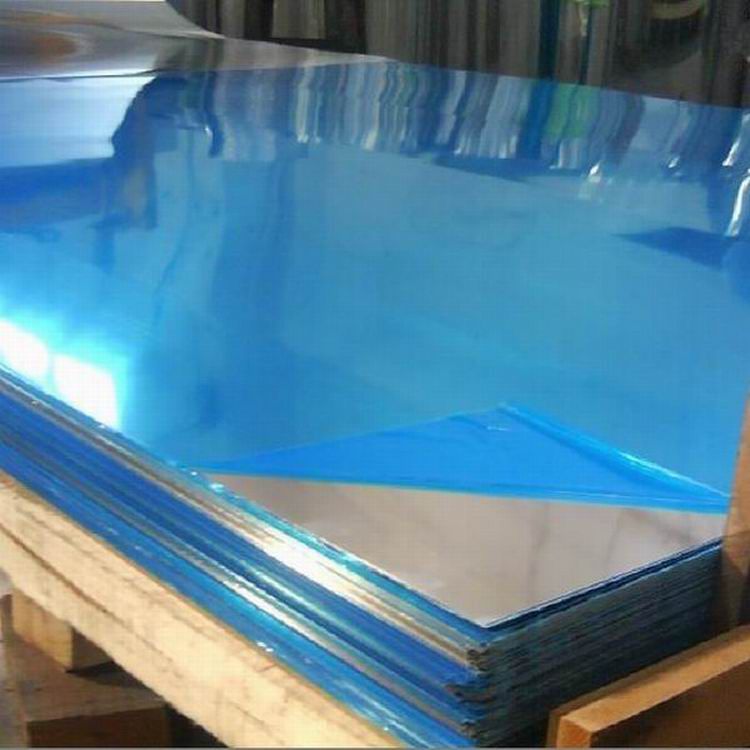

The 0.8mm thick 1060 aluminum sheet is a lightweight, highly formable, and corrosion-resistant material widely used in industries that demand excellent workability and reliable surface quality. As a commercially pure aluminum grade, 1060 aluminum contains a very high aluminum content, giving it outstanding electrical conductivity, thermal conductivity, and resistance to atmospheric corrosion.
For customers looking for a sheet material that is easy to fabricate, cost-effective, and suitable for decorative, industrial, and general-purpose applications, 0.8mm 1060 aluminum sheet is a practical and versatile option.
At a thickness of 0.8mm, this aluminum sheet offers a strong balance between light weight and sufficient rigidity for forming, bending, stamping, and surface finishing. Compared with thicker plates, it is easier to process and more suitable for applications where reduced weight and smooth appearance are priorities.
Main Characteristics
- High aluminum purity
- Excellent corrosion resistance
- Very good ductility and formability
- Good thermal and electrical conductivity
- Smooth surface and attractive finish
- Easy to cut, bend, stamp, and weld
- Economical for large-scale use
What Is 1060 Aluminum?
1060 aluminum belongs to the 1xxx series aluminum alloys, which are known for their high aluminum content. This grade typically contains 99.6% aluminum, making it one of the most commonly used pure aluminum materials in sheet form.
Because of its purity, 1060 aluminum does not offer the strength of alloyed grades such as 3003, 5052, or 6061. However, it performs exceptionally well in applications where conductivity, corrosion resistance, deep drawing, and surface quality are more important than high structural strength.
Chemical Composition
The chemical composition of 1060 aluminum is simple and purity-driven. This makes its behavior predictable during fabrication and finishing.
| Element | Content (%) |
|---|---|
| Aluminum (Al) | 99.60 min |
| Silicon (Si) | 0.25 max |
| Iron (Fe) | 0.35 max |
| Copper (Cu) | 0.05 max |
| Manganese (Mn) | 0.03 max |
| Magnesium (Mg) | 0.03 max |
| Zinc (Zn) | 0.05 max |
| Titanium (Ti) | 0.03 max |
| Others, each | 0.03 max |
| Others, total | 0.10 max |
Technical Specifications
The exact supply range can vary by manufacturer, but the following table reflects common specifications for 0.8mm thick 1060 aluminum sheet.
| Item | Specification |
|---|---|
| Alloy Grade | 1060 |
| Thickness | 0.8 mm |
| Width | 100 mm – 2000 mm |
| Length | 500 mm – 6000 mm |
| Temper | O, H12, H14, H16, H18 |
| Standard | ASTM, EN, GB, JIS |
| Surface Finish | Mill finish, brushed, polished, coated |
| Density | 2.70 g/cm³ |
| Melting Range | Approx. 640–660°C |
Mechanical Properties
Mechanical properties depend heavily on temper. Softer tempers offer better formability, while harder tempers improve rigidity and surface stability.
| Property | O Temper | H14 Temper |
|---|---|---|
| Tensile Strength (MPa) | 60–95 | 95–135 |
| Yield Strength (MPa) | 15–35 | 75 min |
| Elongation (%) | 20–35 | 2–10 |
| Hardness (Approx. HB) | 18–25 | 28–35 |
Note: Values are typical reference data and may vary depending on production process and applicable standards.
Physical and Performance Properties
The physical properties of 1060 aluminum are one of its strongest advantages, especially in thermal and electrical applications.
| Property | Typical Value |
|---|---|
| Density | 2.70 g/cm³ |
| Electrical Conductivity | ~61% IACS |
| Thermal Conductivity | 220–235 W/m·K |
| Coefficient of Thermal Expansion | 23.6 × 10⁻⁶ /K |
| Specific Heat Capacity | ~900 J/kg·K |
| Reflectivity | High |
| Corrosion Resistance | Excellent |
Features of 0.8mm Thick 1060 Aluminum Sheet
1. Excellent Formability
One of the biggest strengths of 1060 aluminum sheet is its outstanding ductility. At 0.8mm thickness, the material can be bent, rolled, stamped, and deep-drawn with ease. This makes it suitable for manufacturing components with complex shapes or fine surface details.
2. Lightweight but Practical
With a density of only 2.70 g/cm³, aluminum is much lighter than steel. A 0.8mm sheet helps reduce total product weight while still providing enough body for cladding, panels, covers, and enclosures.
3. Superior Corrosion Resistance
1060 aluminum naturally forms a protective oxide film on its surface, allowing it to resist oxidation and corrosion in many indoor and outdoor environments. This feature lowers maintenance costs and extends service life.
4. Good Conductivity
Due to its high aluminum purity, 1060 sheet offers excellent electrical and thermal conductivity. This is especially valuable in electrical equipment, heat-transfer components, lighting systems, and reflective applications.
5. Clean Surface Quality
The sheet can be supplied with a smooth mill finish or upgraded to brushed, polished, embossed, or coated surfaces. Its attractive appearance makes it suitable for both industrial and decorative uses.
Common Applications
Because of its combination of formability, conductivity, and corrosion resistance, 0.8mm thick 1060 aluminum sheet is used in a wide range of industries.
| Industry | Typical Applications |
|---|---|
| Construction | Interior panels, ceiling systems, decorative trims, wall cladding |
| Electrical | Bus components, conductive plates, transformer shells, battery casings |
| HVAC & Thermal | Heat shields, insulation jackets, heat transfer panels |
| Lighting | Reflectors, lamp housings, decorative lighting parts |
| Household Products | Kitchen panels, appliance covers, cookware components |
| Signage & Decoration | Advertising boards, nameplates, display panels |
| Transportation | Interior trim parts, lightweight covers, non-structural panels |
| General Fabrication | Stamped parts, protective covers, machine outer panels |
Benefits for Customers
Choosing 0.8mm 1060 aluminum sheet brings several practical benefits to manufacturers, fabricators, and project buyers.
| Benefit | Customer Value |
|---|---|
| Easy processing | Saves time in cutting, bending, and forming |
| Cost-effective | Lower material and fabrication cost for many applications |
| Low weight | Reduces handling and transportation burden |
| Strong corrosion resistance | Improves durability and lowers maintenance |
| High conductivity | Supports electrical and thermal performance needs |
| Good appearance | Suitable for visible and decorative surfaces |
| Material consistency | Helps ensure stable production quality |
Surface Treatment Options
To meet different aesthetic and functional requirements, 0.8mm 1060 aluminum sheet can be further processed with various surface treatments.
| Surface Option | Features | Typical Use |
|---|---|---|
| Mill Finish | Natural industrial surface | General fabrication |
| Brushed Finish | Fine linear texture | Decoration, appliances |
| Polished Finish | High reflectivity | Lighting, trim panels |
| Anodized | Improved surface protection | Architectural and decorative use |
| Color Coated | Enhanced appearance and weatherability | Signs, interior design |
| Embossed | Patterned surface, improved rigidity | Decorative and anti-slip uses |
Processing and Fabrication Notes
For buyers planning production, 1060 aluminum is known for being user-friendly in workshop conditions.
| Process | Suitability |
|---|---|
| Cutting | Excellent |
| Bending | Excellent |
| Stamping | Excellent |
| Deep Drawing | Excellent |
| Welding | Good |
| Machining | Fair |
| Anodizing | Good |
| Polishing | Excellent |
Because 1060 aluminum is relatively soft, it is ideal for forming operations but should be selected carefully when high wear resistance or structural strength is required.
How It Compares to Other Aluminum Alloys
| Alloy | Main Advantage | Limitation Compared with 1060 |
|---|---|---|
| 1060 | Purity, conductivity, formability | Lower strength |
| 3003 | Better strength, good corrosion resistance | Lower conductivity |
| 5052 | Higher strength, better marine performance | Less formable, higher cost |
| 6061 | Structural strength, machinability | Less suitable for deep forming and surface finishing |
If your project prioritizes conductivity, softness, corrosion resistance, and easy forming, 1060 is often the better choice.
Why Choose 0.8mm Thickness?
The 0.8mm thickness is especially popular because it sits in a useful middle range: thin enough for flexible fabrication, yet thick enough to maintain dimensional stability in many finished products.
This thickness is often selected for:
- Decorative panels
- Electrical enclosures
- Appliance covers
- Sign boards
- Reflective components
- Insulation outer layers
- Lightweight fabricated parts