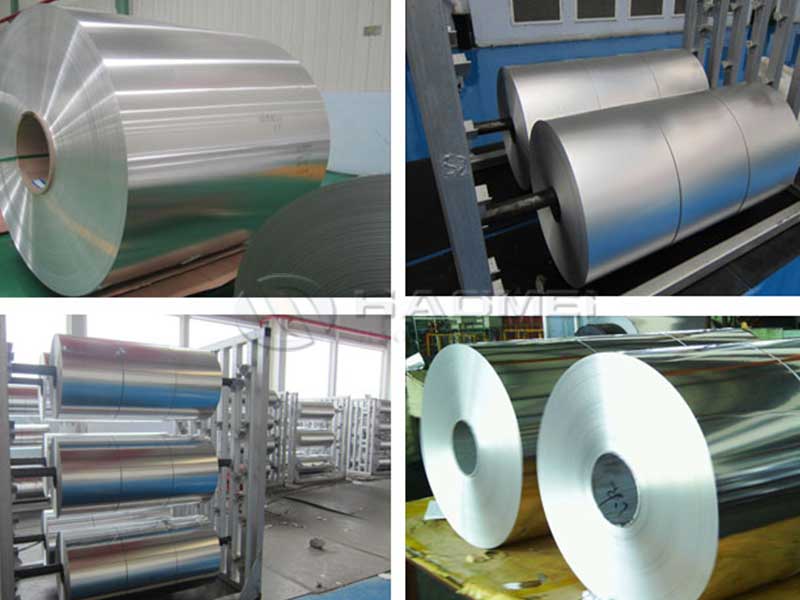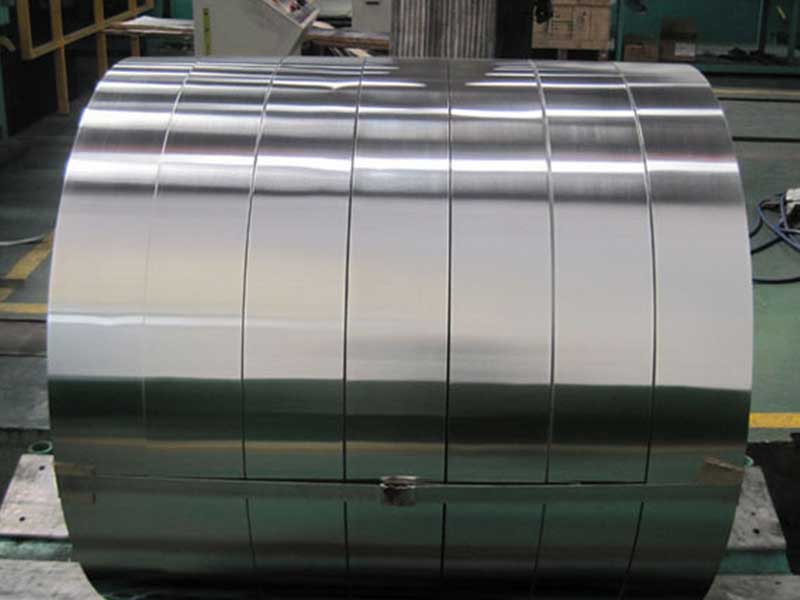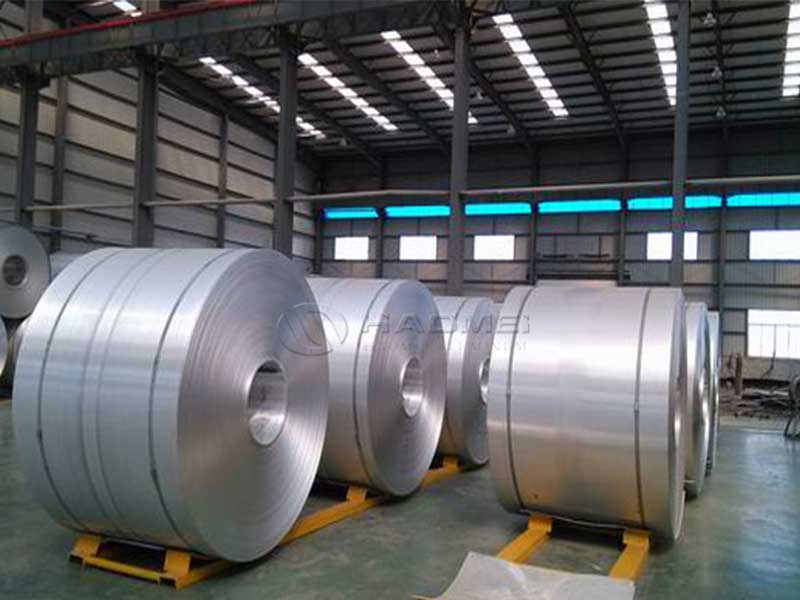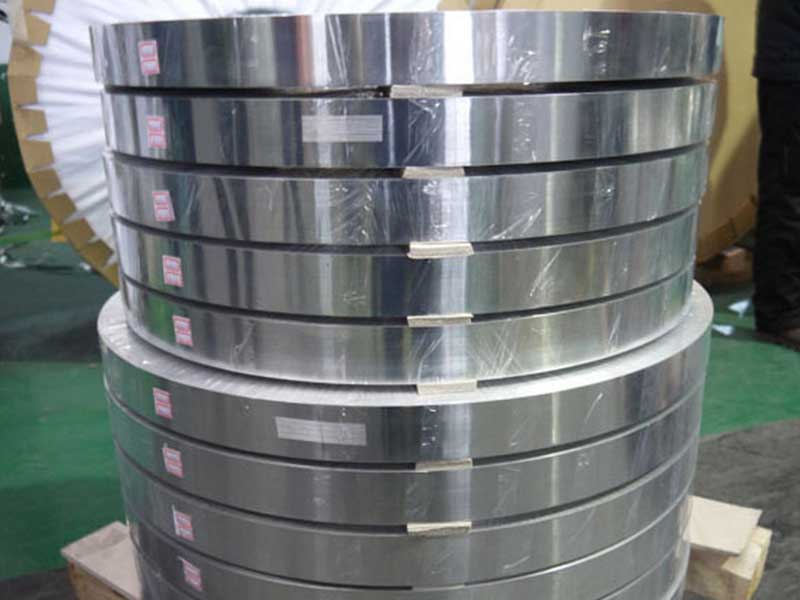

Slit aluminum fin strip is a highly practical material for modern heat sink manufacturing, especially where thermal efficiency, dimensional accuracy, and flexible design are critical. Produced from aluminum coil and processed through precision slitting, this fin strip offers tight width tolerances, clean edges, and excellent formability for a wide range of cooling components. It is widely used in electronics, power modules, LED systems, automotive thermal management, battery cooling assemblies, and industrial equipment.
For customers looking for a lightweight, corrosion-resistant, and thermally conductive material that can be cut to custom dimensions, slit aluminum fin strip is an efficient and economical choice. Its value lies not only in the aluminum alloy itself, but also in the precision cutting process that allows consistent strip geometry for downstream stamping, folding, fin forming, and assembly.
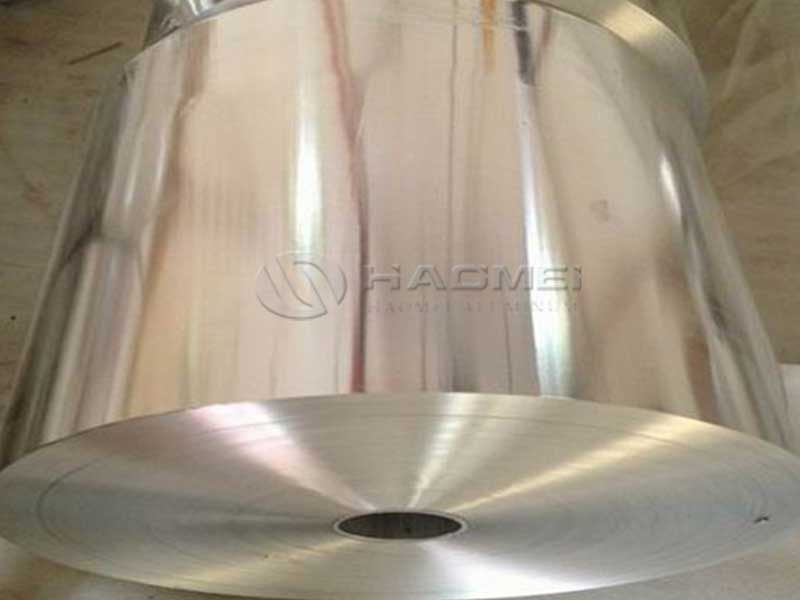
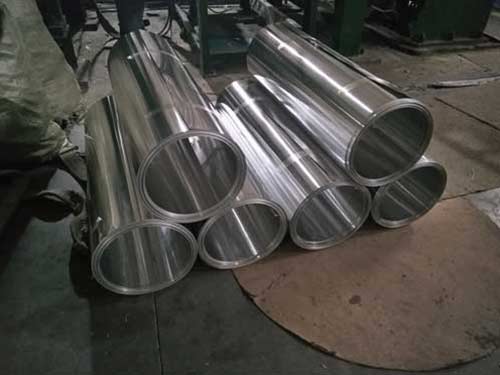
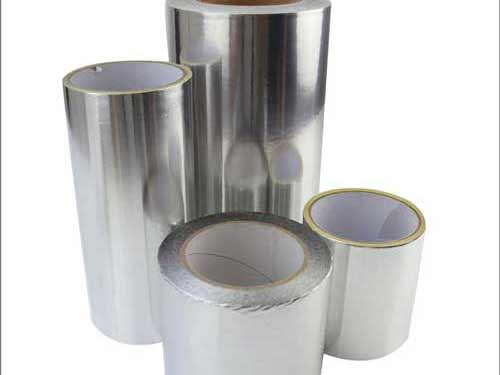
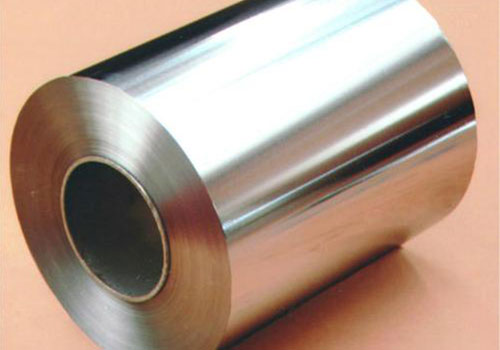
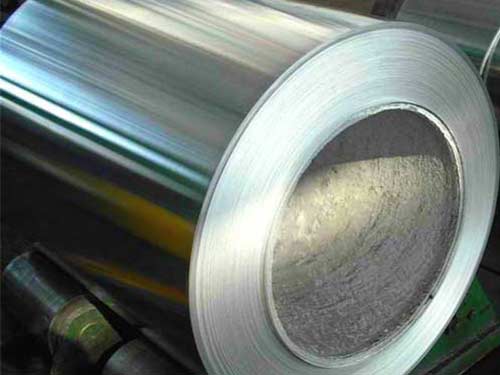
Slit aluminum fin strip is typically manufactured by taking flat-rolled aluminum coil and cutting it into narrower strips according to the required width. These strips are then supplied for heat sink fin fabrication, folded fin structures, bonded fin assemblies, or other custom cooling profiles.
Compared with wider sheet or coil stock, slit strip improves processing efficiency because the material is delivered closer to the final working size. This reduces scrap, shortens setup time, and improves consistency in automated production lines.
Product Advantages
| Feature | Customer Benefit |
|---|---|
| High thermal conductivity | Supports rapid heat transfer in heat sink systems |
| Precision slitting | Ensures accurate width, stable fit, and reduced downstream trimming |
| Smooth surface finish | Improves appearance and supports coating, bonding, or further forming |
| Good formability | Suitable for bending, folding, stamping, and fin shaping |
| Lightweight aluminum structure | Helps reduce overall equipment weight |
| Corrosion resistance | Extends service life in indoor and moderate outdoor environments |
| Custom dimensions available | Meets unique thermal design and installation needs |
| Recyclable material | Supports sustainable manufacturing goals |
Why Aluminum Fin Strip Is Preferred for Heat Sink Applications
Heat sinks depend on surface area, thermal conductivity, and efficient airflow. Aluminum is one of the most widely used materials in this field because it balances heat dissipation performance with low density and competitive cost. When supplied in slit strip form, aluminum becomes even more suitable for precision heat sink production.
The material can be used to create straight fins, wave fins, folded fins, bonded fins, and other custom heat-dissipation structures. Its adaptability makes it ideal for both high-volume standardized production and small-batch customized engineering designs.
Performance Characteristics for Heat Sink Use
| Property | Typical Benefit in Application |
|---|---|
| Thermal conductivity | Allows heat to move quickly away from the source |
| Low density | Reduces the weight of electronic and mechanical assemblies |
| Good machinability | Enables efficient punching, slitting, shearing, and forming |
| Surface treatment compatibility | Supports anodizing, coating, and adhesive bonding |
| Stable dimensional control | Important for compact, high-density cooling modules |
| Fatigue and structural reliability | Useful in equipment subject to vibration or thermal cycling |
Common Aluminum Alloys for Fin Strip
Different alloys are selected based on the balance required between thermal conductivity, strength, and formability. For many fin applications, commercially pure aluminum or low-alloy aluminum grades are preferred because of their excellent heat transfer characteristics.
Typical Chemical Composition
| Alloy | Si (%) | Fe (%) | Cu (%) | Mn (%) | Mg (%) | Zn (%) | Al (%) |
|---|---|---|---|---|---|---|---|
| 1050 | ≤0.25 | ≤0.40 | ≤0.05 | ≤0.05 | ≤0.05 | ≤0.05 | Balance |
| 1060 | ≤0.25 | ≤0.35 | ≤0.05 | ≤0.03 | ≤0.03 | ≤0.05 | Balance |
| 1070 | ≤0.20 | ≤0.25 | ≤0.04 | ≤0.03 | ≤0.03 | ≤0.04 | Balance |
| 1100 | Si+Fe ≤0.95 | - | 0.05–0.20 | ≤0.05 | - | ≤0.10 | Balance |
| 3003 | ≤0.60 | ≤0.70 | 0.05–0.20 | 1.0–1.5 | - | ≤0.10 | Balance |
Alloy Selection Guide
| Alloy | Main Characteristic | Typical Use in Heat Sink Parts |
|---|---|---|
| 1050 | High purity, good conductivity | General heat transfer fins |
| 1060 | Excellent conductivity and formability | Precision fin strip for electronics |
| 1070 | Very high aluminum content | Applications requiring enhanced thermal transfer |
| 1100 | Good workability and corrosion resistance | Light-duty cooling structures |
| 3003 | Better strength with good formability | Structural fins and formed cooling parts |
Technical Specifications
The exact specifications of slit aluminum fin strip depend on alloy, temper, and customer design. Precision slitting allows manufacturers to offer narrow-width products with stable dimensions and good edge quality.
Typical Product Specifications
| Parameter | Typical Range |
|---|---|
| Alloy | 1050, 1060, 1070, 1100, 3003 |
| Temper | O, H14, H16, H18, H24 |
| Thickness | 0.05 mm – 2.00 mm |
| Width | 5 mm – 600 mm |
| Coil ID | 150 mm, 300 mm, 400 mm, 500 mm |
| Coil OD | Up to customer requirement |
| Width tolerance | Usually within ±0.10 mm to ±0.30 mm depending on size |
| Thickness tolerance | According to applicable aluminum coil standard |
| Edge condition | Slit edge, deburred option, clean-cut edge |
| Surface finish | Mill finish, coated, anodizing-ready |
| Supply form | Coil, slit coil, cut length strip |
Typical Mechanical Properties
| Alloy / Temper | Tensile Strength (MPa) | Yield Strength (MPa) | Elongation (%) |
|---|---|---|---|
| 1050 O | 55–95 | ≥20 | ≥25 |
| 1060 O | 60–95 | ≥15 | ≥25 |
| 1100 O | 75–110 | ≥25 | ≥20 |
| 3003 O | 95–130 | ≥35 | ≥20 |
| 3003 H14 | 120–160 | ≥95 | ≥3 |
Precision Cutting for Custom Designs
One of the most important selling points of slit aluminum fin strip is precision cutting. In heat sink production, even small dimensional deviations can affect fin spacing, airflow paths, assembly alignment, and thermal performance. Precision slitting helps solve these issues by delivering uniform strip widths and repeatable quality from coil to coil.
For custom designs, slit strip can be tailored to the exact fin width required by the customer's forming or stamping process. This is especially valuable in compact electronic systems where the heat sink must fit limited installation space while still offering large effective surface area.
Benefits of Precision Slitting
| Precision Cutting Aspect | Value for the Customer |
|---|---|
| Tight strip width control | Improves consistency in automated manufacturing |
| Good edge quality | Reduces burr-related defects and safer handling |
| Reduced scrap rate | Minimizes material waste in secondary processing |
| Better flatness control | Supports accurate forming and bonding |
| Custom coil widths | Matches specific fin geometry and design targets |
| Stable repeatability | Essential for mass production of thermal components |
Surface Quality and Processing Performance
Heat sink fin strip often requires further processing after slitting, such as punching, corrugating, folding, bonding, brazing, or surface coating. Because of this, surface cleanliness and strip integrity are very important.
High-quality slit aluminum fin strip is produced with attention to flatness, edge condition, and surface consistency. A clean and uniform surface helps with adhesive bonding, coating adhesion, and visual appearance in finished products.
Processing Compatibility
| Downstream Process | Suitability |
|---|---|
| Stamping | Excellent |
| Folding | Excellent |
| Roll forming | Excellent |
| Punching | Good to excellent |
| Adhesive bonding | Excellent with proper surface preparation |
| Anodizing | Good, depending on alloy and finish requirements |
| Coating / painting | Good |
| Lamination | Good |
Typical Applications
Slit aluminum fin strip serves a broad range of heat dissipation products. Its flexibility in thickness and width makes it suitable for both standard and custom thermal solutions.
Main Application Areas
| Industry | Typical Application |
|---|---|
| Electronics | CPU heat sinks, PCB cooling parts, power supply heat spreaders |
| LED lighting | LED lamp heat sinks, lighting module fins |
| Automotive | EV battery cooling parts, inverter cooling elements, radiator-related components |
| Telecommunications | Base station cooling systems, communication power equipment |
| Industrial equipment | Drives, converters, control cabinets, welding machines |
| Renewable energy | Solar inverter heat sinks, energy storage cooling systems |
| Home appliances | Power control cooling components, compact thermal plates |
What Customers Should Consider When Choosing Fin Strip
Selecting the right slit aluminum fin strip involves more than choosing an alloy. Customers should evaluate thermal needs, forming requirements, surface finish expectations, and dimensional tolerances.
Selection Factors
| Factor | Why It Matters |
|---|---|
| Alloy grade | Influences conductivity, corrosion resistance, and strength |
| Temper | Affects hardness, flexibility, and forming behavior |
| Thickness | Determines fin stiffness and heat transfer balance |
| Width tolerance | Critical for precision assembly and fin spacing |
| Edge quality | Important for safe handling and clean downstream processing |
| Surface condition | Influences coating, bonding, and final appearance |
| Coil size | Impacts production efficiency and machine compatibility |