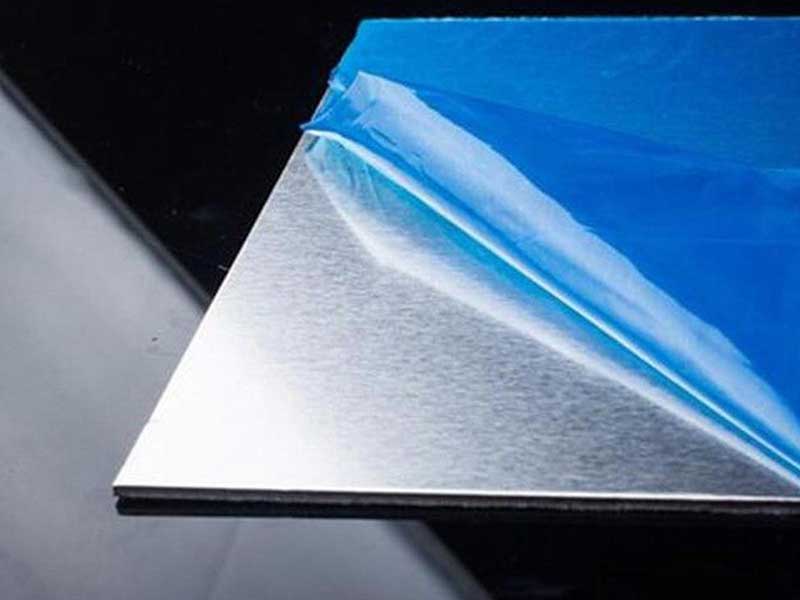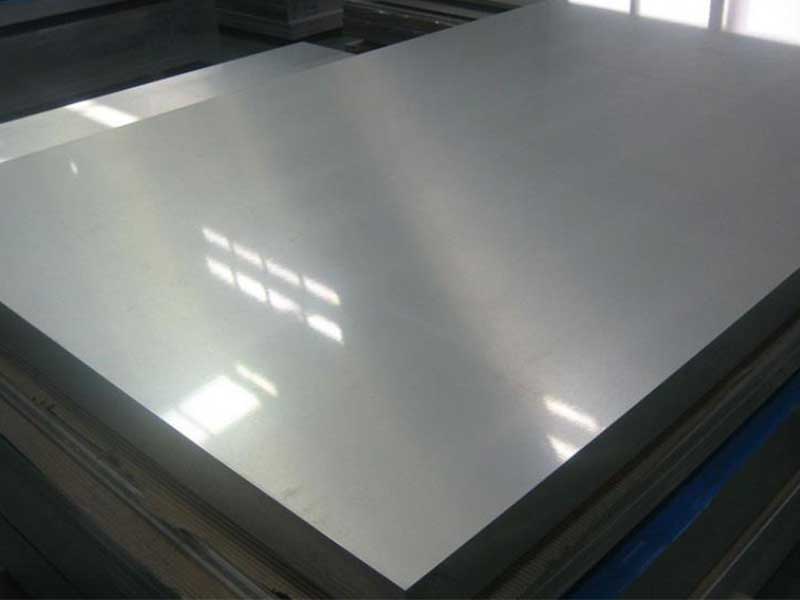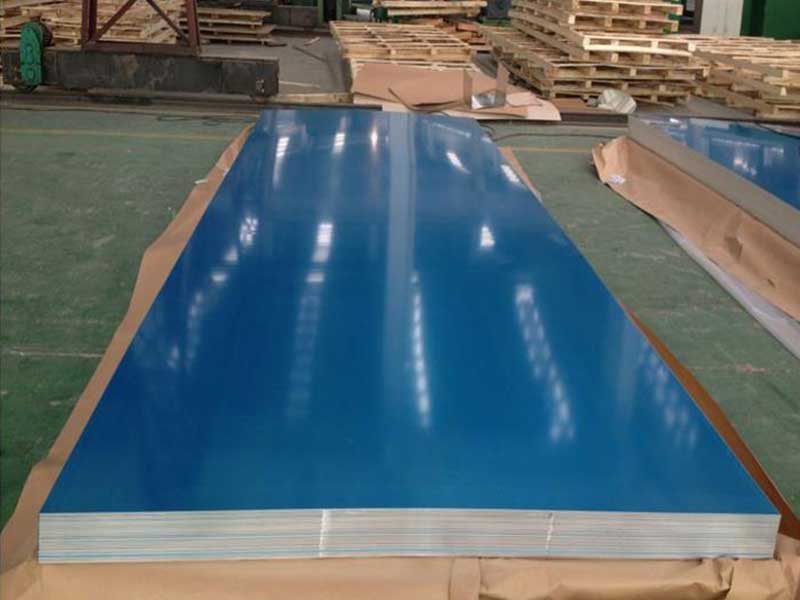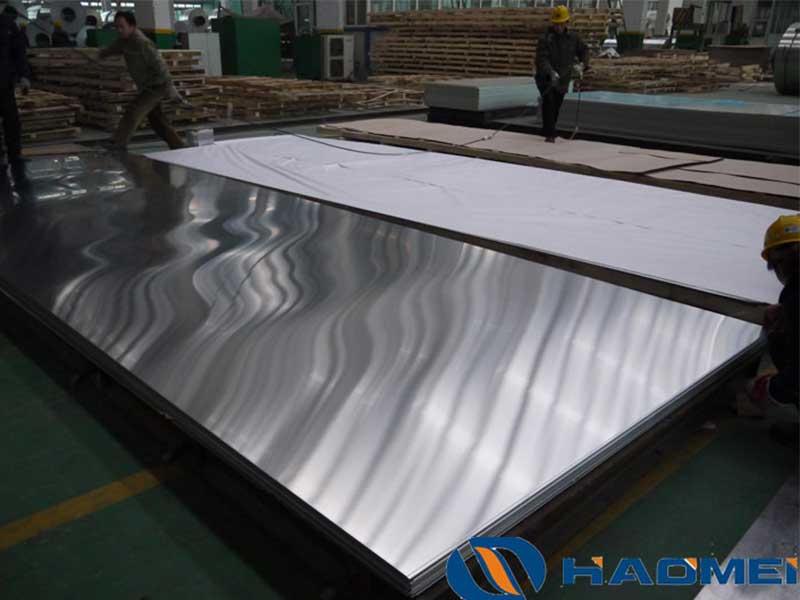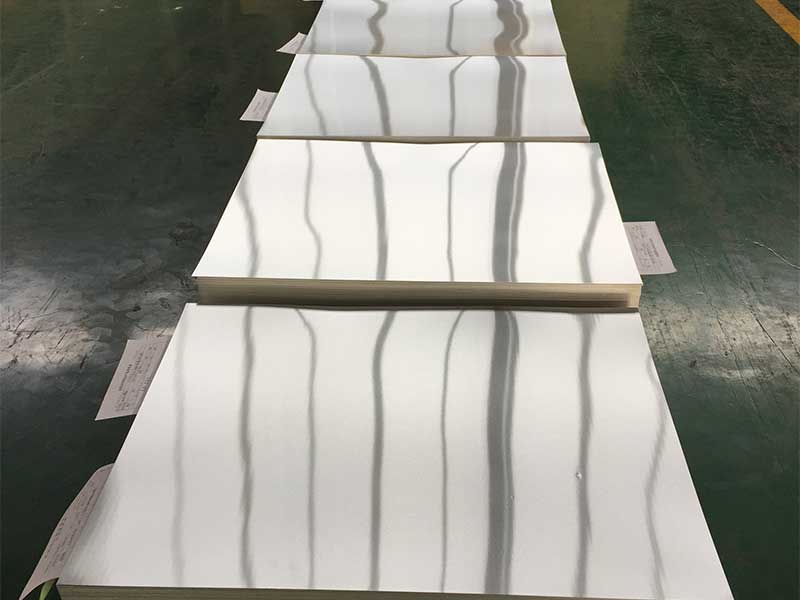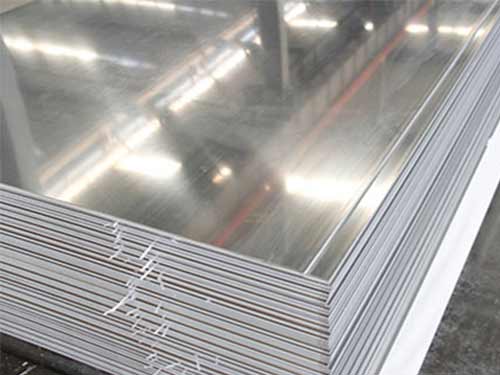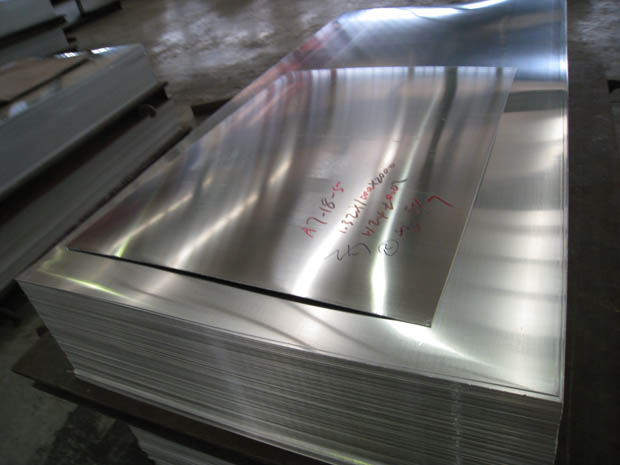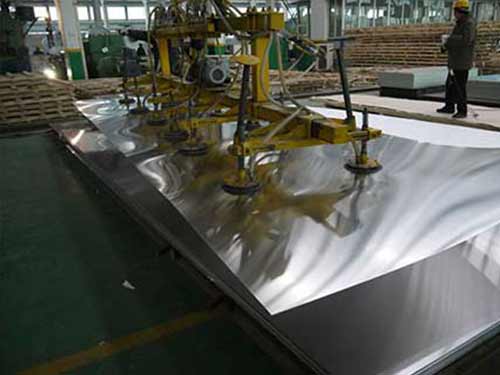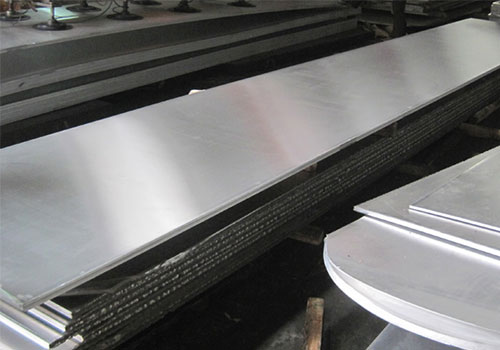

Aluminum plates are widely valued for their lightweight, durability, and superior corrosion resistance. Among various grades, 1050, 1060, and 1100 bright aluminum plates is know for their excellent brightness, high purity, and versatile usage across multiple industries.
These bright aluminum plates are part of the commercial purity or "1000 series" aluminum family. They mainly provide exceptional corrosion resistance, outstanding thermal and electrical conductivity, and excellent formability due to their high aluminum content-typically above 99%. Bright finishing on these plates refers to a polishing or surface treatment process that enhances surface reflectivity, giving these plates a professionally finished, shiny look.
| Alloy | Purity (%) | Main Features | Surface Type |
|---|---|---|---|
| 1050 | 99.5 | Good corrosion resistance, excellent workability and weldability | Bright (Polished) |
| 1060 | 99.6 | Superior thermal & electrical conductivity, high forming ability | Bright (Polished) |
| 1100 | 99.0 min | Highest chemical resistance in 1000 series, high ductility | Bright (Polished) |
Important Functions and Characteristics
These grades are particularly favored where corrosion resistance, ductility, and good surface quality are prerequisites. Their unique bright surface treatment adds aesthetic value, making them ideal for decorative conditions or environments where clean, shiny metal appearances are required.
Functional benefits:
- Excellent corrosion resistance suited to clean indoor or mildly corrosive environments
- High thermal and electrical conductivity suitable for heat exchangers and electrical components
- Elevated ductility permits complex forming and shaping efforts during the manufacturing process
- Bright surface increases reflectivity, making these plates popular in signage, elevator panels, and electronic casings
Typical Applications of 1050, 1060, and 1100 Bright Aluminum Plates
Due to their pure aluminum content and bright finish, these plates find usage in a variety of sectors including:
| Application Area | Details |
|---|---|
| Electrical Industry | Busbars, heat sinks, conductor strips due to excellent conductivity |
| Automotive & Transportation | Interior trims, shielding plates benefiting from lightweight and corrosion resistance |
| Food & Beverage Industry | Food processing equipment, packaging where hygiene and non-toxicity are vital |
| Architecture & Decoration | Wall cladding, elevator color plating, decorative panels using polished, bright surfaces |
| Consumer Electronics | Housings for smartphones, laptops needing lightweight but aesthetically friendly material |
| Chemical Equipment | Tanks, pipes of mild acid environment thanks to high purity resisting chemical damage |
Specifically Regarding Temper Conditions
The difference between 1050, 1060, and 1100 aluminum in forms and functionalities is influenced by tempering/states, which affect hardness and workmanship:
| Alloy | Typical Temper | Description |
|---|---|---|
| 1050 | O, H14 | Annealed (O) and cold worked moderate strength (H14) |
| 1060 | O, H12 | Annealed (O) highly ductile, slightly stronger cold-worked (H12) |
| 1100 | O, H22, H24 | Soft annealed (O) to hardened through cold working (H22,H24) |
Chemical Composition
These alloys have highly similar elemental compositions characterized by high aluminum content, suitable for pure aluminum applications:
| Element | 1050 (%) | 1060 (%) | 1100 (%) |
|---|---|---|---|
| Aluminum (Al) | 99.5 min | 99.6 min | 99.0 min |
| Silicon (Si) | 0.25 max | 0.25 max | 0.95 max |
| Iron (Fe) | 0.4 max | 0.35 max | 0.95 max |
| Copper (Cu) | 0.05 max | 0.05 max | 0.05 max |
| Manganese (Mn) | 0.05 max | 0.05 max | 0.05 max |
| Magnesium (Mg) | 0.03 max | 0.03 max | 0.05 max |
| Zinc (Zn) | 0.05 max | 0.05 max | 0.10 max |
| Titanium (Ti) | 0.03 max | 0.03 max | 0.03 max |
| Others | 0.03 max | 0.03 max | 0.05 max |
Technical Specifications and Standards
These bright aluminum plates conform to global industrial standards to guarantee consistent quality and performance:
| Specification | 1050 | 1060 | 1100 |
|---|---|---|---|
| Standard | ASTM B209, EN 573-3, JIS H4000 | ASTM B209, EN 573-3, JIS H4000 | ASTM B209, EN 573-3, JIS H4000 |
| Thickness Range | 0.2 mm to 200 mm | 0.2 mm to 200 mm | 0.2 mm to 200 mm |
| Width Range | Up to 2000 mm | Up to 2000 mm | Up to 2000 mm |
| Density | 2.71 g/cm³ | 2.71 g/cm³ | 2.71 g/cm³ |
| Tensile Strength | 40-80 MPa (varies with tempers) | 40-90 MPa | 40-111 MPa |
Mechanical Properties
Due to differences in compression, tempering, and microstructure these alloys come in multiple tempers affecting strength and elongation.
| Property | 1050 Alloy O | 1060 Alloy O | 1100 Alloy O | 1100 H24 Temp |
|---|---|---|---|---|
| Tensile Strength (MPa) | 40 - 45 | 40 - 50 | 34 - 48 | 60 - 90 |
| Yield Strength (MPa) | 20 - 30 | 30 - 35 | 19 - 34 | 50 - 70 |
| Elongation (%) | >35 | >30 | >40 | 10 - 30 |
Why Choose Bright Aluminum Plates?
These three alloys primarily increase metal surface quality without compromising inherent purity, malleability, and corrosion performance. Their top attributes include:
- High reflectivity and visual brightness maximizing aesthetics
- Easiness to further coat, paint or anodize owing to good surface quality
- Exceptionally lightweight alternatives suitable for robust yet manageable metal components
- Strong resistance to environmental factors including oxidization & mild chemicals
- Suitable raw material for industry grade roll forming, bending, and drawing processes