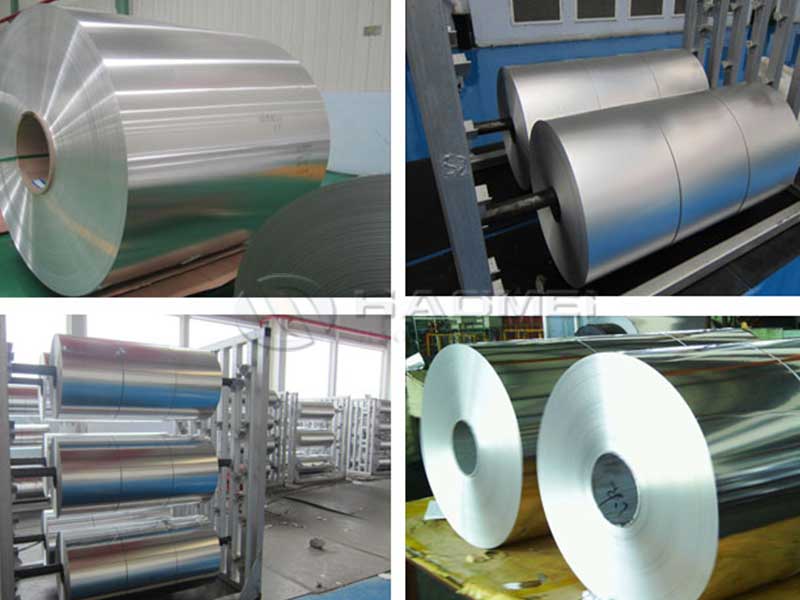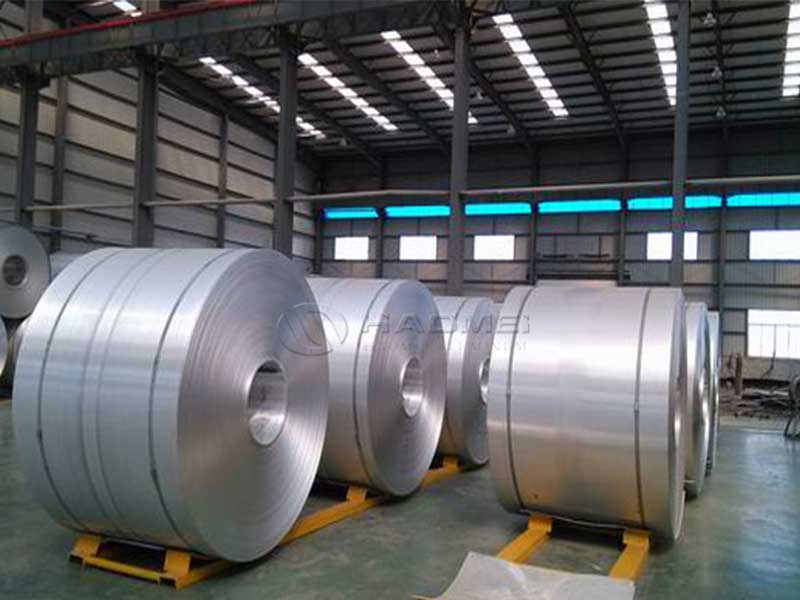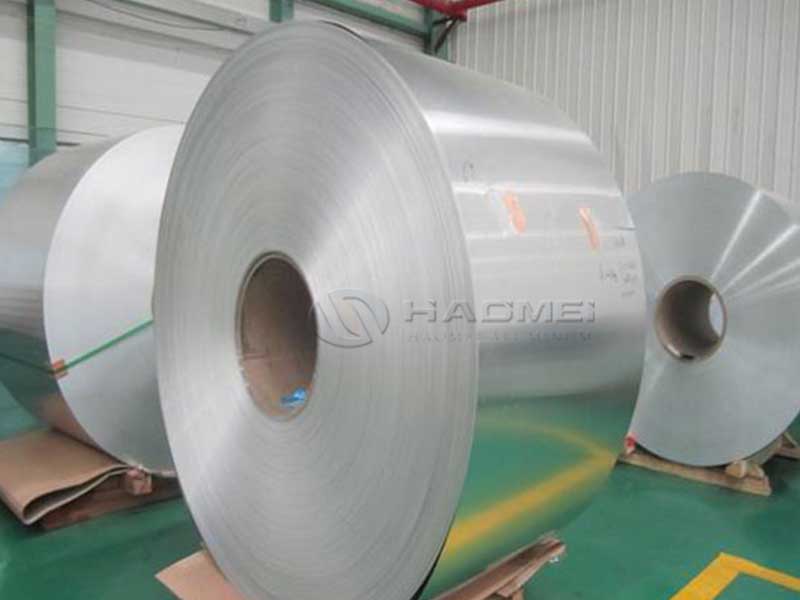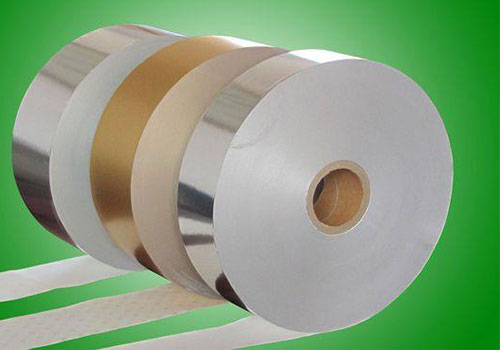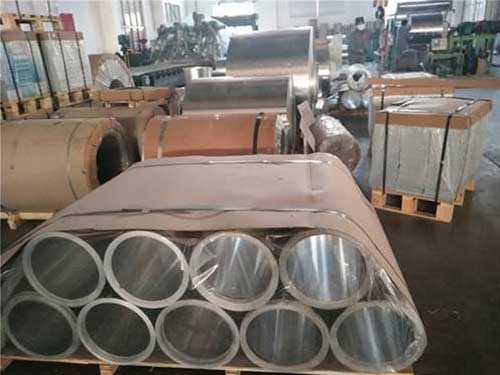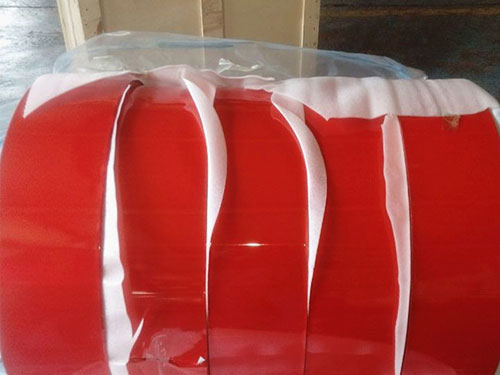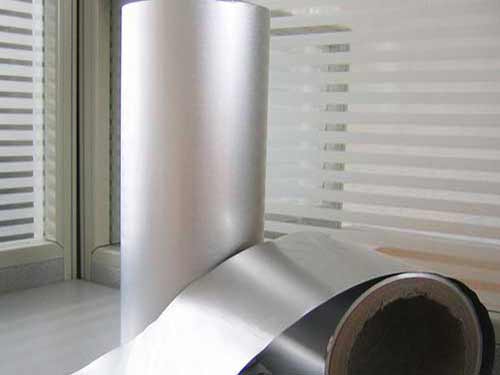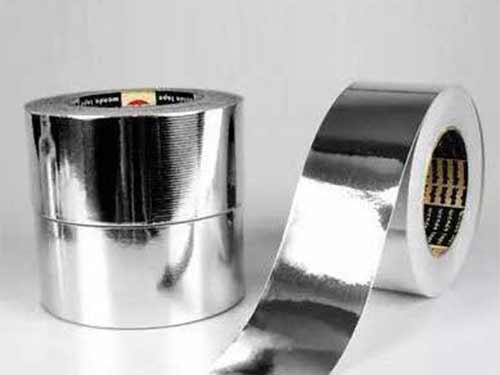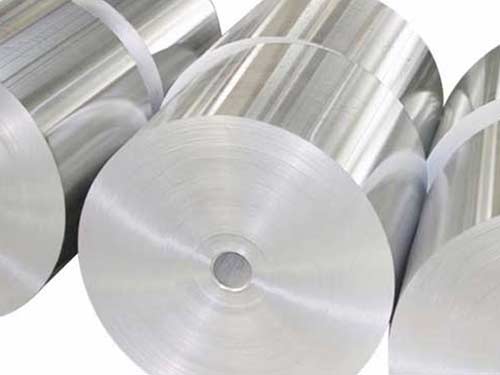

Cold formed laminated alu foil is often introduced as "the best barrier blister," but that description is still too flat for what it actually does. A better way to understand it is as a miniature, engineered vault: a multi-layer composite that turns a thin blister cavity into a controlled micro-environment for drugs that are sensitive to oxygen, moisture, light, and chemical interaction. For high-value, stability-critical pharmaceuticals-such as hygroscopic tablets, light-sensitive APIs, effervescent products, and many antibiotics-this material is not simply packaging. It is part of the drug's protection strategy.
What "cold formed laminated" really means in practice
Unlike thermoformed plastic blisters that rely on heat to shape a polymer sheet, cold forming uses mechanical pressure at room temperature. The aluminum core is forced into a cavity by a punch-and-die set, while surrounding polymer layers protect the metal, enable sealing, and provide printability. Because the cavity is created by deformation rather than melting, the structure can achieve exceptionally low transmission rates for water vapor and oxygen-often considered "near-zero" under typical pharma storage conditions, depending on laminate construction and test method.
This is why cold-formed alu foil is frequently chosen when formulation changes are expensive, shelf-life margins are tight, or global shipping exposes products to repeated humidity and temperature swings.
Functional anatomy: each layer has a job
Cold formed blister foil is typically a laminate of OPA (nylon) / Aluminum / PVC (or PVDC-coated PVC) and sometimes includes specialized adhesive systems and heat-seal lacquers depending on the lidding and sealing requirements.
OPA (or oriented polyamide) acts as the "tough skin." It improves puncture resistance and reduces the risk of pinholes during forming. It also helps distribute stress so the aluminum layer can stretch without cracking.
Aluminum is the "barrier wall." It blocks light completely and creates the decisive barrier against gases and moisture. The effectiveness comes not just from aluminum's inherent impermeability, but also from foil integrity-surface cleanliness, pinhole control, and uniform thickness matter.
PVC (or alternative sealing layers) becomes the "interface layer." It provides forming support, compatibility with sealing lacquers on lidding foil, and process stability on high-speed blister lines.
From a buyer's viewpoint, the value of cold formed laminated alu foil is that the barrier is built-in and non-negotiable. Where plastic blisters can vary widely based on resin, thickness, and humidity history, aluminum-based cold forming brings consistency and predictability.
Applications where cold-form alu becomes the safest choice
Cold formed laminated foil is widely used for products that degrade quickly in the presence of moisture or oxygen, for formulations that must meet strict ICH stability requirements over long shelf lives, and for export packaging into tropical zones (high heat and humidity). It is also a practical solution for unit-dose integrity where patient adherence and anti-tamper expectations are higher.
A distinctive advantage is protection against aroma loss and volatile component exchange. Some drugs and nutraceuticals are not only sensitive to moisture; they can also absorb odors or lose volatile excipients. Aluminum's barrier helps keep the inside "quiet."
parameters customers actually specify
Purchasing and QA teams usually align specifications to production capability and stability targets. Commonly referenced parameters include:
Typical laminate structure thickness (examples used in pharma)
OPA 25 μm / AL 45 μm / PVC 60 μm (often written 25/45/60)
OPA 25 μm / AL 60 μm / PVC 60 μm for deeper draw or higher robustness
Other customized thicknesses are available depending on forming depth, cavity geometry, and machine capability.
Mechanical and forming-related indicators
Tensile strength and elongation of laminate (in machine and transverse directions)
Puncture resistance and pinhole count (critical for barrier confidence)
Formability or draw depth suitability (depends on tooling, web tension, and laminate design)
Delamination resistance (adhesive bond reliability during forming and sealing)
Barrier-related indicators
Light transmission: effectively zero due to aluminum layer
Water vapor transmission rate and oxygen transmission rate: extremely low for intact foil; the practical goal is maintaining integrity through forming and handling
Seal-related indicators
Heat-seal strength with lidding foil and lacquer system
Sealing window (temperature and dwell time range that produces stable seals)
Compatibility with common lidding foils such as hard temper Al lidding with heat-seal lacquer
Alloy, temper, and why they matter for cold forming
The aluminum layer in cold-formed blister laminate is selected less like "general packaging foil" and more like a forming material. The alloy must tolerate deformation without cracking, while still offering high barrier and consistent gauge.
Common aluminum alloys used include AA 8011 and AA 8079, both known for good formability, stable mechanical performance, and suitability for pharmaceutical foil. Temper is typically in an annealed condition to maximize ductility, commonly O temper. In cold forming, ductility is not a luxury-it is what prevents microcracks that would undermine the barrier.
A practical interpretation: if thermoforming is about shaping plastic, cold forming is about stretching metal safely. That places alloy cleanliness, grain structure, and annealing control at the center of performance.
Implementation standards and compliance expectations
Cold formed laminated alu foil for pharmaceutical blister packs is typically supplied under quality systems aligned with pharmaceutical packaging requirements. Commonly referenced implementation standards and testing frameworks include:
Pharmacopoeia-related expectations for packaging materials in contact with pharmaceuticals, especially regarding extractables, appearance, and cleanliness
ISO 15378 for primary packaging materials for medicinal products, integrating GMP principles
ASTM test methods often used for properties such as tensile strength, seal strength, and pinhole detection (final method selection is commonly agreed with customers)
RoHS and REACH alignment is often requested for broader regulatory assurance, especially in export supply chains
In practice, buyers should confirm which standards are applied in incoming inspection: thickness tolerance, surface quality, pinhole limits, bond strength, and seal performance are typically treated as release-critical.
Typical chemical composition (Aluminum core alloy reference)
Below is a commonly referenced chemical composition range for AA 8011 aluminum foil (percent by weight). Actual supply should be confirmed by mill test certificate and agreed specification.
| Element | Si | Fe | Cu | Mn | Mg | Cr | Zn | Ti | Al |
|---|---|---|---|---|---|---|---|---|---|
| AA 8011 (wt%) | 0.50–0.90 | 0.60–1.00 | ≤0.10 | ≤0.20 | ≤0.05 | ≤0.05 | ≤0.10 | ≤0.08 | Balance |
AA 8079 is also widely used for pharma foil applications and is typically characterized by controlled impurity levels and strong foil integrity performance; composition limits vary by standard and supplier agreement.
What makes it "customer-friendly" on the blister line
Cold formed laminated alu foil is designed to behave predictably under speed. Consistent thickness and coating/adhesive uniformity help reduce web breaks, edge cracking, and cavity defects. The forming process is more demanding than thermoforming in terms of press force and tooling precision, but it rewards that investment with a high-barrier pack that can stabilize sensitive drugs without relying on desiccants, secondary overwraps, or heavy protective cartons.