
6061 / 6063 T6 / T651 Aluminum Sheet: Thinking Like a Fabricator, Not a Datasheet
If you only look at aluminum sheet through the lens of strength numbers, 6061 and 6063 can seem similar: both are aluminum-magnesium-silicon alloys, both respond well to heat treatment, and both show up in structural, transportation, marine-adjacent, and general fabrication work. But customers rarely buy "a chemistry." They buy predictability in bending, clean machining, stable flatness after cutting, and a finish that behaves during anodizing. From that practical viewpoint, 6061 6063 T6 T651 aluminum sheet is less about a grade label and more about choosing how the material will behave in your shop and in your customer's application.
What 6061 and 6063 Really Are (in Shop Terms)
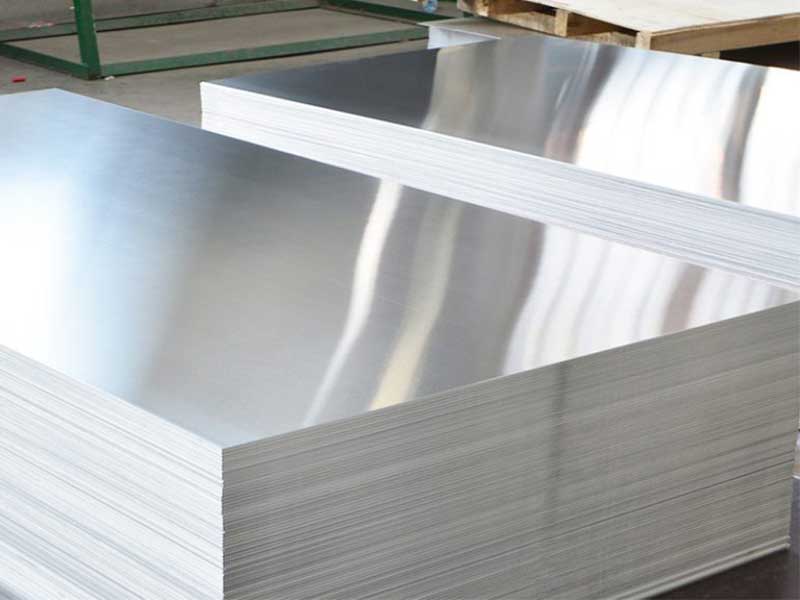
6061 aluminum sheet is the workhorse. It's widely specified, broadly available, strong enough for many structural parts, and forgiving in machining and fabrication. When people say "aluminum plate/sheet for brackets, base plates, frames, fixtures," they often mean 6061.
6063 aluminum sheet is the finish-forward sibling. It's famous for extrusion, but in sheet form it's chosen when surface quality, forming behavior, and anodized appearance matter. It generally has lower strength than 6061, but it can deliver excellent cosmetic results and consistent finishing.
Both are Al-Mg-Si alloys where magnesium and silicon combine to form Mg₂Si precipitates during heat treatment, which is what gives T6 tempers their useful strength.
T6 and T651 Without the Jargon
Temper is the "backstory" of the metal: what was done to it after rolling.
T6 means the sheet has been solution heat-treated and artificially aged. In simple terms, it's been processed to develop a strong, stable precipitation structure. For many parts, T6 is the default choice because it balances strength, corrosion resistance, and machinability.
T651 is T6 plus stress relief by stretching. The difference is not academic. When you cut sheet into smaller parts, especially by sawing, waterjet, or CNC routing, internal stresses can release and cause movement. T651 is chosen when flatness and dimensional stability are part of the requirement, particularly for precision machining or tight-tolerance panels.
A practical way to frame it:
T6 is strong; T651 is strong and calmer.
Parameters Customers Actually Ask About
When sourcing 6061/6063 aluminum sheet in T6 or T651, buyers typically care about these quick parameters:
Thickness range and tolerances
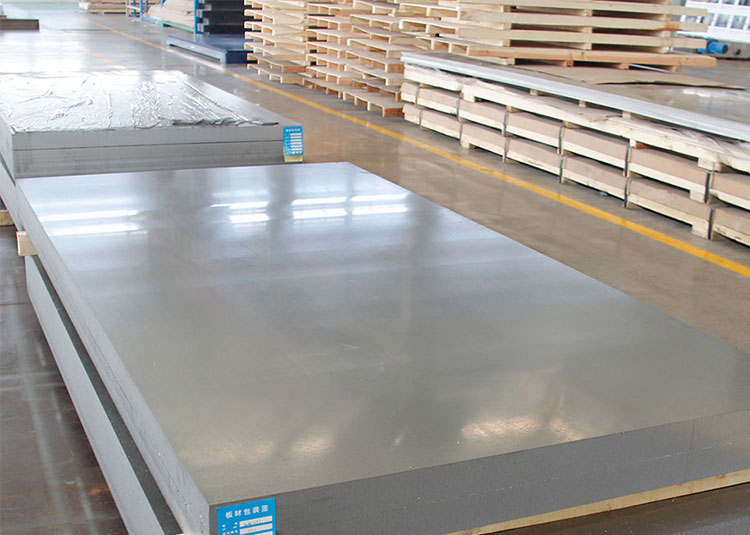
Aluminum sheet is commonly supplied from thin gauges up through heavier "sheet/plate" boundaries depending on the mill definition. Tolerance and flatness often matter as much as thickness. For precision-cut parts, request tolerance class and flatness expectation at inquiry.
Surface condition
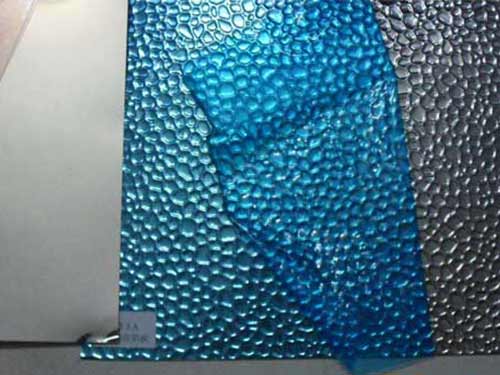
Mill finish is common for general use. For visible parts or anodizing, clarify whether you need a smoother finish, protected film, or tighter cosmetic standards.
Mechanical properties expectations
Typical (not guaranteed unless specified by the standard and thickness) performance trends are:
- 6061-T6/T651: higher strength, good machinability, good general corrosion resistance
- 6063-T6: moderate strength, very good surface finish, excellent anodizing appearance
Weldability
Both alloys weld well, but remember: welding typically softens the heat-affected zone. If post-weld strength is critical, design and process planning matter more than the starting temper.
Implementation Standards and Common Supply References
A professional purchase order usually references a standard to lock in chemistry limits, mechanical property requirements, and inspection expectations.
Commonly used standards include:
- ASTM B209 for aluminum and aluminum-alloy sheet and plate (widely used internationally for sheet/plate procurement)
- EN 485 series for aluminum sheet/plate in many European supply chains
- GB/T 3880 for aluminum and aluminum alloy plates and sheets (common in China-based production and trade)
If you need aerospace-style pedigree, additional requirements may apply, but for most industrial sheet applications, ASTM B209 or an equivalent EN/GB standard plus agreed tolerances is the usual backbone.
Tempering Conditions and Delivery Options That Matter
Beyond T6 and T651, buyers sometimes encounter other tempers, but for this product focus:
- 6061-T6: strong, general-purpose; suitable for many fabricated and machined parts
- 6061-T651: preferred when stability after cutting/machining matters
- 6063-T6: chosen when appearance and finishing are central; strength is typically lower than 6061
Also consider whether the sheet is delivered with PVC protective film, paper interleaving, or special packing for scratch control-especially if the sheet is destined for anodizing or visible panels.
Chemical Composition (Typical Limits) Table
Actual allowable ranges depend on the specific standard and product form, but the following values reflect commonly cited composition limits for these alloys.
6061 Aluminum Alloy Chemical Composition (wt.%)
| Element | Composition |
|---|---|
| Si | 0.40–0.80 |
| Fe | ≤ 0.70 |
| Cu | 0.15–0.40 |
| Mn | ≤ 0.15 |
| Mg | 0.80–1.20 |
| Cr | 0.04–0.35 |
| Zn | ≤ 0.25 |
| Ti | ≤ 0.15 |
| Others (each) | ≤ 0.05 |
| Others (total) | ≤ 0.15 |
| Al | Balance |
6063 Aluminum Alloy Chemical Composition (wt.%)
| Element | Composition |
|---|---|
| Si | 0.20–0.60 |
| Fe | ≤ 0.35 |
| Cu | ≤ 0.10 |
| Mn | ≤ 0.10 |
| Mg | 0.45–0.90 |
| Cr | ≤ 0.10 |
| Zn | ≤ 0.10 |
| Ti | ≤ 0.10 |
| Others (each) | ≤ 0.05 |
| Others (total) | ≤ 0.15 |
| Al | Balance |
How to read this like a buyer: 6061 carries more alloying content aimed at strength and versatility, while 6063 keeps tighter limits on elements like Fe and Cu, which often supports better surface aesthetics and anodizing consistency.
Choosing Between 6061 and 6063: A Distinctive Way to Decide
Instead of asking "Which is stronger?" ask "Where will failure show up first: the structure or the surface?"
Choose 6061-T6/T651 when the part behaves like a component: brackets, support plates, machine bases, mounting panels, jigs, fixtures, transportation hardware, general structural sheet parts. If you're machining pockets, drilling patterns, or doing precision assemblies, T651 often pays for itself by reducing movement and rework.
Choose 6063-T6 when the part behaves like a product: trim panels, decorative architectural elements, anodized covers, visible housings, and designs where uniform finishing is the selling point. It's not "weaker" in a negative sense-it's optimized differently, and in many thin-sheet applications the governing factors are stiffness, geometry, and fastening method rather than ultimate strength.
What to Confirm When You Request a Quote
To make procurement fast and accurate, align the technical and practical details:
- Alloy and temper: 6061-T6, 6061-T651, or 6063-T6
- Thickness, width, length, and tolerance expectations
- Standard requirement: ASTM B209, EN 485, GB/T 3880, or your specified equivalent
- Surface: mill finish, anodizing-grade expectations, protective film needs
- Flatness and cutting method: especially important for T651 or precision parts
- Quantity, packing, and inspection documents (MTC/COA)
The Bottom Line
6061 6063 T6 T651 aluminum sheet isn't just a menu of grades and tempers. It's a toolkit for controlling outcomes: strength, stability, finish, and fabrication confidence. Pick 6061 when performance and versatility drive the design, pick 6063 when the surface is part of the product experience, and pick T651 when you want the sheet to stay flat and cooperative after it meets your cutter.