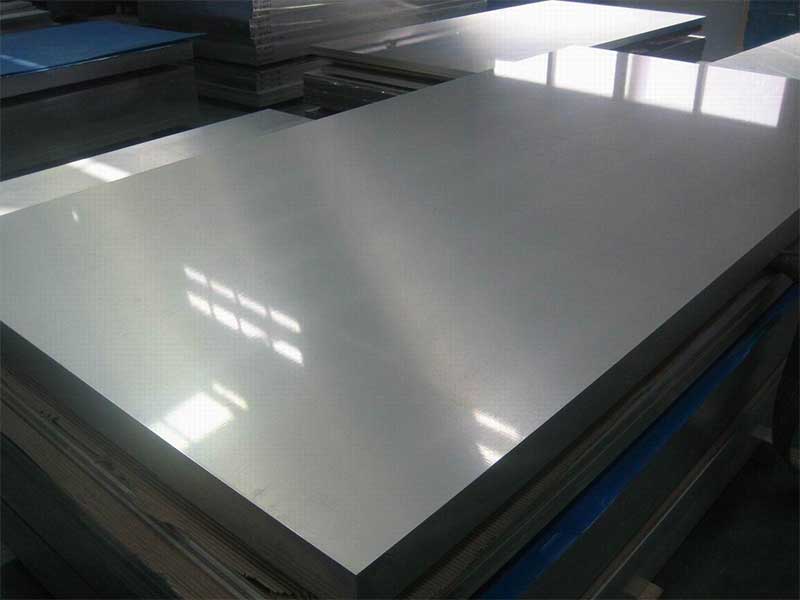

5052 & 5083 Aluminum Sheet for Building: Two Alloys, Two Architectural "Personalities"
In building projects, aluminum sheet often gets treated as a commodity-picked by thickness, price, and availability. But 5052 and 5083 are not interchangeable "silver panels." They behave differently once they become façade skins, curtain wall flashings, soffits, roof edges, wet-area linings, equipment enclosures, or coastal architectural details. A useful way to choose between them is to think like a building does: it lives outdoors, it holds its shape for decades, and it must tolerate moisture, salts, and daily thermal cycling without turning maintenance into a routine.
Both 5052 and 5083 belong to the 5xxx series, which means they are aluminum-magnesium alloys. Their core strength is not only mechanical; it's their natural resistance to corrosion and their reliable performance in real weather. Where they separate is in how much structural "confidence" they bring, how they form, and where their best value shows up.
A distinctive viewpoint: "Form-first" vs "strength-first" building sheet
5052 is often the architect's ally when forming and finishing drive the design. It bends well, it takes a clean surface, and it's widely used for sheet metal work that needs to look precise-trim, flashings, drip edges, formed panels, and interior moisture-prone zones.
5083 is the project's insurance policy when loads, span, impact resistance, or harsh marine exposure are more demanding. It is known for higher strength in non-heat-treatable aluminum sheet, and it's frequently selected when panels are larger, wind loads are higher, or the installation environment is unforgiving.
Neither choice is "better" universally. The smart choice is matching alloy temperament to building reality.
Typical parameters customers care about
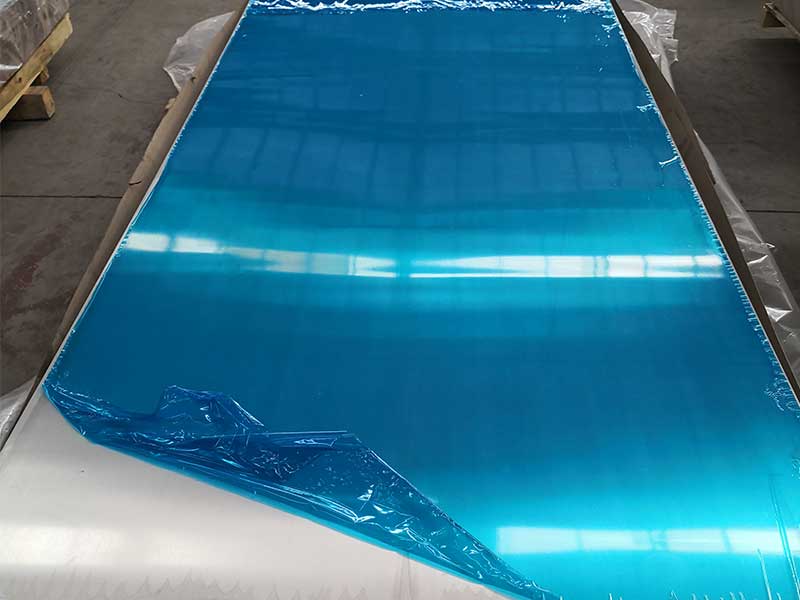
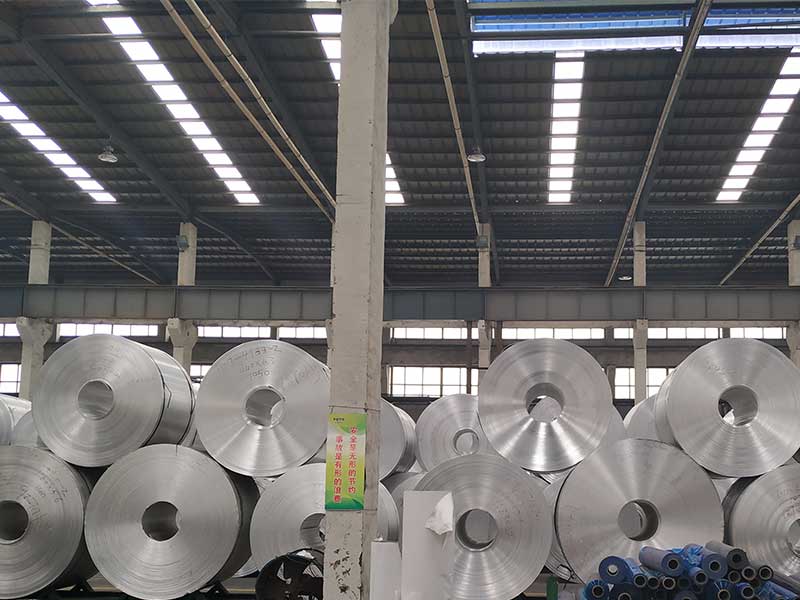
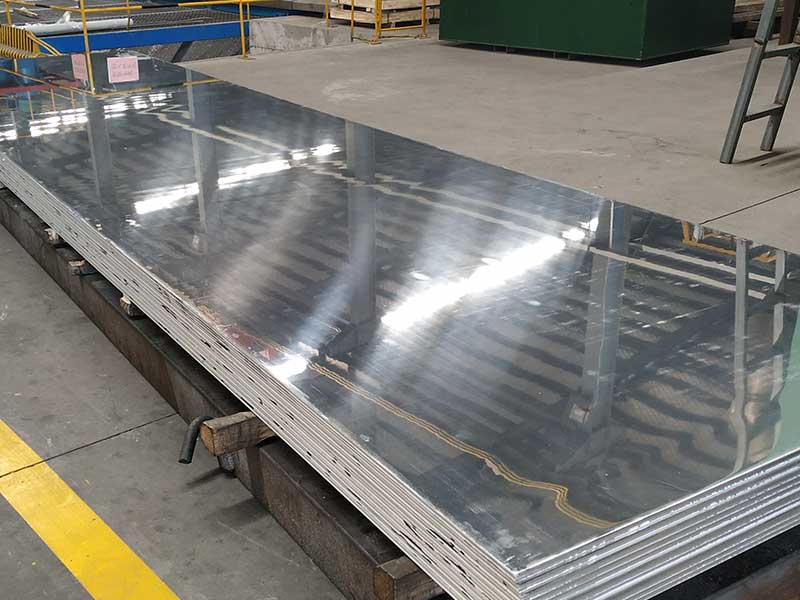
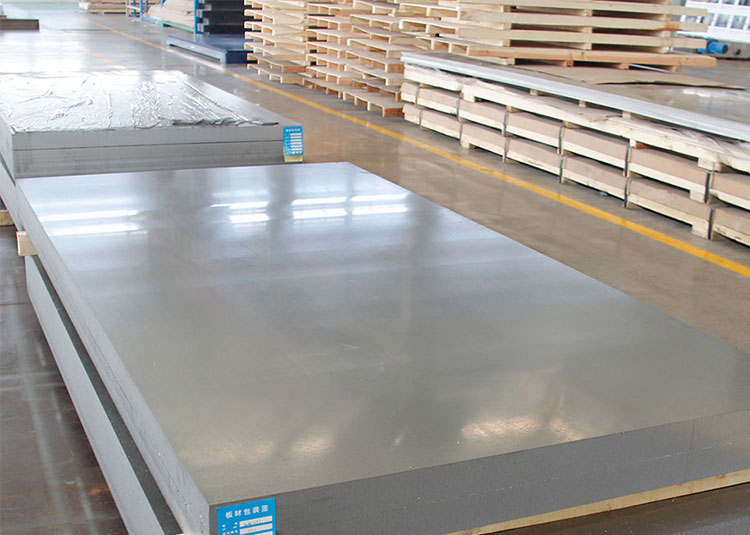
Both alloys are commonly supplied as flat sheet or plate, and can be ordered by thickness, width, length, and surface finish.
Common supply ranges (typical industry capability)
- Thickness: about 0.5–6.0 mm for sheet; thicker gauges may be supplied as plate depending on mill definition
- Width: often up to 2000 mm (wider possible by agreement)
- Length: cut-to-length commonly available
- Surface: mill finish, one-side film, brush finish, PVDF coating base stock (depending on coil/sheet route)
Physical property snapshot (typical)
- Density: approximately 2.66–2.68 g/cm³
- Thermal conductivity: roughly 120–140 W/m·K (varies with temper)
- Electrical conductivity: moderate for aluminum alloys; not typically a selection driver in buildings
- Non-magnetic, excellent recyclability
Temper conditions: how "H" tempers change performance
5052 and 5083 gain strength primarily through strain hardening, not heat treatment. That's why you'll see tempers like H32, H34, H116, or H321 rather than T6.
Common tempers in building usage
- 5052-H32 / H34: a balanced choice for formed building parts; good strength with workable forming
- 5052-O: best formability for deep bending and complex fabrication; lower strength
- 5083-H116 / H321: designed for strong corrosion performance in marine-like exposure and good mechanical stability
- 5083-O: used when maximum formability is needed, then formed and kept at lower strength level
A practical way to read this: if a façade detail needs crisp folds and easier shop forming, 5052-H32 is a frequent default. If you're pushing panel size, resisting denting, or building near saltwater, 5083-H116/H321 is the material many fabricators trust.
Implementation standards and typical compliance language
Building projects often require the sheet to meet recognized chemical and mechanical criteria, plus dimensional tolerances.
Common standards used internationally include:
- ASTM B209: Aluminum and Aluminum-Alloy Sheet and Plate (widely referenced in construction procurement)
- EN 485 series: Aluminum and aluminum alloys-sheet, strip, and plate; mechanical properties and tolerances (common in Europe)
- EN 573: Chemical composition limits for wrought aluminum alloys
- ISO 6361: Wrought aluminum and aluminum alloy sheets, strips, and plates (general specification framework)
For marine-exposed architectural work, 5083-H116/H321 is frequently specified with wording tied to stress corrosion resistance expectations typical of those tempers.
Corrosion behavior: what the building actually "feels"
Both alloys resist atmospheric corrosion very well. The magnesium content supports corrosion resistance, especially compared with many other alloy families. In practice:
- 5052 performs excellently in general outdoor exposure, rainwater runoff zones, and most urban environments. It is a favorite for formed flashings and details because it tolerates fabrication without turning fragile.
- 5083 is especially valued where the environment is aggressively salty, humid, or industrial-think coastal promenades, seaside resorts, ports, or buildings with persistent salt spray. It also tends to keep its structural integrity in harsher service.
For buildings, corrosion is rarely just "rust or no rust." The real enemy is pitting around fasteners, crevice corrosion in trapped moisture zones, and galvanic corrosion when aluminum contacts dissimilar metals. Proper detailing, isolation tapes, compatible fasteners, and drainage paths often matter as much as alloy choice.
Welding and fabrication in construction workflows
If your building project includes welded assemblies-frames, brackets, stiffeners, enclosure seams-both 5052 and 5083 weld well with appropriate filler selection. 5083 is commonly used in welded structures because it maintains strong performance in demanding service.
For bending and forming, 5052 generally feels more forgiving on the shop floor, particularly for tighter radii and repeated forming operations. 5083 can be formed, but it typically prefers more generous bend radii and attentive process control depending on temper and thickness.
Chemical composition table (typical limits per common standards)
Values below reflect widely used composition ranges; exact limits can vary slightly by standard edition and product form. Always confirm against the governing specification in your purchase order.
| Alloy | Mg (%) | Mn (%) | Cr (%) | Si (%) | Fe (%) | Cu (%) | Zn (%) | Ti (%) | Al |
|---|---|---|---|---|---|---|---|---|---|
| 5052 | 2.2–2.8 | ≤0.10 | 0.15–0.35 | ≤0.25 | ≤0.40 | ≤0.10 | ≤0.10 | ≤0.10 | Balance |
| 5083 | 4.0–4.9 | 0.4–1.0 | 0.05–0.25 | ≤0.40 | ≤0.40 | ≤0.10 | ≤0.25 | ≤0.15 | Balance |
Magnesium is the headline difference: 5083 carries more Mg and added Mn for higher strength and robust service performance.
Choosing between 5052 and 5083 for building applications
5052 aluminum sheet tends to shine when
- The part is formed, folded, hemmed, or rolled and needs consistent workability
- You want a reliable balance of corrosion resistance and cost
- The application is architectural trim, flashings, soffits, interior wet-area lining, or general exterior skins with moderate loads
5083 aluminum sheet tends to win when
- Wind load, panel span, stiffness strategy, or dent resistance is a primary concern
- The building is coastal, offshore-adjacent, or exposed to heavy de-icing salts
- The sheet is part of a more demanding assembly or a higher-strength design approach
The takeaway: design with the alloy, not just the thickness
5052 and 5083 are both excellent building aluminum sheets, but they serve different philosophies. 5052 is a "finish-and-form" alloy that helps fabrication look effortless. 5083 is a "strength-and-weather" alloy that quietly protects the project when the environment or loading becomes the real boss.