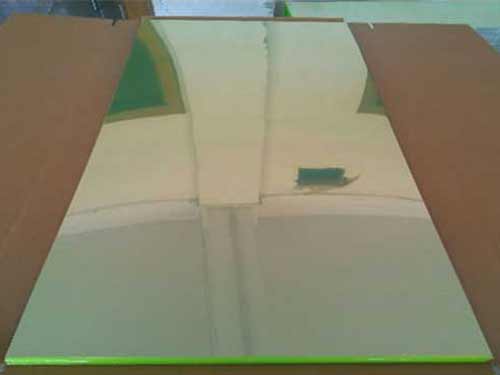

Marine grade aluminum is widely recognized for its superior performance in harsh marine environments. Among the various forms it takes, thick marine grade aluminum plate stands out due to its exceptional strength, corrosion resistance, and versatility.
What is Thick Marine Grade Aluminum Plate?
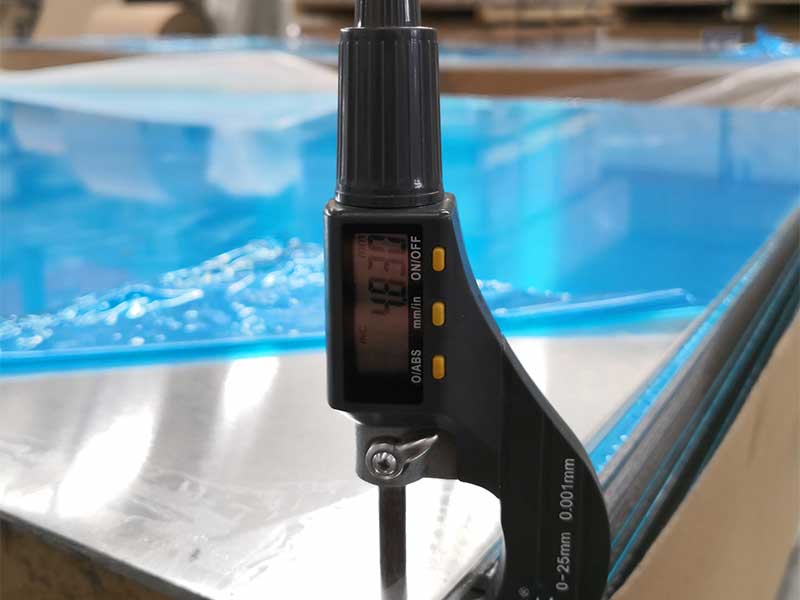
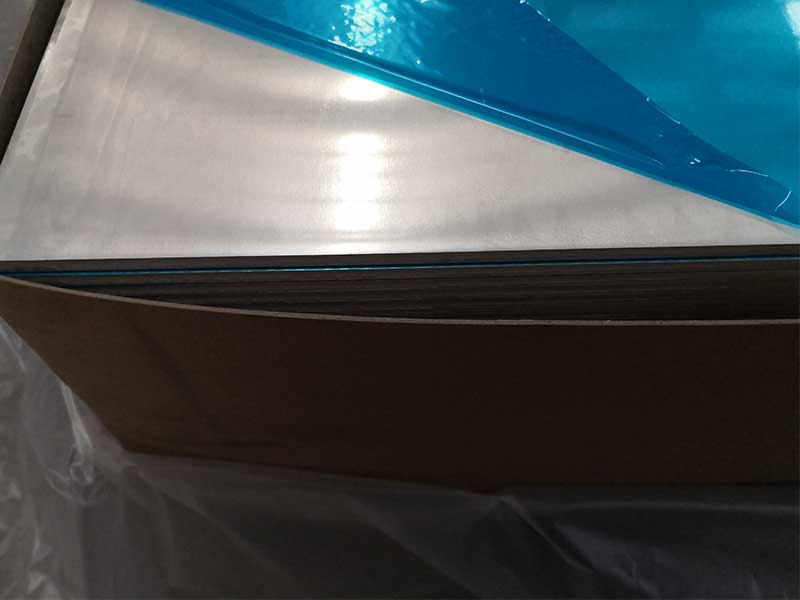
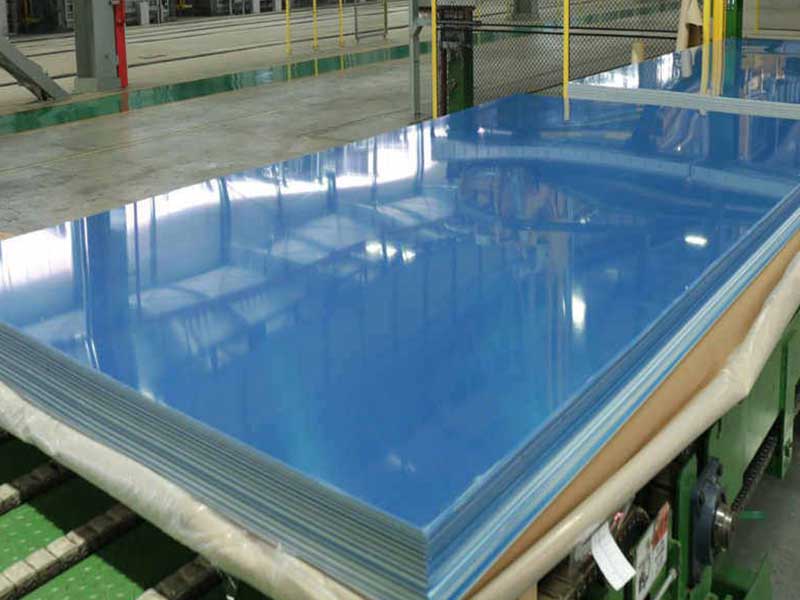
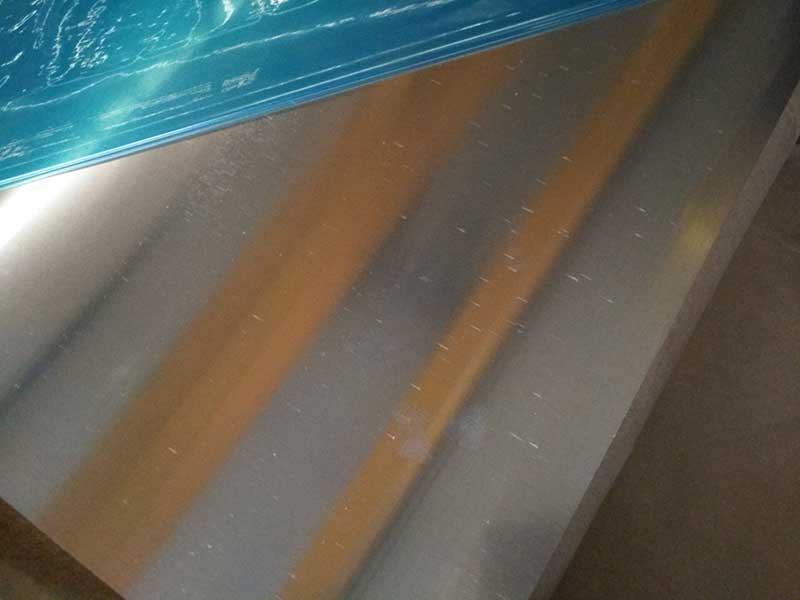
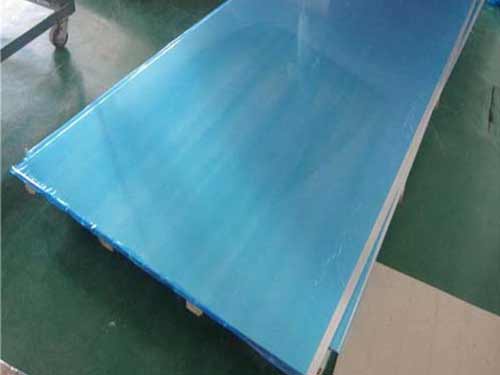
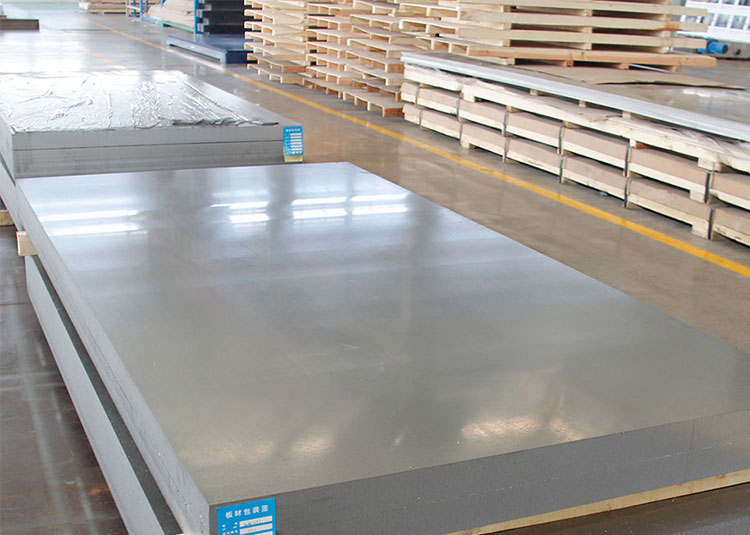
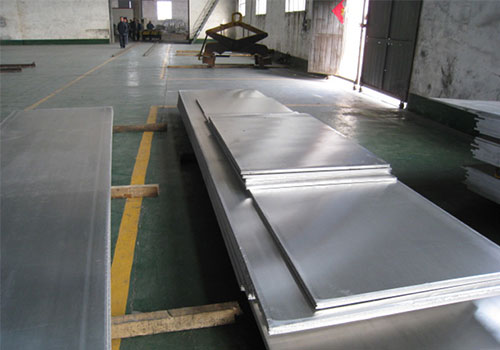
Thick marine grade aluminum plate refers to aluminum sheets of substantial thickness-typically starting from 6 mm and extending up to several hundred millimeters-that are manufactured under stringent standards to meet marine-specific structural and durability requirements. These plates are predominantly used in shipbuilding and offshore structures where strength, longevity, and weight reduction are critical.
Core Functions and Advantages
Durability in Marine Environments
Thick marine aluminum plates are engineered to withstand continuous exposure to seawater, salt spray, and humid climates. The natural oxide layer on aluminum creates a protective barrier that drastically reduces corrosion compared to commonly used steel, especially when treated with anodizing or protective coatings.
High Strength-to-Weight Ratio
These plates provide mechanical strength close to that of steel while weighing significantly less. This advantage is vital in vessel design to improve fuel efficiency, maneuverability, and payload capacity.
Weldability and Fabrication
Aluminum's thermal properties allow thick plates to be welded with ease, creating strong assemblies without sacrificing corrosion resistance. These plates are compatible with various fabrication techniques such as machining, cutting, and bending.
Maintenance Reduction
Marine aluminum plates minimize maintenance costs over a ship's lifespan due to their corrosion resistance and resistance to marine growth. This lowers downtime and operational expenditures.
Applications of Thick Marine Aluminum Plates
Shipbuilding and Boat Manufacturing
Used for hulls, decks, bulkheads, and superstructures, thick marine plates reduce overall vessel weight while maintaining structural integrity.Offshore Platforms and Equipment
Thickness and durability allow reliable construction of oil rigs, docks, and floating platforms exposed to aggressive ocean conditions.Submarine and Underwater Vehicle Hulls
Their reinforced structural strength combined with excellent corrosion resistance suit underwater vehicles operating under extreme pressure.Marine Infrastructure
Employed in piers, railings, ladders, and marine bridges requiring sound resistance to tidal erosion and storms.
Technical Standards and Compliance
| Standard | Description |
|---|---|
| ASTM B928 / B928M | Specification for High Magnesium Marine Aluminum Plate, Sheet and Bar |
| ABS / DNV / LR | Classification society standards for shipbuilding |
| EN 485-2 | European standard for aluminum and aluminum alloy sheets |
| ISO 6361 | Wrought aluminum and aluminum alloy sheets, strip, and plates |
Alloy Composition and Tempering Conditions
Selecting the correct aluminum alloy and temper condition is critical to meeting the mechanical and corrosion impedance expectations for thick marine plates. The 5xxx series aluminum-magnesium alloys dominate this category due to their excellent seawater corrosion resistance and strength capabilities.
Popular Marine Aluminum Alloys and Chemical Composition
| Alloy | Si (%) | Fe (%) | Cu (%) | Mn (%) | Mg (%) | Cr (%) | Zn (%) | Ti (%) | Others (%) |
|---|---|---|---|---|---|---|---|---|---|
| 5083 | 0.4 | 0.4 | 0.1 | 0.4-1.0 | 4.0-4.9 | 0.05-0.25 | 0.25 | 0.15 | 0.05 |
| 5052 | 0.25 | 0.4 | 0.1 | 0.1 | 2.2-2.8 | 0.15 | 0.1 | 0.15 | 0.15 |
| 5086 | 0.4 | 0.5 | 0.1 | 0.2-0.7 | 4.0-4.9 | 0.05-0.25 | 0.1 | 0.15 | 0.05 |
Temper Designations and Properties
| Temper | Description | Mechanical Highlights |
|---|---|---|
| O | Annealed | Maximum ductility, lower strength |
| H116 | As-fabricated for corrosive environments | Good toughness and corrosion resistance |
| H321 | Strain hardened then stabilized | Balanced strength and formability |
Mechanical Properties of Common Thick Marine Grade Plates
Analyzed primarily under ASTM B928 specifications, properties for 6-150mm thick plates typically range as follows:
| Alloy | Temper | Tensile Strength (MPa) | Yield Strength (MPa) | Elongation (%) | Hardness (Brinell, HB) |
|---|---|---|---|---|---|
| 5083 | H116 | 290-330 | 140-240 | 12-18 | 75-85 |
| 5052 | H32 | 230-260 | 110-195 | 12-22 | 60-70 |
| 5086 | H321 | 280-340 | 180-260 | 15-20 | 75-90 |
Physical and Corrosion Resistance Properties
| Property | Value (Approximate) | Importance |
|---|---|---|
| Density | 2.66 g/cm³ | Lower than steel; reduces ship weight |
| Melting Point | 615-650°C | High thermal stability |
| Corrosion Resistance | Excellent in seawater; especially for 5xxx alloys | Minimizes pitting & crevice corrosion |
| Thermal Conductivity | ~130 W/mK | Facilitates heat dissipation in processing |
Thick marine grade aluminum plates are vital materials uniquely tailored to marine environments. Their outstanding corrosion resistance, high strength-to-weight ratio, weldability, and adaptability to thick, large panels make them the material of choice for heavy marine and offshore structural needs.
Employing alloys like 5083 and 5086, produced to meet ASTM, ABS, or DNV standards, ensures materials deliver longevity beneath dynamic marine conditions. These plates achieve an optimum balance of strength and durability without excessive weight - crucial in advancing vessel efficiency and operational safety.
For commercial buyers, shipbuilders, and structural engineers looking for high-quality plates that uphold marine standards while optimizing performance and cost, thick marine aluminum plates remain a cornerstone material deserving close consideration.
Discover more about our specified grades and thickness options by contacting our sales engineering team today, and unlock enhanced marine material performance tailored for your toughest projects.
This content honors industry best practices, encompassing typical grade info referenced as of 2024.