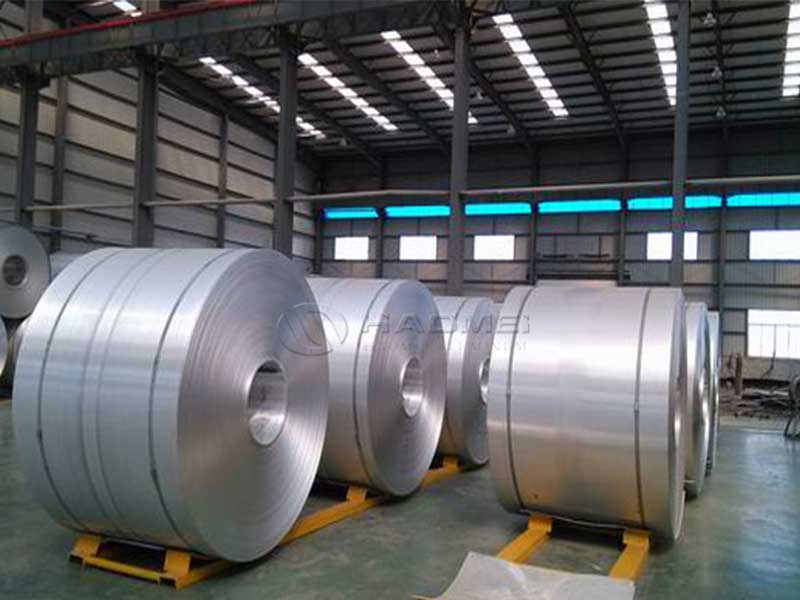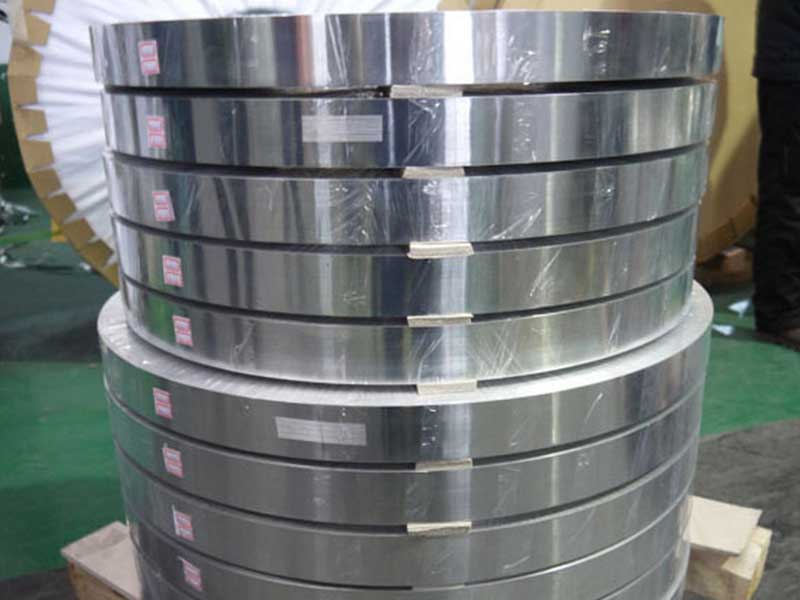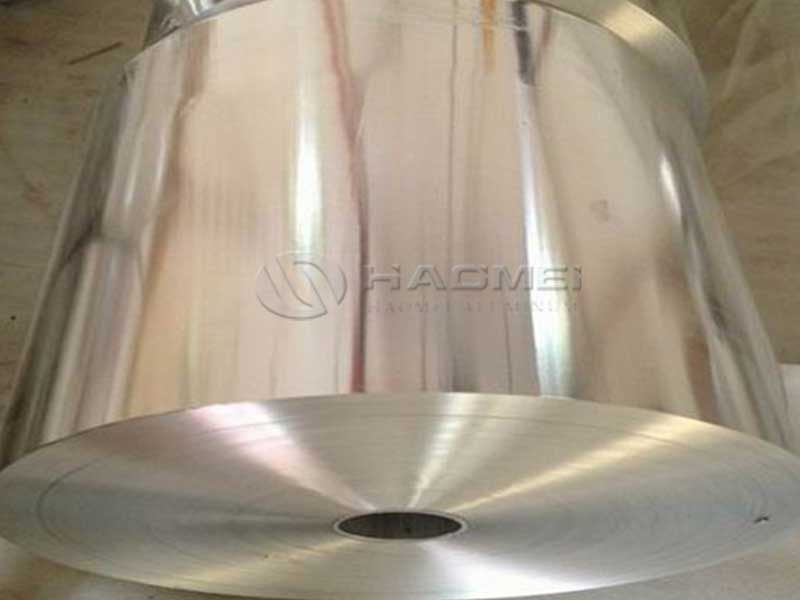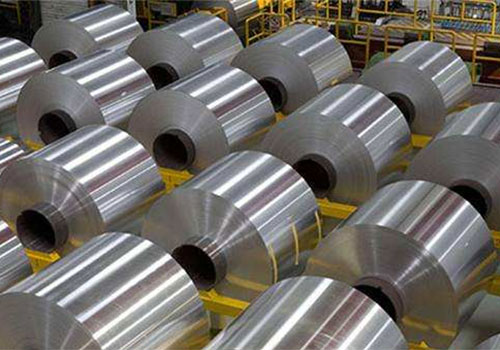

Alu Alu Cold Forming Aluminum Foil for Drug Packaging: Maximum Barrier Protection Seen Through the "Time Capsule" Lens
In pharmaceutical packaging, the real enemy is not just oxygen, moisture, or light-it's time. Every tablet and capsule is a chemical system that wants to drift away from its labeled potency. Alu Alu cold forming aluminum foil (often called "cold-form foil" or "Alu-Alu blister foil") is best understood as a precision-made time capsule: it locks out external variables so the drug inside can remain stable across transport, storage, and climate extremes.
Unlike transparent PVC/PVDC blister films that "negotiate" with the environment using partial barriers, cold-formed aluminum-based laminates shut the door completely. The result is maximum barrier protection for hygroscopic, photosensitive, and oxidation-prone formulations-especially in tropical and high-humidity markets.
What Makes Alu Alu Cold Forming Foil a Maximum Barrier Material
Cold forming foil is a multi-layer laminate where aluminum is the functional barrier core, supported by polymers that enable deep forming and heat sealing. Its performance comes from a simple physical truth: aluminum, when continuous and pinhole-controlled, is essentially impermeable to gases, water vapor, and light. The barrier is not a coating; it's bulk metal.
This makes Alu Alu the packaging choice for products such as:
- Effervescent or moisture-sensitive tablets
- Probiotics and enzyme-based formulations
- High-potency APIs sensitive to oxidation
- Light-sensitive drugs that degrade under UV/visible exposure
- Products requiring long shelf life or multi-climate distribution
Cold Forming vs. Thermoforming: A Distinctive Technical Viewpoint
Thermoformed blisters shape plastic by heating it, then rely on coatings (PVDC, PCTFE) to improve barrier. Cold forming flips the logic: it shapes metal without heat, preserving barrier integrity through a controlled mechanical draw.
From a materials-engineering perspective, cold forming is about managing strain without fracture. Aluminum's crystal structure allows plastic deformation, but only within limits governed by alloy choice, temper, thickness, lubrication, and die design. Cold-form foil is engineered so that the aluminum core stretches into the pocket while maintaining continuity, pinhole resistance, and consistent gauge.
The "magic" is not softness alone-it's the balance between:
- Sufficient ductility to draw deep pockets
- Sufficient strength to survive forming, handling, and sealing
- Surface chemistry tuned for adhesive bonding and printability
- Controlled grain structure to avoid tearing and orange-peel texture
Typical Laminate Structure and Why Each Layer Matters
A common Alu Alu cold form foil structure is:
- OPA (Nylon) / Adhesive / Aluminum / PVC (or PP) sealant layer
OPA provides puncture resistance and helps distribute forming stress. The adhesive ensures cohesive bonding and prevents delamination during forming. Aluminum delivers the barrier. The inner sealant layer creates reliable heat seals to lidding foil, completing the hermetic enclosure.
Common structures used in the market include:
- OPA 25 µm / Al 45–60 µm / PVC 60 µm
- OPA 25 µm / Al 60 µm / PVC 60 µm
- OPA 25 µm / Al 45 µm / PP 50–60 µm (for specific compatibility needs)
Actual selection depends on pocket depth, product sensitivity, and machine capability.
Parameters Buyers Should Specify (and Why They Matter in Practice)
When sourcing Alu Alu cold forming foil for drug packaging, the most meaningful parameters are the ones that affect real-world forming yield and barrier reliability:
Total laminate thickness and aluminum gauge
Aluminum thickness commonly falls in the 40–60 µm range for cold form applications, with heavier gauges improving pinhole resistance and stiffness while reducing achievable draw depth.
Tensile properties and elongation of the aluminum layer
Formability is highly sensitive to elongation and uniformity. Ductility supports deeper pockets; excessive hardness increases cracking risk.
Pinhole control and cleanliness
Barrier "maximum" is only true if pinholes are controlled. Clean rolling, filtration, and surface inspection matter as much as alloy selection.
Surface wetting (dyne level) for printing and lamination
Stable surface energy is essential for ink anchorage and adhesive bonding, especially after forming where microcracks or delamination must be avoided.
Heat-seal compatibility
The sealant layer (PVC or PP) must match the lidding foil's coating system and sealing window.
Alloy Selection and Temper: The Quiet Determinants of Formability
For cold forming aluminum foil, alloy and temper are chosen to deliver ductility under high strain while maintaining a pinhole-resistant barrier.
Common alloy families used for pharmaceutical aluminum foils include
- AA 8011
- AA 8079
Both are widely used in pharma foil because they provide a proven balance of formability, cleanliness, and mechanical behavior at thin gauges.
Typical tempers
- O (annealed) is the primary temper for cold forming because it offers maximum ductility and reduces cracking during deep draw.
- H18 is commonly associated with lidding foil rather than cold forming, because lidding benefits from higher strength and dimensional stability; cold forming generally requires softer temper to avoid fracture.
In practical production terms, annealing controls grain structure and reduces work hardening from rolling. The goal is not just "soft foil," but predictable deformation across the web width and along the coil length, minimizing pocket-to-pocket variability.
Implementation Standards and Quality Expectations in Pharmaceutical Use
Alu Alu cold forming aluminum foil sits inside a regulated ecosystem. Material conformity is typically evaluated against packaging and material standards commonly referenced in pharma supply chains, including:
- ISO 15378 for primary packaging materials for medicinal products, aligned with GMP principles
- ASTM methods for mechanical properties, bonding, and barrier-related testing (method selection varies by buyer specification)
- Pharmacopoeial expectations for packaging systems suitability, extractables/leachables risk management, and change control (evaluated as part of the packaging system rather than metal alone)
In manufacturing, suppliers usually control and document:
- Incoming alloy chemistry verification
- Rolling gauge and thickness tolerance
- Annealing profiles and temper verification
- Lamination bond strength and curing control
- Surface cleanliness and pinhole inspection
- Print performance if pre-printed
Chemical Properties: Aluminum Alloy Composition Table (Typical Ranges)
Cold forming foil commonly uses AA 8011 or AA 8079 aluminum as the barrier layer. The following table shows typical composition ranges used in industry specifications. Actual limits may differ slightly by regional standard and supplier internal control.
| Element | AA 8011 (wt%) Typical | AA 8079 (wt%) Typical |
|---|---|---|
| Al | Balance | Balance |
| Fe | 0.60–1.00 | 0.70–1.30 |
| Si | 0.50–0.90 | 0.05–0.30 |
| Mn | ≤0.20 | ≤0.10 |
| Cu | ≤0.10 | ≤0.05 |
| Mg | ≤0.05 | ≤0.05 |
| Zn | ≤0.10 | ≤0.10 |
| Ti | ≤0.08 | ≤0.08 |
| Others (each) | ≤0.05 | ≤0.05 |
| Others (total) | ≤0.15 | ≤0.15 |
From a barrier standpoint, chemistry is less about permeability (aluminum is impermeable regardless) and more about workability, inclusion control, and pinhole risk. Higher cleanliness and controlled intermetallic formation improve rolling performance and reduce defect generation that can translate into micro-voids after forming.
Performance Mindset: "Barrier Is a System," Not a Single Material Claim
Maximum barrier protection isn't just the foil's data sheet-it's the whole packaging system behaving consistently at scale.
Cold forming foil delivers the barrier, but system performance depends on:
- Proper forming tool design and lubrication to prevent aluminum rupture
- Correct forming depth-to-radius ratio to avoid localized strain spikes
- Stable sealing parameters so the pocket remains hermetic
- Matching lidding foil (often hard-temper aluminum with heat-seal lacquer) to achieve robust seal integrity
- Controlled storage and handling to avoid crease damage and pinhole formation before use
When those pieces align, Alu Alu packaging becomes the closest thing to a controlled environment you can give a solid oral dose form without changing the drug itself.
Why Alu Alu Cold Forming Foil Remains the "Gold Standard" for Sensitive Drugs
If your product's stability profile is tight, your distribution network is wide, or your climate exposure is unpredictable, Alu Alu cold forming aluminum foil behaves like an engineered vault: opaque, impermeable, and mechanically reliable when correctly specified and processed.
For brand owners, it reduces stability risk. For CMOs, it improves consistency across markets. For patients, it helps ensure the dose they take months later still matches the dose tested at release.
Looking to Specify or Source Alu Alu Cold Forming Aluminum Foil?
Share your blister size, target pocket depth, forming machine model, preferred laminate structure, and shelf-life goal. With those inputs, the aluminum gauge, alloy/temper, and laminate design can be aligned for both forming yield and maximum barrier performance.