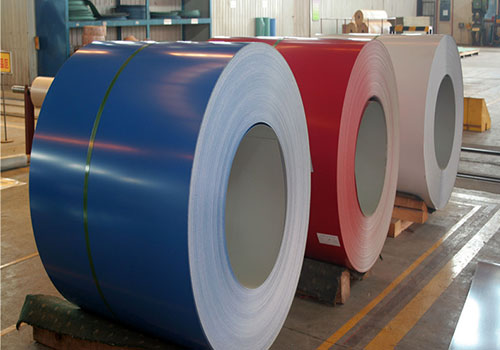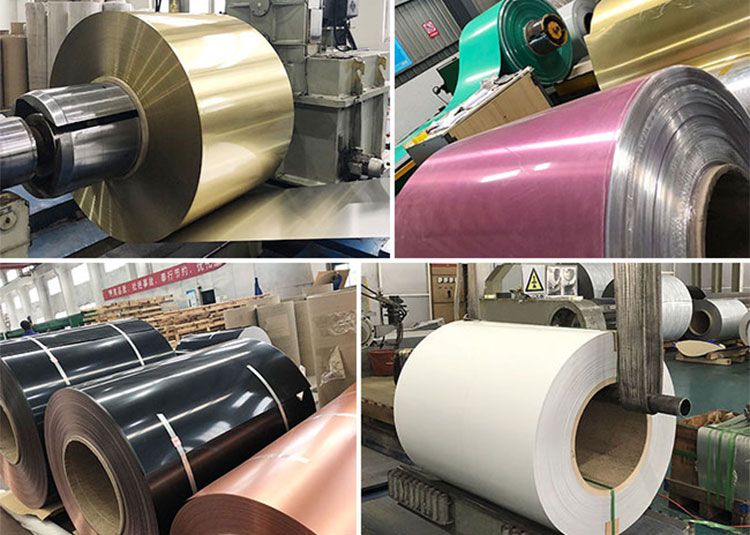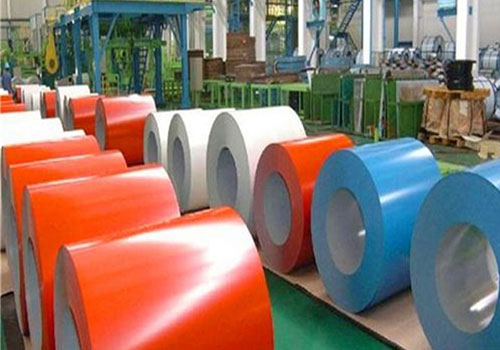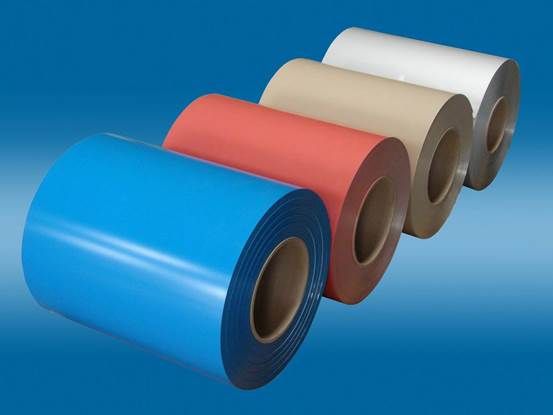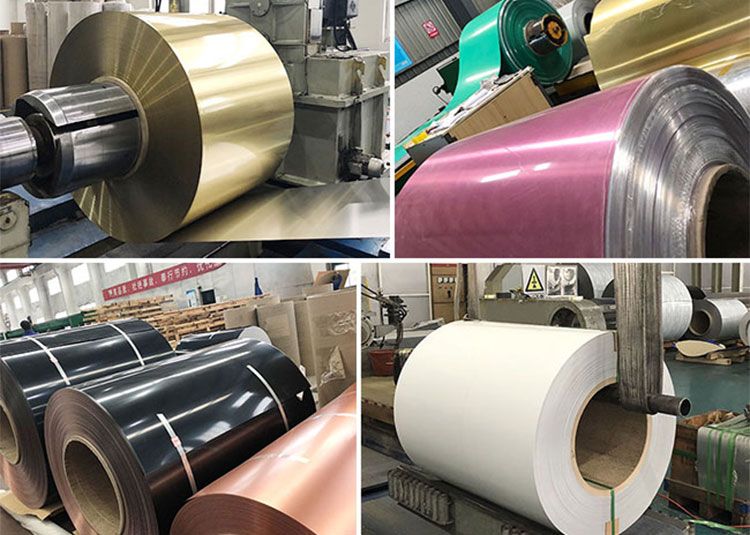
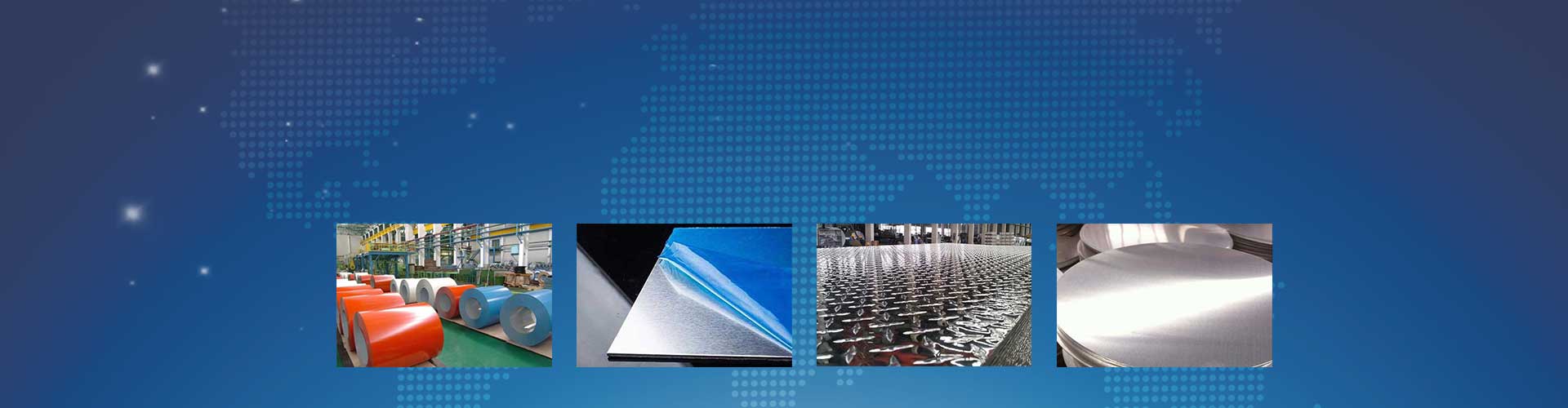
When people talk about prepainted color coated aluminum coil, they often focus only on appearance: smooth finish, consistent color, and modern visual appeal. But A1050, 1060, and 1100 prepainted aluminum coils offer more than a decorative surface. They represent a practical balance between purity, formability, corrosion resistance, and processing efficiency. From roofing and ceiling panels to signage, cladding, insulation jackets, and household applications, these alloys are widely chosen because they make production easier while keeping long-term performance stable.
A useful way to understand these products is to see them as "high-purity aluminum with a ready-to-use surface system." The base metal gives softness, ductility, and corrosion resistance. The coating adds color, weather protection, and surface consistency. Together, they create a material that arrives prepared for fabrication, saving time in downstream manufacturing.
What makes A1050, 1060, and 1100 special
A1050, 1060, and 1100 all belong to the commercially pure aluminum family. Their aluminum content is very high, so they are known for excellent workability and good resistance to atmospheric corrosion. In practical terms, this means the coil can be bent, rolled, stamped, and formed with less risk of cracking compared with harder alloy series.
A1050 is often valued for its very high purity and stable performance in applications requiring good reflectivity and corrosion resistance.
1060 is similar, with excellent elongation and forming behavior, making it a common choice for general industrial and architectural processing.
1100 contains slightly more alloying elements than 1050 and 1060, which gives it a useful combination of softness, moderate strength, and strong adaptability for fabrication.
Once these substrates are prepainted, they become even more versatile. Instead of painting after fabrication, customers receive material with a controlled coating system already applied under continuous coil coating conditions. This helps ensure better adhesion, more uniform film thickness, and higher production efficiency.
How prepainted color coated aluminum coil is built
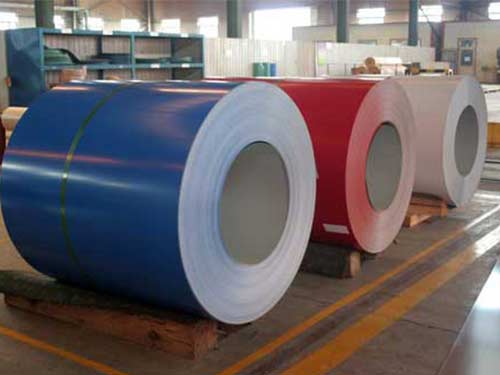
Prepainted aluminum coil is not simply aluminum with paint on top. It is a layered product engineered for durability and appearance. The typical structure includes the aluminum substrate, chemical pretreatment, primer coating, finish coating, and sometimes a back coat on the reverse side.
Common coating systems include PE and PVDF. PE, or polyester coating, is widely used for indoor decoration, signage, ceiling systems, and general-purpose applications where flexibility and cost-effectiveness matter. PVDF, or polyvinylidene fluoride coating, is selected for more demanding outdoor environments because it offers stronger weather resistance, UV stability, and color retention.
This layered design is one reason coated aluminum coil is so popular. The substrate contributes light weight and processability, while the coating system protects the surface from environmental attack and supports long-term decorative performance.
Typical product parameters
Customer requirements vary, but several parameter ranges are common in the market for A1050, 1060, and 1100 prepainted coils.
Common thickness range: 0.20 mm to 2.00 mm
Common width range: 30 mm to 1600 mm
Coil inner diameter: 150 mm, 300 mm, 405 mm, 505 mm
Coating type: PE, PVDF, SMP, epoxy, customized systems
Top coating thickness: usually 12–25 μm
Back coating thickness: usually 5–10 μm
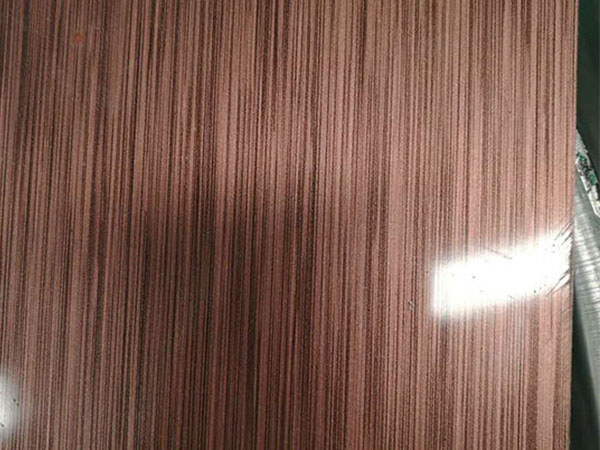
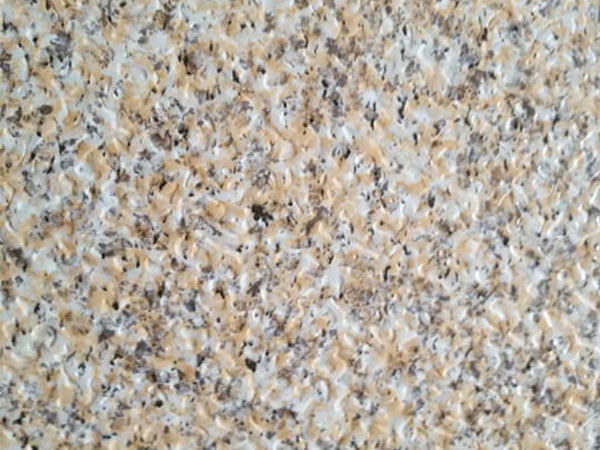
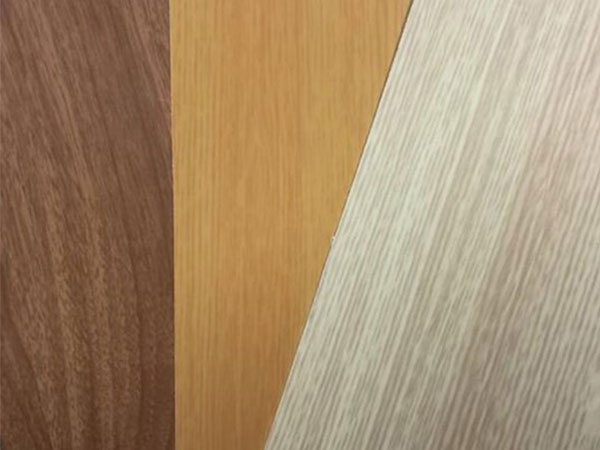
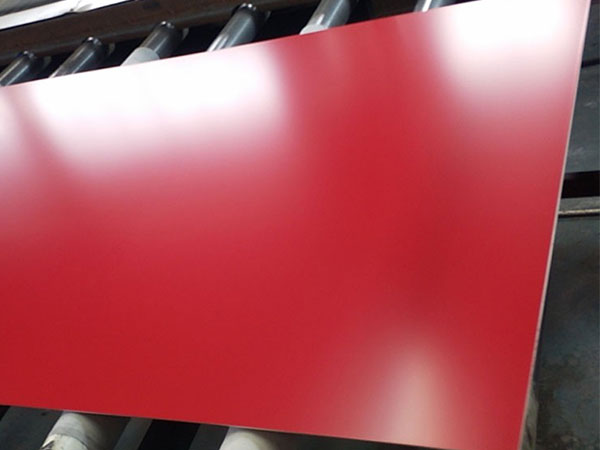
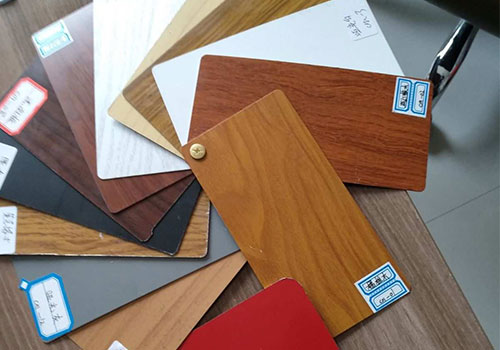
Color: RAL color card, customized samples, metallic finish, matte finish, wood grain, stone pattern
Surface finish: gloss, high gloss, matte, embossed, brushed, plain
Temper options: O, H12, H14, H16, H18, H24
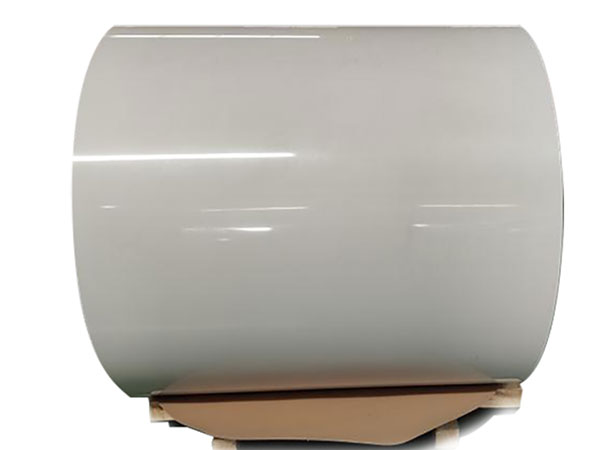
Processing supply condition: coil, strip, sheet, slit coil
These ranges can be adjusted according to end use. For example, ceiling and signage applications may prefer thinner gauges with PE coating, while exterior architectural panels often use thicker material with PVDF coating.
Implementation standards and quality references
High-quality prepainted color coated aluminum coil is usually produced according to internationally recognized standards or customer-agreed technical specifications. Common references include:
Aluminum substrate standards:
ASTM B209
EN 485
GB/T 3880
Coating and painted coil references:
AAMA 2603, AAMA 2604, AAMA 2605 for architectural coating performance
EN 1396 for coil coated aluminum sheet and strip
GB/T 17748 for coated aluminum products used in building curtain wall applications
ASTM test methods for adhesion, impact resistance, gloss, salt spray, and color difference
In real purchasing practice, the most important point is not only which standard is cited, but whether the supplier can match the coating performance, mechanical properties, dimensional tolerance, and color consistency your project requires.
Alloy tempering and supply conditions
Because A1050, 1060, and 1100 are soft alloys, temper selection plays a major role in fabrication results. The right temper depends on whether the customer prioritizes deep drawing, bending, roll forming, flatness, or strength.
O temper is annealed and very soft. It is suitable for deep drawing and applications requiring maximum formability.
H12 and H14 are strain-hardened tempers with moderate strength and good forming performance. They are often used where some rigidity is needed without sacrificing too much workability.
H16 and H18 provide higher hardness and better shape retention, but reduced formability.
H24 combines partial annealing with strain hardening, offering a compromise between flexibility and strength.
For coated products, temper must also match the coating system. A highly formable substrate with an appropriate paint flexibility level helps prevent coating cracks during bending or stamping.
Chemical composition table
Below is a typical reference table for the chemical composition of these alloys. Exact values may vary slightly depending on the governing standard.
| Alloy | Al (%) Min | Si (%) | Fe (%) | Cu (%) | Mn (%) | Mg (%) | Zn (%) | Ti (%) | Others (%) |
|---|---|---|---|---|---|---|---|---|---|
| A1050 | 99.50 | ≤0.25 | ≤0.40 | ≤0.05 | ≤0.05 | ≤0.05 | ≤0.05 | ≤0.03 | Each ≤0.03, Total ≤0.07 |
| 1060 | 99.60 | ≤0.25 | ≤0.35 | ≤0.05 | ≤0.03 | ≤0.03 | ≤0.05 | ≤0.03 | Each ≤0.03, Total ≤0.05 |
| 1100 | 99.00 | Si+Fe ≤0.95 | - | 0.05–0.20 | ≤0.05 | - | ≤0.10 | - | Each ≤0.05, Total ≤0.15 |
These compositions explain the essential character of the products. High aluminum content means strong corrosion resistance, excellent thermal conductivity, and easy processing. The relatively low alloying content also contributes to a smooth and stable substrate for continuous coil coating.
Performance features customers care about most
From a customer's point of view, the real value of prepainted A1050, 1060, and 1100 coil appears during fabrication and service life.
The first advantage is light weight. Aluminum naturally reduces structural load and makes transportation and installation easier.
The second is formability. These pure aluminum grades can be bent, profiled, stamped, and cut efficiently. This is especially useful for ceiling systems, rainwater goods, insulation cladding, and appliance panels.
The third is corrosion resistance. Even without coating, pure aluminum performs well in many environments. With a suitable pretreatment and paint system, the protective effect becomes much stronger.
The fourth is surface quality. Coil coating lines provide controlled application and curing conditions, helping deliver consistent color, gloss, and adhesion across large production batches.
The fifth is production efficiency. Customers can skip separate painting processes, reducing labor, VOC management, and production steps.
Where these coils are commonly used
Because of their softness and clean surface appearance, A1050, 1060, and 1100 color coated aluminum coils are frequently used in roofing accessories, ceiling panels, roller shutters, ACP production, insulation jacketing, channel letters, traffic signs, home appliance parts, and decorative trim.
In interior decoration, PE-coated 1050 or 1060 can provide a bright and economical finish. In exterior wall systems or high-UV regions, PVDF-coated 1100 may be preferred for stronger weatherability. For embossed or patterned designs, these alloys also respond well due to their good plasticity.
Choosing the right grade for your project
If your project needs maximum purity and dependable corrosion resistance, A1050 is a strong option. If easy forming and broad industrial availability are your priorities, 1060 is often the most practical choice. If you want a slightly stronger commercial pure alloy with excellent processing behavior, 1100 is widely trusted.
The best selection finally depends on several combined conditions: thickness, width, temper, coating type, color requirement, application environment, and forming method. A good supplier should help match all of these factors rather than recommend alloy only by habit.
Final thought
Prepainted color coated aluminum coil A1050 1060 1100 is not just a decorative material. It is a production-ready engineering surface built on the reliability of high-purity aluminum. Its value lies in what it simplifies: easier fabrication, stable appearance, lower maintenance, and efficient downstream processing. For customers who need a lightweight, corrosion-resistant, and visually controlled metal solution, these alloys remain among the most practical and adaptable choices in the coated aluminum coil market.