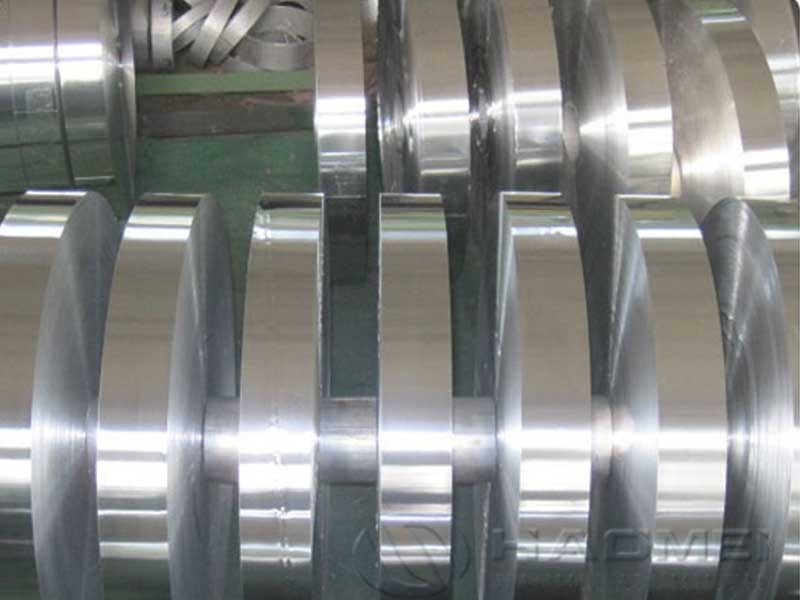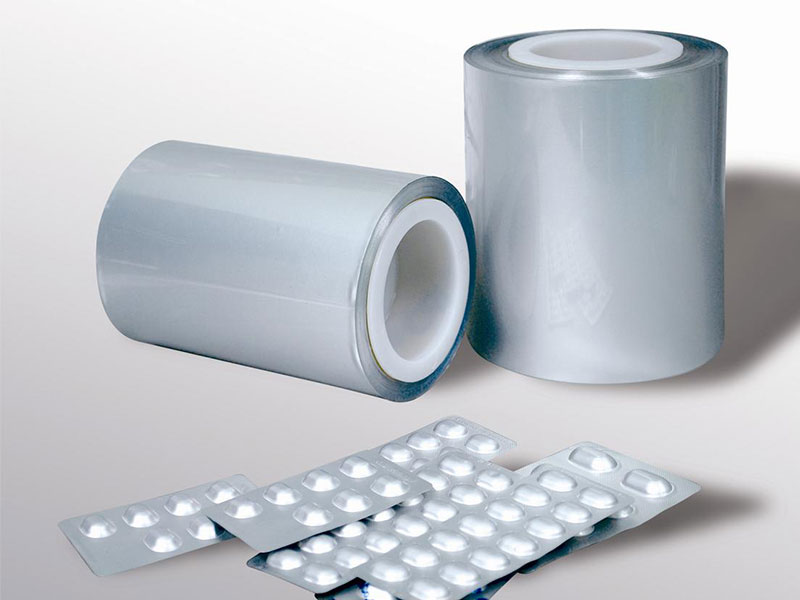

Aluminum PVC blister packaging with printed lidding foil and a high barrier heat seal coating is a proven, high-performance solution for unit-dose protection and clean dispensing. It combines a rigid or semi-rigid PVC blister forming film with a printed aluminum lidding foil engineered to seal reliably, resist moisture and oxygen ingress, and protect sensitive products from light and contamination. The result is a packaging format that balances product safety, shelf-life stability, line efficiency, and brand visibility-especially in pharmaceutical and medical applications where consistency and traceability matter.
Typical structure (from outside to product side):
| Layer / Component | Material | Main Role |
|---|---|---|
| Print & primer (optional) | Solvent / water-based inks + primer | Branding, batch coding, ink anchorage |
| Base foil | Aluminum foil | Primary barrier to light, gas, moisture |
| Heat seal coating (product side) | High barrier heat seal lacquer | Seals to PVC; controls peel/push-through behavior |
| Blister forming web | PVC (clear) | Cavity formation, visibility, rigidity |
| Product interface | Tablet/capsule/device | Unit-dose protection & dispensing |
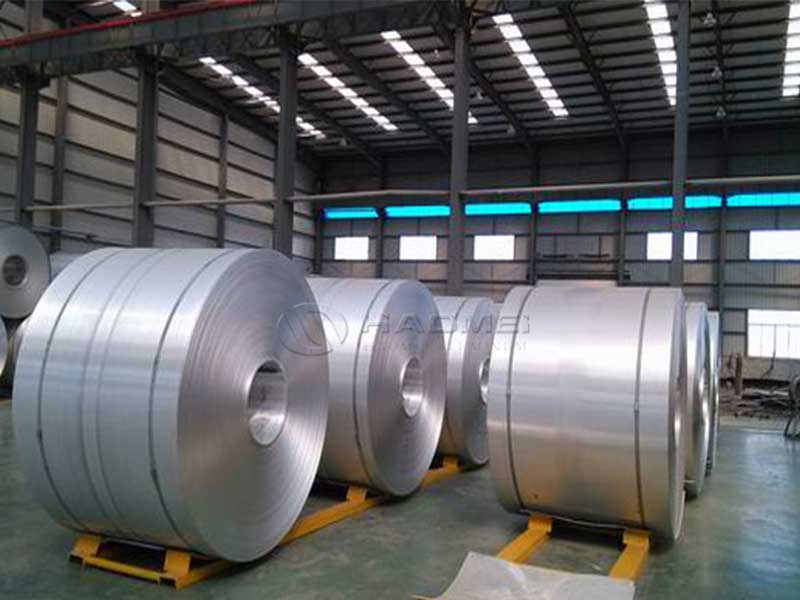
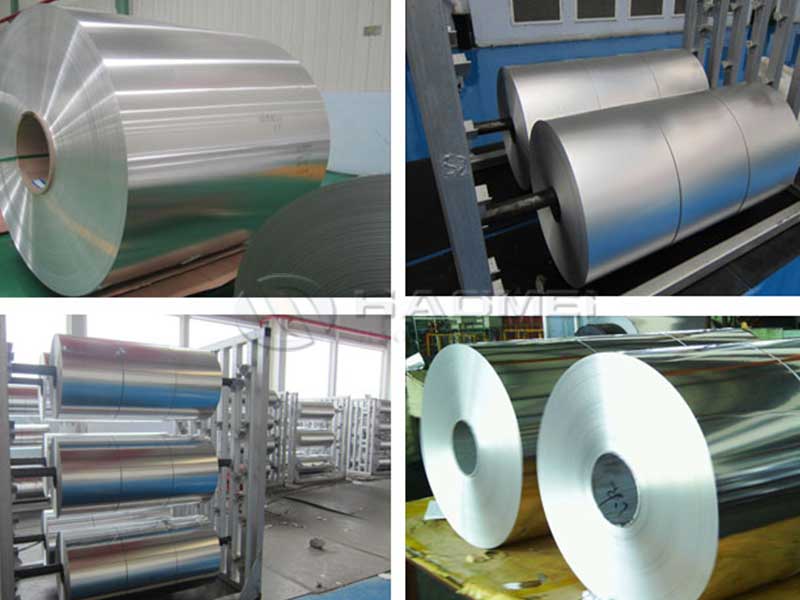
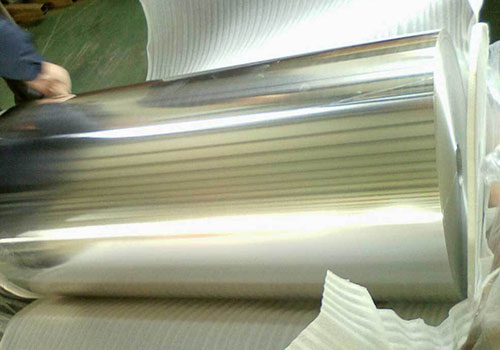
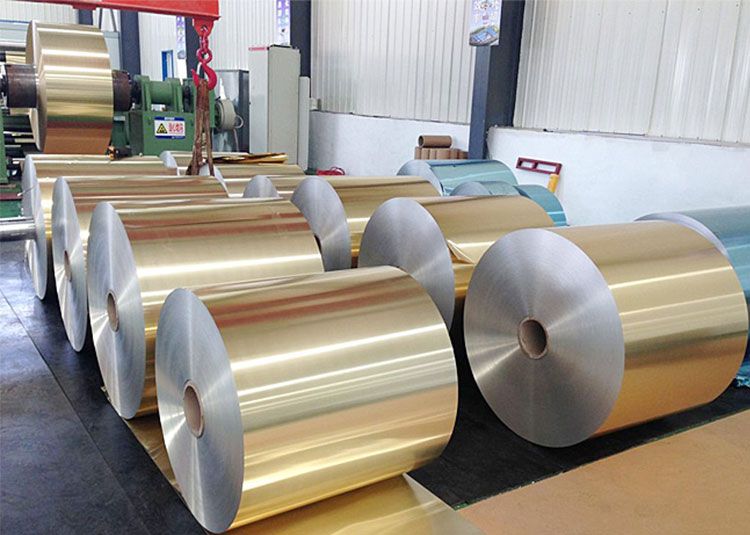
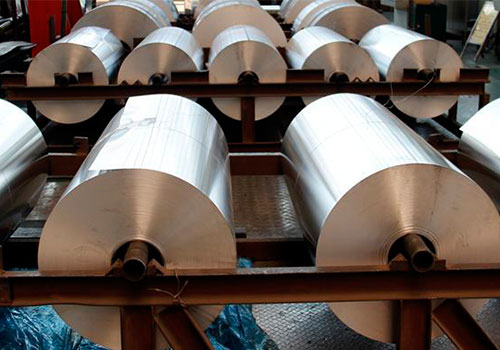
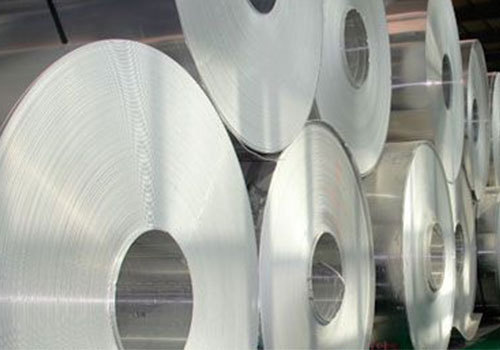
The aluminum lidding is supplied in reels for high-speed blister lines, with printing aligned to cavity pitch when required. The coating is formulated to deliver tight seal integrity while preventing coating pick-off, pinhole-driven failures, and inconsistent opening forces.
Features That Customers Notice on the Line
| Feature | Customer Benefit | What to Verify |
|---|---|---|
| High barrier aluminum foil | Strong protection vs. moisture, oxygen, aroma, light | Foil thickness, pinhole limits, WVTR/OTR assumptions |
| High barrier heat seal coating | Robust seals to PVC; stable sealing window | Seal strength, seal initiation temperature, hot tack |
| Printed lidding (up to multi-color) | Shelf impact and clear instructions | Print registration tolerance, ink rub resistance |
| Controlled opening | Consistent push-through or peelable behavior | Push-through force or peel strength target |
| Process stability | Less downtime and fewer rejects | Coating uniformity, roll flatness, splice quality |
| Compliance-ready options | Suitable for regulated markets | Food-contact / pharma declarations, traceability |
How the High Barrier Heat Seal Coating Works
The heat seal lacquer is applied to the foil (usually via roller coating) and cured to create a continuous layer that bonds to PVC under heat and pressure. A well-designed coating delivers three critical outcomes:
| Coating Performance Area | Why It Matters in Blister Packaging |
|---|---|
| Seal initiation & sealing window | Prevents weak seals at high speed; reduces sensitivity to line fluctuations |
| Adhesion to PVC | Maintains seal integrity through distribution and shelf life |
| Barrier and chemical resistance | Helps prevent permeation pathways at the seal interface and resists migration/interaction |
Depending on the target market, coatings may be tuned for push-through behavior (common for tablets) or peelable behavior (common for sachet-like access, elderly-friendly packaging, or medical devices). For PVC blister packs, push-through is most typical, requiring a controlled balance between seal strength and consumer opening force.
Applications
| Application Segment | Typical Products | Why This Structure Is Used |
|---|---|---|
| Pharmaceuticals | Tablets, capsules, lozenges | Unit-dose protection, anti-tamper perception, high barrier |
| Nutraceuticals | Vitamins, supplements | Shelf-life stability and branding |
| Medical devices | Small sterile/non-sterile components | Clean presentation and controlled dispensing |
| Diagnostics / test kits | Reagent components, desiccant-included kits | Moisture protection and organized dosing |
| Consumer health | OTC products | Print visibility, easy distribution, reduced waste |
For highly moisture-sensitive products, customers often evaluate whether PVC alone is sufficient; if not, they may upgrade the forming film (PVDC, PVC/PCTFE, or Alu-Alu). Even then, high-quality lidding foil remains essential for consistent sealing and print performance.
Recommended Technical Specifications (Lidding Foil)
The values below represent common industrial ranges for Aluminum blister lidding foil designed to seal to PVC. Final selection depends on blister tooling, line speed, cavity geometry, and opening preference.
Lidding Foil Construction and Parameters
| Item | Typical Range / Option | Notes |
|---|---|---|
| Alloy | 8011 / 8021 | Common for blister foil; good strength and form stability |
| Temper | H18 / H19 | Hard temper preferred for lidding rigidity |
| Foil thickness | 20–25 µm | 20 µm common; 25 µm for higher stiffness/puncture resistance |
| Primer (print side) | 0.5–1.5 g/m² | Improves ink anchorage and heat resistance |
| Print system | Up to 6–8 colors (flexo/gravure) | Subject to design and regulatory needs |
| Heat seal coating (seal side) | 3–8 g/m² | Tuned to sealing window and opening force |
| Surface finish | One side bright / matte options | Impacts appearance and print |
| Core ID | 76 mm / 152 mm | As required by packing line |
| Roll width | Per customer | Typically matched to blister lane layout |
| Splice | Optional (flag splice) | For continuous operation |
Sealing Performance (Typical Targets)
| Parameter | Typical Target Range | Test Notes (Typical Industry Practice) |
|---|---|---|
| Seal temperature window | 160–220 °C | Depends on PVC grade, dwell time, tooling |
| Seal pressure | 2–6 bar | Equipment-dependent |
| Dwell time | 0.2–1.0 s | Line speed dependent |
| Seal strength to PVC | 6–12 N/15 mm | Often adjusted for push-through performance |
| Heat seal initiation temp | 140–170 °C | Indicates process robustness |
| Hot tack / early strength | Stable | Helps avoid seal distortion during ejection |
Note: test method and fixture selection strongly influence results. Always align acceptance criteria with your packaging line conditions and customer opening expectations.
Aluminum Alloy: Typical Chemical Composition
The foil base is commonly produced from AA8011 or AA8021. Below are typical composition limits (values may vary by standard and supplier practice). Confirm against mill test certificates and applicable standards.
Typical Chemical Composition (wt.%)
| Alloy | Si | Fe | Cu | Mn | Mg | Zn | Ti | Al |
|---|---|---|---|---|---|---|---|---|
| AA8011 | 0.50–0.90 | 0.60–1.00 | ≤0.10 | ≤0.20 | ≤0.05 | ≤0.10 | ≤0.08 | Balance |
| AA8021 | ≤0.15 | 1.20–1.70 | ≤0.05 | ≤0.20 | ≤0.05 | ≤0.10 | ≤0.08 | Balance |
Mechanical and Physical Properties (Typical for Lidding Foil)
Properties depend on alloy, temper, thickness, and process route. The table below offers practical ranges used for sourcing discussions.
| Property | Typical Range | Relevance |
|---|---|---|
| Tensile strength | 160–220 MPa | Web handling stability, resistance to tearing |
| Elongation | 1.0–3.0 % | Balance between stiffness and crack resistance |
| Pinholes (20–25 µm) | Low, controlled | Barrier integrity; critical for shelf life |
| Water vapor barrier | "Near-zero" through foil | Seal area and defects become the limiting factors |
| Light barrier | Complete | Protects light-sensitive formulations |
Print Quality and Brand Durability
Printed blister lidding is more than decoration; it is part of the product's identity and compliance toolkit. Typical requirements include:
| Print Requirement | Practical Expectation |
|---|---|
| Ink adhesion | No flaking during forming, sealing, packing |
| Rub resistance | Maintains readability through distribution |
| Registration | Stable alignment to cavity pitch (when required) |
| Color consistency | Controlled ΔE for brand fidelity |
| Variable data | Compatible with overprint (thermal transfer/inkjet as applicable) |
Quality Assurance Checks Customers Should Request
| QA Item | What It Prevents |
|---|---|
| Coating weight & uniformity | Seal variability, skip seals |
| Pinhole inspection | Barrier failures and shelf-life drift |
| Seal strength mapping | Weak corners, non-uniform tooling pressure |
| Print adhesion and rub tests | Smudging and unreadable labeling |
| Roll hardness/flatness | Web breaks, telescoping, tracking issues |
| COA / traceability | Batch control for regulated products |
Storage and Handling (Practical Guidance)
| Topic | Recommendation |
|---|---|
| Storage environment | Cool, dry, stable temperature; avoid direct sunlight |
| Moisture control | Keep reels wrapped until use; prevent condensation |
| Handling | Avoid edge damage; use proper shaft and tension settings |
| Shelf life | Typically 12 months (confirm with supplier) |
Aluminum PVC blister packaging with printed lidding foil and high barrier heat seal coating delivers reliable unit-dose protection, excellent moisture/light barrier performance, and consistent sealing to PVC on high-speed blister lines. The structure pairs a PVC forming web with hard-temper aluminum lidding foil (commonly AA8011/AA8021, 20–25 µm) coated with a high-performance heat seal lacquer engineered for stable sealing windows, controlled push-through opening, and durable print quality. It is widely used for pharmaceutical tablets and capsules, OTC products, nutraceuticals, and medical packaging, offering strong shelf impact, traceability support, and robust pack integrity from production to end use.