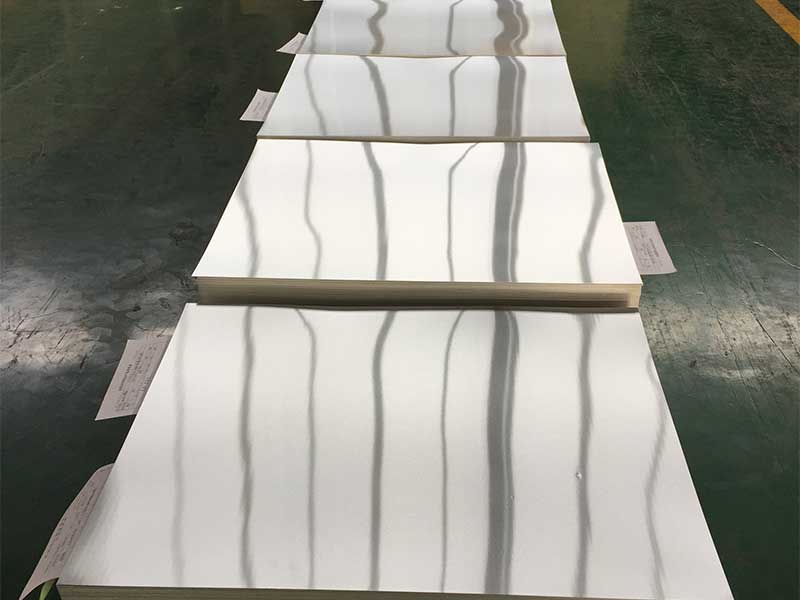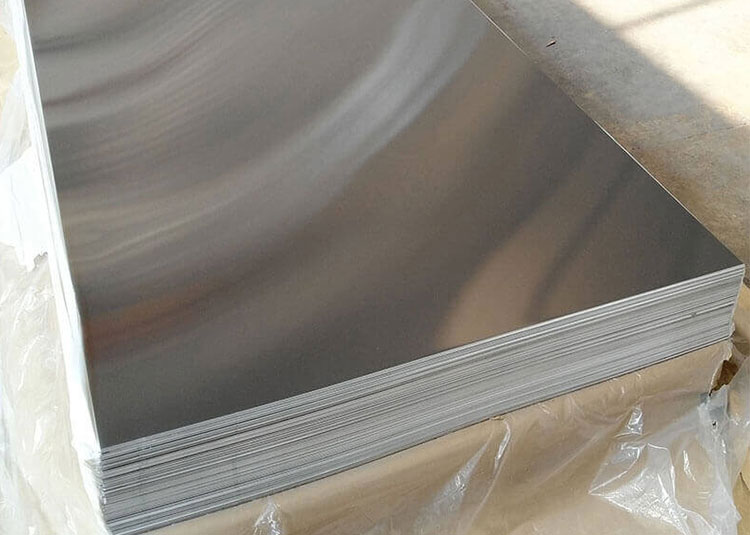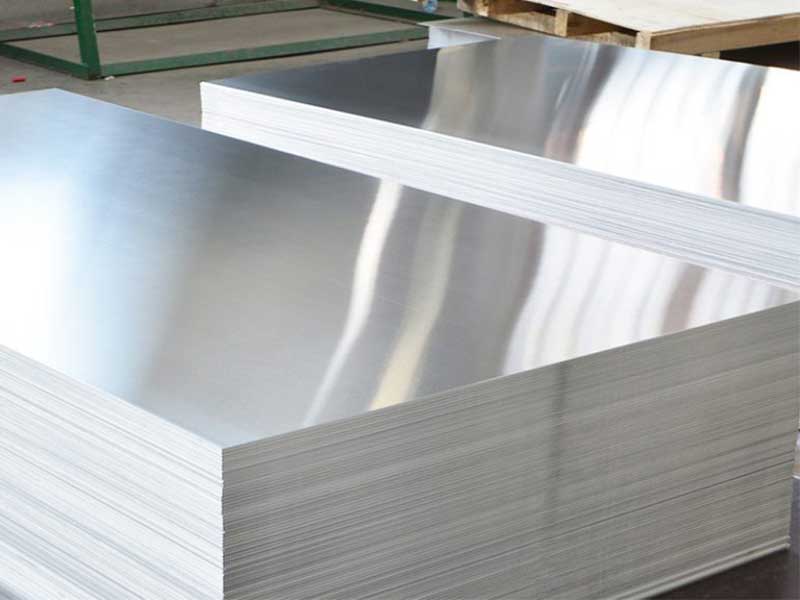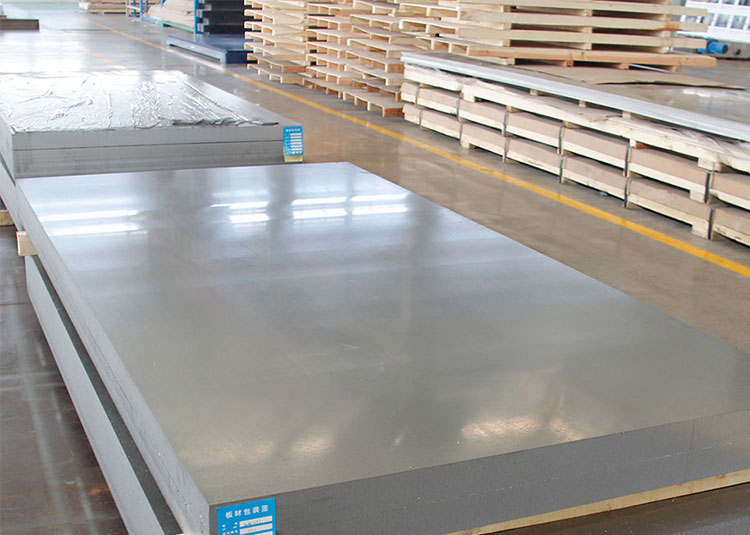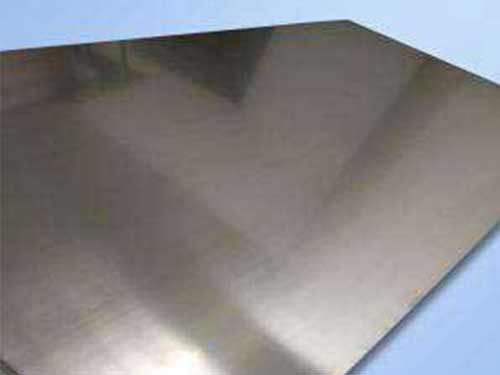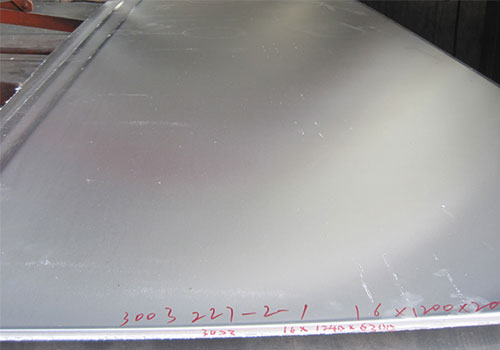

Customized sizes aluminum positive thermal CTP plates deliver precise dot reproduction, high press stability, and excellent run length for offset printing. Ideal for commercial, publication, and packaging printing, these plates offer consistent quality, fast imaging, and compatibility with leading thermal CTP systems.
Customized sizes aluminum positive thermal CTP (Computer-to-Plate) plates are specially designed printing plates for thermal laser imaging systems. They use a grained and anodized aluminum base with a positive-working thermal coating. After exposure, the imaged areas are removed in the developer, leaving a durable, ink‑receptive image for offset printing.
These plates are available in tailor‑made sizes, thicknesses, and packing configurations to fit different CTP setters and press formats, from small commercial sheet‑fed jobs to large-format newspaper and packaging presses.
Features
- Compatible with 830 nm thermal CTP systems
- Excellent dot reproduction from highlights to shadows
- Controlled aluminum grain and anodizing for strong hydrophilicity
- High press run length, both with and without baking (depending on conditions)
- Wide processing latitude and stable performance in standard positive developers
- Fast imaging sensitivity for higher CTP throughput
- Customized sizes, gauge, and packing to match specific workflows
- Low scumming and clean background for sharp prints
Typical Applications
- Commercial offset printing
- Magazine, catalog, and book printing
- Newspaper and semi-commercial printing
- Labels, flyers, brochures, and posters
- Light packaging and folding carton work
- General multi‑color sheet‑fed and web offset jobs
Aluminum Alloy & Temper
Most positive thermal CTP plates are produced from non‑heat treatable, high‑purity aluminum alloys optimized for graining and anodizing, such as 1050, 1060, or 3003.
| Parameter | Typical Value / Option | Notes |
|---|---|---|
| Alloy series | 1000, 3000 | High purity, excellent surface treatment properties |
| Common alloy grade | 1050, 1060, 3003 | Chosen according to required mechanical strength |
| Temper | H18, H19, H16 | Work‑hardened for stiffness and dimensional stability |
| Thickness range | 0.15–0.40 mm | Other gauges on request |
| Surface treatment | Electrochemical graining + anodizing | Provides micro‑roughness and oxide protection |
Typical Chemical Composition of Base Aluminum
Values below are representative for a 1050/1060‑type alloy used for CTP plates.
| Element | Typical Content (%) | Function / Effect |
|---|---|---|
| Al | Balance (≥ 99.50) | High purity base, good corrosion resistance |
| Si | ≤ 0.25 | Controls grain structure and mechanical properties |
| Fe | ≤ 0.40 | Strengthener; kept low for better surface quality |
| Cu | ≤ 0.05 | Excess can reduce corrosion resistance |
| Mn | ≤ 0.05 | Minor strengthening element |
| Mg | ≤ 0.05 | Usually very low for consistent anodizing |
| Zn | ≤ 0.05 | Limited to avoid galvanic issues |
| Ti | ≤ 0.03 | Grain refiner during casting |
| Others | ≤ 0.03 each / 0.10 total | Impurity limits for process stability |
Exact composition may vary slightly with alloy grade and mill source but remains strictly controlled for plate consistency.
Technical Specifications
General Plate Parameters
| Item | Typical Specification |
|---|---|
| Plate type | Positive thermal CTP |
| Imaging wavelength | 830 nm (thermal laser) |
| Sensitivity range | 120–170 mJ/cm² |
| Plate thickness options | 0.15 / 0.20 / 0.25 / 0.30 / 0.40 mm |
| Maximum supplied width | Up to 1500 mm (customizable) |
| Lengths | Cut to order according to CTP and press |
| Surface roughness (Ra) | 0.30–0.60 μm (typical) |
| Anodizing layer weight | 2.5–3.0 g/m² (standard) |
| Base color | Silver metallic aluminum |
| Coating color | Light blue, dark blue, or customized |
Imaging & Processing Performance
| Parameter | Typical Value / Range | Notes |
|---|---|---|
| Laser type | 830 nm thermal diode | Compatible with major CTP brands |
| Resolution capability | Up to 2400–2800 dpi | Higher dpi supported depending on CTP |
| Screen ruling | Up to 200–250 lpi | Suitable for high‑resolution work |
| FM screening | ≥ 20 μm stochastic dots | Stable highlight dot reproduction |
| Dot reproduction range | 1–99% at 200 lpi | Under standard setup and processing |
| Processing | Positive thermal developer | Suitable for common automatic processors |
| Processing speed | 0.8–1.5 m/min (typical) | Variable with chemistry and machine |
| Processing temperature | 23–28 °C | Standard developer operation window |
| Safe‑light requirements | Daylight handleable before imaging | No darkroom needed |
| Preheat requirement | Not required for standard runs | Baking optional for long runs |
Run Length & Durability
Run length depends on press conditions, ink type, fountain solution, paper, and maintenance practices.
| Condition | Typical Run Length (Impressions) |
|---|---|
| Conventional ink, unbaked | 80,000–150,000 |
| Conventional ink, baked | 200,000–300,000 or more |
| UV ink, unbaked | 30,000–60,000 |
| UV ink, baked | 80,000–150,000 |
| Alcohol‑reduced dampening | Slightly reduced vs. conventional setups |
Values are indicative; final performance may vary with press environment and ink/fountain system.
Thermal Stability & Flatness
| Parameter | Typical Specification |
|---|---|
| Gauge tolerance | ± 0.005 mm |
| Width tolerance | ± 0.5 mm (tighter on request) |
| Length tolerance | ± 1.0 mm |
| Flatness | ≤ 1.0 mm bow per meter length |
| Coating weight | 1.0–1.8 g/m² |
Tight control of temper and thickness ensures good vacuum contact on CTP devices and reliable register on press.
Customization Options
Customized sizes aluminum positive thermal CTP plates are designed to fit individual printing setups and logistics.
| Customizable Item | Description / Options |
|---|---|
| Plate dimensions | Fully customized width and length to fit each CTP and press |
| Thickness selection | Standard gauges plus special requests for special presses |
| Edge finishing | Rounded or straight edges depending on clamping system |
| Corner treatment | Square or chamfered corners |
| Packing format | Boxes, cartons, pallets; vertical or horizontal packing |
| Interleaving material | Paper or plastic interleaf; anti‑scratch protection |
| Branding / labeling | Customized box labels, barcodes, and internal IDs |
| Surface roughness target | Slight adjustments for specific ink/paper combinations |
Storage & Handling Guidelines
Proper storage significantly extends plate shelf life and preserves performance.
| Item | Recommendation |
|---|---|
| Storage temperature | 18–24 °C |
| Relative humidity | 40–60% RH |
| Shelf life (unexposed) | 12–18 months in original packaging |
| Light exposure | Keep away from direct sunlight and UV sources |
| stacking | Store flat or vertically with adequate support |
| Handling | Hold by edges; avoid fingerprints and scratches |
Advantages in Daily Production
- Stable and predictable imaging across plates, days, and batches
- Fewer remakes thanks to controlled chemistry interaction
- Clean background and low tendency to scum or toning
- Strong adhesion of coating to aluminum for reduced coating loss
- Low chemical consumption due to robust coating design
- Flexible customization for printers running multiple press formats
Compatibility
These positive thermal CTP plates are compatible with most 830 nm thermal CTP engines from leading manufacturers, including common drum and flatbed systems, as well as automatic plate loading and online punching units. They run well with standard positive developers and replenisher systems from major chemistry suppliers.
For each customer, test recommendations and setting guidelines can be provided to optimize laser power, drum speed, and processing parameters.