
PE PVDF Color Coated Aluminum Sheet Coil for Decoration: A Practical Designer’s View
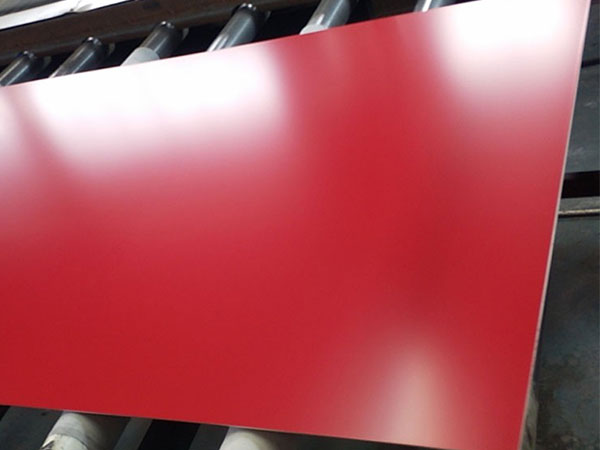
When architects, sign-makers, and interior contractors talk about “color,” they are not just choosing a shade. They are choosing how a building will age, how easy it will be to maintain, and how reliably it will perform under sun, rain, sand, salt, and pollution. From this practical, design‑driven angle, PE PVDF color coated aluminum sheet coil stands out as a quiet workhorse: light, stable, and consistent, yet visually rich.
Instead of seeing it as just another metal coil with paint, think of PE and PVDF coated aluminum as two distinct “skins” built on the same high‑quality body, each optimized for different environments and lifespans.
What PE and PVDF Really Mean in Practice
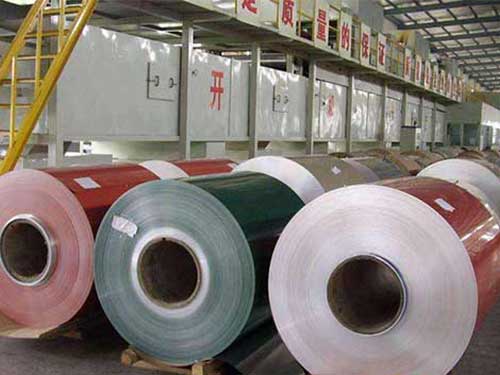
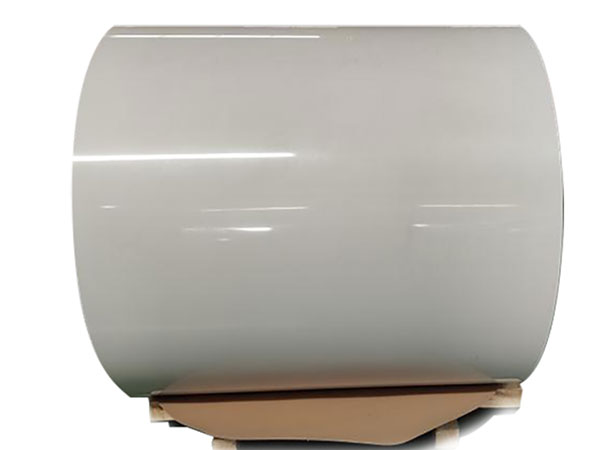
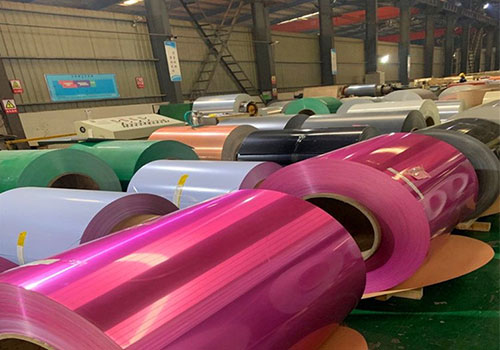
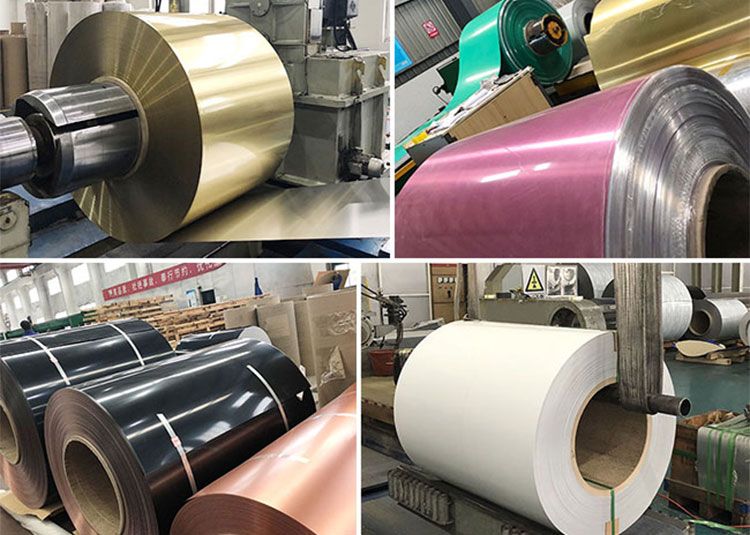
Color coated aluminum sheet coil is essentially an aluminum substrate that is cleaned, chemically pretreated, then continuously coated with an organic paint system and baked in an oven.
The distinction is in the resin:
PE (Polyester) coating
A decorative and economical finish with good flexibility and bright color. Well‑suited for interior decoration, signage, ceilings, advertising panels, and exterior areas with moderate UV exposure. PE is easier to process in deep drawing, bending, and punching because of its softer, more flexible film.PVDF (Polyvinylidene Fluoride) coating
A premium fluorocarbon coating known for outstanding weather and UV resistance. Ideal for building facades, curtain walls, roofing edges, coastal projects, and any application where color retention and chalk resistance over decades really matter. PVDF pairs especially well with harsh climates: intense sun, high humidity, acid rain, or industrial pollution.
The substrate is the same family of rolled aluminum coils, but the “personality” of the final product is shaped by the coating choice and the way the coil is processed.
Substrate Alloys and Tempers: Why They Matter
Designers often specify only thickness and color, but the alloy and temper quietly determine how the coil behaves during fabrication.
Common alloy choices include:
1100 and 1050
Commercially pure aluminum, excellent corrosion resistance and formability. Used for interior panels, decorative ceilings, and where complex shapes or deep drawing are needed.3003 and 3004
Aluminum–manganese series, offering better strength than 1xxx alloys while retaining good workability. Widely used for building cladding, honeycomb panels, and composite panels.5005 and 5052
Aluminum–magnesium alloys, delivering higher strength and superior corrosion resistance, particularly suitable for outdoor architectural facades, roofing trim, and marine‑adjacent structures.
Typical tempers:
H14 / H16
Half‑hard temper, balancing strength and bendability. Common for façade cassettes, sign panels, and soffit systems.H24 / H26
Higher strength, slightly reduced formability; used where rigidity and flatness are prioritized, such as large exterior panels and panels requiring minimal oil‑canning.O (annealed)
Very soft and highly formable, chosen for complex molded parts or intricate decorative profiles.
The right alloy–temper combination ensures that when the coil is cut, bent, punched, and folded, the coating does not crack and the panel stays flat and stable.
Typical Technical Parameters at a Glance
While every project has its own specifications, PE PVDF color coated aluminum sheet coils usually fall into these ranges:
- Thickness of aluminum substrate: from 0.20 mm to 3.0 mm
- Standard widths: from 20 mm up to 1600 mm (custom widths available to reduce waste)
- Coil inner diameter (ID): commonly 405 mm, 505 mm, or 508 mm
- Coating thickness
- PE: about 18–22 μm on the front side, 5–10 μm on the back side
- PVDF: about 25–32 μm on the front side (70% or 80% PVDF resin), 5–10 μm on the back side
- Gloss level: ultra‑matt, matt, semi‑gloss, or high gloss, typically 10–80 GU at 60°
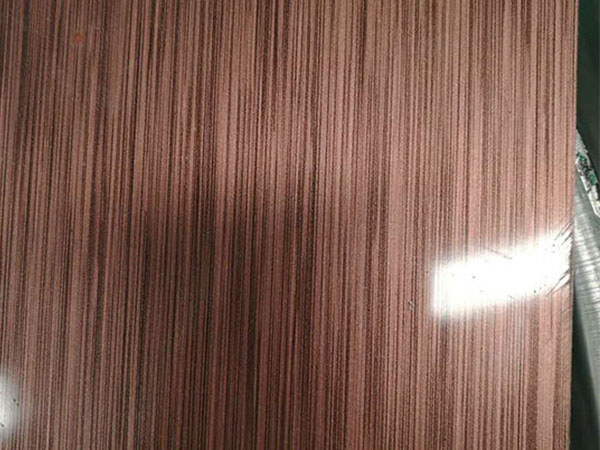
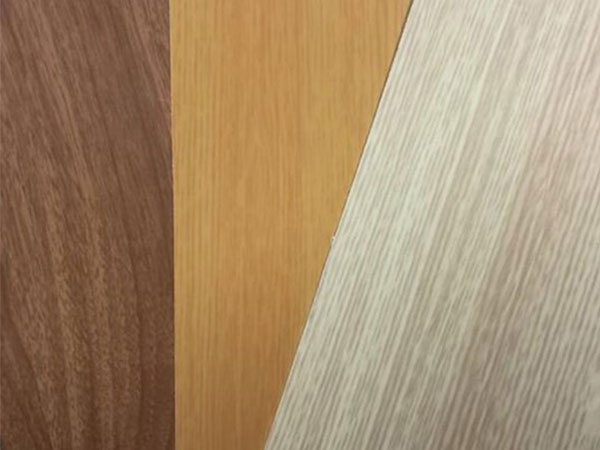
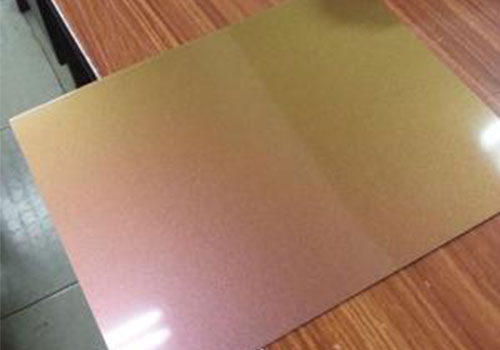
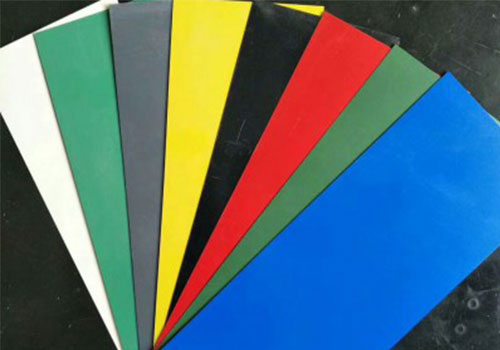
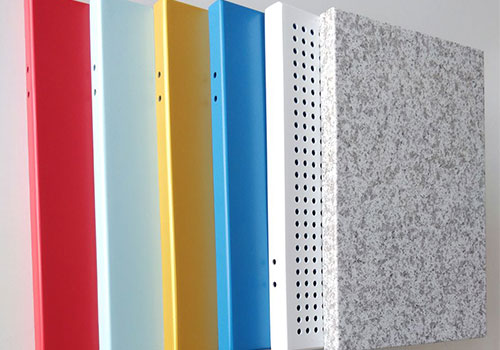
- Color system: RAL, Pantone, or custom color matching with metallic, solid, wood grain, stone grain, and brushed finishes
Coating performance targets often include:
- Pencil hardness: HB–2H for PE, H–2H for PVDF
- Adhesion: Cross‑cut test reaching class 0–1 (no flaking)
- Impact resistance: No cracking or peeling under specified impact energy
- T‑bend: from 0T to 2T depending on coating type and thickness, ensuring bendability without film failure
Standards that Anchor Quality
Reliable coated aluminum does not rely on visual inspection alone. Reputable products are produced and tested in line with international or national standards, such as:
Base aluminum coil
- ASTM B209, EN 485, EN 573, or equivalent national standards for chemical composition, mechanical properties, and dimensional tolerances.
Coating performance
- AAMA 2603 for standard architectural coatings (PE systems and some modified polyesters).
- AAMA 2604 and AAMA 2605 for high‑performance and superior weather‑resistant coatings (PVDF systems).
- ISO 2810, ISO 6270, ISO 2409, and related standards for weathering, humidity resistance, and adhesion testing.
In practical terms, this means the coil you specify will maintain gloss and color within a narrow delta E value, resist chalking, and keep its protective film intact through years of outdoor exposure.
Chemical Composition Snapshot (Representative Alloys)
Below is a typical reference for common alloys used in PE PVDF color coated aluminum coils. Actual values follow relevant standards such as EN 573 or ASTM B209.
Representative chemical composition (mass %):
Alloy 1100
- Al: ≥ 99.00
- Si + Fe: ≤ 0.95
- Cu: 0.05–0.20
- Mn: ≤ 0.05
- Zn: ≤ 0.10
- Others (each): ≤ 0.05; total ≤ 0.15
Alloy 3003
- Al: balance
- Mn: 1.0–1.5
- Si: ≤ 0.60
- Fe: ≤ 0.70
- Cu: 0.05–0.20
- Zn: ≤ 0.10
- Others (each): ≤ 0.05; total ≤ 0.15
Alloy 3004
- Al: balance
- Mn: 1.0–1.5
- Mg: 0.8–1.3
- Si: ≤ 0.30
- Fe: ≤ 0.70
- Cu: ≤ 0.25
- Zn: ≤ 0.25
- Others (each): ≤ 0.05; total ≤ 0.15
Alloy 5005
- Al: balance
- Mg: 0.50–1.1
- Si: ≤ 0.30
- Fe: ≤ 0.70
- Cu: ≤ 0.20
- Mn: ≤ 0.20
- Cr: ≤ 0.10
- Zn: ≤ 0.25
- Others (each): ≤ 0.05; total ≤ 0.15
These controlled chemistries ensure predictable strength, corrosion resistance, and forming behavior across coils and production batches.
Why Designers Choose PE vs PVDF
A practical way to think about it is lifespan and environment:
For indoor ceilings, displays, cabinets, interior wall cladding, or short‑term promotional signage, PE coated aluminum delivers cost‑effective beauty and is easier to shape into complex forms.
For exterior curtain walls, high‑rise façades, corporate identity systems, service stations, airports, transport hubs, and coastal buildings, PVDF coated aluminum is the default choice because it minimizes color fade and chalking, even after long exposure to sunlight and aggressive climates.
In mixed projects, it is common to specify PVDF for all visible exterior elements and PE for interior decorative panels that are not directly exposed to sunlight and weather.
From Coil to Finished Decoration
On the production line, the transformation from raw coil to architectural skin follows a tightly controlled path:
- Cleaning and degreasing remove rolling oils and contaminants.
- Chromate‑free or chromium‑based chemical conversion coatings create a stable, corrosion‑resistant base layer for paint adhesion.
- Primer layers balance anti‑corrosion performance and flexibility.
- Topcoats (PE or PVDF) give the final color, gloss, and texture, often followed by a clear protective overcoat for extra durability or special effects.
Once supplied, processors slit, cut, press, perforate, and fold the coils into cassettes, panels, louvers, roofing trims, or composite sheets. The best lines are calibrated so that the coating film survives these operations without peeling, micro‑cracking, or color variance from panel to panel.
A Material That Quietly Shapes Modern Architecture
PE PVDF color coated aluminum sheet coil does not shout for attention, yet it defines the character of shopping malls, airports, stations, brand terminals, and corporate façades. It marries lightweight structure, corrosion resistance, color stability, and flexible design into one continuous material.
By the differences between PE and PVDF coatings, paying attention to alloy and temper, and insisting on recognized implementation standards and reliable chemical control, specifiers can treat this product not just as a painted metal but as a long‑term design asset—one that keeps its promise of color and performance for years after the scaffolding comes down.