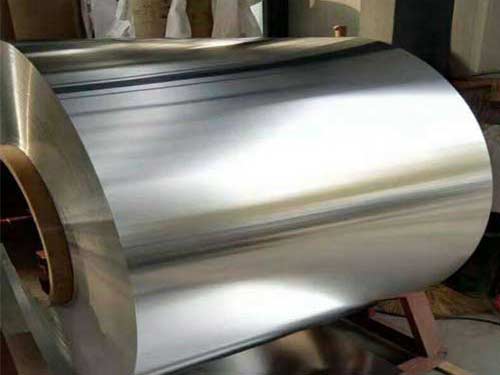

Pharmaceutical Aluminum Foil for Pill Blister: A Technical View from Inside the Pocket
When most people see a pill blister pack, they notice the capsule color or printed dosage. From the manufacturer’s perspective, the real star is the thin, engineered layer of pharmaceutical aluminum foil that protects what’s inside. Thinking about this foil “from the pill’s point of view” reveals how many functions and technical details are packed into a material only micrometers thick.
Instead of treating blister foil as just “a wrap,” imagine it as a micro‑environment manager: it builds a shielded room around each tablet or capsule, regulating light, moisture, gases, and chemical interactions. That is where alloy composition, temper, coating systems, and regulatory standards quietly do their work.
Below is a concise, technically oriented overview designed for buyers, formulators, and packaging engineers who need fast clarity on how pharmaceutical aluminum foil for pill blister actually functions and how to choose the right specification.
What the Pill “Sees”: Core Functions of Blister Foil
From the inside of the cavity outward, the tablet or capsule is surrounded by several layers. The aluminum lidding foil is the decisive barrier layer that defines the pill’s long-term stability.
functional roles viewed from “inside the pocket”:
- It blocks water vapor so the pill does not absorb moisture and degrade.
- It blocks oxygen so sensitive APIs do not oxidize.
- It blocks light (especially UV) that can break down certain drug molecules.
- It provides a chemically neutral surface after coating, so no reaction occurs with inks, adhesives, or the product.
- It gives mechanical strength, resisting puncture, cracking, and pinholes during forming, filling, sealing, shipping, and consumer use.
- It allows reliable heat‑sealing or cold‑sealing to the plastic blister, keeping each pocket hermetically closed.
- It carries clear, durable printing for branding, identification, and anti‑counterfeiting features.
When these roles are all satisfied at once, shelf life and patient safety are protected.
Alloy and Temper: Why 8011 and 8021 Dominate
From the outside, all foils look similar. At the metallurgical level, pharmaceutical blister foil is a carefully chosen alloy and temper combination.
Common alloys:
- 8011: Aluminum‑iron‑silicon alloy; good formability and strength, widely used for coated lidding foil.
- 8021: Higher performance barrier foil with very low pinhole count, improved air‑tightness, and enhanced ductility; ideal when extreme moisture and oxygen protection is required.
Common tempers:
- O (annealed, soft): Highly ductile, excellent for forming and sealing, reduces risk of cracking or pinholing under stress.
- H18 (hard): Higher strength, better stiffness and tear resistance, used where mechanical integrity and easy push‑through behavior are priorities.
The temper choice balances push‑through comfort for the patient against resistance to accidental tearing. For example, a hard temper 8011‑H18 foil gives a crisp push‑through feel, while a soft 8021‑O foil offers higher barrier and flexibility but slightly different tear behavior.
Typical thickness ranges:
- 20–30 μm for standard pharmaceutical lidding foil
- Occasionally down to about 18 μm for cost‑optimized packs, or up to 40 μm when very high barrier and mechanical strength are needed
Surface Engineering: Coatings, Lacquers, and Inks
Raw aluminum is reactive. In blister packaging, it is almost never used bare. Both sides are engineered to protect the foil and maintain compatibility with the drug.
Heat‑seal or cold‑seal side:
- Heat‑seal lacquer (for PVC / PVDC / PP / PET blisters) is applied and cured.
- Typical coating weight is often around 4–8 g/m², tailored for peelable or push‑through performance.
- The lacquer must pass extractables and leachables tests and comply with regulations for direct or indirect contact with medicinal products.
Print side:
- Primer and print lacquer systems ensure strong adhesion and abrasion resistance.
- Inks are low‑migration, designed for legibility under high‑speed printing, cutting, and forming.
- Overlacquers protect printed data from rubbing off during transport and use.
These coatings turn a reactive metal strip into a chemically “quiet,” user‑friendly surface that still allows full barrier performance underneath.
Implementation Standards and Regulatory Context
Pharmaceutical blister foil lives under a dense network of standards. A reliable supplier designs and tests each batch within this environment:
- International standards such as ISO 15378 (Primary packaging materials for medicinal products) guide manufacturing and quality systems.
- National pharmacopeial requirements (USP, EP, JP, etc.) govern extractables, heavy metals limits, and suitability for pharmaceutical use.
- GMP principles ensure each production stage—from casting and rolling to slitting and lacquering—is controlled, traceable, and validated.
- Migration and compatibility tests verify that coatings, inks, and adhesives do not interact with the product over its entire shelf life.
In practice, this means every roll of blister foil is not just metal; it is a qualified packaging component with documentation, certificates of analysis, and a defined change‑control process.
Application Scenarios: Matching Foil to Product Needs
Choosing blister foil is really about designing a micro‑environment for a specific drug.
For moisture‑sensitive tablets:
- Prefer higher barrier foils such as 8021‑O with thicker gauges (e.g., 25–30 μm).
- Pair with high‑barrier blisters (e.g., PVC/PVDC or PCTFE/PVC) for a near “mini‑bottle” protection level.
For standard solid dose forms in stable formulations:
- 8011‑H18 lidding foil with 20–25 μm thickness often meets cost and performance needs.
- Heat‑seal lacquer is optimized to bond reliably with PVC blister cavities.
For light‑sensitive products:
- Aluminum itself offers excellent light barrier; the is flawless coverage and no pinholes.
- Dark or opaque inks may be added for extra UV screening and anti‑counterfeiting.
For child‑resistant or senior‑friendly designs:
- Seal strength, foil temper, and backing design are adjusted so the pack is safe from accidental opening yet easy enough for target users.
- Multi‑layer laminate structures may add paper or film for tear control and tactile feedback.
Typical Technical Parameters at a Glance
Values vary by specification and customer requirement, but the following ranges are representative for pharmaceutical blister lidding foil:
- Alloy: 8011, 8021
- Temper: O, H18
- Thickness: 18–40 μm (commonly 20–30 μm)
- Width: Custom up to about 600–800 mm depending on mill capability
- Surface: One side heat‑seal or cold‑seal coated; other side printable, often with primer and over‑lacquer
- Appearance: Clean, flat, free from oil, corrosion, and visible defects; low pinhole density as per agreed QC standard
Representative properties for pharmaceutical aluminum foil (example: 8011‑H18 / 8021‑O):
| Property | Typical Range / Description |
|---|---|
| Aluminum purity | ≥ 99.0% (remainder alloying elements) |
| Main alloy elements | Fe, Si (8011); Mn, Fe (8021) |
| Tensile strength | Approx. 80–150 MPa (depends on alloy and temper) |
| Elongation (A50) | Approx. 1–8% (higher in O temper, lower in H18) |
| Water vapor transmission | Practically 0 g/m²·day at standard test conditions |
| Oxygen transmission | Practically 0 cm³/m²·day at standard test conditions |
| Light transmission | Near 0% (excellent opacity, UV and visible light barrier) |
| Surface wetting tension | Typically ≥ 32–38 dynes/cm (for good coating adhesion) |
| Corrosion resistance | High, with passive oxide layer; enhanced by lacquers |
| Heat‑seal temperature range | Approx. 180–260 °C (depends on lacquer system & dwell) |
| pH resistance (coating side) | Tailored to specific lacquer; designed for pharma use |
| Heavy metals content | Within pharmacopeial limits, typically very low |
These values are indicative and must be matched with the exact product data sheet from the foil supplier.
From Basic Foil to Strategic Component
Seen from a distance, pharmaceutical aluminum foil for pill blisters looks like a commodity. Seen from the pill’s perspective, it is the barrier between stability and degradation. Every aspect—chemical composition, temper, surface treatment, coating formulation, and regulatory compliance—directly shapes how well that barrier performs.
For buyers and technical teams, the practical takeaway is straightforward: define the drug’s sensitivity (to moisture, oxygen, light, and mechanical stress), then translate that into concrete foil requirements: alloy, temper, thickness, coating type, seal strength, and testing standards. When those conditions are clearly specified, the blister foil stops being just “metal” and becomes a precise, reliable micro‑environment for your product.