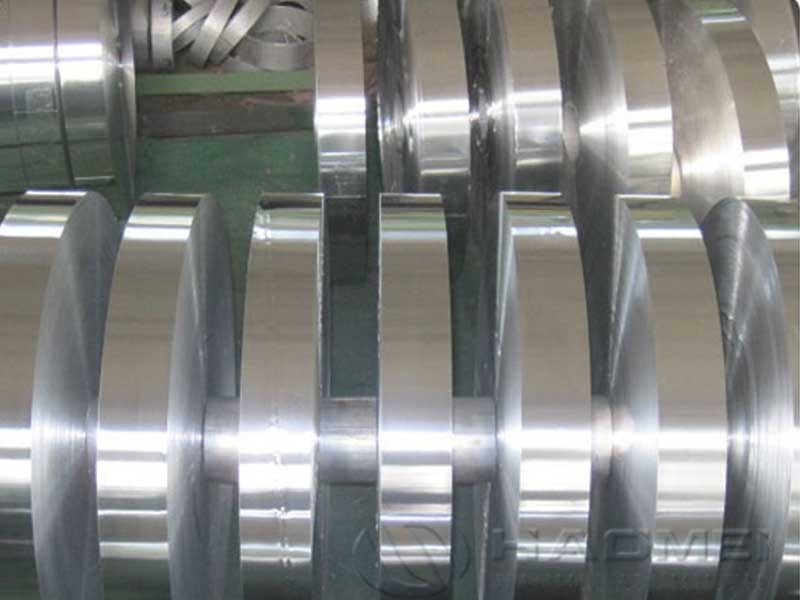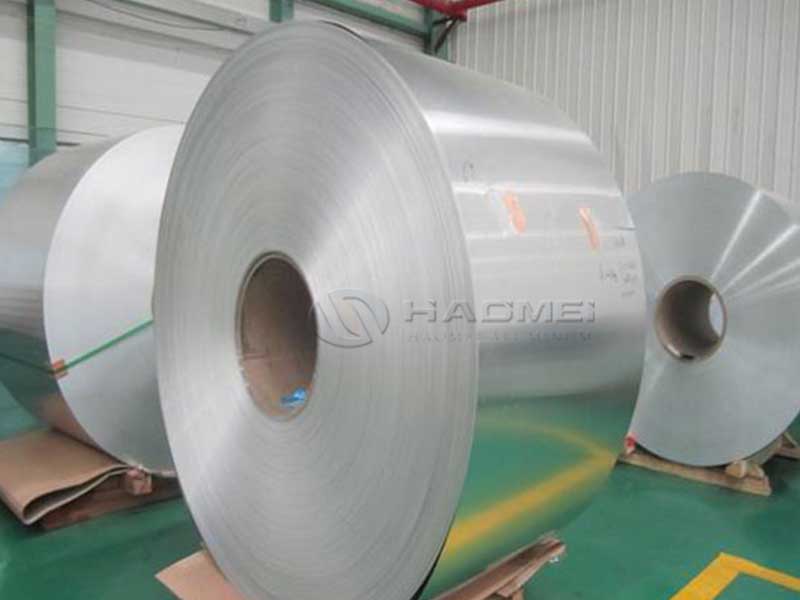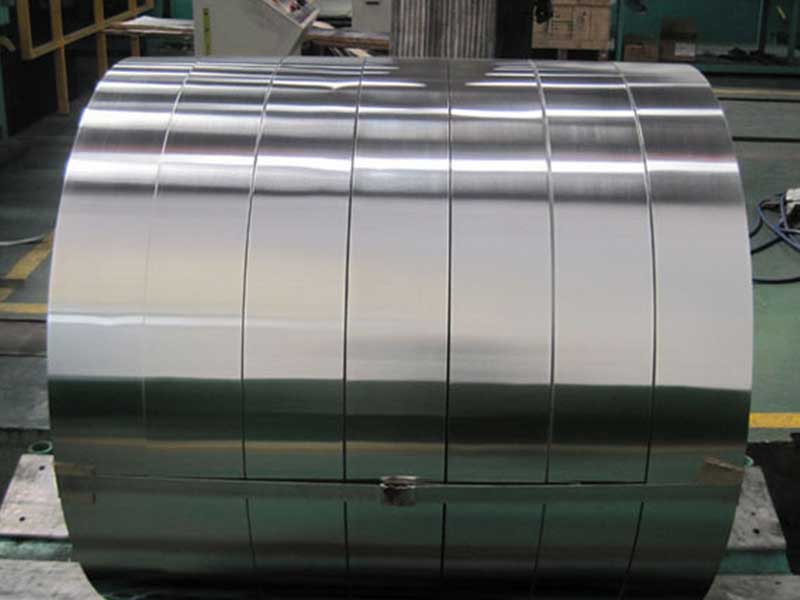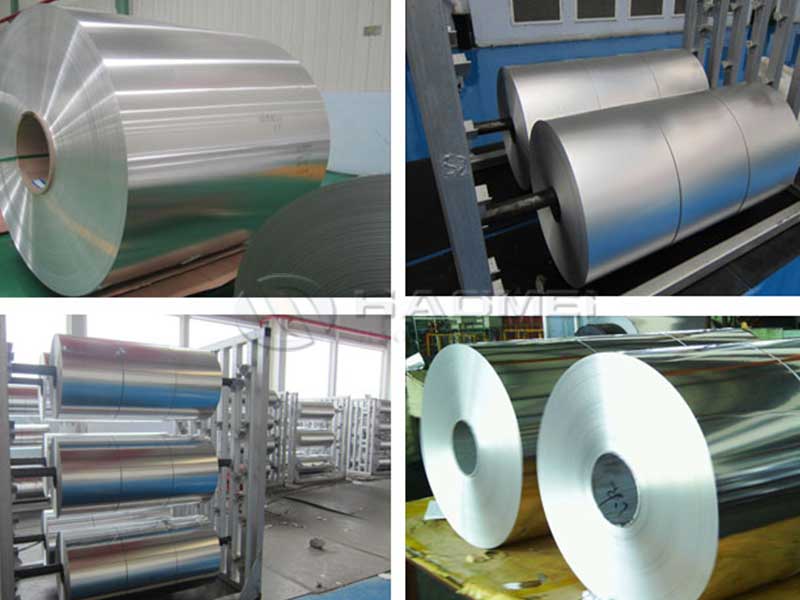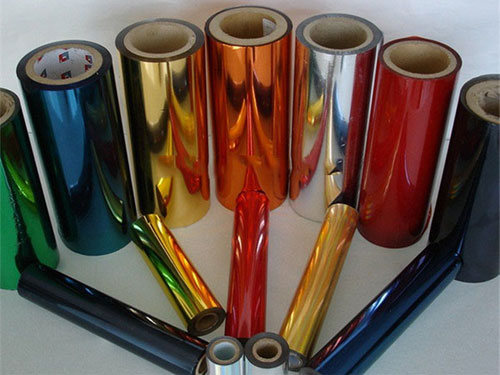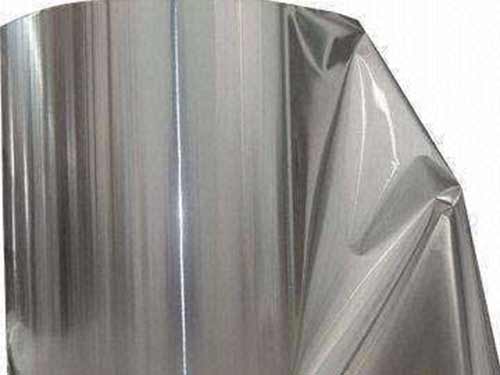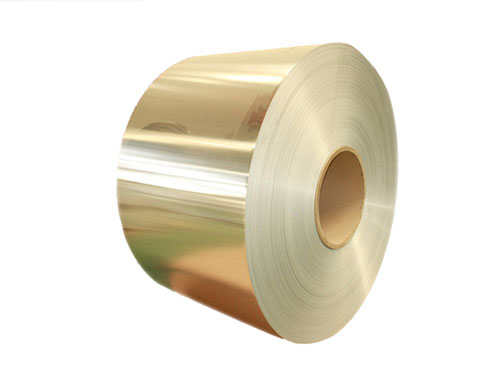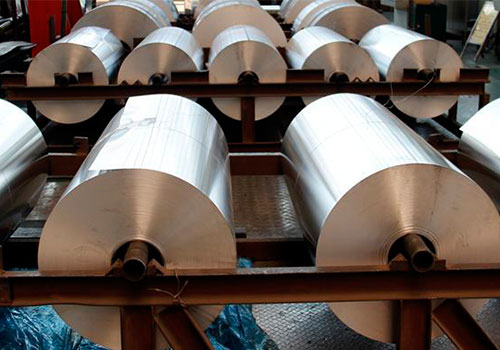

Pharmaceutical Strip Pack Foil with Extra Protection Against Air and Humidity
Pharmaceutical strip pack foil is often described in simple terms: “two layers of foil pressed together around a tablet or capsule.” In practice, it is a highly engineered barrier system, especially when designed for extra protection against air and humidity. For moisture‑sensitive drugs, the difference between a standard strip foil and a high‑barrier, properly tempered aluminum foil can mean the difference between stable potency and rapid degradation on the shelf.
Instead of looking at it as mere “packaging,” think of pharmaceutical strip foil as a micro‑climate generator. Each cavity around a single unit dose becomes its own micro‑environment, defined by the foil’s alloy, temper, coating chemistry, and sealing parameters. When these elements are optimized, the strip pack can act as a portable controlled‑atmosphere chamber, defending the drug from oxygen, water vapor, light, and mechanical damage during transport and patient use.
Below is a practical, technical overview from that perspective.
What Makes Strip Pack Foil Different?
Blister packaging protects medicines with a rigid cavity and a lidding material; strip packaging, by contrast, encloses each single dose between two layers of flexible material—most often aluminum foil, sometimes laminated with polymers. The tablet or capsule is sealed within a continuous ribbon of pockets, which is then cut or perforated into individual doses or strips.
For pharmaceuticals that are highly hygroscopic or sensitive to oxidation, strip pack foil offers three advantages:
- Extremely low water vapor transmission rate (WVTR) and oxygen transmission rate (OTR), especially with pure or laminated aluminum
- Nearly zero light transmission, critical for photosensitive APIs
- Tight sealing around each unit, minimizing headspace and thus the available oxygen and moisture
In daily use, that means each dose is isolated. Opening one pocket does not compromise the barrier integrity of the remaining units, unlike multi‑dose bottles.
The Barrier Is in the Details: Alloy, Temper, and Thickness
Pharmaceutical strip foil starts with carefully selected aluminum alloy. Most high‑barrier strip pack foil is made from alloys such as 8011, 8021, or 8079, tailored for deep drawability and formability while preserving barrier performance.
From a materials‑science angle:
- Alloy 8021 is commonly chosen for robust barrier strength and ductility. It offers excellent pinhole resistance in thinner gauges, which is crucial when the foil is deeply formed around tablets.
- Alloy 8011 is often used when forming demands are moderate, providing good balance between strength and rollability.
- Alloy 8079 can be selected for applications where extra flexibility and high elongation are desired, such as for unusual tablet shapes.
Temper is just as critical as alloy. For strip foil, soft tempers such as O (fully annealed), H18 (hard), or customized soft temper states are used, depending on how much mechanical forming the foil must undergo. Soft temper (O) allows the foil to conform closely to the tablet without cracking, while maintaining a stable, continuous barrier layer with minimal pinholes.
Thickness typically ranges from 18 to 30 microns for pure aluminum strip foil. When humidity protection requirements are extreme, slightly higher thicknesses or additional barrier lacquer layers may be chosen. The goal is to create a continuous, defect‑free metallic barrier with mechanical toughness sufficient to survive high‑speed packaging lines and real‑world distribution.
Extra Protection Against Air and Humidity
Aluminum is naturally an excellent barrier to gases and moisture because of its dense metallic structure and passive oxide layer. But “extra protection” is not achieved by metal alone. It is the combination of aluminum with carefully selected coatings, lacquers, and laminations that creates a multifunctional barrier system.
Typical enhancements include:
- Heat‑seal lacquer layers that bond to pharmaceutical‑grade polyethylene or polypropylene on the inner side. This lacquer creates a hermetic seal when the two webs are pressed and heated around the product. The seal layer is usually designed to seal at relatively low temperatures to protect heat‑sensitive APIs.
- Primers and protective coatings on the outer side to enhance printability, ink adhesion, and resistance to abrasion and chemicals.
- Polymer laminations such as PVC, PVdC, or other specialty films where regulatory acceptance and performance justify the added complexity. These layers can further reduce WVTR and OTR beyond what aluminum alone already provides, and they improve tear resistance and flex crack performance.
From a humidity‑control viewpoint, the system works in multiple stages:
- The aluminum layer blocks bulk water vapor migration.
- The lacquer and lamination layers protect the metal from mechanical damage and flex‑cracking, which would otherwise become pathways for micro‑leaks.
- The sealing interface is engineered to create continuous, bubble‑free seams, preventing air pockets from being drawn in during cooling.
The result is an environment where the residual moisture and oxygen inside the pocket remain near the levels at the moment of sealing, rather than equilibrating with surrounding atmospheric conditions.
Functions and Applications in the Pharmaceutical World
Strip pack foil excels whenever products need aggressive barrier performance in compact, unit‑dose formats. Typical applications include:
- Moisture‑sensitive tablets and capsules such as effervescent formulations, enzyme‑based drugs, probiotics, and certain antibiotics
- Highly hygroscopic APIs, which may lose potency or change physical form (for example, from crystalline to amorphous) upon exposure to humidity
- Products intended for hot and humid climates, such as tropical markets, where storage conditions are less controlled
- Paediatric and geriatric formulations where individual, easy‑to‑handle doses are crucial, and tamper‑evident properties are valued
Beyond solid oral dosage forms, strip packaging foil can also be used for diagnostic reagents, small medical devices, and desiccant‑containing combinations, again leveraging the superior barrier characteristics of aluminum.
Implementation Standards and Regulatory Alignment
Pharmaceutical strip pack foil must do more than simply maintain barrier performance; it must comply with strict international standards related to safety, cleanliness, and migration.
reference frameworks typically include:
- Pharmacopoeial standards such as USP, EP, JP, and relevant national pharmacopoeias defining requirements for materials in contact with drug products.
- Food and drug contact regulations, such as FDA 21 CFR and EU regulations for materials intended to contact medicines and foods.
- Good Manufacturing Practice (GMP) for materials that will be used in pharmaceutical primary packaging, including cleanroom production, controlled annealing, and validated surface treatments.
Testing and validation cover parameters like:
- Thickness uniformity and tolerance, ensuring consistent forming behavior and seal integrity.
- Pinhole count and size, often assessed via light transmission or specialized detectors, since pinholes represent potential barrier failure points.
- Surface wetting tension, which relates to adhesion of lacquers and inks.
- Seal strength and peelability, balancing tamper‑evidence with user‑friendly opening.
- Residual solvents from coatings, which must stay within tight limits for patient safety.
By treating strip pack foil as a critical part of the drug delivery system rather than a secondary accessory, pharmaceutical manufacturers can integrate its performance data into overall stability studies and regulatory filings.
Typical Parameters and Chemical Composition
Though exact specifications vary by supplier and application, the following table illustrates representative properties for a high‑barrier pharmaceutical strip pack foil based on alloy 8021.
Chemical composition (typical range, weight %):
| Component | Content (%) |
|---|---|
| Al | Balance |
| Fe | 0.50 – 1.30 |
| Si | 0.05 – 0.30 |
| Cu | ≤ 0.05 |
| Mn | ≤ 0.10 |
| Mg | ≤ 0.10 |
| Zn | ≤ 0.10 |
| Ti | ≤ 0.10 |
| Others | ≤ 0.05 each, ≤ 0.15 total |
physical and performance parameters (typical):
| Parameter | Typical Value / Range |
|---|---|
| Alloy | 8021, 8011, or 8079 |
| Temper | O (soft) or customized soft temper |
| Thickness | 18 – 30 μm |
| Tensile strength (longitudinal) | 60 – 120 MPa (depending on alloy/temper) |
| Elongation at break | ≥ 2 – 10% (gauge and temper dependent) |
| Surface treatment | Degreased, chemically treated/primed |
| Inner side | Heat‑seal lacquer for PE/PP/PVC |
| Outer side | Primer or print lacquer |
| WVTR (system, 38 °C / 90% RH) | Approaches zero for intact laminated system |
| OTR (system, 23 °C / 0% RH) | Essentially zero for intact laminated system |
| Pinhole density | Very low; tightly controlled per m² |
These values are indicative rather than prescriptive; detailed specifications are normally customized to the drug product’s sensitivity, filling line design, and regional regulatory needs.
A Distinct View: Strip Foil as a Stability Tool
From the perspective of product development, pharmaceutical strip pack foil is an active partner in stability design, not just a container. For moisture‑critical formulations, developers can:
- Adjust alloy and temper to match forming depth and machine speed, minimizing mechanical defects.
- Optimize lacquer chemistry for lower sealing temperature, reducing thermal stress on temperature‑sensitive drugs.
- Integrate strip foil choice into ICH stability protocols, selecting barrier levels matched to worst‑case climate zones.
- Use strip foil to reduce or eliminate the need for large desiccant systems, freeing space and simplifying secondary packaging.
By approaching strip pack foil as a finely tunable barrier system instead of a commodity wrapper, pharmaceutical companies gain a powerful lever for extending shelf life, improving patient safety, and expanding market reach into demanding climatic regions.
In essence, pharmaceutical strip pack foil with extra protection against air and humidity is a compact, engineered environment—an invisible shield around every dose—designed from alloy composition upward to preserve the integrity of life‑critical medicines.