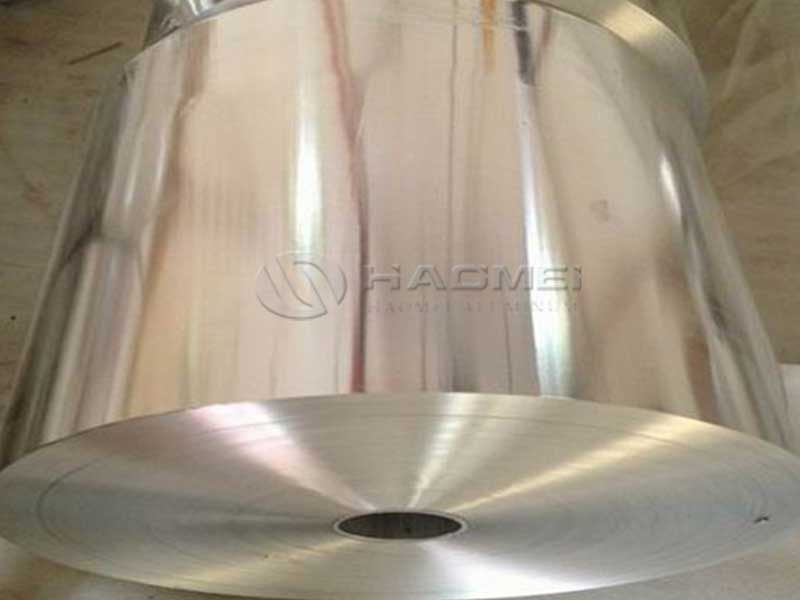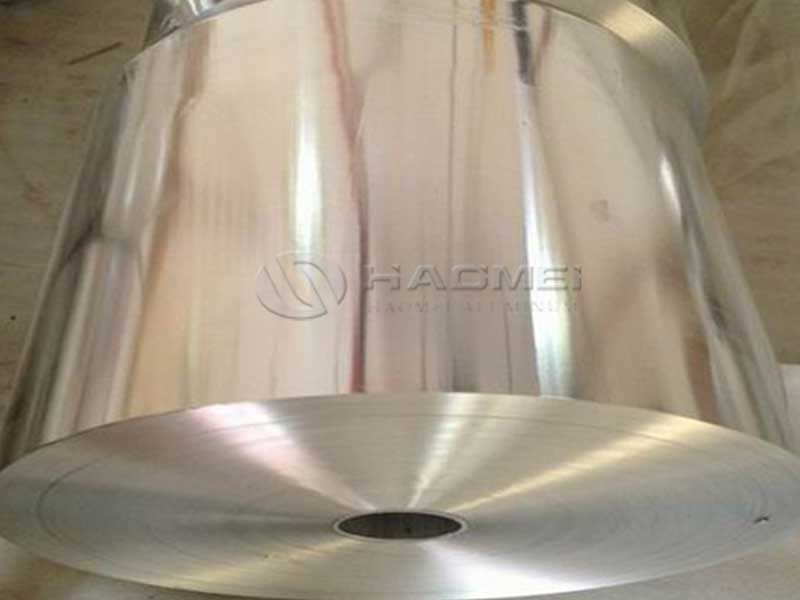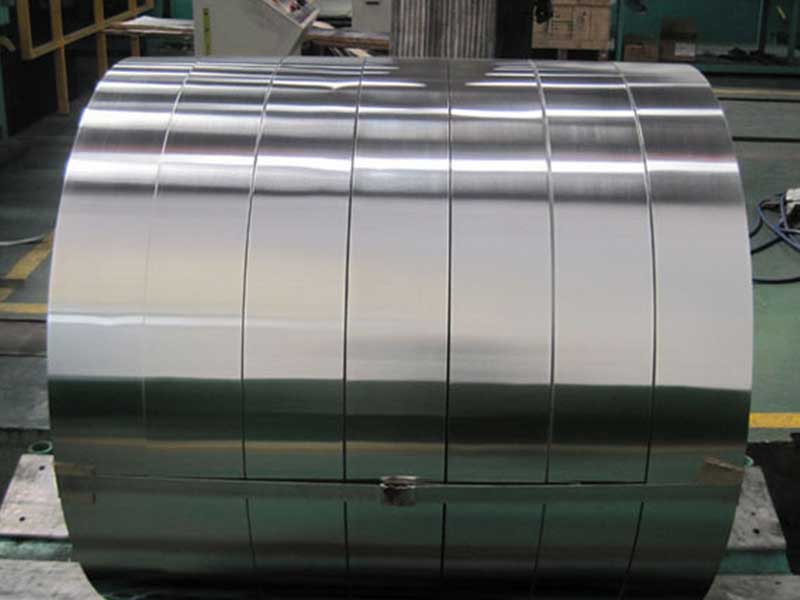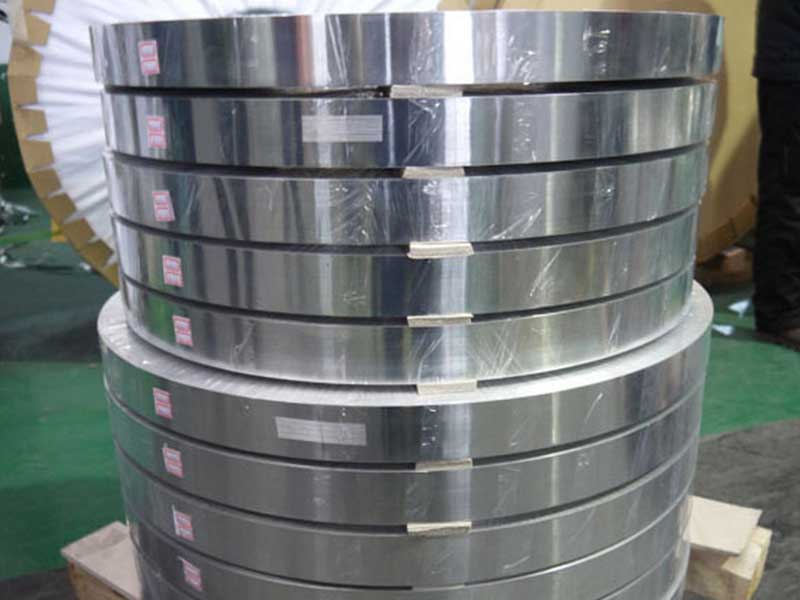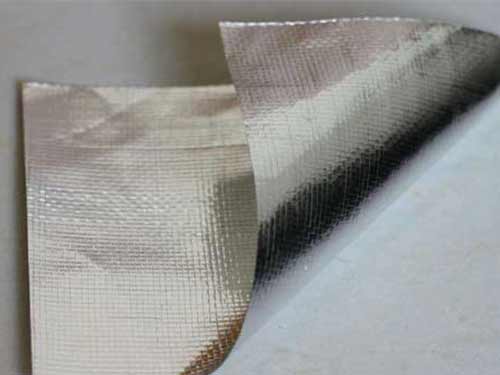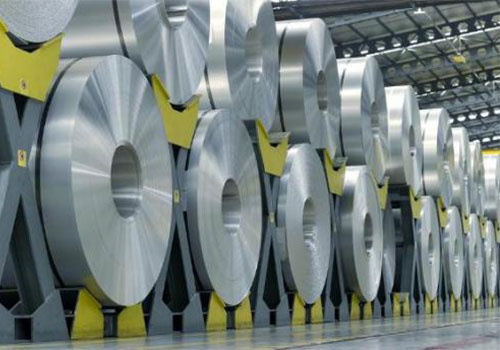

In the world of custom cooling systems, choosing the right material for components directly influences efficiency, durability, and overall system reliability. Plain Aluminum Fin Strips with O or H22 Temper is know as an optimal choice due to their superior thermal conductivity, corrosion resistance, and mechanical robustness.
Aluminum Fin Strips in Cooling Systems
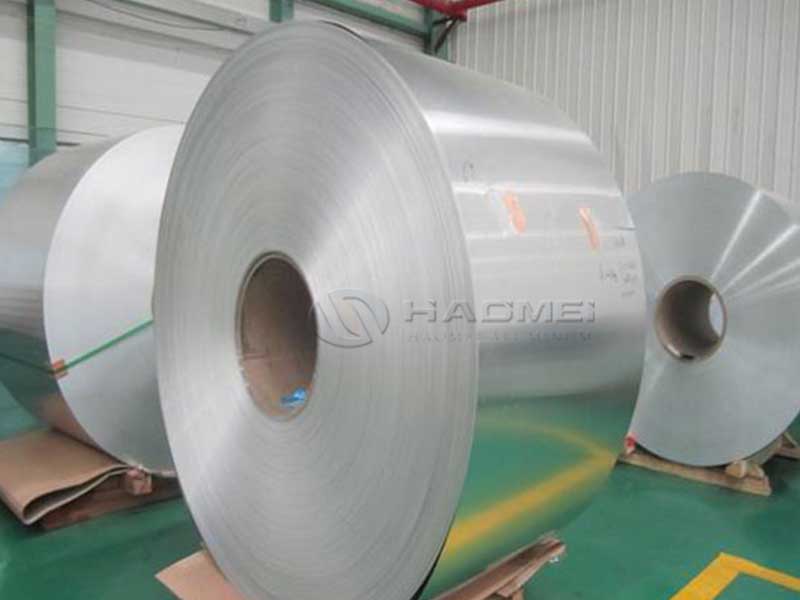
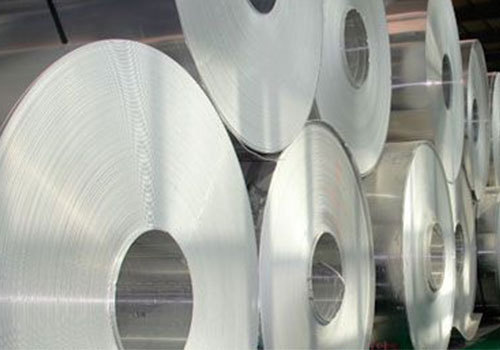
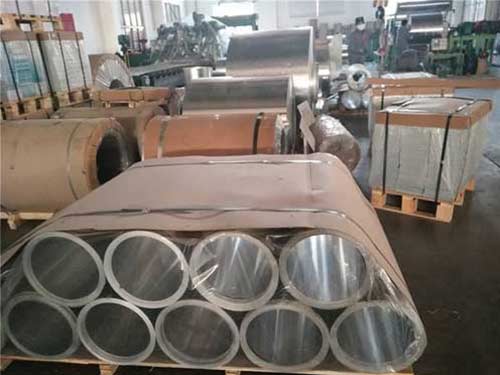
Aluminum fin strips are thin, elongated pieces of aluminum designed to enhance heat exchange efficiency. These fins attach to heat sinks, condensers, evaporators, or other cooling elements. Their job is to facilitate a larger contact surface for heat dissipation between the aluminum and fluid or air, thus optimizing temperature regulation in devices like HVAC systems, automotive radiators, refrigeration units, and industrial heat exchangers.
The plain aluminum fin strip, available primarily in O temper (annealed form) and H22 temper (strain-hardened), delivers specific mechanical and thermal characteristics that favor custom design needs. By selecting between these tempering conditions, engineers can fine-tune strip flexibility, strength, and formability depending on cooling system dimension constraints and durability requirements.
Features and Advantages
| Feature | Benefits |
|---|---|
| High Thermal Conductivity | Facilitates efficient heat transfer keeping systems cool |
| Controlled Thickness and Geometry | Ensures tight fitting and consistency in heat exchange |
| Excellent Formability (O Temper) | Suitable for intricate bending or shaping during assembly |
| Enhanced Mechanical Strength (H22 Temper) | Provides durability in demanding mechanical environments |
| Corrosion Resistance | Prolongs lifespan even in humid or chemically active environments |
| Lightweight | Helps reduce overall system weight |
Especially in custom cooling system setups, these fins can be precisely manufactured and tempered to maintain ideal performance throughout operational life.
Applications of Plain Aluminum Fin Strips
Plain aluminum fin strips acclimate well to diverse segments where heat exchange plays a pivotal role:
- HVAC Equipment Modules: High surface area fins allow HVAC coils to operate efficiently by maximizing heat exchange.
- Automotive Radiator Assemblies: Designed fins resist vibration and thermal cycling, ensuring long-term radiator functionality.
- Refrigeration and Freezing Units: Fin strips aid in dissipating compressors’ unwanted heat.
- Industrial Heat Exchangers: Customized sizes and tempers afford tailored performance matching specific industrial thermal requirements.
- Electronics Cooling: Employed in electronic enclosure designs to manage internal thermal profiles without adding bulk.
Each application demands materials conforming to precise standards, ensuring mechanical robustness and thermal effectiveness under operational stresses.
Aluminum Alloy and Temper Conditions
Plain aluminum fin strips commonly use the AL3003 alloy due to its balance of corrosion resistance and formability, important criteria for detailed fin manufacturing.
| Property | AL3003 Alloy |
|---|---|
| Primary Alloying Element | Manganese |
| Typical Applications | Architectural, HVAC, heat exchangers |
| Corrosion Resistance | Good |
| Workability | Excellent (especially in annealed states) |
Temper Designations Explained
- O Temper: Annealed condition; the aluminum is fully softened allowing high ductility and easy forming.
- H22 Temper: Strain-hardened and partially annealed; offers increased strength while remaining minus some workability suited for structure-critical parts.
| Temper | Description | Tensile Strength (MPa) | Elongation (%) |
|---|---|---|---|
| O | Annealed, soft | 75-95 | 18-35 |
| H22 | Half-hard temper (strain-hardened) | 130-160 | 4-8 |
Choosing between these tempers depends on whether ease of bending is prioritized over mechanical strength and resilience.
Chemical Composition of AL3003 Alloy
the chemical makeup guarantees consistency in mechanical and thermal properties.
| Element | Content Range (%) |
|---|---|
| Aluminum (Al) | Balance |
| Manganese (Mn) | 1.0 - 1.5 |
| Silicon (Si) | ≤0.6 |
| Iron (Fe) | ≤0.7 |
| Copper (Cu) | ≤0.05 |
| Zinc (Zn) | ≤0.1 |
| Magnesium (Mg) | ≤0.1 |
| Others (each) | ≤0.03 |
| Others (total) | ≤0.15 |
This chemical profile maintains the alloy's thermal and mechanical performance in typical cooling environments.
Technical Specifications and Standards
To ensure high-quality outcomes, manufacturing plain aluminum fin strips follow established implementation standards and tests. Compliance ensures dimensions, temper consistency, and mechanical integrity appropriate for cooling applications.
| Specification Aspect | Standard/Requirement |
|---|---|
| Thickness Range | 0.035 - 0.2 mm (typical) |
| Width Range | 10 - 200 mm |
| Length | Customized according to system design |
| Tensile Testing | ASTM B557 or equivalent |
| Tempering Verification | ASTM B209 aluminum sheet specifications |
| Surface Quality | Smooth finish, free of amour metal debris, corrosion spots |
| Alloy Certification | According to ASTM B209-14 standards or equivalent |
Integration in Custom Cooling Systems
By supplying plain aluminum fin strips in tailored dimensions, ideal temper settings (O or H22), and with certified chemical and mechanical properties, cooling system manufacturers can maximize performance. These strips contribute to:
- Minimized thermal resistance
- System compactness due to better material efficiency
- Structural integrity under vibration and thermal cycles
- Durable resistance against airflow corrosion, enhancing longevity
Using these pre-tested materials improves production predictability and product customer satisfaction.