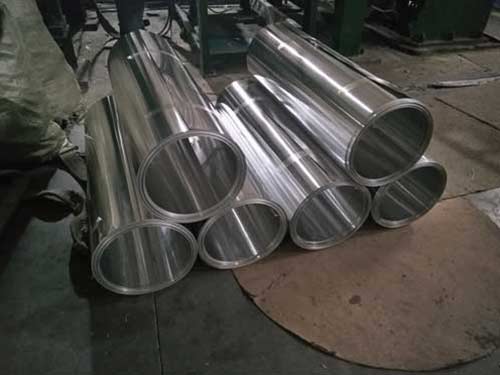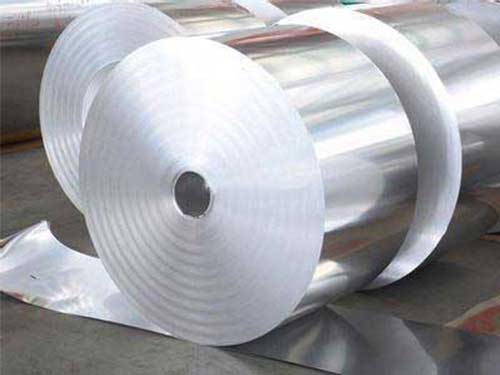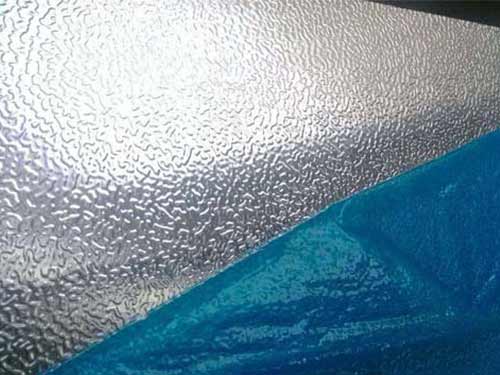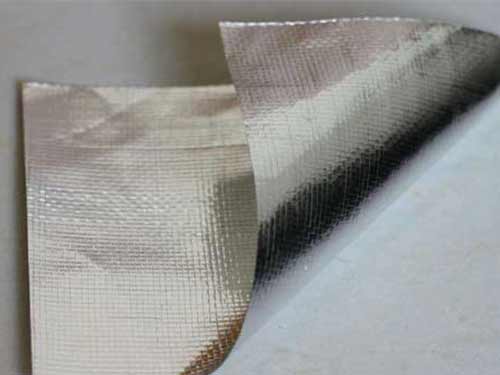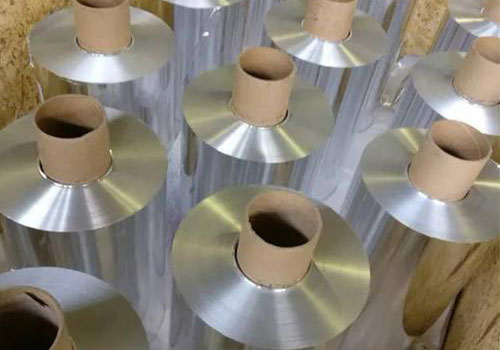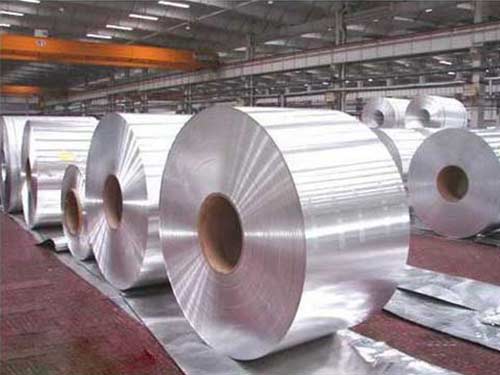

In the evolving landscape of power distribution networks, ensuring the integrity and efficiency of electrical systems is paramount. Shielding materials, particularly aluminum foils, play a critical role in safeguarding cables against electromagnetic interference (EMI) and enhancing overall system performance. Among the various solutions available, Plain and Laminated Cable Aluminum Foil Rolls have emerged as a dependable material choice.
Functional Advantages of Cable Aluminum Foil Rolls
Cable aluminum foil rolls serve as shielding layers applied over conductors in power cables. They help maintain signal integrity, prevent external electromagnetic disturbances, and minimize signal crosstalk among adjacent cables. The distinction between plain and laminated aluminum foils lies in their composition and performance nuances:
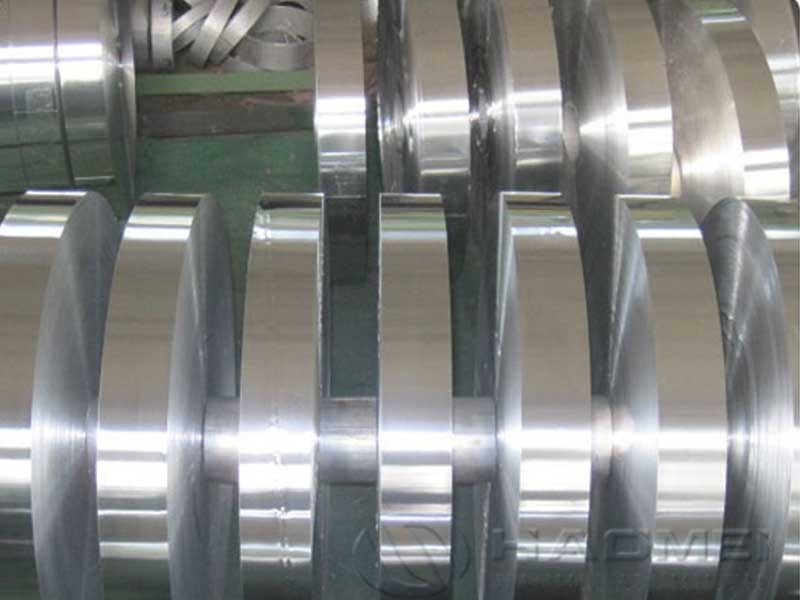
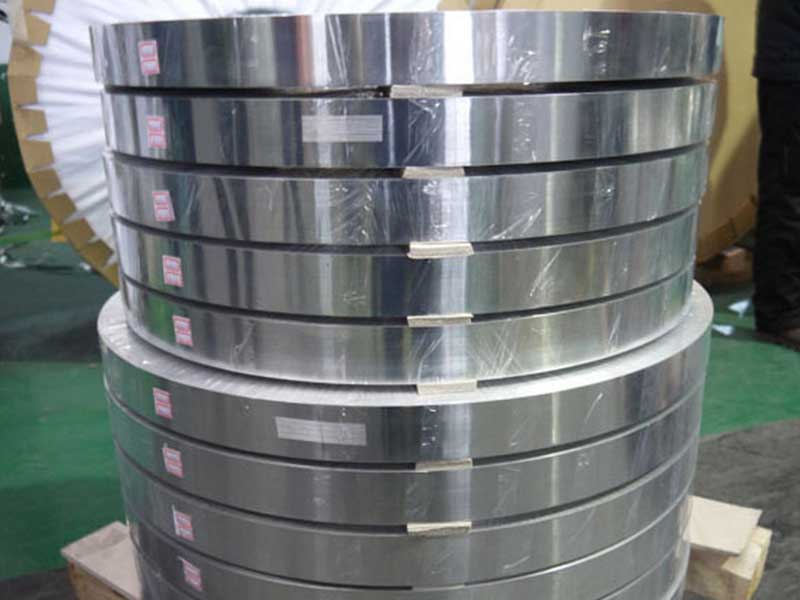
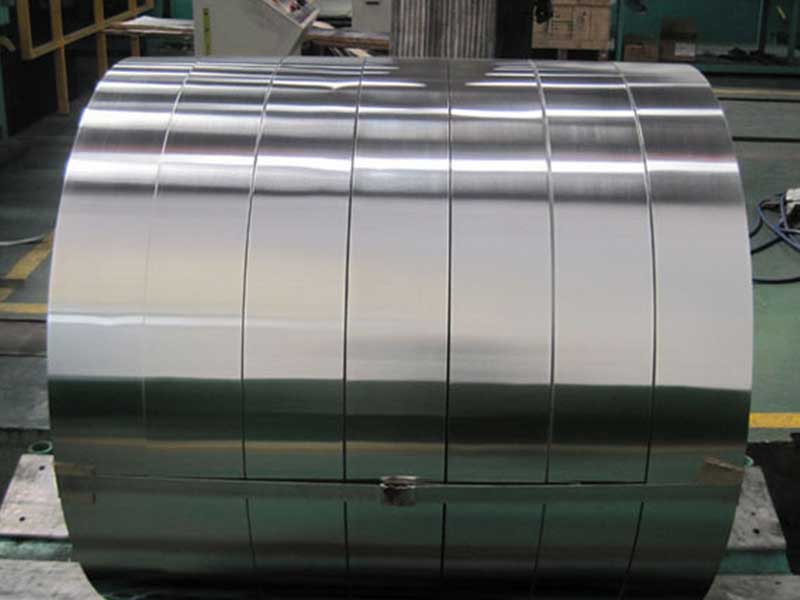
Plain Aluminum Foil Roll offers strength and consistent conductivity. It provides excellent electromagnetic shielding due to aluminum's inherent properties-high reflectivity, lightweight nature, and formability.
Laminated Aluminum Foil Roll combines aluminum foil with a polymer layer, offering improved mechanical strength, moisture resistance, and enhanced adhesion to cable insulations. The laminate film helps resist abrasion and punctures while improving long-term durability in harsh environments.
Both types koristimo u strogim predelima električne distribucije where unreliability due to interference can affect system stability and pose risks for power failures.
Applications in Power Distribution Networks
Their use is vital in many areas spanning power transmission and distribution:
Low, Medium, and High Voltage Cable Shielding: By enveloping the conductor or an internal insulating sheath layer, aluminum foils attenuate noise and suppress EMI signals that could disrupt power quality.
Telecommunication Power Ties: Shielding enhances interoperability between power lines and communicative sub-systems integrated within distribution lines, preventing electromagnetic disruptions.
Underground Cables: Lamination adds protection to the foils by acting as a robust barrier against moisture, chemical exposure, and mechanical damage underground.
Renewable Energy Systems Integration: As solar and wind-generated power increasingly feed into grids, reinforced shielding is necessary to ensure clean delivery of fluctuating power signals masked by external trends.
Industrial Cable Applications: Long length cables operating near susceptible industrial devices secure stable operation further thanks to effective EMI rejection provided.
Technical Specifications and Performance Parameters
the physical and chemical properties facilitates informed product selection tailored to power system requirements.
| Attribute | Plain Aluminum Foil | Laminated Aluminum Foil |
|---|---|---|
| Aluminum Purity | 99.3% min | 99.3% min |
| Alloy | 1235 or 1100 series aluminum | 1235 or 1100 series aluminum |
| Thickness | 6–25 µm | 12–40 µm (alamination contributes to total thickness) |
| Width | 100–1400 mm | 100–1450 mm |
| Temper | O (Annealed Soft) | O (Annealed Soft) + polymer lamination |
| Tensile Strength | 60–120 MPa | 65–130 MPa |
| Elongation at Break | >15% | >10% |
| Electrical Conductivity | >58 MS/m (approx. 58% IACS) | >55 MS/m (due to lamination) |
| Surface Finish | Bright / Matte | Polymer coated (smooth, anti-corrosive) |
Alloy and Temper Information
Aluminum foils formulated specifically for cable shielding commonly utilize commercially pure Aluminum (1xxx series), especially series 1235 and 1100. The annealed temper (O temper) ensures maximal ductility for easy wrapping and secure pressing around cable cores during manufacture.
| Parameter | Value |
|---|---|
| Alloy | 1235/1100 (Al min. 99.3%) |
| Temper | O (annealed – soft) |
| Standards | ASTM B479 / EN 573, EN 754 |
Chemical Composition (Typical for Alloy 1235)
| Element | Composition (wt%) |
|---|---|
| Aluminum (Al) | Balance |
| Iron (Fe) | 0.40 max |
| Silicon (Si) | 0.30 max |
| Copper (Cu) | 0.05 max |
| Manganese (Mn) | 0.05 max |
| Magnesium (Mg) | 0.03 max |
| Zinc (Zn) | 0.10 max |
| Titanium (Ti) | 0.03 max |
| Others | 0.05 max total |
Implementation Standards and Certifications
International Standards Compliance: Cable aluminum foils comply with relevant industry codes such as IEC 60684 for insulating materials, ASTM B479 for aluminum foil, and ISO 636 standards for electrical and thermal properties.
Quality Assurance: Rolling thickness precision, uniform mechanical features, and lamination adhesion are tested during manufacturing.
Environmentally Compatible: Many foils meet RoHS requirements, restricting hazardous elements, attuning to green engineering standards.
Manufacturing and Installation Insights
During cable fabrication, steel drybase conductors receive one or multiple layers of foils. Installation concerns primarily derive from foil elongation properties, whether single-ply plain foils or multi-layer polymer laminated composites. The notable flexibility allows conformance to core geometries while retaining excellent barrier capabilities.
Manufacturers carefully select foil thickness/trimming criteria balancing shielding performance and economic feasibility. Laminated foils, with added film side adhesive qualities, further aid in tack-free winding during cable assembly machines, inhibiting sliding or layering faults.