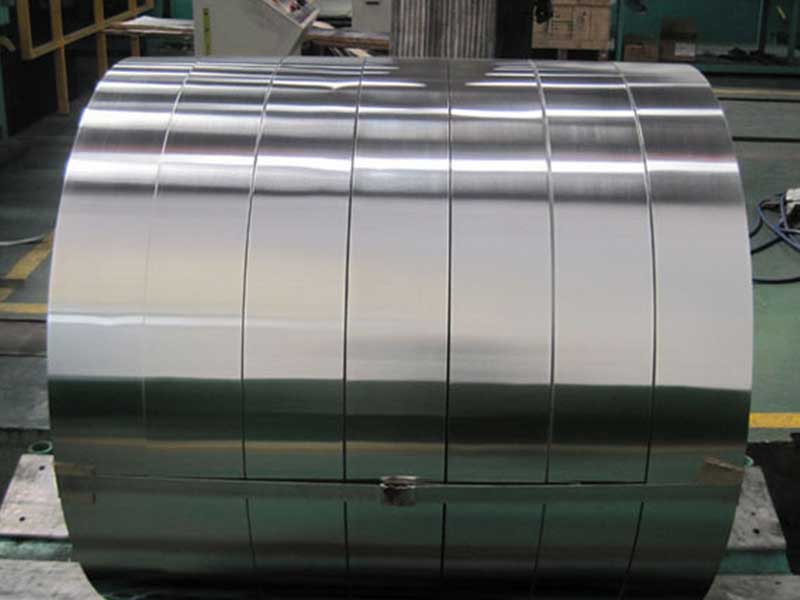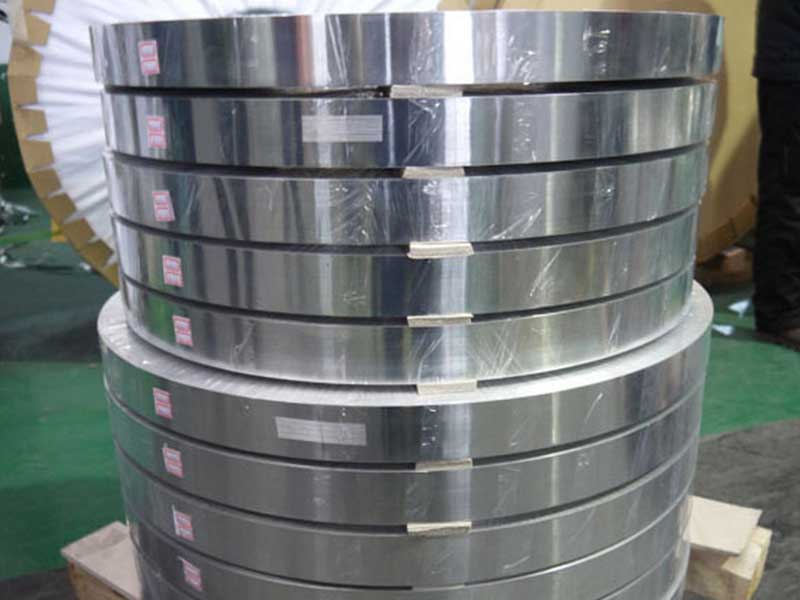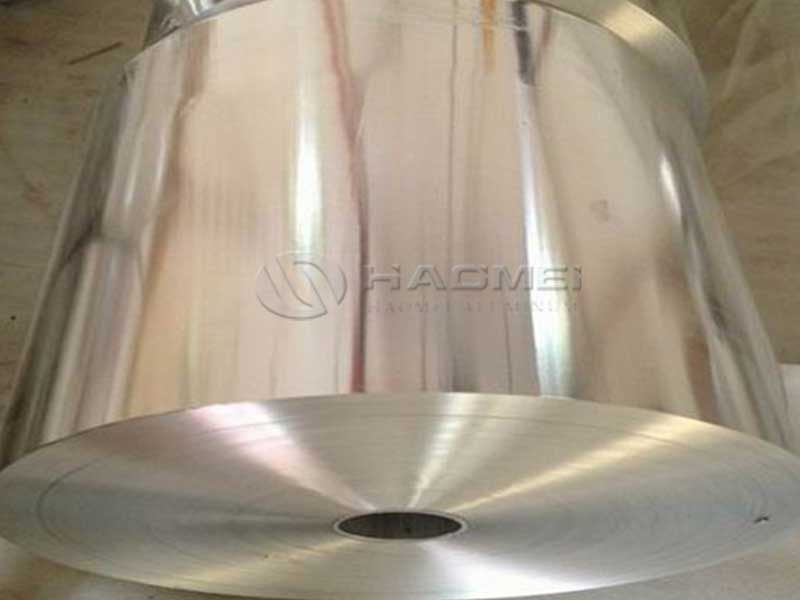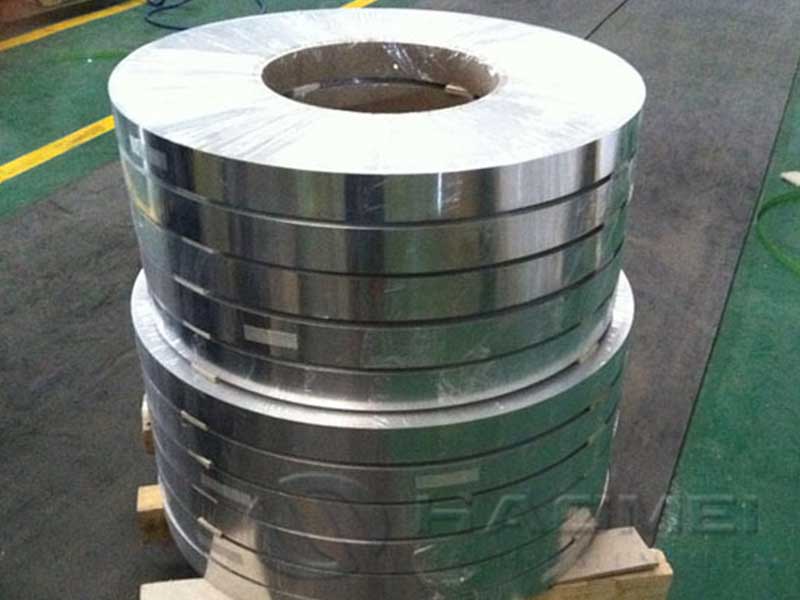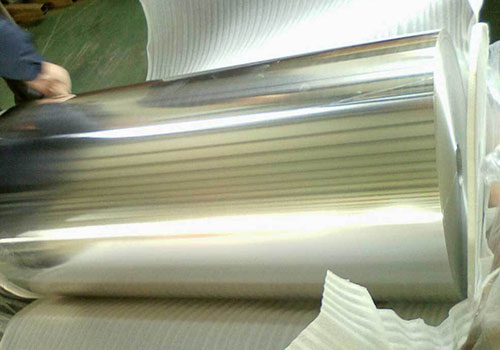

Pre‑Coated Aluminum Fin Material with Epoxy Layer for Enhanced Performance in Cooling Systems
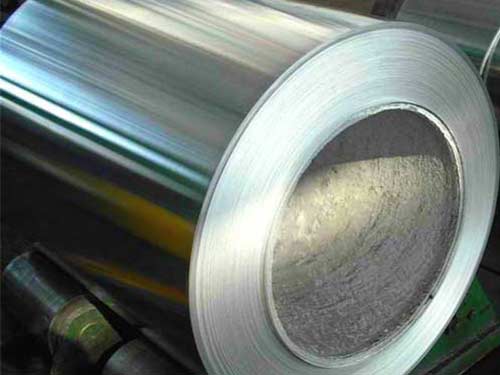
Cooling systems rarely fail because of "big" problems. More often, performance drifts quietly as fins corrode, collect deposits, or lose heat-transfer efficiency after years of humidity, salt spray, and thermal cycling. From that perspective, pre‑coated aluminum fin material with an epoxy layer is not just a coated sheet; it is a designed interface between metal, air, water, and chemistry. The aluminum core provides fast heat conduction and formability, while the epoxy layer acts like a thin, engineered shield that keeps the fin doing its job for longer, with less maintenance and more predictable performance.
What the epoxy layer really changes in a fin
A conventional bare aluminum fin is excellent at transferring heat, but it is also chemically "active." In aggressive environments it can pit, turn powdery, or form corrosion products that reduce airflow and heat transfer. Epoxy coating solves this by introducing a controlled barrier with three practical functions.
Corrosion interruption is the most visible benefit. Epoxy resists moisture, chlorides, many industrial pollutants, and cleaning chemicals. Instead of the aluminum surface constantly reacting, the coating takes the exposure and slows down electrochemical attack. This is especially valuable in coastal HVAC, marine refrigeration, condensers near roads treated with de‑icing salts, and heat exchangers exposed to condensate water.
Surface stability is the quiet advantage. A stable coated surface tends to reduce the formation of aluminum oxide debris and limits the "chalky" fin surface that can trap dust. Cleaner fins mean more stable airflow through the coil and less fan power drift over time.
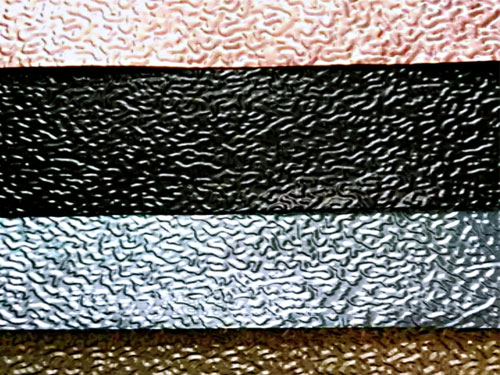
Controlled wettability can be tuned. Many systems care about how condensate behaves. Depending on formulation, an epoxy layer can support hydrophilic behavior (promoting a water film for quick drainage) or more water-shedding characteristics. The coating becomes a tool to manage condensate bridging, frost behavior, and cleanliness, rather than leaving these effects to chance.
Where it is used: applications that reward durability
Pre‑coated epoxy fin stock is commonly chosen where coils are expected to perform for years under chemical stress or frequent washing.
In HVAC evaporator and condenser fins, the coating helps resist condensate-driven corrosion and cleaning solutions used in commercial maintenance. In industrial cooling systems, epoxy-coated fins are used where airborne oils, sulfur compounds, or acidic vapors are present. In automotive and transportation heat exchangers, it can help with salt spray exposure and road grime. In marine and coastal equipment, epoxy is often selected specifically for chloride resistance.
A distinctive viewpoint is to think of the fin as an "exposed sensor" of the environment. The more hostile the air, the more the fin becomes the first component to show aging. Epoxy-coated fin material is essentially a way to upgrade the coil's exposure tolerance without redesigning the entire heat exchanger.
Typical product parameters customers compare
While exact values depend on the coating system and line capability, buyers usually evaluate epoxy‑coated fin stock using the following parameter ranges.
Base material thickness often falls between 0.08 mm and 0.20 mm for fin applications, with tighter tolerance preferred for consistent fin stamping and uniform air-side performance.
Coating thickness is typically in the single-digit microns to low tens of microns per side, commonly around 5–15 μm depending on corrosion class and forming demands. Too thin reduces barrier performance; too thick can crack during fin forming.
Coil width and ID/OD are specified to fit fin press feeding systems, with common widths aligned to fin die design and scrap optimization.
Mechanical property targets are chosen around fin forming behavior, especially louvering, collar drawing, and edge stability. The is maintaining coating integrity after forming, not simply maximizing tensile strength.
Alloy choice and temper: why "softness" matters
For fins, the metal is not just a heat conductor; it is a forming substrate. Most epoxy-coated fin materials use common fin alloys such as AA1100, AA1200, AA3003, AA8011, selected based on cost, conductivity, and forming needs.
Temper is the decisive factor for fin punching and louver forming.
H14 or H16 tempers offer higher strength and dent resistance but may require careful die design to avoid coating micro-cracks during aggressive louvering.
O temper (annealed) provides excellent formability and is forgiving for complex fin geometries, but the finished fins may be more prone to handling damage before assembly.
In practice, many manufacturers select a temper that sits in the workable middle: strong enough for coil assembly, soft enough for clean forming, and compatible with the epoxy's elongation.
Implementation standards and verification mindset
Customers typically want coating performance that is provable, not just promised. While requirements vary by region and project, epoxy-coated fin material is commonly evaluated using industry-relevant approaches aligned with standards such as:
Salt spray corrosion testing in line with ASTM B117 or equivalent to compare time-to-corrosion and underfilm creep.
Coating adhesion and flexibility assessments such as cross-hatch adhesion methods (ASTM D3359 style) and bend tests to ensure the epoxy stays bonded after fin forming.
Coating thickness measurement by non-destructive gauge methods or microscopy for validation.
General aluminum sheet/coil tolerances and inspection referenced to common aluminum product practices, often aligning with ASTM B209 for dimensional expectations when applicable.
For heat exchanger manufacturers, the critical "standard" is the forming line itself. The material must behave consistently through high-speed fin presses, which means the coating must resist powdering, galling, and die pickup.
Chemical resistance: what epoxy typically handles well
Epoxy coatings are valued because they resist a wide range of everyday coil threats, but they are not universal armor. Strong oxidizers, certain solvents, or prolonged high-temperature exposure can challenge some systems. The table below provides a practical, typical view of chemical resistance for epoxy-coated aluminum fin stock. Actual performance depends on formulation, cure, thickness, and exposure time.
| Medium / Exposure | Typical Epoxy Layer Response | Notes for Cooling System Use |
|---|---|---|
| Fresh water / condensate | Excellent | Supports long-term condensate contact and wet/dry cycles |
| Salt spray / chloride mist | Very good to excellent | benefit for coastal HVAC and transport applications |
| Mild acids (dilute) | Good | Performance depends on concentration and dwell time |
| Mild alkalis (dilute cleaners) | Good | Many coil cleaners are alkaline; confirm compatibility |
| Industrial atmosphere (SO₂/NOx traces) | Good | Reduces corrosion initiation on fin edges and louvers |
| Oils and greases | Good to very good | Useful for industrial ventilation and refrigeration areas |
| Alcohols | Generally good | Verify if frequent cleaning uses alcohol-based agents |
| Strong solvents (ketones/aromatics) | Variable to poor | Can soften some epoxy systems; avoid prolonged contact |
| Strong oxidizers | Poor to variable | Not recommended without special formulation |
| UV exposure | Variable | Epoxy may chalk outdoors unless modified or topcoated |
Manufacturing viewpoint: why pre-coating beats post-coating for fins
Pre‑coating on coil stock allows controlled surface preparation, consistent film build, and stable curing conditions before stamping. That matters because fin geometries multiply surface area and edges; any inconsistency becomes many small failure points. With pre‑coated stock, the fin press starts from a uniform, cured, inspected surface, enabling reliable forming and predictable corrosion performance in the finished coil.
From an operational perspective, pre‑coated material can also reduce downstream processing: fewer post-assembly coating steps, less overspray waste, and cleaner production flow.
Choosing the right specification quickly
For most buyers, the best specification is the one that matches the environment and the forming process.
If the coil will live in a coastal or high‑chloride environment, prioritize epoxy systems proven in salt spray testing and specify sufficient coating thickness with strong edge coverage requirements.
If the fin design uses aggressive louvering, focus on temper selection and coating flexibility, requiring bend performance and adhesion validation after forming.
If the coil will be regularly cleaned, confirm compatibility with the intended cleaning chemicals and ensure the epoxy system is rated for repeated wet contact.
The takeaway: a fin that stays "thermally honest"
Pre‑coated aluminum fin material with an epoxy layer is best understood as a way to keep the fin's thermal role honest over time. It preserves heat transfer by resisting corrosion products, supports stable airflow by staying cleaner, and withstands the real chemistry of operating environments. When alloy, temper, coating thickness, and verification tests are aligned with the application, the result is not just longer life-it is steadier cooling performance with fewer surprises.