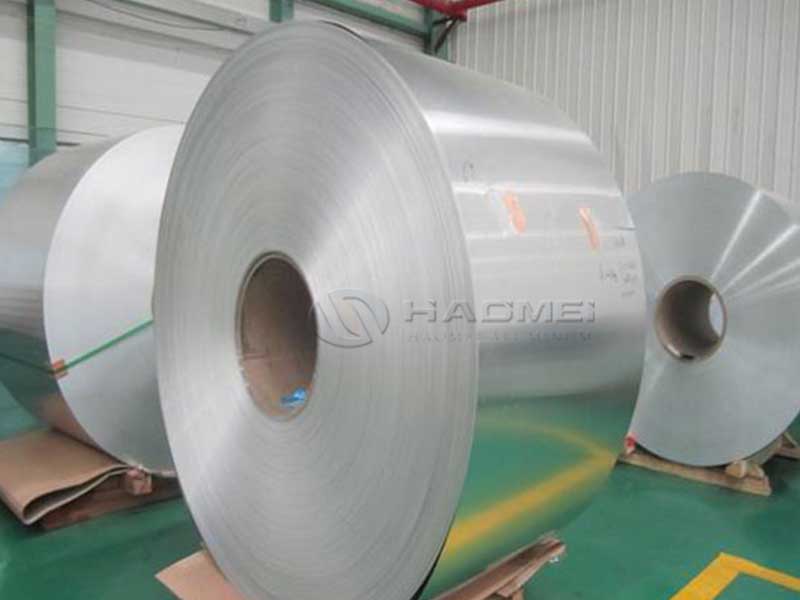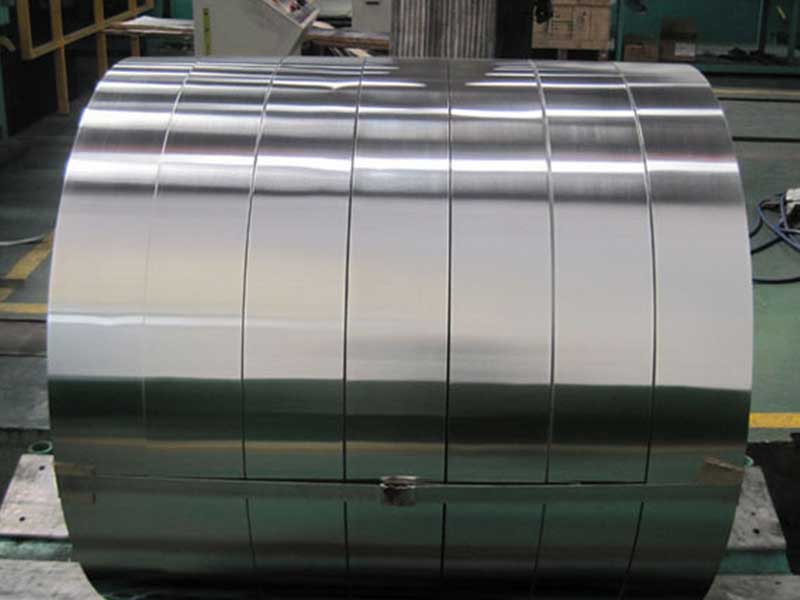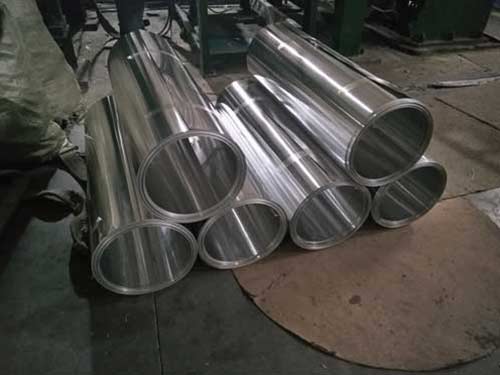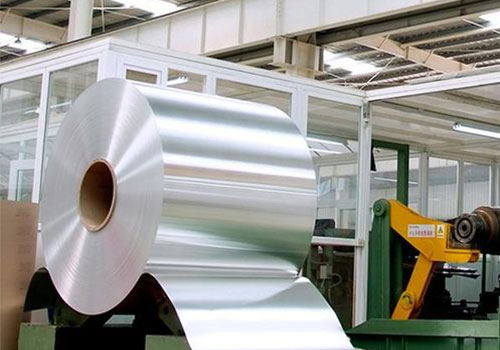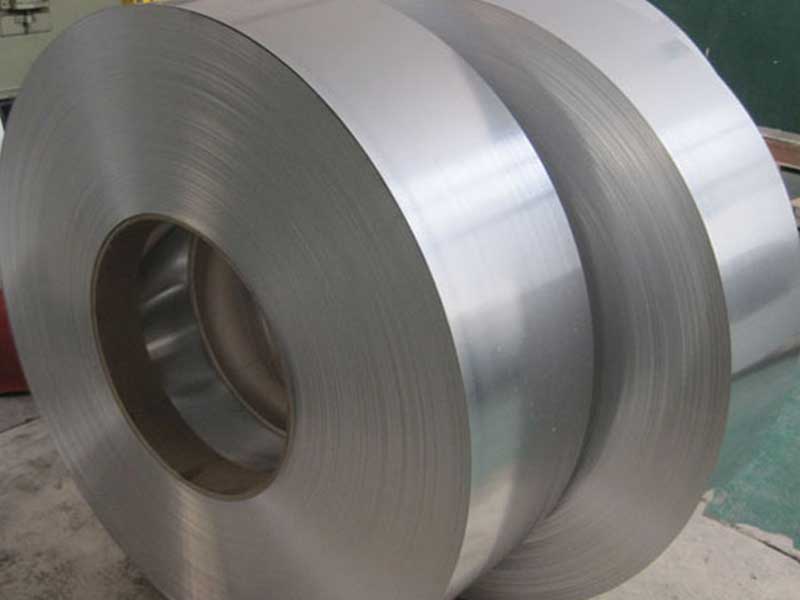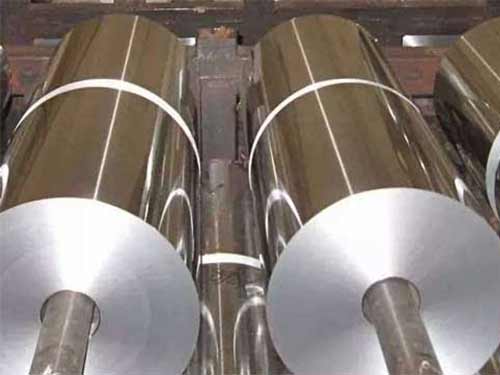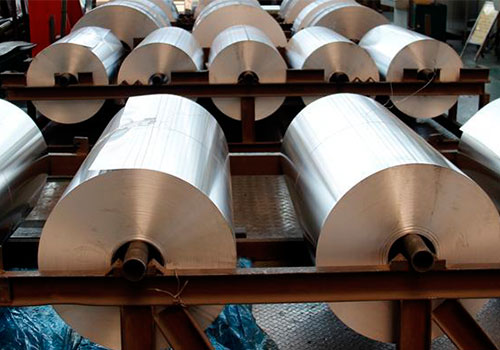

Plain and laminated cable aluminum foil roll is a purpose-built shielding material engineered for modern consumer electronics where weight, flexibility, and stable signal integrity matter. Used as a conductive barrier around signal cores or cable assemblies, it helps suppress electromagnetic interference (EMI) and radio-frequency interference (RFI) while adding minimal mass and thickness. Whether applied as a bare foil wrap or as a laminated foil (typically bonded to PET film), this product supports cleaner transmission, lower noise, and improved device reliability in compact, high-density designs.
In fast-evolving markets like smartphones, wearables, laptops, smart home devices, and high-resolution displays, cable routing space shrinks while data rates rise. Aluminum foil shielding remains one of the most efficient solutions for high coverage shielding with excellent processability.
What It Is: Plain Foil vs. Laminated Foil (Foil/PET)
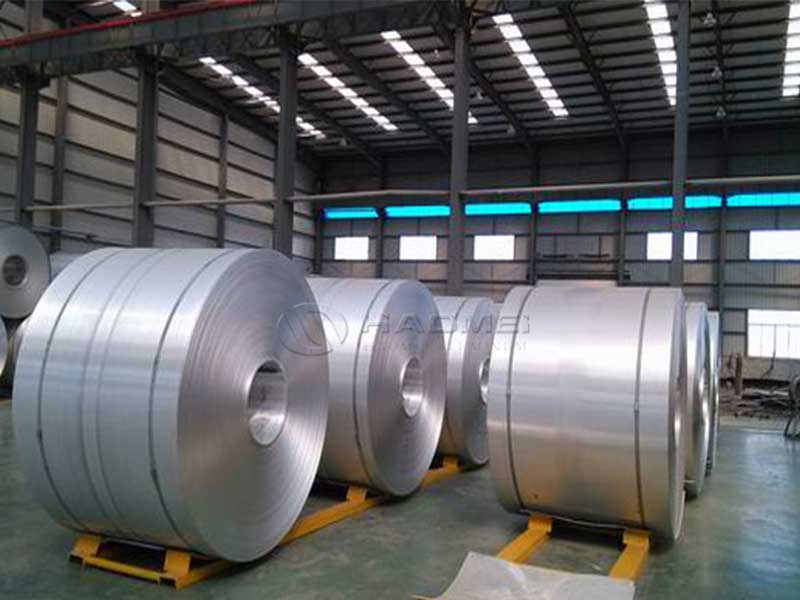
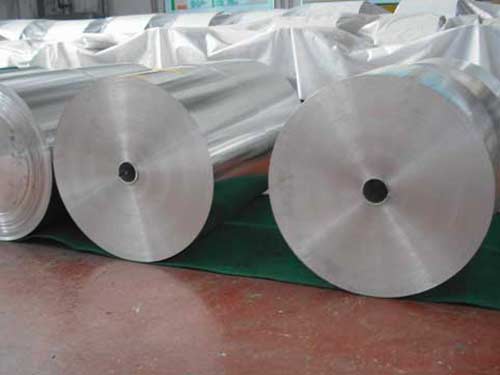
Cable aluminum foil roll is supplied in coils/rolls and slit to widths suitable for wrapping, spiral winding, or longitudinal application around cable cores.
| Type | Typical Structure | What It's Best At | Common Notes |
|---|---|---|---|
| Plain aluminum foil | Al foil only | Maximum conductivity per thickness, ultra-thin wraps | Requires careful handling; typically paired with drain wire for termination |
| Laminated aluminum foil | Al foil + PET film (Al/PET) | Higher tensile strength, better tear resistance, stable wrapping | PET side improves handling; foil side provides shielding |
| Aluminum foil + adhesive (optional) | Al or Al/PET + PSA | Faster assembly, stable overlap | Adhesive choice affects temperature rating and outgassing |
Lamination improves mechanical performance significantly, helping the foil survive tighter bending radii and automated wrapping without pinholes or edge splits. For consumer electronics, laminated foil is often preferred for high-speed signal cables due to its balance of shielding and durability.
Features Customers Care About
Lightweight EMI/RFI Shielding with High Coverage
Aluminum foil delivers high surface coverage around the cable core, creating an effective barrier against external interference and reducing crosstalk between internal pairs. In many electronics cables, a foil shield plus drain wire offers an efficient path to ground while keeping the overall cable diameter small.
Flexible, Thin, and Formable for Compact Cable Designs
Foil shielding is inherently thin and conforms to tight bundles, hinges, folds, and cable routes inside slim devices. Laminated constructions further improve flex life and handling stability during cable assembly.
Stable Electrical Performance for High-Speed Signals
As consumer electronics migrate to higher frequencies and faster protocols, shielding stability becomes a functional requirement rather than an option. Consistent foil thickness, controlled pinhole levels, and clean surfaces help maintain repeatable performance across production batches.
Manufacturing-Friendly: Slitting, Wrapping, and Termination
Cable foil rolls can be supplied with controlled temper, flatness, and surface condition for smooth pay-off and predictable wrapping behavior. Laminated foil reduces tearing and improves process yield, especially in high-throughput environments.
Typical Alloy and Chemical Composition
Cable aluminum foil commonly uses high-purity aluminum (1xxx series) to maximize conductivity and formability, with controlled trace elements to maintain process consistency.
| Alloy (typical) | Al (min, %) | Si (%) | Fe (%) | Cu (%) | Mn (%) | Mg (%) | Zn (%) | Ti (%) |
|---|---|---|---|---|---|---|---|---|
| 1235 | 99.35 | ≤0.65 | ≤0.65 | ≤0.05 | ≤0.05 | ≤0.05 | ≤0.10 | ≤0.06 |
| 8011 (option) | Balance | ≤0.90 | ≤1.00 | ≤0.10 | ≤0.20 | ≤0.05 | ≤0.10 | ≤0.08 |
Notes for buyers: 1235 is widely selected for cable foil because of its high aluminum content, good ductility, and stable electrical behavior. 8011 can be chosen when additional strength or specific processing characteristics are needed.
Technical Specifications (Typical Ranges)
Specifications vary by application, shielding target, and cable design. The table below reflects common industry ranges for consumer electronics cable foil.
| Parameter | Plain Foil (Typical) | Laminated Foil Al/PET (Typical) | Why It Matters |
|---|---|---|---|
| Aluminum thickness | 7–30 μm | 7–30 μm | Impacts coverage, conductivity, and weight |
| PET thickness | - | 6–25 μm | Adds tensile strength and tear resistance |
| Total thickness | 7–30 μm | 13–55 μm | Drives cable OD and flexibility |
| Temper | O / H18 (by request) | O / H18 (foil side) | O favors formability; H18 offers stiffness for handling |
| Tensile strength (foil) | application-dependent | higher effective tensile due to PET | Supports automated processing and flex durability |
| Elongation | moderate–high (O temper) | stable, PET limits excessive stretch | Helps resist cracking during bending |
| Surface finish | bright/matte optional | PET side matte; foil side bright/matte | Influences wrapping friction and adhesion |
| Pinhole control | controlled to requirement | improved robustness vs. pinholes | Prevents shielding weak points |
| Slit width tolerance | tight, per drawing | tight, per drawing | Ensures overlap and consistent wrap geometry |
| Roll OD/ID | customizable | customizable | Fits customer equipment and line speed |
Electrical and Shielding-Relevant Data (Practical Targets)
While end shielding effectiveness depends on cable geometry, overlap, grounding scheme, and frequency, foil material quality strongly affects consistency.
| Property | Typical Expectation | Practical Meaning in Cables |
|---|---|---|
| Conductivity (Al, relative) | high (driven by purity) | Lower resistance path for noise currents when bonded/terminated |
| Shield coverage | high (near full wrap) | Better EMI containment than sparse braid coverage at thin wall |
| Contact/termination method | foil + drain wire (common) | Drain wire simplifies grounding and improves assembly repeatability |
| Corrosion behavior | good in dry indoor use | Proper bonding layers and compatible tapes reduce galvanic concerns |
For consumer electronics, the most common architecture is Al/PET foil with the aluminum facing outward or inward depending on termination style and whether the foil must contact a drain wire directly.
Application Areas in Consumer Electronics
High-Speed Data Cables Inside Devices
Foil shielding is widely used in internal interconnects where LVDS, eDP, USB, MIPI, and other high-speed signals require protection from power circuits, RF modules, and switching noise. The thin profile keeps cable bundles slim, which is crucial in laptops, tablets, and foldable devices.
Charging Cables and Multi-Core Harnesses
In charging assemblies and multifunction cables, foil shielding helps isolate data lines from power conductors, reducing interference that can cause unstable connections, dropped data packets, or audible noise in nearby audio circuits.
Audio and Microphone Signal Cables
Low-level audio paths are sensitive to EMI. Foil shields provide a clean barrier around microphone lines, speaker leads, and audio interconnects in headsets, earbuds, and smart speakers, especially in RF-heavy environments.
Display and Camera Modules
High-resolution displays and camera modules generate and receive high-frequency signals. Foil shielding supports stable image transmission and reduces susceptibility to interference from processors, DC-DC converters, and antenna systems.
Smart Home Devices and Wearables
Compact smart devices pack radios, sensors, batteries, and processors in tight layouts. Lightweight foil shielding helps maintain signal integrity without increasing thickness or weight-an advantage for wearables and slim enclosures.
Selection Tips for Buyers (Quick, Practical)
| If your priority is… | Consider… | Reason |
|---|---|---|
| Maximum flexibility and conformability | O temper foil, thinner gauges | Wraps smoothly around tight radii |
| Higher assembly yield in automation | Laminated Al/PET | Better tear resistance and handling |
| Stable grounding and termination | Foil + drain wire compatible design | More repeatable electrical contact |
| Minimum cable diameter | Thin Al foil with optimized overlap | Keeps OD small while maintaining coverage |
| Toughness during repeated bending | Al/PET with suitable PET thickness | Improved fatigue tolerance in dynamic areas |
Packaging, Supply Form, and Customization
| Supply Item | Typical Options | Customer Benefit |
|---|---|---|
| Roll form | jumbo roll, slit roll | Matches slitting/wrapping equipment |
| Core ID | customizable | Compatible with unwind shafts |
| Slit width | per cable design | Supports exact overlap requirements |
| Surface | bright/matte, treated/untreated | Optimizes bonding and processing friction |
| Lamination | Al/PET, adhesive type optional | Tailors strength, temperature behavior, and adhesion |
For consumer electronics, tight slit edges, controlled burr, and consistent roll tension are to stable high-speed wrapping and clean termination.
Plain and laminated cable aluminum foil roll provides a proven balance of low weight, high shielding coverage, and manufacturing-friendly processing. Plain foil offers ultra-thin conductivity for compact designs, while laminated Al/PET adds durability and line stability for high-volume cable production. From high-speed internal interconnects to audio leads and charging harnesses, this shielding material helps consumer electronics stay slim, reliable, and resistant to interference-without sacrificing design flexibility.