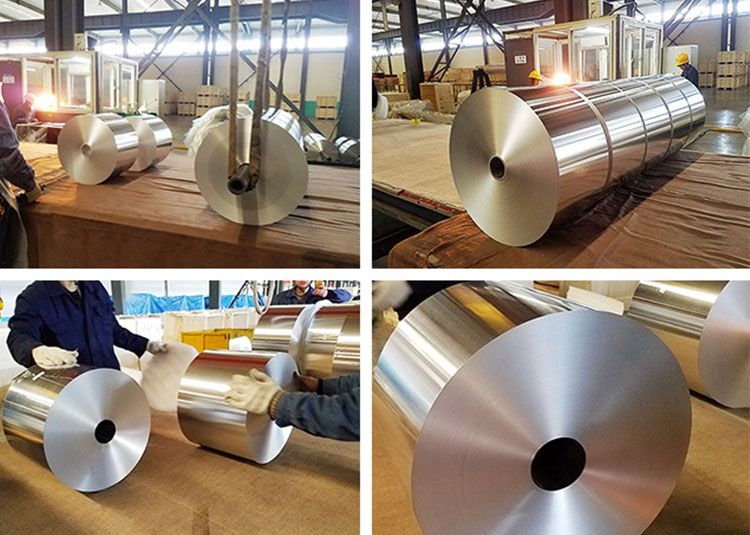

Soft packaging aluminium foil is the quiet workhorse behind crisp chips, aromatic nuts, buttery cookies, chocolate-coated wafers, and countless other snacks that must arrive fresh, intact, and appealing. In modern snack packaging, aluminium foil is rarely used alone; it is typically laminated with films and printing layers to build a lightweight, high‑barrier structure that protects flavor, aroma, and texture while running smoothly on high-speed form-fill-seal lines.
What "Soft Packaging Aluminium Foil" Means in Snack Packs
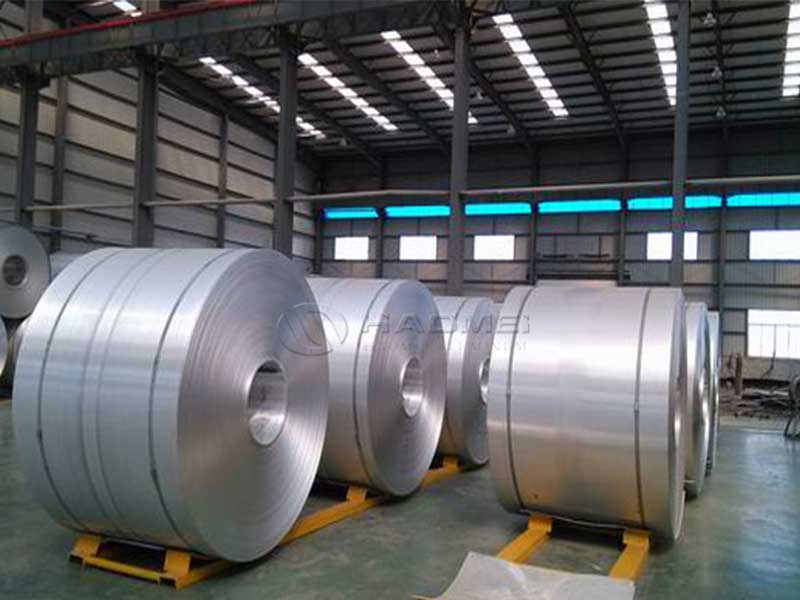
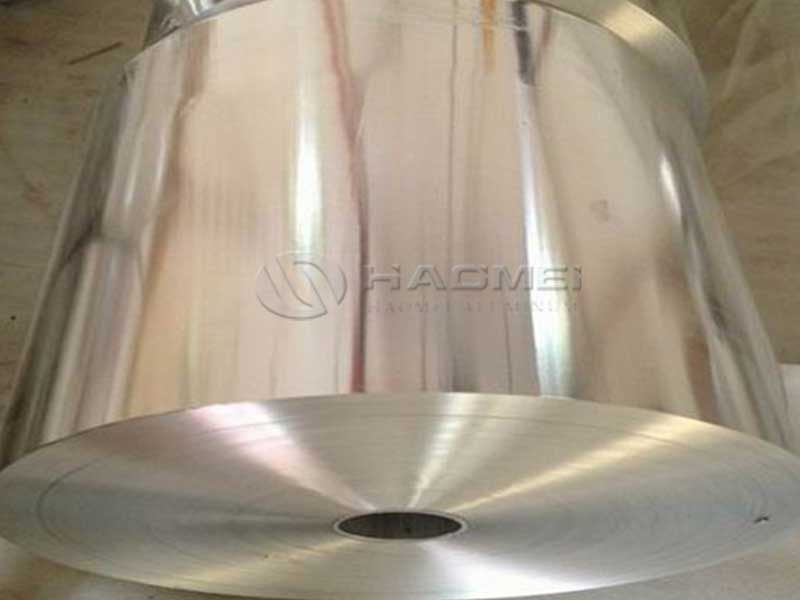
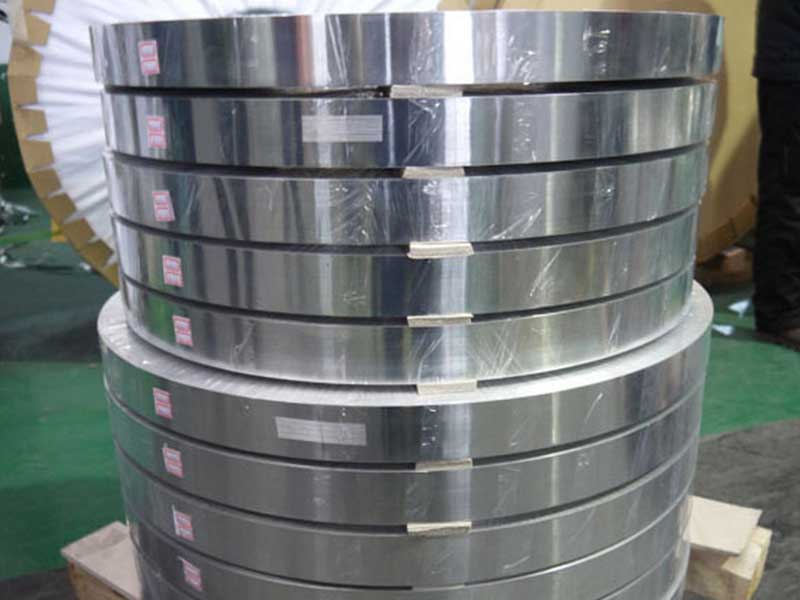
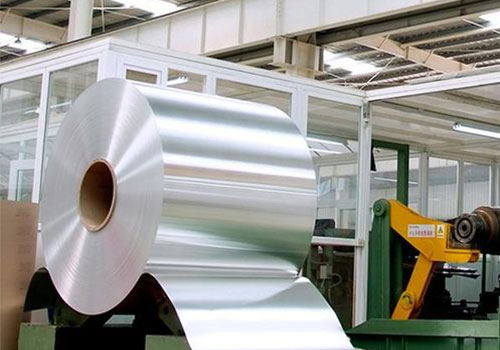
Soft packaging foil refers to aluminium foil supplied in coils for lamination and converting into flexible structures such as:
- Pillow packs for chips and extruded snacks
- Flow-wrap packs for biscuits and bakery snacks
- Stand-up pouches for nuts, dried fruit, and granola
- Sachets and small single-serve snack portions
- Inner liners for composite cans and multi-pack wraps
In these structures, foil typically acts as the primary barrier layer, while polymers provide heat sealability, puncture resistance, and package toughness.
Features for Snack Packaging
High barrier to oxygen, moisture, and aroma
Snack quality is often lost through oxidation, moisture pickup, and aroma migration. Aluminium foil provides near-total barrier properties when pinhole control is appropriate, helping maintain:
- crispness (moisture barrier)
- flavor stability (oxygen barrier)
- aroma retention and anti-odor ingress (aroma barrier)
- shelf appeal across long distribution routes
Excellent light protection
Many snack ingredients are light-sensitive, including oils, seasonings, and chocolate components. Foil blocks light entirely, reducing photo-oxidation and preserving taste and color.
Strong compatibility with lamination and printing
Soft packaging foil is designed for stable bonding with typical adhesive systems and film layers such as PET, BOPP, PA (nylon), and PE/CPP sealants. It supports sharp graphics and premium metallic aesthetics, including matte, bright, and color-treated finishes.
Heat management and dimensional stability
Foil adds thermal conductivity and dimensional stability to flexible packs, helping consistent sealing behavior and improved pack shape control during high-speed filling.
Food-contact readiness
Snack packaging requires strict cleanliness, controlled surface quality, and compliance with relevant food-contact regulations. Properly produced foil offers low contamination risk and stable performance across varied snack types.
Typical Alloy and Temper Options
Most snack flexible packaging foils are based on AA 8011 or AA 1235, selected for formability, cleanliness, and barrier reliability at thin gauges. Temper is usually soft (O) for lamination and converting.
Chemical Composition (Typical Limits)
| Alloy | Al (min) | Si (max) | Fe (max) | Cu (max) | Mn (max) | Mg (max) | Zn (max) | Ti (max) |
|---|---|---|---|---|---|---|---|---|
| AA 8011 | Balance | 0.90 | 1.00 | 0.10 | 0.20 | 0.05 | 0.10 | 0.08 |
| AA 1235 | 99.35 | 0.65 | 0.65 | 0.05 | 0.05 | 0.05 | 0.10 | 0.06 |
Note: Exact limits may vary by standard and customer specification; final chemistry is provided with the mill test certificate.
Technical Specifications (Common Supply Range)
| Item | Typical Range / Option | Notes for Snack Packaging |
|---|---|---|
| Alloy | 8011, 1235 | 8011 often favored for strength/handling; 1235 for high purity and good barrier consistency |
| Temper | O (soft) | Preferred for lamination, folding, and pouch forming |
| Thickness | 6–30 μm | Thin gauges for flow-wrap; thicker gauges for high puncture or premium barrier needs |
| Width | 200–1600 mm | Matched to laminator and slitter capability |
| Inner diameter (ID) | 76 mm, 152 mm | Converter standard; other IDs available |
| Outer diameter (OD) | Customized | Based on coil weight and equipment limits |
| Surface finish | Bright, matte, one-side matte | Matte side typically improves appearance and adhesive wetting |
| Treatment | Corona/chemical/primer options | Improves adhesion for certain inks/adhesives |
| Joining | Seamless preferred | Minimizes splice events on high-speed lines |
Performance Data Customers Care About
Aluminium foil itself is a near-perfect barrier; practical barrier performance depends on thickness, pinhole level, lamination integrity, and converting conditions.
Typical Numerical Properties (Guidance Values)
| Property | Typical Value / Target | Why it matters for snacks |
|---|---|---|
| Water vapor transmission (WVTR) | ~0 (foil layer) | Keeps chips and crackers crisp |
| Oxygen transmission (OTR) | ~0 (foil layer) | Protects oils and seasonings from oxidation |
| Light transmission | 0% | Prevents photo-degradation and color change |
| Pinhole level | Controlled per gauge | Prevents micro-leak paths that reduce shelf life |
| Elongation (soft temper) | Moderate to high | Helps folding and forming without cracking |
| Surface cleanliness | High | Reduces odor transfer and improves lamination reliability |
| Wettability / surface energy | Controlled | Improves adhesive anchoring and ink performance |
Testing is usually performed on the finished laminate because sealant layers, adhesives, and converting can affect total barrier and pack integrity.
Common Laminate Structures for Snack Packs
The foil layer is typically placed between a print carrier layer and a heat-sealable inner layer. Examples include:
| Structure (Outside → Inside) | Typical Use | Benefits |
|---|---|---|
| PET / Al foil / PE | Nuts, dried fruit pouches | Excellent barrier + strong pouch body + reliable sealing |
| BOPP / Al foil / CPP | Chips and extruded snacks | Good stiffness, strong graphics, high-speed machinability |
| PET (printed) / Al foil / CPP | Premium snacks | Enhanced print definition + strong barrier + good hot tack |
| Paper / Al foil / PE | Confectionery & bakery wraps | Paper feel + foil barrier + sealability |
| PET / Al foil / PA / PE | Sharp or heavy snacks | Extra puncture resistance, improved toughness |
Selection depends on filling speed, product shape (sharp edges), oil content, desired gloss, and shelf-life target.
Applications Across Snack Categories
Fried and extruded snacks (chips, puffs)
These products are sensitive to oxygen and moisture. Foil laminates help preserve crispness and protect seasoning aroma. They also support nitrogen flushing systems used to reduce oxidation and cushion the product.
Nuts, seeds, and trail mixes
Higher oil content increases oxidation risk, especially in warm logistics conditions. Foil-based pouches deliver strong oxygen barrier and excellent odor protection, making them ideal for long shelf life and export routes.
Biscuits, wafers, and bakery snacks
Texture is critical. Foil laminates stabilize moisture exchange, keeping products crunchy or tender as intended. They also enable attractive metallized looks without sacrificing barrier.
Chocolate-coated snacks and confectionery inclusions
Light and oxygen can degrade fats and flavor. Foil blocks light completely and helps reduce oxidative rancidity, supporting premium taste retention.
Single-serve sachets and multi-packs
Small formats require consistent foldability, tight sealing windows, and excellent barrier in thin gauges. Soft temper foil performs well in narrow-web converting and high-speed packaging.
Converter-Focused Advantages
| Converter Need | Foil Contribution | Practical Result |
|---|---|---|
| Stable lamination bonding | Controlled surface quality and treatment | Fewer delamination issues, better pouch integrity |
| Low waste at high speed | Good flatness and coil build | Smooth web handling, reduced breaks |
| Consistent appearance | Bright/matte options, uniform thickness | Better shelf impact and brand consistency |
| Reliable sealing system | Foil supports heat distribution in laminate | Wider sealing window in many structures |
Quality Control Items Commonly Specified
| Control Item | Typical Method | Customer Benefit |
|---|---|---|
| Thickness tolerance | Online gauge + lab verification | Stable barrier and consistent machinability |
| Pinhole inspection | Optical/electrical methods | Protects shelf life and reduces leakage risk |
| Surface cleanliness | Dyne tests, residue checks | Better lamination, lower odor risk |
| Coil quality | Edge condition, telescoping, camber | Fewer stoppages in laminating and packing |
| Certificate & traceability | Heat/coil ID tracking | Easier audits and food packaging compliance |
Choosing the Right Foil for Your Snack Pack
Soft packaging aluminium foil for snack is best selected by aligning product sensitivity and distribution demands with laminate design and converting capability. For fragile, oxygen-sensitive, or aroma-rich snacks, foil laminates deliver dependable protection with premium shelf appeal. For sharp or heavy snacks, pairing foil with tougher films improves puncture resistance while maintaining high barrier.