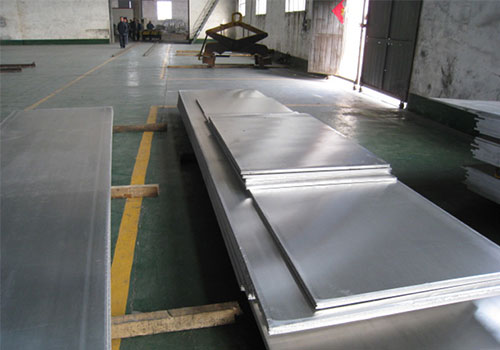

Embossed aluminum foil rolls in 25 m, 30 m, 50 m and 100 m lengths have quietly become one of the most important “tools” in professional catering, food processing and takeaway packaging. Behind what looks like a simple kitchen foil is a carefully engineered material: the alloy, temper, thickness, emboss pattern and surface chemistry are all tuned for performance, safety and cost efficiency.
Below is a concise, technically clear overview designed for buyers, distributors and catering professionals who need to understand what they are really purchasing.
What makes embossed catering foil different?
Embossed aluminum foil is not just plain foil with a pattern. The embossing process reshapes the foil surface in a controlled way, giving it:
- Better grip and handling in fast‑paced kitchens
- Increased stiffness so sheets are easier to lay over trays and dishes
- Reduced glare under strong kitchen lighting
- Improved separation when unrolling, so it does not stick to itself
The common roll lengths – 25 m, 30 m, 50 m and 100 m – are mainly about convenience and usage volume. Shorter rolls work well for small restaurants, cafés and home deliveries; longer 50 m and 100 m rolls suit central kitchens, canteens, hotels and catering contractors who use foil continuously.
The performance factors are not the roll length, but the alloy, thickness, temper and emboss design.
Core functions in catering environments
Embossed aluminum catering foil performs several roles simultaneously:
- Thermal barrier and heat reflector
- Hygienic contact surface for food
- Vapor and aroma barrier
- Mechanical cover and wrapping material
- Presentation aid for buffets and take‑away packaging
Its high reflectivity helps keep hot dishes hot and cold dishes cold by reducing radiant heat transfer. The embossed texture traps tiny air pockets, adding a small but useful insulation effect, especially in multi‑layer wraps or covered trays.
In addition, aluminum forms a very thin, stable oxide film on its surface. This natural passivation is the main reason aluminum foil can safely contact most foods without leaching metal or changing flavor, when used correctly and within specific pH and temperature ranges.
Typical applications of 25 m / 30 m / 50 m / 100 m rolls
Different roll lengths line up with different use patterns, but the application types are similar:
- Lining catering trays and gastronorm pans for easier cleaning
- Covering roasting pans, baking trays, hotel pans and chafing dishes
- Wrapping grilled meats, fish, kebabs and vegetables
- Forming lids for aluminum foil containers and takeaway boxes
- Insulating sandwiches, wraps and burritos for delivery
- Protecting food during refrigerated or frozen storage
- Creating disposable work surfaces for high‑hygiene tasks
Embossed foil is especially popular when speed matters. The extra stiffness from the emboss pattern means staff can tear, shape and press the foil into containers using only one hand, which is a real benefit on busy production lines.
Alloys and tempers: why they matter
Catering foil is commonly made from specific aluminum alloys optimized for deep drawing, forming and food contact. Two standard choices are:
- Alloy 8011: A classic “foil alloy” with good strength, excellent formability and high resistance to pinholing at thin gauges.
- Alloy 8006: Designed for applications requiring deeper forming and higher mechanical strength, such as heavier catering trays and lids.
Tempering is equally important. Most embossed catering foils are supplied in soft or semi‑soft tempers, typically:
- O temper (fully soft): Excellent for forming tightly around dishes and foods.
- H22 / H24 (lightly work‑hardened): More rigid, better for lids or where extra stiffness is required.
The choice of alloy and temper affects tearing behavior, resistance to cracking in corners, and how well the foil holds its shape after embossing.
parameters for 25 m–100 m embossed catering foil
Below is a representative parameter range for professional catering foil rolls. Exact values can be customized by the manufacturer.
- Alloy: 8011, 8006 or equivalent food‑grade foil alloys
- Temper: O, H22 or H24, depending on stiffness requirements
- Thickness range: typically 8–20 microns for light to standard duty; 20–30 microns for heavy duty
- Width: usually 280–600 mm for catering use, with custom widths on request
- Roll length options: 25 m, 30 m, 50 m, 75 m, 100 m and longer industrial lengths
- Core material: food‑safe cardboard or aluminum core, inner diameter commonly 30–76 mm
- Emboss pattern: “orange peel,” diamond, honeycomb or customized brand patterns
Thickness is one of the most critical selections. Thinner foil stretches more easily and is cheaper per roll, but may tear when wrapping sharp bones or corners. Thicker heavy‑duty foil is preferred for roasting, grilling and long‑distance hot food deliveries.
Implementation and quality standards
High‑quality catering foil is produced and certified according to international standards to ensure safety and consistency. Common reference standards include:
- EN 602: European standard for aluminum and aluminum alloy foils
- EN 573 / EN 485: Chemical composition and mechanical property standards for wrought aluminum alloys
- FDA and EU food‑contact regulations: For materials intended for direct contact with food
- ISO 9001: Quality management system for controlled production processes
- ISO 22000 or HACCP systems: For food safety management within the supply chain
Manufacturers also perform in‑house tests for pinholes, tensile strength, elongation, surface wetting, residual oil content and migration to make sure the foil is truly food safe and mechanically reliable.
Chemical properties and food safety
Aluminum foil’s chemical behavior is largely determined by its pure aluminum matrix and a small amount of alloying elements such as iron, silicon, manganese and others. The protective aluminum oxide layer that forms spontaneously in air is one of its greatest advantages.
Below is a typical chemical composition for a common catering foil alloy such as 8011:
| Element | Typical Content (wt%) | Function |
|---|---|---|
| Al | Balance (≈ 97–99%) | Base metal, provides thermal and electrical conductivity |
| Fe | 0.6 – 1.0 | Improves strength and pinhole resistance |
| Si | 0.5 – 1.0 | Enhances foil rolling performance and strength |
| Mn | ≤ 0.2 | Contributes to strength and corrosion resistance |
| Cu | ≤ 0.1 | Minor strengthening; limited to keep corrosion low |
| Mg | ≤ 0.1 | Strengthening; used in small amounts |
| Zn | ≤ 0.1 | Controlled to maintain corrosion resistance |
| Ti | ≤ 0.05 | Grain refiner in some alloys |
| Others (each) | ≤ 0.05 | Impurity limits |
| Others (total) | ≤ 0.15 | Combined impurity limit |
This composition gives a good balance of mechanical strength, formability and corrosion resistance. Under normal catering use, the foil is stable and does not transfer harmful substances into food. However, as with all aluminum foils, direct and prolonged contact with very acidic or very salty foods at high temperature should be minimized, particularly when alternative liners or baking paper can be used.
Why embossing improves performance and perception
From a structural point of view, embossing increases the moment of inertia of the foil surface, similar to corrugation in steel sheets. This raises its apparent stiffness without increasing thickness, which is why embossed foil feels “stronger” than a smooth foil of the same gauge.
The micro‑texture also reduces direct surface contact between layers when rolled, lowering friction and preventing blocking. Staff can pull the foil from the roll more smoothly, an important ergonomic advantage in commercial kitchens.
From a branding standpoint, custom emboss patterns can integrate logos, textures or patterns that help distinguish premium catering products without changing the formulation or packaging.
Matching foil type to catering needs
Choosing the right 25 m, 30 m, 50 m or 100 m embossed aluminum foil is mainly about aligning its technical profile with real‑world kitchen conditions:
- Light‑duty, shorter rolls: Suitable for cafés, small restaurants, bakery counters and home‑style catering where usage volumes are moderate and foods are generally soft or boneless.
- Standard‑duty 30–50 m rolls: Ideal for daily cooking, tray covers, cold dishes and standard reheating tasks.
- Heavy‑duty, long rolls (50–100 m+): Best for central kitchens, airline catering, hotels and institutional canteens where foil is used continuously for grilling, roasting and long‑distance hot delivery.
By the interplay of alloy, temper, thickness and emboss design, buyers can move beyond treating “foil as foil” and instead choose a precisely matched material that reduces waste, speeds up service and safeguards food quality.
In professional catering, that difference translates directly into cleaner operations, fewer product failures and a more consistent customer experience.