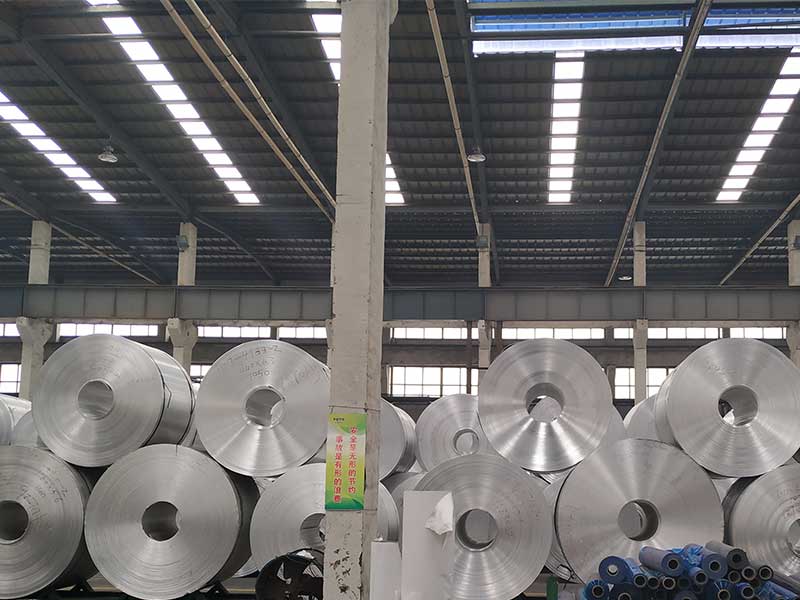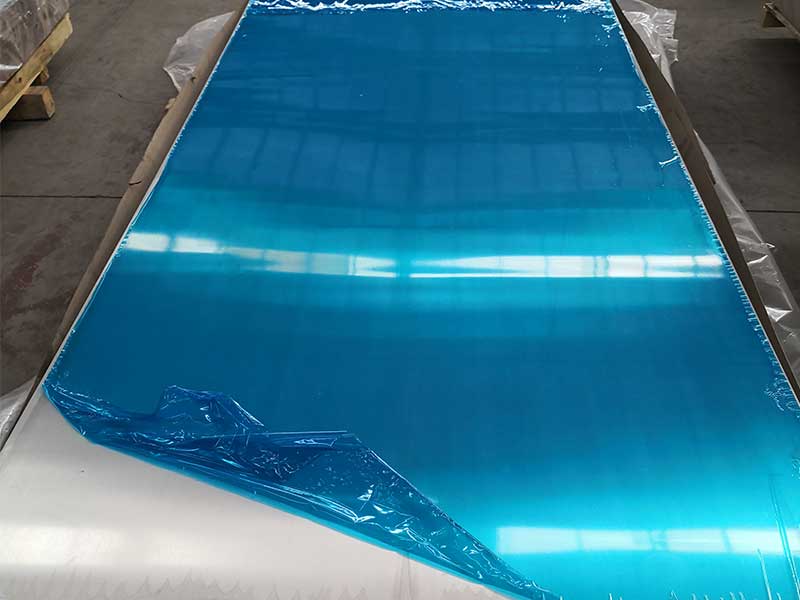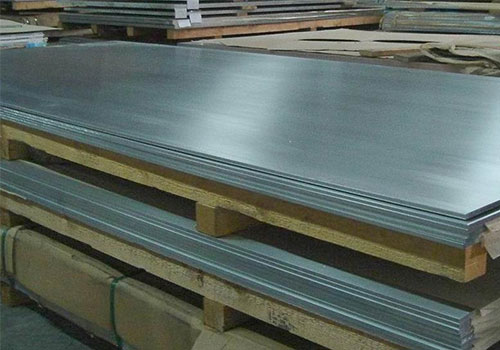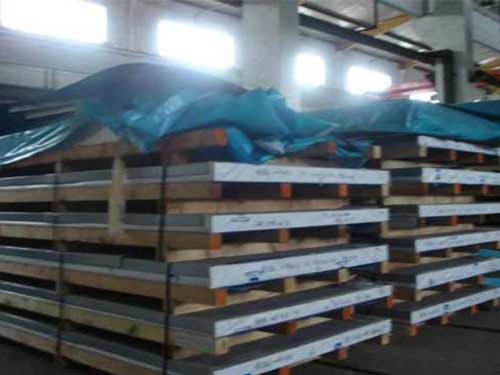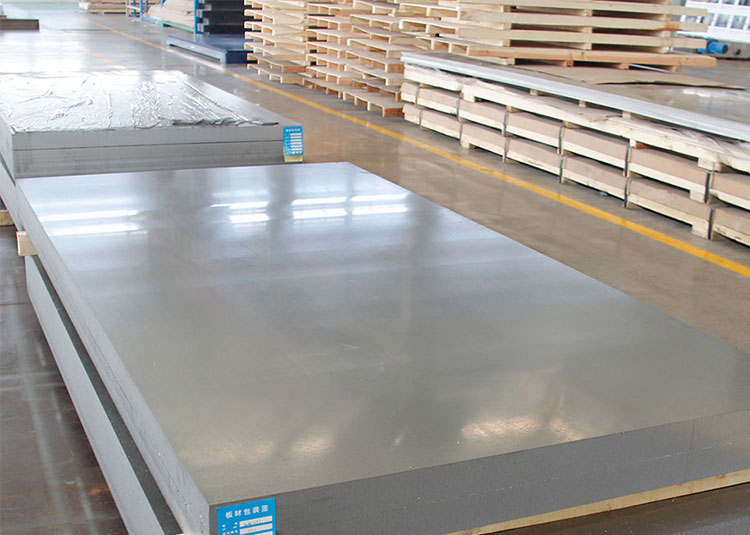

Marine aluminum is well-regarded in the naval and maritime industry for its outstanding combination of strength, corrosion resistance, and lightweight properties. Among various marine aluminum materials, 0.4mm 5083 Marine Grade Aluminum Sheet Plate stands out for applications demanding thin yet robust sheets.
The 5083 alloy belongs to the 5xxx series of aluminum-magnesium alloys, known for their excellent corrosion resistance, especially in marine environments. Offering an optimal mix of strength and anti-corrosion, 5083 enjoys popularity for shipbuilding, offshore structures, and automotive frames sensitive to both marine and brackish water exposure.
At a thin thickness of 0.4mm, 5083 sheets are primarily used where lightweight capabilities combined with toughness and durability are necessary. The thin-gauge versatility allows fabrication into curved or detailed marine structures without sacrificing strength or long service life.
Functions & Performance Characteristics
- Exceptional Corrosion Resistance: Thanks to magnesium as the primary alloying element, 5083 resists saltwater exposure, preventing pitting and generalized corrosion.
- High Strength-to-Weight Ratio: Even at 0.4mm, it maintains excellent mechanical strength suitable for lightweight constructions.
- Anodizing & Weldability: Can be anodized for further surface protection and maintains good welding characteristics critical for marine fabrications.
- Extreme Temperature Resistance: Performs well in both low and elevated temperatures, enabling use in Arctic to tropical marine conditions.
- Formability & Workability: Thin sheet gauges allow detailed fabrication such as roll forming and bending while preserving the structural integrity.
Applications of 0.4mm 5083 Marine Aluminum Sheet Plate
The thin aluminum sheet of the 5083 alloy at 0.4mm thickness meets a broad spectrum of demanding marine and industrial applications that include:
- Shipbuilding panels and ornamental trims
- Boat hull overlays and superstructure cladding
- Yachts, small crafts, and marine accessories fabrication
- Offshore platform deck components
- Automotive and aerospace inner panels needing high corrosion tolerance
- Protective covers and enclosures exposed to moisture or chlorides
These widely varied environmental and structural requirements depend greatly on the innate corpulence and stability that 5083 marine aluminum delivers.
Technical Specifications at a Glance
| Parameter | Value |
|---|---|
| Alloy | 5083 |
| Thickness | 0.4 mm |
| Temper | O, H111, H112, H116 (see details) |
| Density | 2.66 g/cm³ |
| Tensile Strength | 215 - 290 MPa (depending on temper) |
| Yield Strength | 145 - 215 MPa |
| Elongation at break | ≥ 10% |
| Modulus of Elasticity | ~70 GPa |
| Thermal Conductivity | 121 W/m·K at 25°C |
| Melting Range | 590 - 650 °C |
Chemical Composition
| Element | Content (%) |
|---|---|
| Aluminum (Al) | Balance |
| Magnesium (Mg) | 4.0 – 4.9 |
| Manganese (Mn) | 0.4 – 1.0 |
| Copper (Cu) | ≤ 0.1 |
| Iron (Fe) | ≤ 0.4 |
| Silicon (Si) | ≤ 0.4 |
| Zinc (Zn) | ≤ 0.25 |
| Chromium (Cr) | 0.05 – 0.25 |
| Other elements | ≤ 0.15 total |
Alloy Temperings Available for 0.4mm Thickness
| Temper | Description | Mechanical Characteristics |
|---|---|---|
| O | Annealed (softest temper) | Maximum ductility; ideal for easy formability |
| H111 | Strain hardened for moderate strength aging | Fair strength, slight work hardening |
| H112 | Basic strain hardened, minimal work hardening | Good balance of strength and formability |
| H116 | Strain hardened, stabilized via controlled aging | Enhanced corrosion resistance; suitable for marine-specific use |
Implementation Standards & Quality Certification
5083 marine-grade aluminum sheet plates comply with international and industry standards ensuring performance consistency. Common standards adhered to include:
- ISO 6361 – Wrought aluminum and aluminum alloy sheet, strip and plate
- ASTM B209 / B221 – Requirements for aluminum sheet and plate
- ABS (American Bureau of Shipping) – Marine certification for structural materials
- CCS, DNV GL, Lloyd’s Register – Classification societies approving marine-grade materials for shipbuilding
Purchasing from certified suppliers guaranteeing conformity with those standards ensures reliable service life in marine environments.
Advantages of 0.4mm Thickness in Marine Use
lighter compared to thicker plates while maintaining core mechanical properties, 0.4mm thickness offers:
- Minimal weight addition contributing to fuel efficiency for boats and ships.
- Improved customization in parts requiring flex and delicate shaping.
- Faster heating and cooling during fabrication, enabling reduced manufacturing turnaround.
- Reduced material waste in trimming and cutting operations for components with restrictive size.