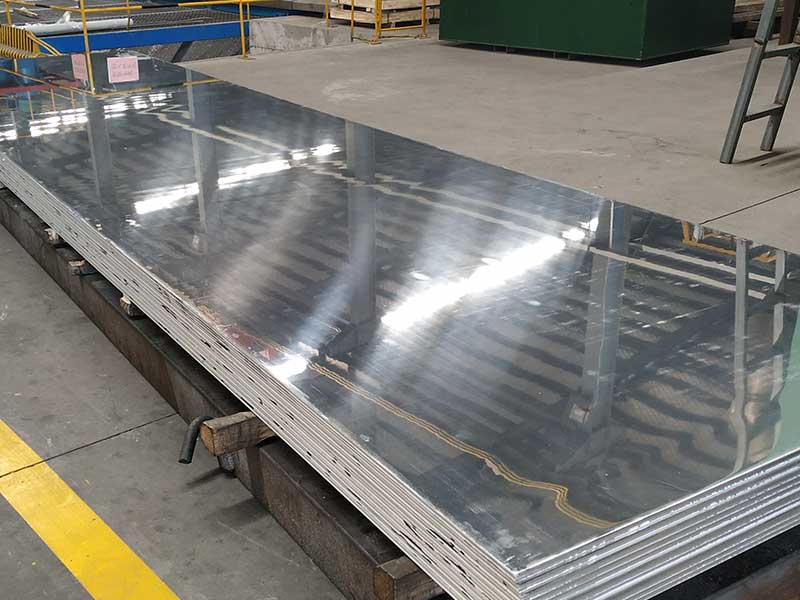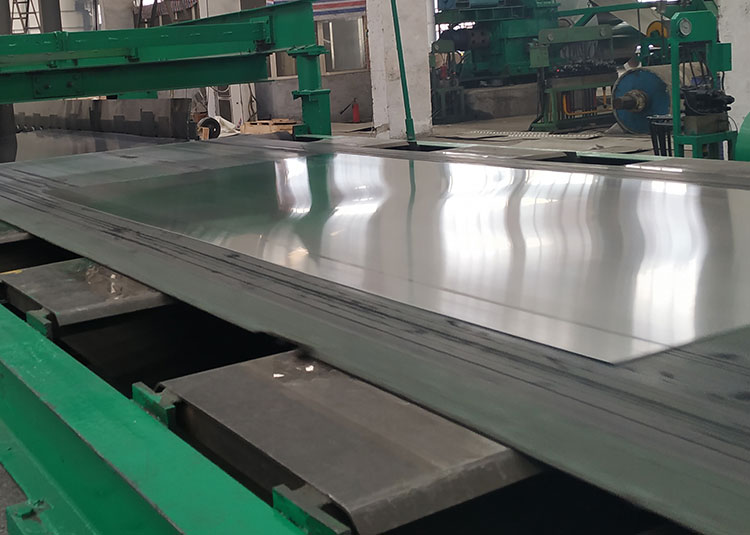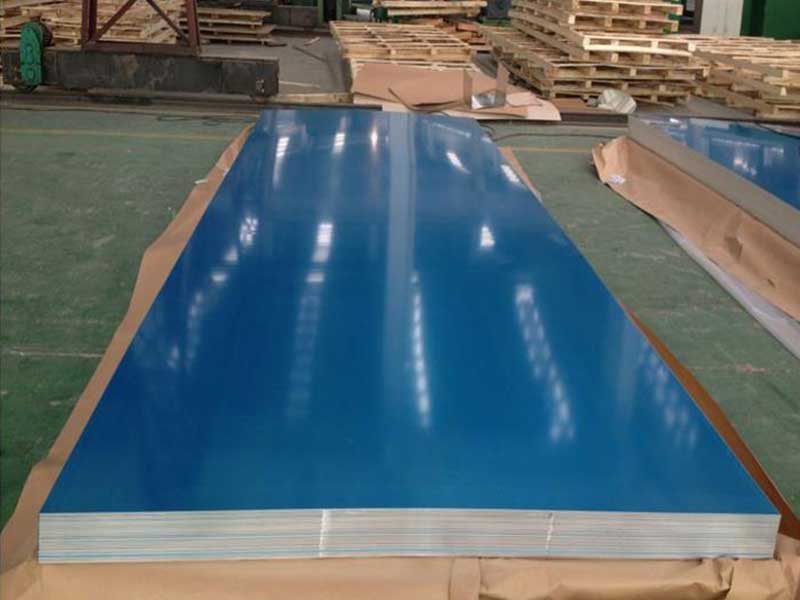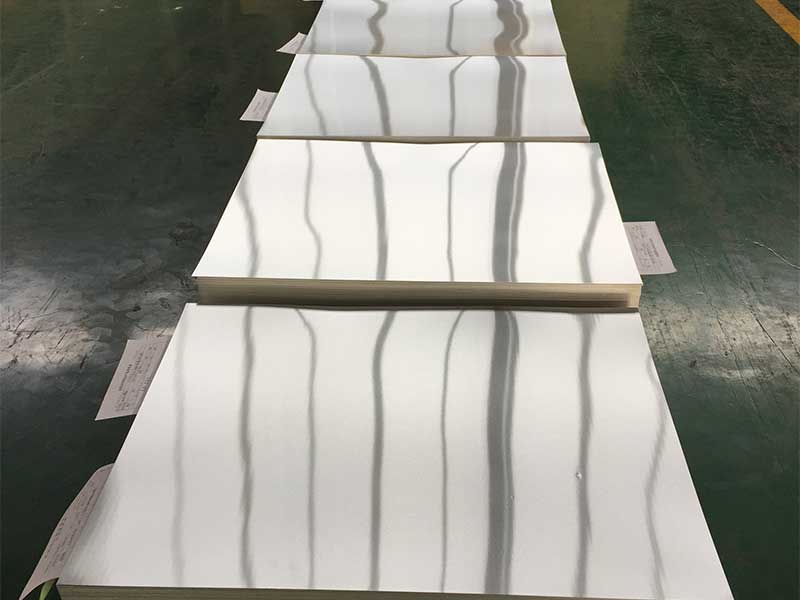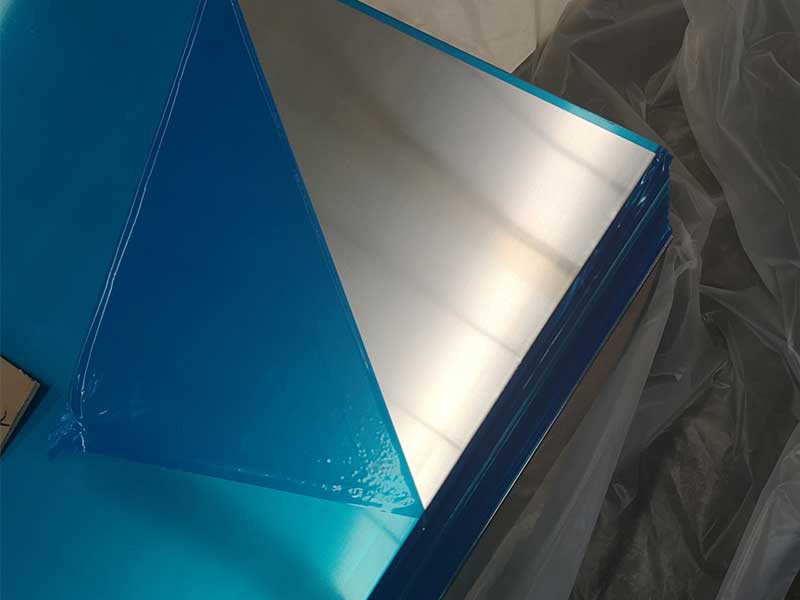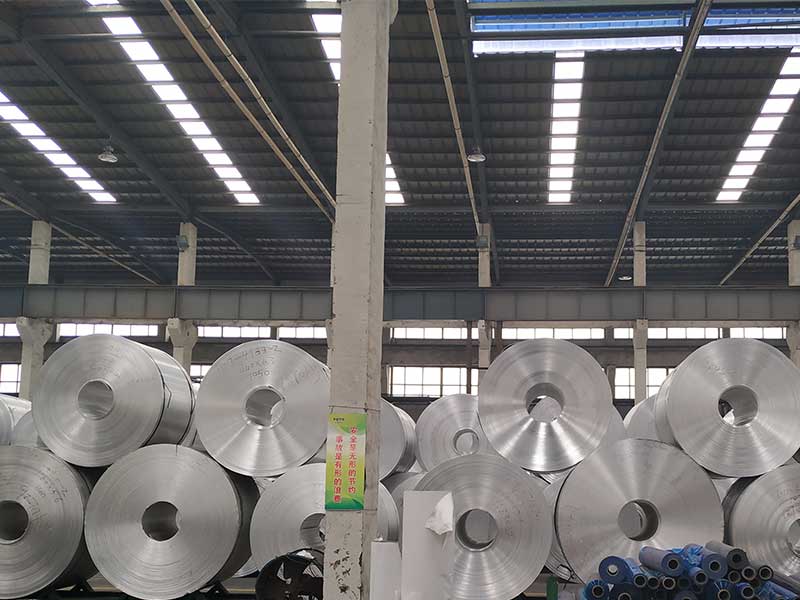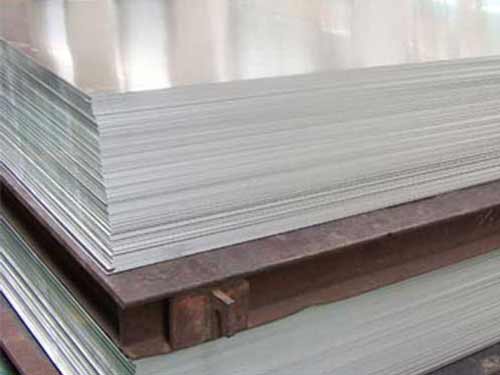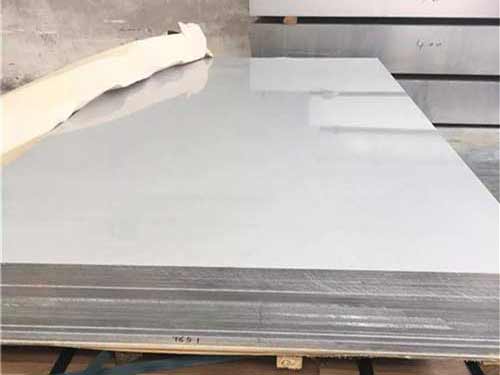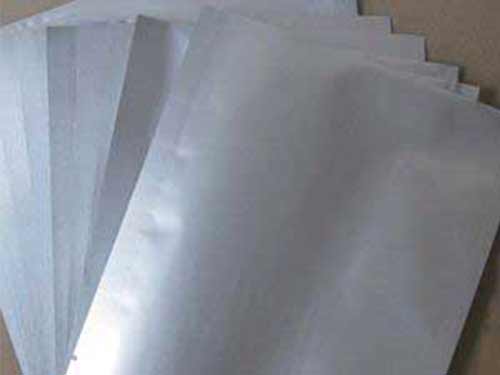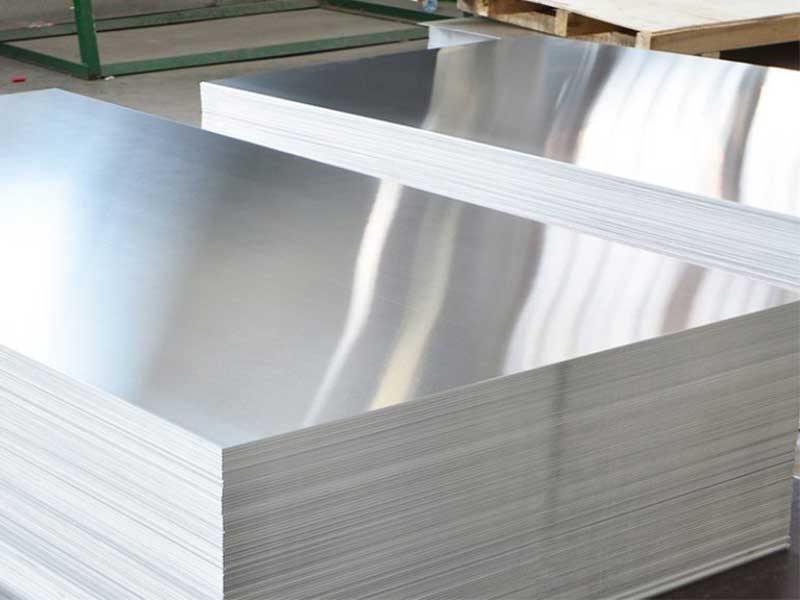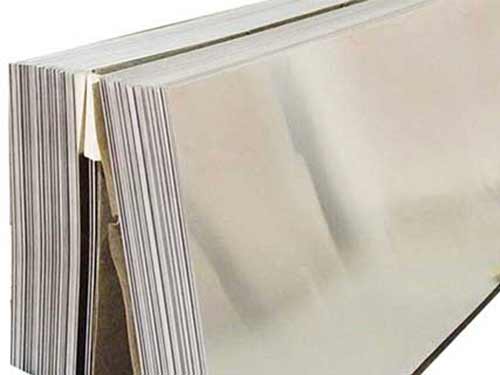

Six millimetres might not sound like much, but in the world of aluminium plate, 6 mm is a strategic thickness. It is the point where a material stops being just a sheet and begins to behave like structural plate: stiff enough to carry load, yet light enough to handle, cut, and bend without heavy equipment. For designers, fabricators, and procurement teams, 6mm thick aluminium plate in detail is the to choosing the right alloy, temper, and standard for each application.
Why 6 mm is a “sweet spot” in aluminium plate
At 6 mm, aluminium strikes a balance between strength, weight, and processability:
- It is thick enough to resist warping and oil‑canning during machining, cutting, and welding.
- It is thin enough to be bent on conventional press brakes and to be transported and installed by small teams without cranes in many cases.
- For many structural and panel applications, 6 mm is the minimum thickness that can be confidently calculated as a plate rather than a flexible skin.
This “sweet spot” explains why 6mm thick aluminium plate is common in vehicle floors, marine decks, machine frames, pressure-resistant covers, architectural panels, and protective plates.
Common alloys and tempers for 6mm aluminium plate
The alloy you choose matters far more than most buyers initially expect. At 6 mm, differences in strength, corrosion resistance, weldability, and bending behaviour are very noticeable.
Typical alloys and their roles:
1050 / 1100 (1xxx series, commercially pure aluminium)
Very high corrosion resistance and excellent formability. Lower strength. Used where conductivity, reflectivity or deep forming matter more than mechanical strength.3003 / 3004 / 3105 (3xxx series, manganese alloyed)
Good general-purpose alloys with better strength than pure aluminium and good corrosion resistance. Often used in HVAC, chemical equipment, and general sheet-metal work.5005 / 5052 / 5083 / 5754 (5xxx series, magnesium alloyed)
The workhorses of marine and transportation. Excellent corrosion resistance, especially in marine and industrial atmospheres. 5083 and 5754 are favoured for shipbuilding and structural vehicle parts; 5052 and 5005 often appear in architectural and formed components.6061 / 6082 (6xxx series, magnesium-silicon alloyed, heat treatable)
Higher strength, good machinability, good weldability, and widely available. In 6 mm thickness, 6061-T6 and 6082-T6 are common choices for frames, machinery, jigs, and structural elements where strength-to-weight ratio is critical.7075 (7xxx series, zinc alloyed, high strength)
Very high strength but less weldable and more demanding in terms of corrosion management. Used in aerospace and highly loaded components where performance outweighs cost and process complexity.
Typical tempers for 6 mm plate include:
- O (annealed): Very soft, maximum ductility, easy to form and deep draw, lowest strength.
- H14 / H24 / H32 etc. (strain-hardened, non-heat treatable alloys): Compromise between formability and strength; common in 1xxx, 3xxx, and 5xxx series.
- H116 / H321 (for 5xxx marine grades like 5083): Special tempers for improved resistance to marine corrosion and stress corrosion cracking.
- T4 / T5 / T6 (heat-treated tempers for 6xxx and 7xxx): Quenched and artificially aged for maximum strength (T6) or intermediate properties (T4).
The choice is never just “6mm aluminium.” It is always “6mm 5083-H116” for a boat hull, or “6mm 6061-T6” for a machine base, or “6mm 1050-H14” for a conductor busbar.
parameters that define 6mm aluminium plate
When specifying or evaluating 6mm thick aluminium plate, professionals look beyond thickness. Important parameters include:
Thickness tolerance
For a nominal 6 mm plate, tolerance is defined by standards such as EN 485, ASTM B209 or GB/T standards. Depending on alloy and width, the permissible deviation is typically in the range of ±0.1 to ±0.3 mm. Tight tolerances are crucial for CNC machining, gasketed assemblies, and stacked laminations.Width and length range
Standard widths include 1000 mm, 1200 mm, 1250 mm, 1500 mm, and 2000 mm, with custom widths available. Common lengths are 2000 mm, 2500 mm, 3000 mm, 4000 mm, and 6000 mm. Cut-to-size service is frequently requested for 6 mm to minimize waste and simplify fabrication.Flatness and surface quality
Flatness is tested with straightedges and defined limits per standard. For visual or sealing applications, flatness and surface finish are as important as mechanical properties. Surface conditions may include mill finish, brushed finish, anodized finish, or pre-painted coatings.Mechanical properties
Yield strength, tensile strength, and elongation are specified for each alloy and temper. For example, a 6mm 5083-H116 plate will have much higher yield strength than a 6mm 1050-O plate, and the choice directly impacts design calculations and safety factors.Density and weight
Aluminium density is typically about 2.70 g/cm³. A 6 mm thick plate weighs roughly 16.2 kg per square meter (actual value varies slightly by alloy). This predictable weight makes it easy to estimate handling requirements, transport costs, and structural loads.
Implementation standards and quality frameworks
Global projects require aluminium plate that can be traced to recognized standards. For 6mm plate, the following standards are commonly referenced:
- ASTM B209: Aluminium and Aluminium-Alloy Sheet and Plate
- EN 485 / EN 573: Aluminium and Aluminium Alloys – Sheet, Strip and Plate; Chemical composition and mechanical properties
- EN 1386, EN 10088-family, and others for specific sectors
- GB/T 3880, GB/T 3190 (China): For wrought aluminium and alloy plate, sheet, and strip
These standards define:
- Allowed chemical composition ranges for each alloy
- Mechanical property minima (yield, tensile, elongation) for each temper and thickness range
- Dimensional tolerances for thickness, width, length, and flatness
- Test methods for tensile properties and sometimes ultrasonic or other NDT requirements for thicker plates
For 6 mm thickness, plates may also be supplied with specific certification requirements such as EN 10204 3.1 mill certificates, ultrasonic testing reports for critical structures, or DNV / ABS approvals for marine-grade plates.
How 6mm thickness behaves in fabrication
From a fabricator’s viewpoint, 6 mm is a very workable thickness:
Cutting
Laser and waterjet cutting produce clean edges with minimal distortion if heat input is controlled. Plasma cutting is also popular, especially for structural shapes. Saw cutting remains economical for straight cuts and smaller batches.Bending and forming
Most 5xxx and 3xxx alloys at 6 mm can be air-bent with standard tooling; bend radius must be chosen according to alloy and temper to avoid cracking. Hard tempers like 6061-T6 require larger bend radii or local annealing in tight-bend zones.Welding
MIG and TIG welding are widely used for 6mm aluminium. 5xxx alloys like 5083 and 5754 are ideal for marine and structural weldments, while 6xxx series like 6061 can be welded but will lose some strength in the heat-affected zone. Design should account for this by using appropriate safety factors or local reinforcement.Machining
At 6 mm thickness, machining often involves through-cutting pockets, slots, and profiles. Free-machining alloys like 6061-T6 offer excellent chip control and surface finish, while softer alloys require sharper tools and careful chip evacuation.
Typical chemical compositions of common 6mm plate alloys
The table below summarizes approximate chemical composition ranges (mass %) for five widely used alloys in 6 mm plate form. Exact limits depend on the governing standard (ASTM, EN, GB/T).
| Alloy | Si | Fe | Cu | Mn | Mg | Cr | Zn | Ti | Others (each/total) | Al (approx.) |
|---|---|---|---|---|---|---|---|---|---|---|
| 1050 | ≤ 0.25 | ≤ 0.40 | ≤ 0.05 | ≤ 0.05 | ≤ 0.05 | – | ≤ 0.05 | ≤ 0.03 | ≤ 0.03 / ≤ 0.10 | ≥ 99.50 |
| 3003 | ≤ 0.60 | ≤ 0.70 | ≤ 0.05 | 1.0–1.5 | ≤ 0.20 | – | ≤ 0.10 | ≤ 0.05 | ≤ 0.05 / ≤ 0.15 | Balance |
| 5052 | ≤ 0.25 | ≤ 0.40 | ≤ 0.10 | ≤ 0.10 | 2.2–2.8 | 0.15–0.35 | ≤ 0.10 | ≤ 0.03 | ≤ 0.03 / ≤ 0.15 | Balance |
| 5083 | ≤ 0.40 | ≤ 0.40 | ≤ 0.10 | 0.40–1.0 | 4.0–4.9 | 0.05–0.25 | ≤ 0.25 | ≤ 0.15 | ≤ 0.05 / ≤ 0.15 | Balance |
| 6061 | 0.40–0.80 | ≤ 0.70 | 0.15–0.40 | ≤ 0.15 | 0.80–1.2 | 0.04–0.35 | ≤ 0.25 | ≤ 0.15 | ≤ 0.05 / ≤ 0.15 | Balance |
These compositions are not just academic; they determine:
- Strength and hardness
- Corrosion and stress-corrosion resistance
- Response to heat treatment and welding
- Suitability for anodizing and surface finishing
Matching 6mm plate to real-world applications
Because 6 mm is a crossover thickness, it appears in both light-duty and structural roles:
- Marine decks and hulls: 5083-H116 / H321 plates for strength and seawater resistance.
- Trailer floors and truck bodies: 5754-H22 / 5052-H32 for a balance of strength, weight, and formability.
- Machinery bases and fixtures: 6061-T6 / 6082-T6 for rigid, machinable structural plates.
- Architectural panels and façades: 5005-H34 or pre-anodizing-quality alloys at 6 mm for stiffness and appearance.
- Electrical busbars and conductive plates: 1050 or 1060 where conductivity and low magnetic interference are more important than high strength.
The is to treat “6mm thick aluminium plate” as a platform: the thickness defines the mechanical behavior, while the alloy and temper fine-tune performance for each project.
Final considerations when sourcing 6mm aluminium plate
When you specify or purchase 6mm aluminium plate, clarity prevents costly surprises. Always define:
- Alloy and temper
- Standard (ASTM, EN, GB/T or other)
- Size, tolerances, and flatness requirements
- Surface condition and any pre-treatment or coating
- Certification or inspection requirements (e.g., 3.1 certificates, NDT for critical structures)
With these in place, 6mm thick aluminium plate becomes a predictable, high-performance material that can be integrated smoothly into design, fabrication, and long-term service.