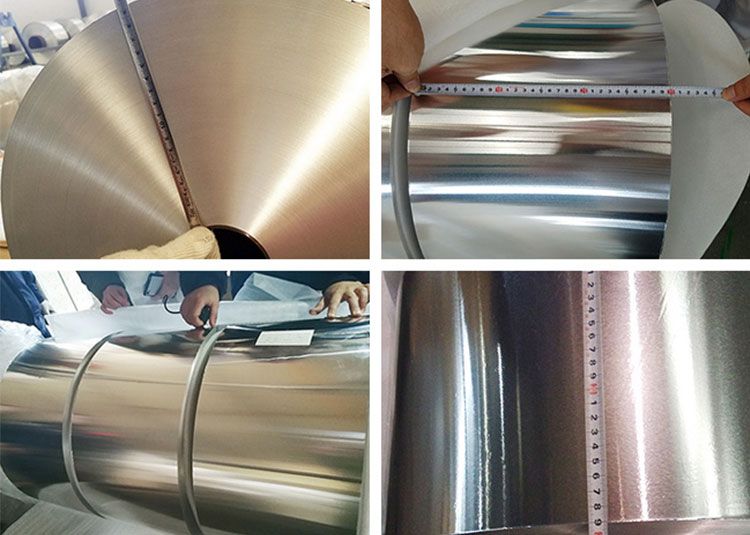

Aluminium Foil Medicine Foil A8079 Thickness 0.008–0.08mm: The "Invisible Device" That Protects Every Dose
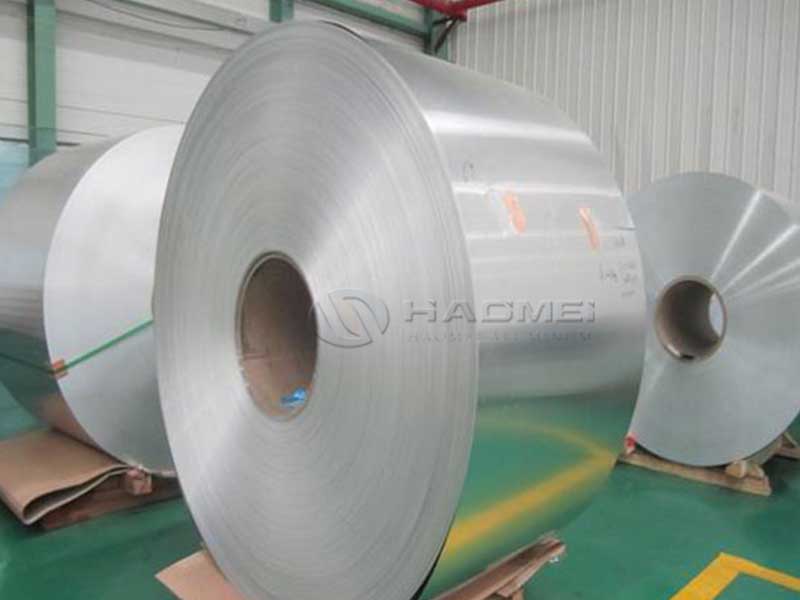
In pharmaceutical packaging, the most important technology is often the least visible. Aluminium foil medicine foil made from Alloy A8079 in the 0.008–0.08mm thickness range is a perfect example: a thin metallic layer that behaves like a precision barrier system. Its daily job is simple to describe but difficult to execute-block oxygen, moisture, light, and contamination while remaining compatible with high-speed packaging lines, heat-sealing lacquers, and strict regulatory requirements. Seen from this perspective, A8079 medicine foil is not just "foil"; it's a controlled interface between sensitive medicine and an unpredictable external environment.
What A8079 Medicine Foil Really Does
Pharmaceutical products fail for predictable reasons: oxidation, hydrolysis, photodegradation, volatile loss, and microbial contamination. A8079 aluminium foil addresses these risks through a combination of physical barrier performance and processing stability.
Its core functions are:
Barrier shielding that is essentially airtight and vapor-tight
Aluminium provides near-zero transmission for moisture vapor and oxygen compared with most polymers. This makes A8079 especially valuable for hygroscopic tablets, effervescent formulations, and moisture-sensitive APIs.
Light blocking for photosensitive drugs
Many actives degrade under UV and even visible light. Aluminium foil acts as a complete light barrier, supporting longer shelf life without adding secondary packaging complexity.
A heat-sealable surface (after coating) that turns barrier into a package
Medicine foil is typically coated on one side with heat-seal lacquer for blister lidding, strip packaging, sachets, or pouch structures. The foil's job is to provide a stable base that accepts coating uniformly and resists pinholes.
Mechanical "survivability" in real production
On a blister line, foil is pulled, formed against dies, sealed, cut, coded, and handled at speed. A8079 is widely chosen because it balances strength and formability better than many higher-purity foils, helping reduce tearing, cracking, and pinhole generation.
Why Thickness 0.008–0.08mm Is a Practical Range
Thickness is not just a "spec"; it's a design lever that affects barrier reliability, sealing, machinability, and cost.
Ultra-thin end around 0.008–0.02mm (8–20 microns)
Often used in lidding foil for blisters when paired with a suitable heat-seal lacquer. At these gauges, barrier is still excellent, but pinhole control becomes critical. Good rolling quality and clean handling matter as much as the alloy.
Mid-range around 0.02–0.04mm (20–40 microns)
A common zone for pharmaceutical lidding and strip packaging because it offers improved mechanical robustness and better resistance to micro-perforations while remaining easy to process and print.
Thicker foils up to 0.08mm (80 microns)
Used when stiffness, puncture resistance, or structural support is needed, such as specialty pouches, laminated pharmaceutical sachets, or applications requiring more rigidity and handling tolerance.
A helpful way to view thickness is this: below a certain threshold, foil behaves like a high-performance membrane; above it, foil starts behaving like a thin structural layer. A8079 performs well across both behaviors, which is why this thickness range is commercially meaningful.
Applications: Where A8079 Becomes the "Final Wall"
Blister packaging lidding foil
A8079 is widely used as lidding for PVC, PVDC, PP, PS, and cold-form blister structures. The lacquer must match the blister base film for sealing strength and peel behavior.
Strip packaging (tablet/capsule strip packs)
Two foils can be sealed together around the product. Here, consistent thickness and coating uniformity determine seal integrity and line speed.
Sachets and pharmaceutical pouches (usually as a laminate component)
A8079 can be laminated with PET, BOPP, PE, or paper. In these structures, the foil is the primary barrier layer; the polymers provide sealability, toughness, and print surface.
Medical device and diagnostic packaging
When moisture and oxygen are enemies, foil-based laminates using A8079 are used for test kits, sterile barrier systems (as part of a composite), and sensitive consumables.
Typical Technical Parameters Buyers Should Confirm
Because medicine foil is a converting material, parameters should be specified from the viewpoint of performance on the customer's line, not just metallurgical theory.
Common order parameters include:
Alloy: Aluminium Alloy 8079 (AA8079 / A8079)
Temper: O, H14, H16, H18 are common depending on forming and sealing needs
Thickness: 0.008–0.08mm
Width: customized to slitting requirements
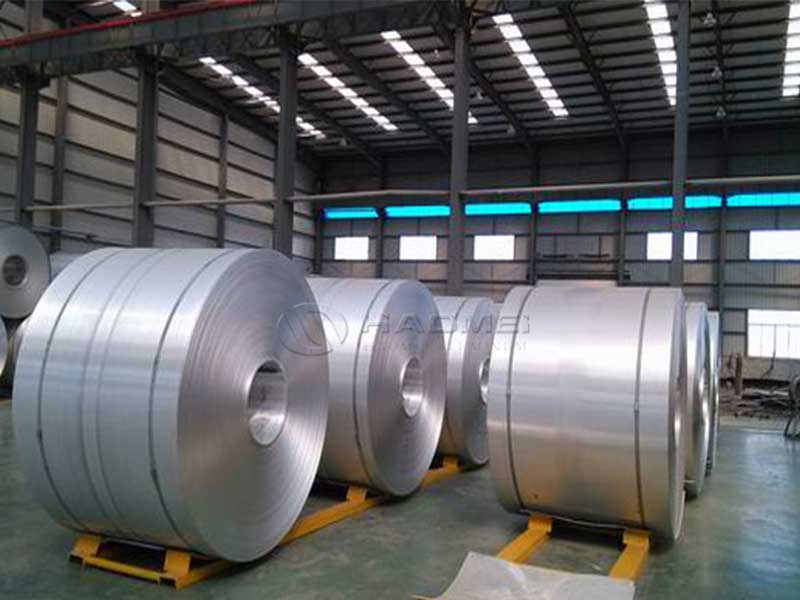
Core ID: often 76mm or 152mm for roll stock, depending on line setup
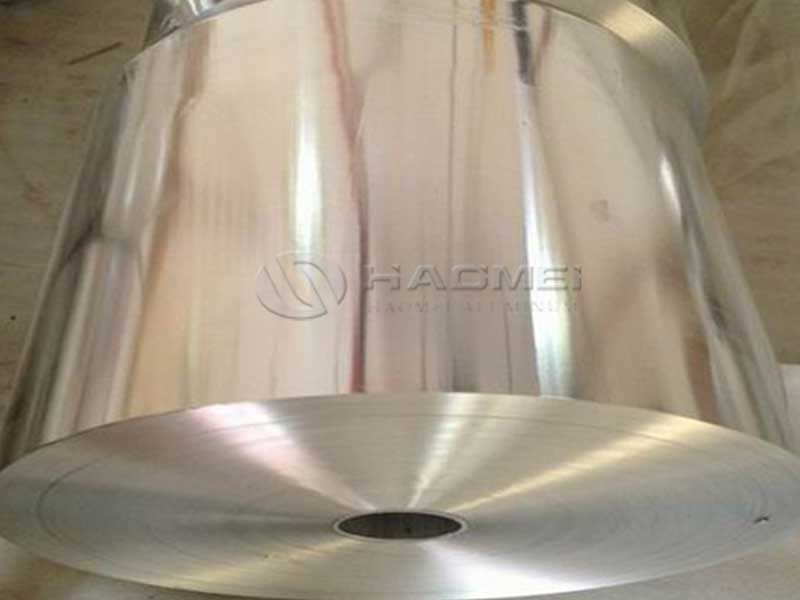
Surface: one side bright/matte depending on rolling; coating-ready finish
Coating: heat-seal lacquer or primer as required, or supplied as bare foil for customer coating
Pinholes: controlled to pharmaceutical packaging expectations (requirements vary by standard and buyer)
Tensile strength and elongation: selected to prevent tearing while maintaining seal performance
Surface cleanliness: critical for lacquer adhesion and print quality
In practice, customers often succeed fastest by defining not only foil thickness and temper, but also the intended sealing substrate and sealing window. That ensures the foil-coating-substrate system behaves reliably at speed.
Implementation Standards and Compliance Landscape
Pharmaceutical foil is frequently produced and tested under widely used packaging and material standards. Depending on destination market and customer requirements, typical references include:
ISO management systems such as ISO 9001 for quality consistency
ISO 15378 (often requested in pharma packaging supply chains) for primary packaging materials for medicinal products, aligned with GMP principles
ASTM methods for thickness, tensile properties, and other mechanical tests
EN/ISO methods for aluminium and packaging material testing, where applicable
RoHS and REACH conformity are often requested for broader compliance assurance, especially for laminated structures and coatings
Final suitability for direct pharmaceutical contact depends on the total packaging structure, including lacquers, inks, adhesives, and sealing layers. For regulated applications, customers typically request declarations of compliance and relevant migration or composition documentation for coatings.
Alloy Tempering: Choosing "Soft" vs "Hard" with Packaging Logic
Temper is the hidden control knob for machinability.
O temper (annealed, soft)
Used where maximum flexibility and formability are needed. It can reduce cracking risk in demanding converting steps, but may be less resistant to deformation.
H14/H16 (half-hard family)
A balance choice: better tensile strength and improved web handling on high-speed equipment while retaining workable ductility.
H18 (hard)
Higher strength and stiffness for applications where foil must resist stretching and maintain dimensional stability. Careful consideration is needed if deep forming or aggressive converting could induce cracking.
The right temper is often determined by the packaging format: blister lidding may prefer a balance temper for tear resistance and clean push-through behavior; strip packs may choose a temper optimized for sealing and handling.
Chemical Composition (Typical) of Aluminium Alloy 8079
Below is a commonly referenced typical composition range for AA8079 used in foil applications. Actual limits can vary by producer specification and applicable standards; mill test certificates should be used for confirmation.
| Element | Typical Content (wt%) |
|---|---|
| Al | Balance |
| Fe | 0.70–1.30 |
| Si | 0.05–0.30 |
| Cu | ≤ 0.10 |
| Mn | ≤ 0.10 |
| Mg | ≤ 0.10 |
| Zn | ≤ 0.10 |
| Ti | ≤ 0.05 |
| Others (each) | ≤ 0.05 |
| Others (total) | ≤ 0.15 |
The defining feature here is controlled iron content, which contributes to strength and improved performance in thin gauges-one reason 8079 is favored when pinhole resistance and web strength are priorities.
A Distinctive Way to Evaluate A8079 Medicine Foil: Think Like a "Shelf-Life Engineer"
Instead of asking only "Is this foil thick enough?", it is often more useful to ask: "How many failure pathways does this foil eliminate?" A8079 medicine foil eliminates or reduces multiple pathways at once: moisture ingress, oxygen diffusion, light exposure, aroma exchange, and handling damage during packaging. When paired with the correct heat-seal coating and temper, it becomes a high-reliability barrier that protects potency and stability without demanding complex packaging designs.
For customers sourcing Aluminium Foil Medicine Foil A8079 thickness 0.008–0.08mm, the best results come from specifying the whole performance context: thickness, temper, coating system, sealing substrate, and line conditions. That turns a commodity-looking roll of foil into a predictable, repeatable protection layer for every dose.