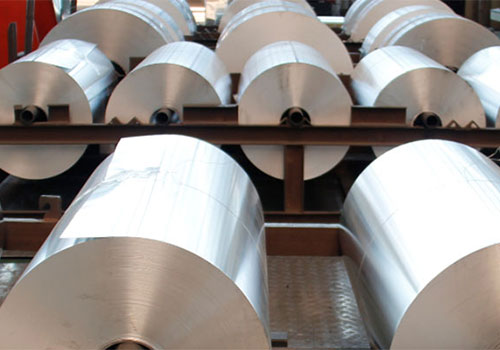

Bare Aluminum Fin for Condensers and Evaporators: Custom Fin Designs for Unique Cooling Requirements
In heat exchangers, the fin is often treated like "extra surface area." In reality, a bare aluminum fin is more like the air-side engine of the system: it dictates how air moves, where moisture sits, how fast heat escapes, and how long performance stays stable before dust, salt, or condensate begin to win. For condensers and evaporators, choosing the right aluminum fin foil and tailoring the fin geometry is not just a manufacturing decision-it is the most direct way to design airflow behavior, frost patterns, drainage, and corrosion life.
What "Bare Aluminum Fin" Really Means in HVAC and Refrigeration
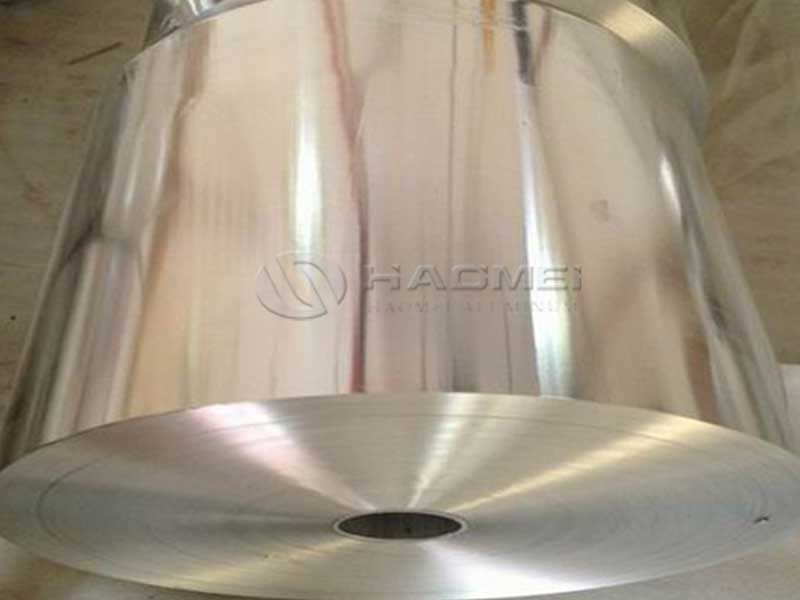
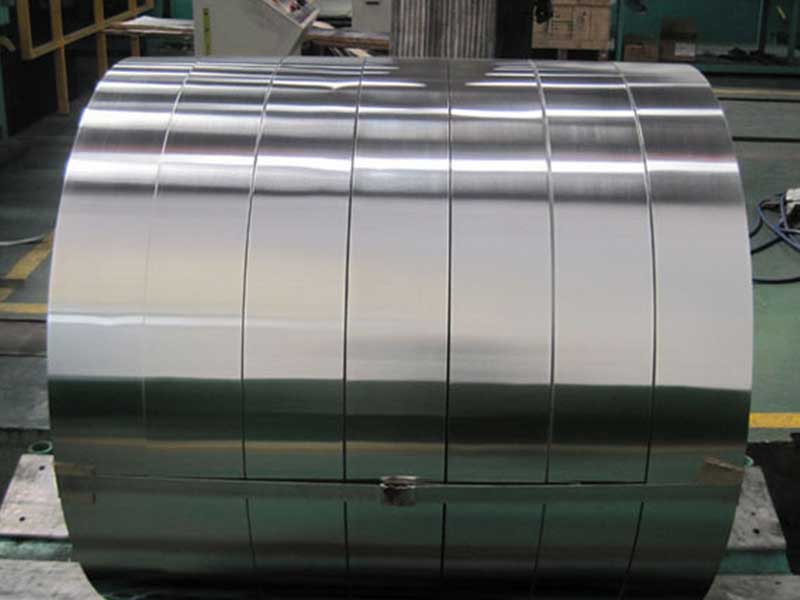
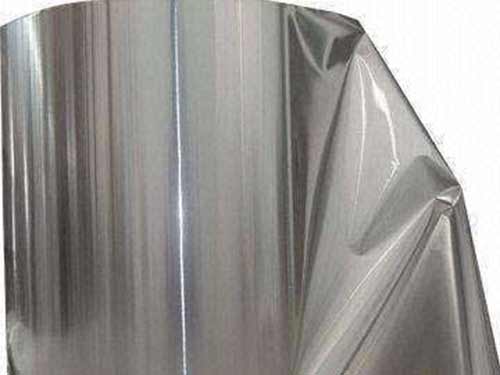
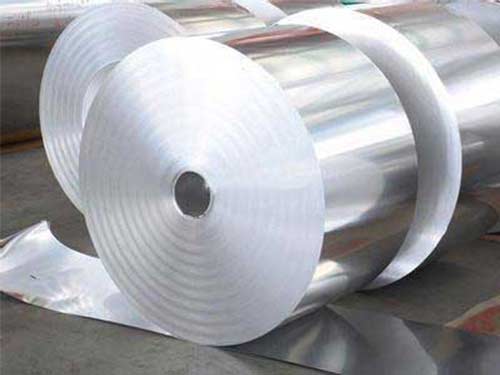
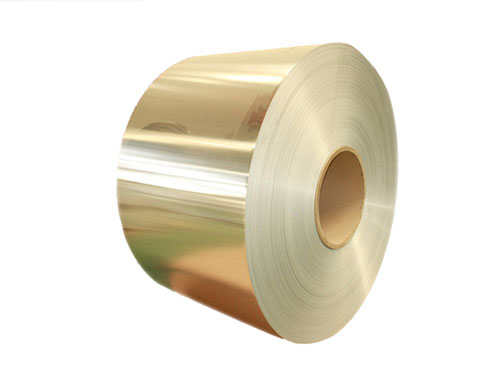
A bare fin is typically uncoated aluminum fin stock (often from rolled aluminum foil) that is stamped or formed into fin patterns and assembled onto tube bundles. Unlike hydrophilic or epoxy-coated fins, bare aluminum relies on its natural oxide film for baseline protection and uses geometry and temper selection to manage:
- Air-side heat transfer efficiency
- Condensate behavior on evaporators (film vs droplet, drainage path)
- Frost growth shape and defrost recovery time
- Fin durability during high-speed stamping and collar forming
- Corrosion performance in inland, industrial, and moderate coastal environments
Bare fins are widely chosen for cost efficiency, excellent thermal conductivity, and consistent forming-especially when the fin design is customized to a specific airflow, noise, and footprint constraint.
Unique Cooling Requirements Demand Custom Fin Designs (Not Just "More Fins")
Custom fin design is where bare aluminum becomes a precision tool. The fin pattern can be tuned to "tell air what to do" and "tell water where to go." That's the unusual but practical lens: your fin is a fluid-control surface.
Condenser fins: stability under high air temperature and contamination
Condenser coils often face hot discharge air, urban dust, traffic film, and occasional salt. A custom bare fin design can balance:
- High turbulence for heat rejection without excessive fan power
- Wider or optimized louver geometry to resist clogging
- Mechanical robustness to withstand fin combing and cleaning
- Collars designed to improve tube contact and limit contact resistance
Evaporator fins: managing water and frost like a designer
Evaporators have a different enemy set: condensate retention, icing, and biofilm risk. Custom fin choices can promote:
- Fast drainage paths so water doesn't sit and insulate the surface
- Frost pattern control to delay bridging between fins
- Reduced pressure drop to maintain airflow even as frost accumulates
- A fin pitch that matches the defrost strategy and humidity profile
Bare aluminum works especially well when the fin geometry is engineered to reduce "wet-surface penalties," instead of relying solely on coatings.
Parameters for Bare Aluminum Fin Foil (What Buyers Should Specify)
When a fin problem shows up in the field, it's usually traceable to a parameter that wasn't defined clearly at purchasing time. For bare aluminum fin stock used in condenser and evaporator fins, the essential specifications are:
- Alloy and temper (controls strength, elongation, formability, and springback)
- Thickness (commonly 0.08–0.20 mm; tailored by fin pitch, coil rigidity, and stamping method)
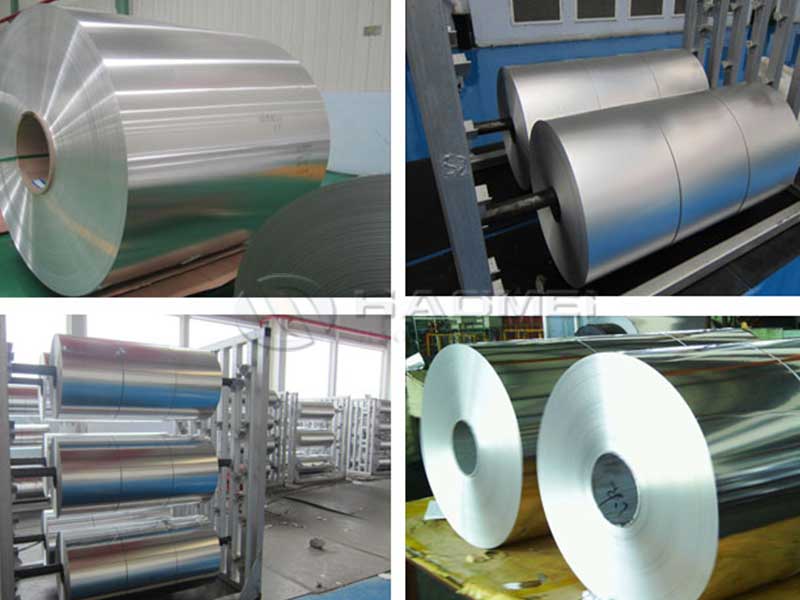
- Width and coil ID/OD (matched to fin press and scrap optimization)
- Tensile strength and elongation (must match stamping severity and collar design)
- Surface condition (cleanliness, rolling oil residue limits, and uniform oxide)
- Flatness and edge quality (directly impacts fin press stability and collar consistency)
- Grain structure consistency (helps prevent random tearing and edge cracking at high press speeds)
Bare fin foil is often expected to deliver repeatable formability across long production runs, so consistency matters as much as nominal properties.
Alloy and Temper Selection: The "Feel" of the Fin During Stamping
From a manufacturing standpoint, the fin alloy-temper combination has a personality. Some tempers behave like "soft clay" in a press; others act like "spring steel," pushing back and creating burrs or micro-cracks at louvers.
Common and practical alloy choices for bare aluminum fins include:
AA1100 (commercially pure aluminum)
High thermal conductivity, excellent formability. Often used when maximum ductility is required, especially for complex louver patterns.AA8011 (Al-Fe-Si series, widely used fin stock)
Popular due to balanced strength and formability, stable production performance, and broad supply availability.AA3003 (Al-Mn alloy)
Higher strength than 1100 with good corrosion resistance; often used when fin rigidity and durability are prioritized.
Typical tempers used for fin stock
- O (annealed) for maximum ductility in deep collars, aggressive louvers, and tight fin pitch designs
- H14 / H16 / H18 (strain-hardened) for higher strength and stiffness when handling damage and fin stability are
- H22 / H24 (partially annealed after hardening) when you want a middle ground: formability with better shape retention than fully annealed stock
Selecting temper is not just about meeting a tensile range. It's about preventing production losses from louver tearing, collar cracking, and springback-driven dimensional drift.
Implementation Standards and Practical Acceptance Criteria
Bare aluminum fin stock for condensers and evaporators typically aligns with widely recognized aluminum flat-rolled product standards. In global sourcing, the most referenced frameworks include:
- ASTM B209 / B209M for aluminum and aluminum-alloy sheet and plate (often used as a baseline reference for chemistry and mechanical expectations for rolled product)
- EN 485 series for aluminum and aluminum alloys sheet/strip (commonly referenced in European supply chains)
- JIS H4000 / related JIS standards in Asia-based procurement
Because fin stock is a high-speed stamping input material, many manufacturers also enforce internal implementation standards beyond general ASTM/EN requirements, such as:
- Maximum allowable pinholes and edge cracks
- Burr height and slit edge condition limits
- Surface cleanliness requirements to prevent die buildup and fin contamination
- Coil-to-coil property stability windows to maintain press settings
- Flatness/camber control to reduce misfeeds and collar inconsistency
In other words, general standards confirm "it is aluminum." Implementation standards confirm "it will run at 180 strokes per minute without surprises."
Custom Fin Geometry Options That Matter in Real Coils
A fin press can create far more than a uniform wave. Custom designs typically adjust several geometric levers to match unique cooling constraints:
- Fin pitch (FPI): higher FPI boosts surface area but increases pressure drop and risks faster frost bridging
- Louver angle and louver density: controls boundary layer disruption and heat transfer, but must suit alloy/temper to prevent tearing
- Collar design and height: influences tube-to-fin contact and mechanical stability
- Fin height and profile depth: changes stiffness, vibration behavior, and airflow channeling
- Edge features and reinforcement ribs: improves durability for cleaning and handling, useful in transport HVAC and industrial units
A distinctive design strategy is to tune geometry based on "failure modes" rather than purely on peak performance. For example, in a humid evaporator, a slightly more drainage-friendly geometry that reduces water retention can outperform a theoretically higher-area design once wet-surface effects accumulate.
Typical Fin Foil Parameter Ranges (Engineering Reference)
Real projects vary, but these ranges are common starting points for bare aluminum fin stock in condenser/evaporator applications:
- Thickness: about 0.08–0.20 mm
- Temper: O, H22/H24, H14/H16 (selected by stamping aggressiveness and required stiffness)
- Common alloys: 1100, 8011, 3003
- Width: customized to fin press layout and scrap targets
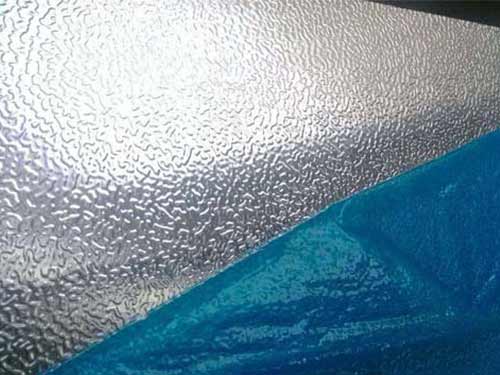
- Surface: bright/mill finish, controlled rolling oil, uniform oxide appearance
For custom designs, thickness and temper are often tuned together. A slightly thicker O-temper foil can sometimes stamp more reliably than a thinner half-hard foil, even if both meet the same coil rigidity target after assembly.
Chemical Composition Table (Typical Limits, Reference Guidance)
Below is a commonly used reference view of chemistry for fin-stock-related alloys. Actual limits depend on the governing standard and supplier certification; procurement should always require a Mill Test Certificate.
| Alloy | Si (%) | Fe (%) | Cu (%) | Mn (%) | Mg (%) | Zn (%) | Ti (%) | Al (%) |
|---|---|---|---|---|---|---|---|---|
| AA1100 | ≤ 0.95 (Si+Fe) | ≤ 0.95 (Si+Fe) | 0.05–0.20 | ≤ 0.05 | - | ≤ 0.10 | - | ≥ 99.00 |
| AA8011 | 0.50–0.90 | 0.60–1.00 | ≤ 0.10 | ≤ 0.20 | ≤ 0.05 | ≤ 0.10 | ≤ 0.08 | Remainder |
| AA3003 | ≤ 0.60 | ≤ 0.70 | 0.05–0.20 | 1.00–1.50 | - | ≤ 0.10 | - | Remainder |
Notes that matter for fin applications:
- Fe and Si influence intermetallic formation and can affect formability and surface appearance in thin foil.
- Mn (in 3003) raises strength and improves some corrosion behaviors, useful for fin rigidity and durability.
- Purity (1100) supports excellent formability and thermal conductivity, often chosen for complex fin patterns.
Bare Fin Performance in the Field: The Practical Tradeoffs
Bare aluminum fins can be outstanding performers, but they ask for smarter design choices when the environment is harsh.
- In moderate indoor or controlled outdoor settings, bare fins provide a strong balance of cost and heat transfer.
- In heavy coastal salt spray or aggressive industrial atmospheres, bare fins may require design compensation or an alternative approach (coated fin stock, different alloy strategy, or maintenance planning).
- In high humidity evaporators, geometry choices that encourage drainage can be as valuable as any material upgrade.
A distinctive way to evaluate bare fin viability is to model not only initial performance, but also the "dirty coil curve" and "wet coil curve," then design fin pitch and louver behavior around how performance declines over time.
Manufacturing and Quality Conditions That Should Be Stated Upfront
To keep custom fin designs running smoothly from prototype to mass production, the purchase specification for bare aluminum fin foil should naturally include:
- Alloy and temper target, with allowable ranges
- Thickness tolerance and coil-to-coil consistency expectation
- Surface cleanliness requirement suitable for high-speed fin stamping
- Edge condition and burr limits to protect dies and prevent fin tearing
- Flatness/camber expectations for stable feeding and collar registration
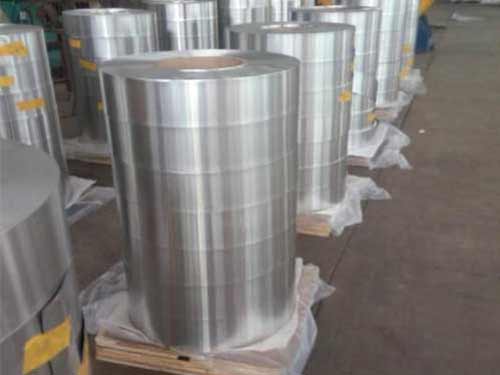
- Packaging conditions to avoid edge damage and moisture staining during transport
These "non-obvious" conditions often determine whether a custom fin design is a success or an ongoing troubleshooting project.
Why Bare Aluminum Fin Stock Remains a Smart Platform for Custom Cooling
Bare aluminum fin stock remains the most flexible platform for custom condenser and evaporator solutions because it combines:
- High thermal conductivity and low mass
- Excellent formability across multiple fin architectures
- Fast, economical stamping scalability
- Compatibility with a wide range of tube materials and coil designs
When you treat the fin as a micro-architectural surface-one that manages air, water, and frost-custom bare fin designs become a powerful way to meet unique cooling requirements without overcomplicating the coil.