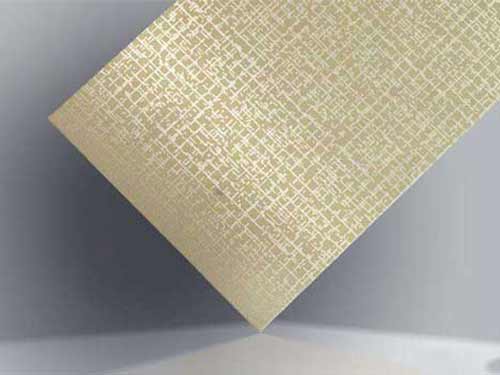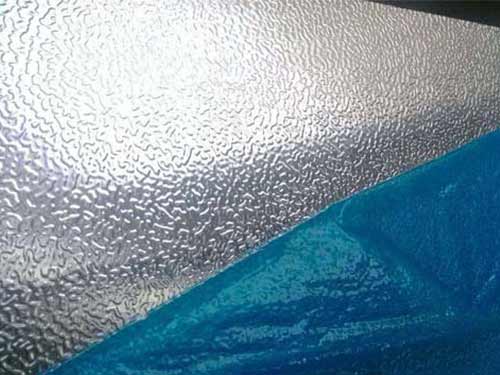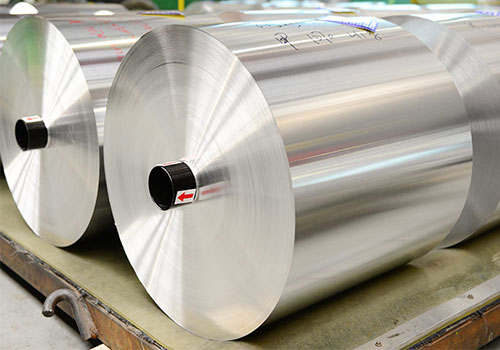

When people think about packaging, they often picture the bottle or the brand story on the label. Yet one of the most "touched" parts of any beverage, pharmaceutical, or personal-care product is the closure. The aluminum closure print sheet is where engineering meets first impression: it must accept ink beautifully, form cleanly at high speed, resist corrosion from real-world environments, and still open with a familiar, satisfying feel. From a manufacturing viewpoint, it's less like a simple metal sheet and more like a carefully tuned printing-and-forming platform.
What an aluminum closure print sheet really does
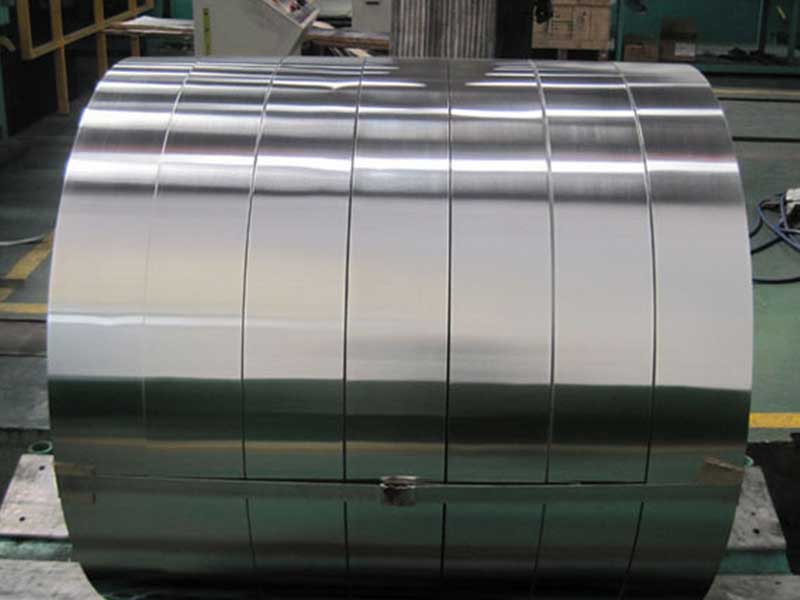
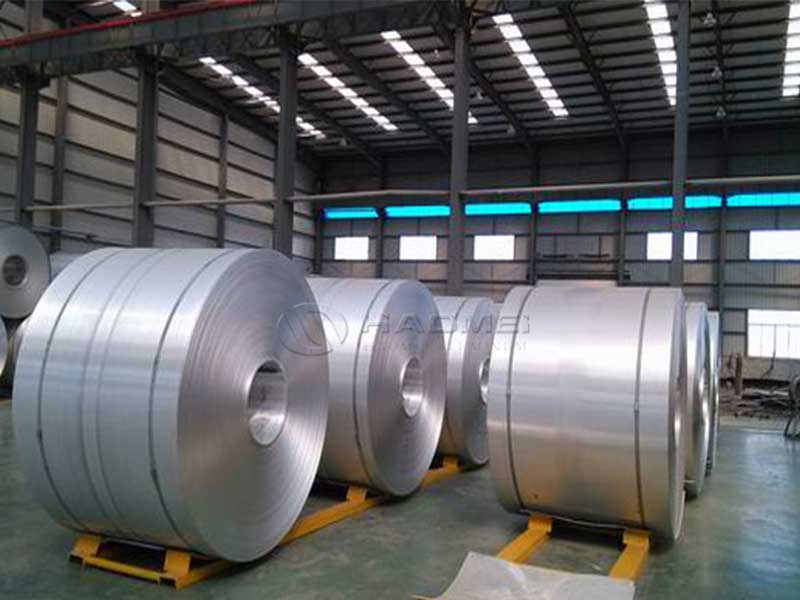
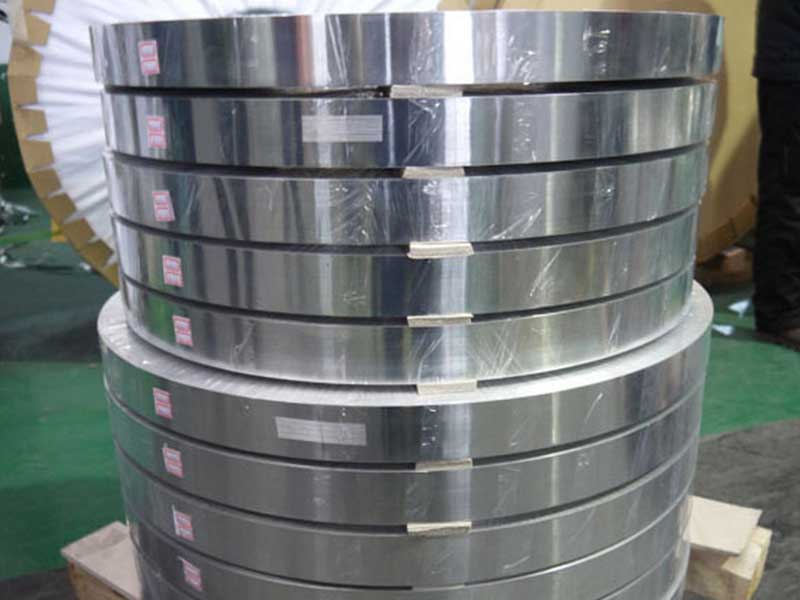
An aluminum closure print sheet is aluminum coil or sheet designed specifically for printed caps and closures, including ROPP pilfer-proof caps for spirits and beverages, screw caps for water and soft drinks, and specialty closures used in cosmetics, nutraceuticals, and household chemicals. Unlike general-purpose aluminum, closure stock has to balance competing requirements.
It needs a surface that holds ink consistently without mottling, pinholes, or adhesion failures. At the same time, it must be ductile enough to be stamped, knurled, threaded, and sometimes embossed without cracking. And it has to maintain dimensional stability so high-speed lines don't drift out of tolerance.
That's why "print sheet" is not just a marketing label. It implies controlled chemistry, controlled temper, tight gauge tolerance, clean surface, and compatibility with printing systems such as offset, dry offset, UV, or solvent-based processes, plus downstream lacquering and curing.
Alloys commonly used for printed closure stock
Most aluminum closure print sheets use 3xxx series aluminum-manganese alloys or selected 1xxx/8xxx alloys depending on the cap design, forming severity, and printing expectations.
AA3105 and AA3005 are widely used because manganese strengthens aluminum while preserving formability. For some applications requiring very high purity and excellent surface, AA1070/AA1050 can be considered, though strength is lower and may influence cap rigidity. Some closure ecosystems also use 8011 in specific markets due to its availability and balanced properties.
In practical terms, choosing the alloy is like choosing the "character" of the sheet: how it flows in forming, how it holds knurl definition, and how it behaves under torque and tamper-evidence rolling.
Tempering and why it matters on the cap line
Temper is where closure stock becomes closure stock. A sheet that is too hard may crack at the skirt during rolling or show orange-peel texture that ruins print gloss. A sheet that is too soft may deform, lose thread integrity, or feel flimsy.
Common tempers for aluminum closure print sheet include H14, H16, H18, and, in some manufacturing routes, H19 for higher strength needs. For many ROPP caps, H14 to H16 offers a reliable balance: enough strength to keep cap shape, enough ductility to form threads and tamper bands cleanly.
Temper selection also affects printing. Harder material can "spring back" slightly during forming, so the process window for register and decoration alignment must be considered. A well-matched temper reduces scrap not only at the press, but also at the capper.
Typical parameters customers care about
Customers buying aluminum closure print sheet often evaluate it with a mixed lens: part printing buyer, part forming engineer, part quality auditor. The parameters commonly specified include:
- Thickness range typically used for closures: about 0.18–0.30 mm, with many beverage and spirits closures falling around 0.20–0.23 mm depending on diameter and design
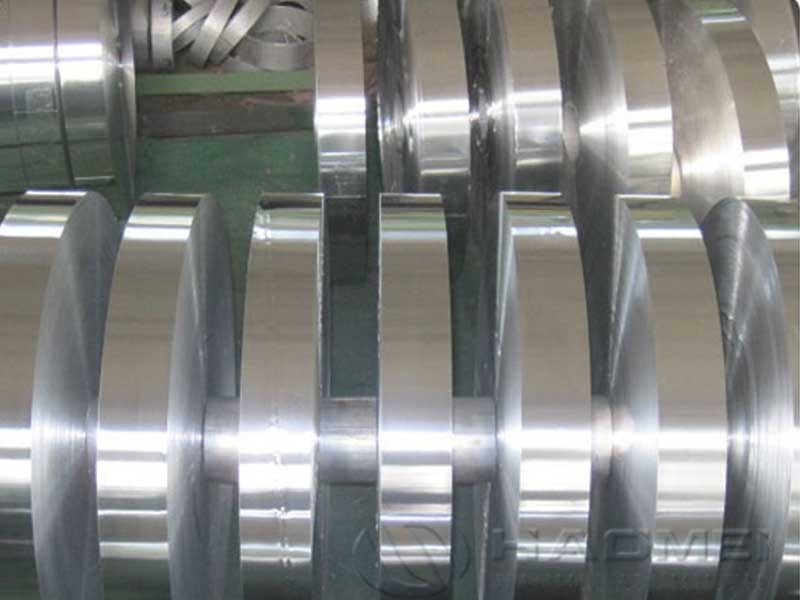
- Width: matched to press and slitter capability, often in coil form for high efficiency
- Surface finish: bright/mill finish or pre-treated surface suitable for printing and coating
- Flatness and shape: critical for stable feeding into printing presses and conversion presses
- Mechanical property targets: tensile strength and elongation aligned with forming severity
- Surface cleanliness: low residual oil, controlled roughness, minimal inclusions to avoid print defects
- Coating compatibility: primer/lacquer systems must adhere and cure without blistering or delamination
Behind those bullet points is a single business reality: closure printing and forming is a speed game. A small inconsistency in coil shape, gauge, or surface energy becomes thousands of defective caps per hour.
Implementation standards and quality references
Closure sheet supply commonly aligns with widely recognized aluminum standards, while also meeting closure-industry specific agreements. Typical references include:
- ASTM B209 for aluminum and aluminum-alloy sheet and plate
- EN 485 series for aluminum and aluminum alloys, including mechanical properties and tolerances
- EN 573 for chemical composition of wrought aluminum alloys
- RoHS and REACH compliance expectations for regulated markets
- Food-contact and packaging-related requirements, depending on the coating and intended end use
In many closure programs, the "real" standard is also the customer's internal specification: it defines print performance benchmarks, coating adhesion targets, earing control, and forming results in the specific cap geometry.
Chemical composition table (typical)
Below is a typical chemistry reference for common closure-print alloys. Actual limits depend on the governing standard and supplier/customer agreement.
| Alloy | Si (max) | Fe (max) | Cu (max) | Mn | Mg (max) | Zn (max) | Ti (max) | Al |
|---|---|---|---|---|---|---|---|---|
| AA3105 | 0.60 | 0.70 | 0.30 | 0.30–0.80 | 0.20 | 0.40 | 0.10 | Remainder |
| AA3005 | 0.60 | 0.70 | 0.30 | 1.0–1.5 | 0.20–0.60 | 0.25 | 0.10 | Remainder |
| AA8011 | 0.50–0.90 | 0.60–1.0 | 0.10 | 0.20 | 0.05 | 0.10 | 0.08 | Remainder |
From sheet to finished cap: the hidden "print-to-form" handshake
A distinctive way to look at aluminum closure print sheet is to treat it as a translator between two worlds. Printing wants a surface with consistent energy and micro-roughness so ink wets evenly. Forming wants a microstructure that can stretch and compress without localized tearing. Those needs can conflict, and the best closure stock is where they shake hands.
That handshake is managed by rolling practice, intermediate annealing (when used), final temper rolling, and surface control. If grain is too coarse, the closure may show texture after forming, dulling metallic effects. If lubrication residues are inconsistent, ink adhesion can vary across the web. If coil set is excessive, press feeding becomes unstable, leading to register drift or coating thickness variation.
What to ask your supplier for (fast, practical checks)
A strong aluminum closure print sheet program is supported by clear documentation and repeatable testing. Many buyers request:
- Mill test certificate with chemistry, mechanical properties, and coil identification
- Thickness and width tolerance reports, plus flatness/shape confirmation
- Surface quality declaration, including pinhole/inclusion control approach
- Printing and coating compatibility guidance for the intended press system
- Trial coil support to validate real cap-making conditions: printing, curing, stamping, rolling, and capping torque
Closing thought: why this sheet is a brand asset
A closure is opened inches from the customer's face. Gloss, color accuracy, tactile knurl, and clean pilfer band break all quietly reinforce brand quality. The aluminum closure print sheet is the upstream foundation of that moment. When alloy, temper, parameters, and standards are chosen with the end-user experience in mind, the result is not just a compliant material-it's a closure that prints crisply, runs smoothly, and protects the product with confidence.