Color Coated Aluminum Mirror Sheet: When Reflection Becomes a Functional Surface
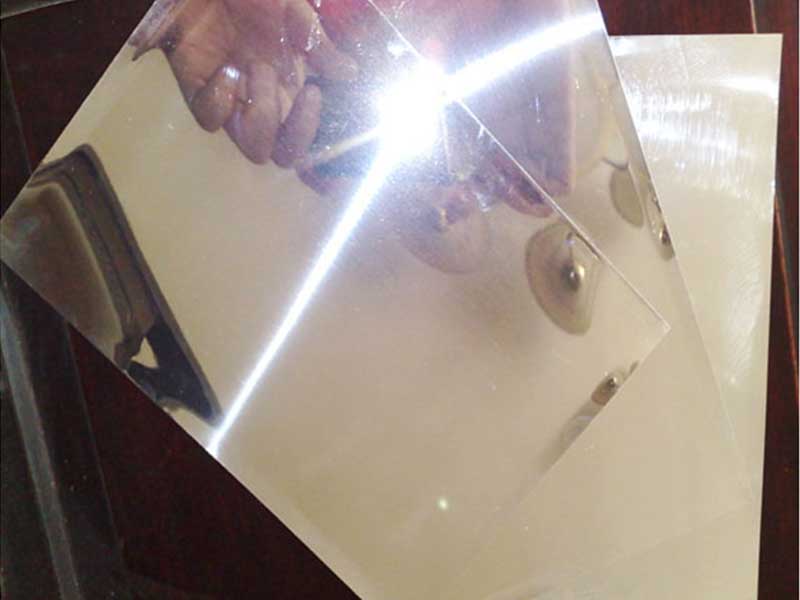
A color coated aluminum mirror sheet looks, at first glance, like a decorative material. It reflects like glass, shines like polished metal, and carries rich hues that can shift a design mood from minimalist to luxury in a single panel. But its real value is more technical than artistic: it is a lightweight, corrosion-resistant, engineered reflective surface with controlled color, optical consistency, and process-friendly formability. In many projects, it replaces glass mirrors, stainless panels, or painted sheets because it can do several jobs at once-reflect light, protect the substrate, and communicate a brand color-while staying easy to fabricate.
What it is, in a "layer logic" viewpoint
From a functional standpoint, color coated aluminum mirror sheet is best understood as a performance stack rather than a single material.
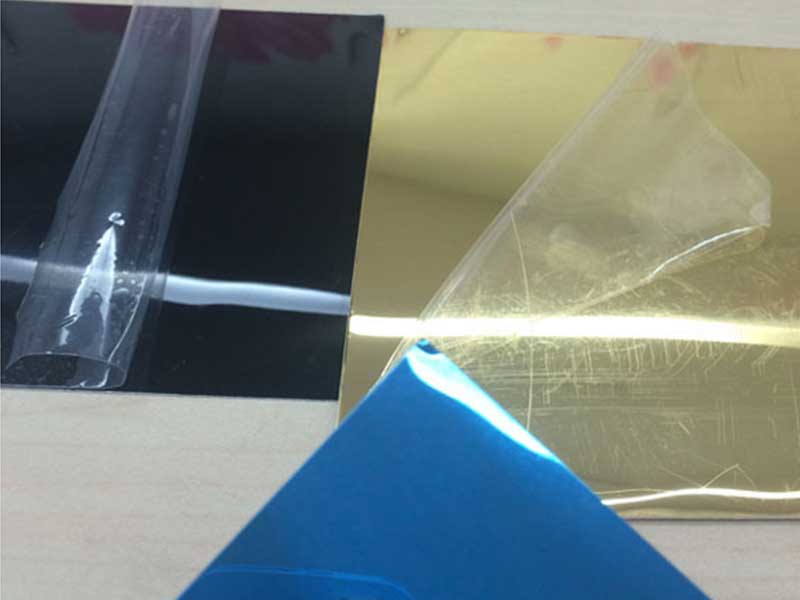
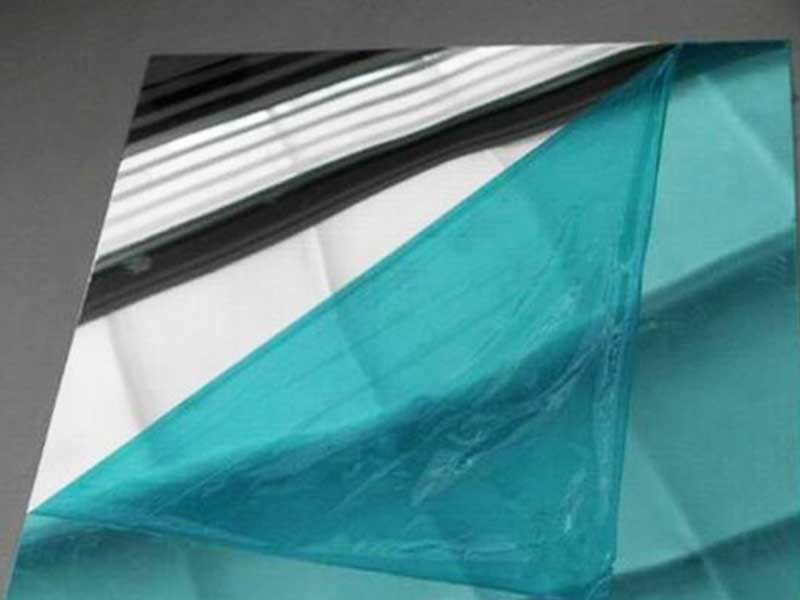
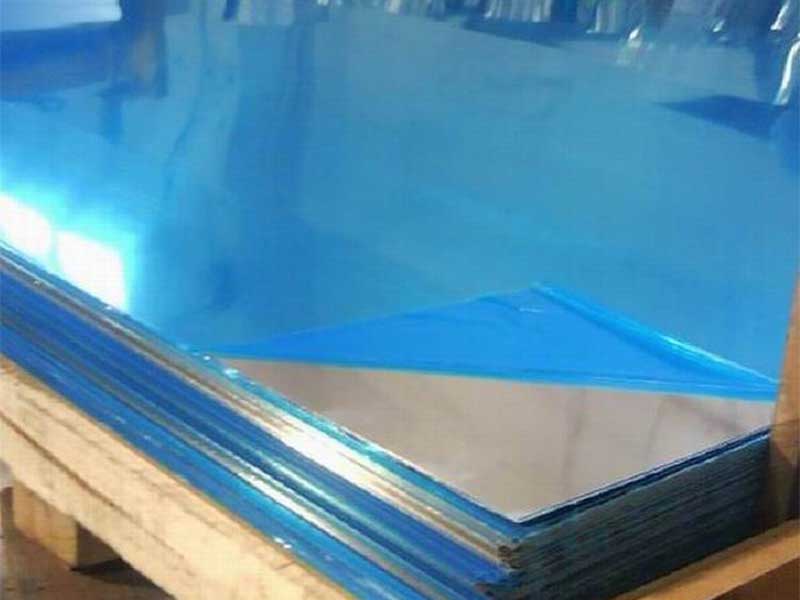
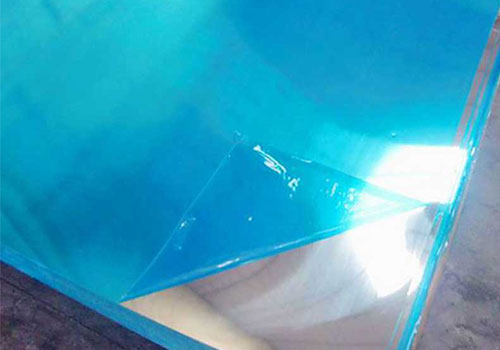
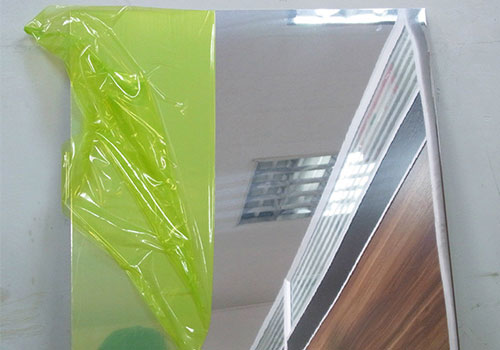
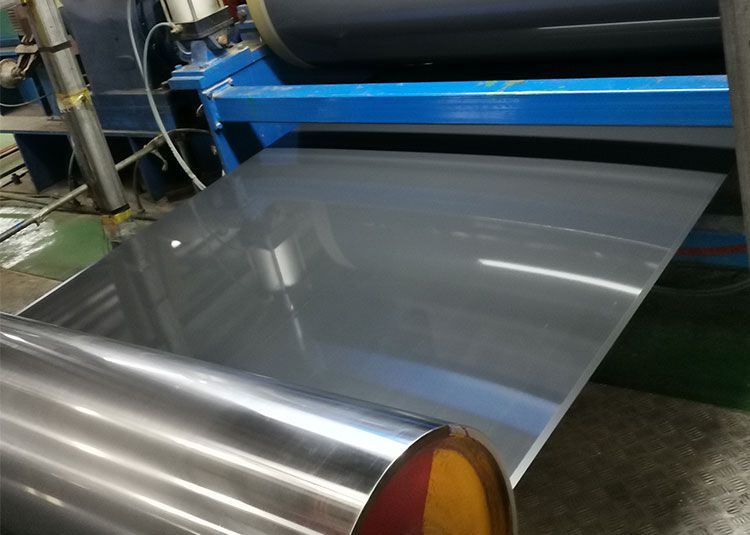
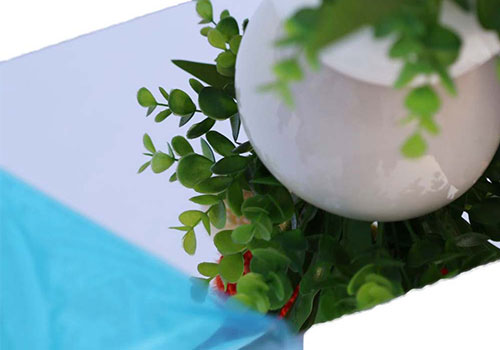
The base is an aluminum alloy sheet chosen for flatness, formability, and surface quality. Then a high-clarity mirror finish is created, typically by precision rolling and/or polishing and brightening processes that reduce surface roughness to support clear reflection. After that, optical and protective layers are applied: either a color coating on the viewing side (tinted clear systems or high-gloss pigmented systems) and a protective coating on the back side, or a mirror layer system depending on the product route. Finally, a removable film protects the surface during cutting, bending, and installation.
This layered design explains why customers like it: it behaves like a mirror, but it installs and survives like coated metal.
functions that matter in real applications
High reflectivity with controlled diffusion is the heart of the product. A good mirror aluminum base can reach typical total reflectance of about 86%–95% depending on alloy, finish route, and coating system. Color coating introduces a controlled spectral shift: instead of neutral reflection, you get a warm gold, cool blue, champagne, smoke gray, or custom tone-useful when a "bright but softer" reflection is desired, or when lighting needs aesthetic tuning in retail and interior environments.
Corrosion resistance is the second big function. Bare mirror-finish aluminum can be sensitive to fingerprints, humidity, and some cleaning agents. A well-chosen coating system acts as a barrier layer against water, salt spray, and atmospheric contaminants. For coastal architecture, transportation interiors, or humid spaces like fitness studios, this barrier function often matters more than the mirror effect itself.
Weight and safety are often overlooked but decisive. Compared with glass mirrors, aluminum mirror sheets are lightweight and do not shatter into sharp fragments. This makes them attractive for elevator interiors, public signage, children's environments, and transportation where impact risk exists.
Fabrication flexibility is another practical advantage. Sheets can be cut, routed, bent, and laminated. The coated surface can be designed to tolerate common forming operations within specified bend radii, enabling curved reflective trims, wrap-around columns, or shaped signage elements without switching to complex glass work.
Where it is used: reflection as a tool, not just decoration
In architectural interiors, color coated mirror aluminum is used for wall panels, ceiling reflectors, column cladding, and decorative trims. Designers use it to amplify perceived space while controlling glare through tinted reflections. Smoke or champagne tones are common when a "mirror presence" is wanted without harsh brightness.
In retail and branding, the material becomes a lighting amplifier. Mirror aluminum behind shelves or inside display cases increases luminance efficiency; the colored coating reinforces brand palettes while still reflecting products crisply. It's also popular for pop-up installations because it is light, portable, and less fragile than glass.
In lighting and optical applications, mirror aluminum is used as reflector panels, decorative reflectors, and luminaire interiors. Color coating can tune the aesthetic appearance of the luminaire without changing the mechanical body. For some display lighting, slightly tinted reflection reduces perceived glare while maintaining good brightness.
In transportation and marine interiors, coated mirror sheets provide a premium look with improved resistance to humidity and cleaning cycles. They're used in trims, panels, and decorative elements where stainless steel might be too heavy, too expensive, or too hard to form.
In signage and consumer products, the surface acts like a "metal mirror finish paint" but with better consistency and durability. Laser cutting, CNC routing, and adhesive bonding are widely used, and protective film helps keep the surface pristine through assembly.
Common parameters customers check before purchasing
Color coated aluminum mirror sheet is specified like a precision metal product rather than a generic decorative panel. Typical parameters include:
Thickness range: 0.3–3.0 mm for most decorative and reflector uses; thicker gauges are available for structural backing needs
Width: commonly 1000–1500 mm; customized widths possible
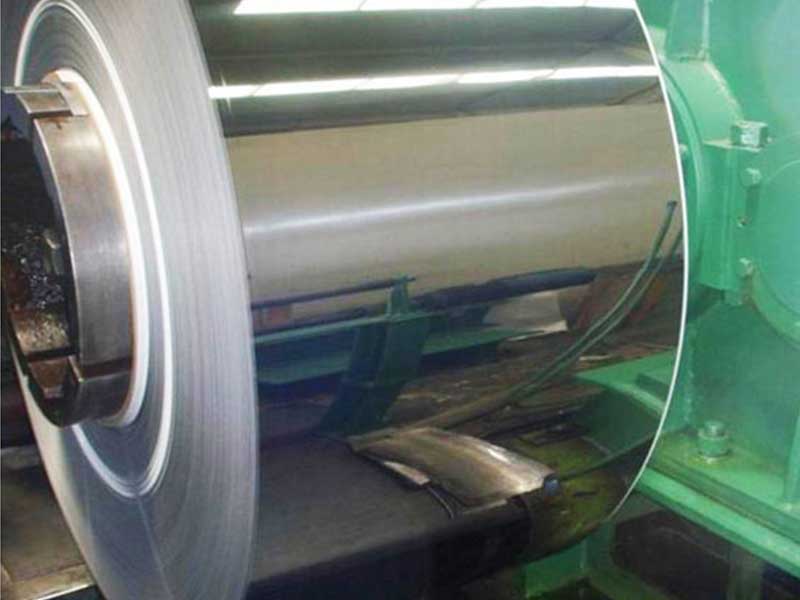
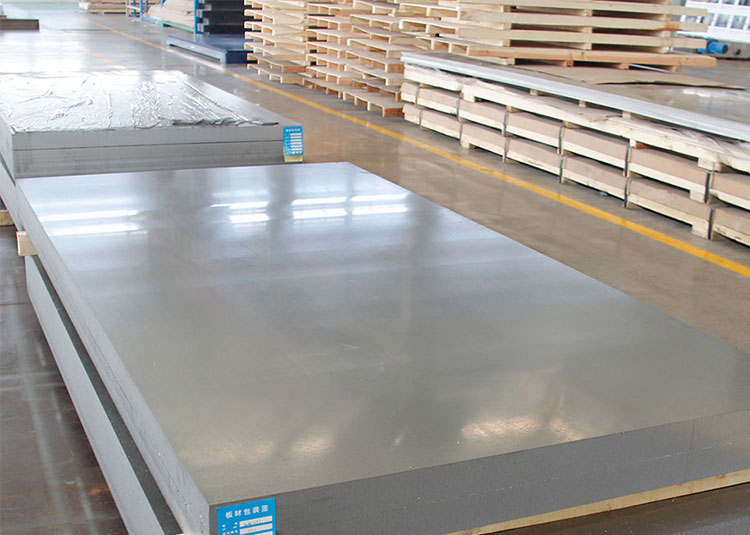
Length: commonly 2000–6000 mm or coil supply for continuous processing
Coating thickness: typically 8–25 μm for color coat depending on system; back coat often 5–10 μm
Gloss: often high-gloss (above 80 GU at 60°) for mirror-like appearance, depending on coating
Reflectivity: typical 86%–95% before color shift; final perceived reflectance varies by color and coating formulation
Protective film: PE film (standard) or laser film for CNC/laser processes
Surface quality: controlled for scratches, pinholes, and coating uniformity; mirror grade requires strict flatness and cleanliness
Alloy, temper, and why they matter for mirror + coating
Alloy selection is not only about strength; it is about surface finish potential and coating compatibility.
AA1050/1060/1070 are high-purity aluminum grades often used when maximum reflectivity and excellent anodizing/coating uniformity are required. They offer outstanding brightness potential but are softer, so they may scratch more easily during fabrication.
AA3003 is a workhorse alloy for good formability and improved strength compared with 1xxx series, with very good corrosion resistance. It is widely used for architectural panels and decorative applications where forming is needed.
AA5052 offers higher strength and excellent corrosion resistance, especially in marine atmospheres, but achieving the same mirror clarity can be more process-sensitive. It is selected when durability and strength outweigh absolute optical perfection.
Common tempers include O (annealed) for deep forming, H14/H24 for balanced strength and formability, and H18/H19 for higher hardness and dent resistance. For panels that must stay flat and resist handling marks, a harder temper is often preferred, provided bending requirements are met.
Implementation standards and quality references
Different markets specify different standards, but customers frequently reference these benchmarks to align expectations:
ASTM B209 for aluminum and aluminum-alloy sheet and plate dimensional and mechanical requirements
EN 485 series for aluminum sheets in European markets
EN 1396 for prepainted aluminum coil and sheet used in cladding and general applications
AAMA 2603/2604/2605 for coating performance levels in architectural aluminum (coating system dependent)
ISO 9227 for salt spray testing when corrosion performance is required
ISO 2813 for gloss measurement of coatings
ASTM D3359 for coating adhesion (cross-hatch) verification
Actual compliance depends on the supplier's coating line, resin system, and product positioning, but aligning to these standards clarifies performance targets.
Chemical composition table (typical limits, wt.%)
| Alloy | Si | Fe | Cu | Mn | Mg | Zn | Ti | Al |
|---|---|---|---|---|---|---|---|---|
| AA1050 | ≤0.25 | ≤0.40 | ≤0.05 | ≤0.05 | ≤0.05 | ≤0.07 | ≤0.05 | ≥99.50 |
| AA1060 | ≤0.25 | ≤0.35 | ≤0.05 | ≤0.03 | ≤0.03 | ≤0.05 | ≤0.03 | ≥99.60 |
| AA1070 | ≤0.20 | ≤0.25 | ≤0.04 | ≤0.03 | ≤0.03 | ≤0.04 | ≤0.03 | ≥99.70 |
| AA3003 | ≤0.60 | ≤0.70 | 0.05–0.20 | 1.0–1.5 | ≤0.05 | ≤0.10 | ≤0.10 | Balance |
| AA5052 | ≤0.25 | ≤0.40 | ≤0.10 | ≤0.10 | 2.2–2.8 | ≤0.10 | ≤0.10 | Balance |
Values can vary by standard and mill practice; confirm with mill test certificates for procurement-critical projects.
A distinctive way to choose: match "reflection behavior" to the job
Instead of selecting only by color, choose by what the reflection must do. If you need maximum brightness for light management, prioritize high-purity alloys and high-reflectance mirror finishing. If you need a luxury atmosphere with softened glare, choose tinted coatings with controlled gloss and a slightly diffused mirror. If the environment is harsh, prioritize coating performance class and corrosion testing over peak reflectivity. This "reflection behavior" approach helps customers select a sheet that performs predictably long after installation, not just on day one.
Color coated aluminum mirror sheet is ultimately a tool: a surface that manipulates light, resists real-world exposure, and still fabricates like metal. When specified with the right alloy, temper, coating system, and standards alignment, it becomes one of the most efficient ways to combine aesthetics and engineering in a single panel.