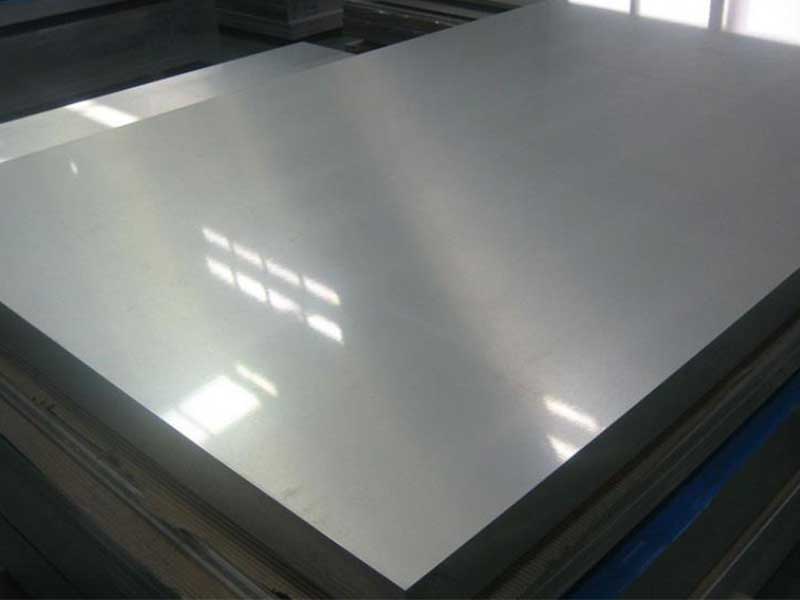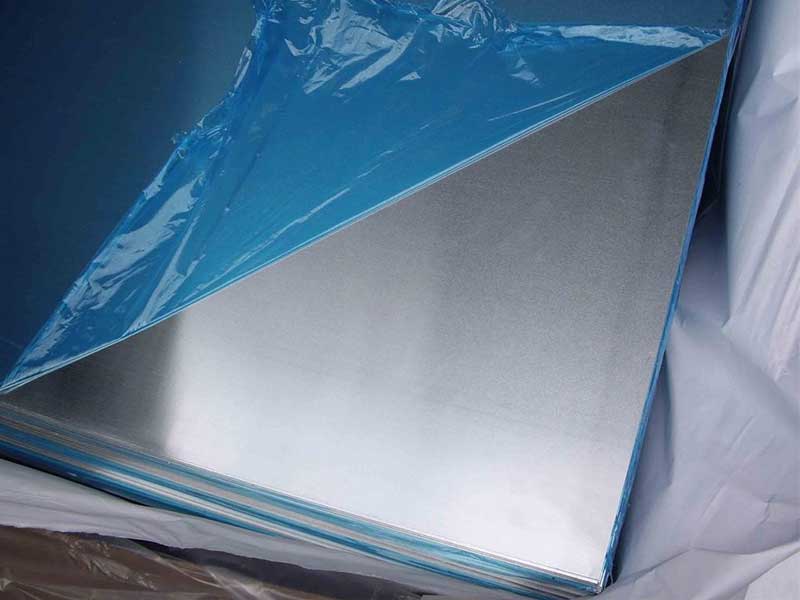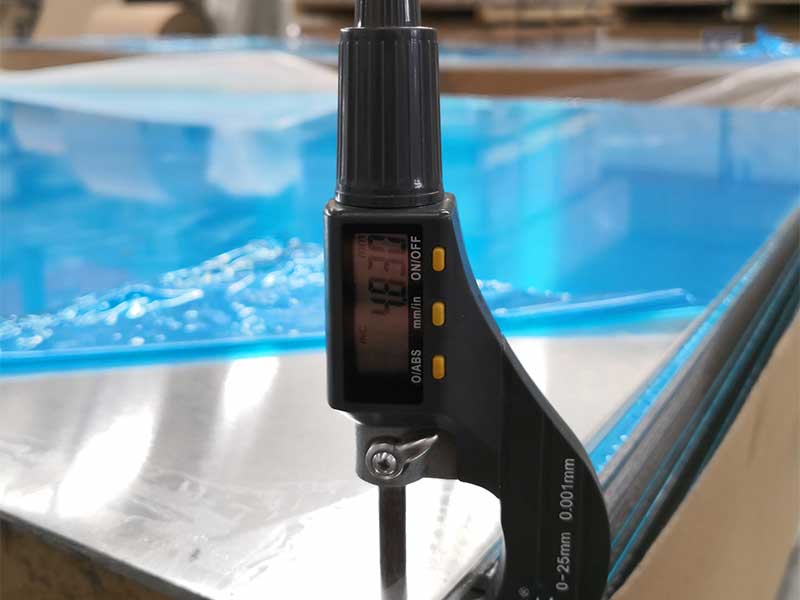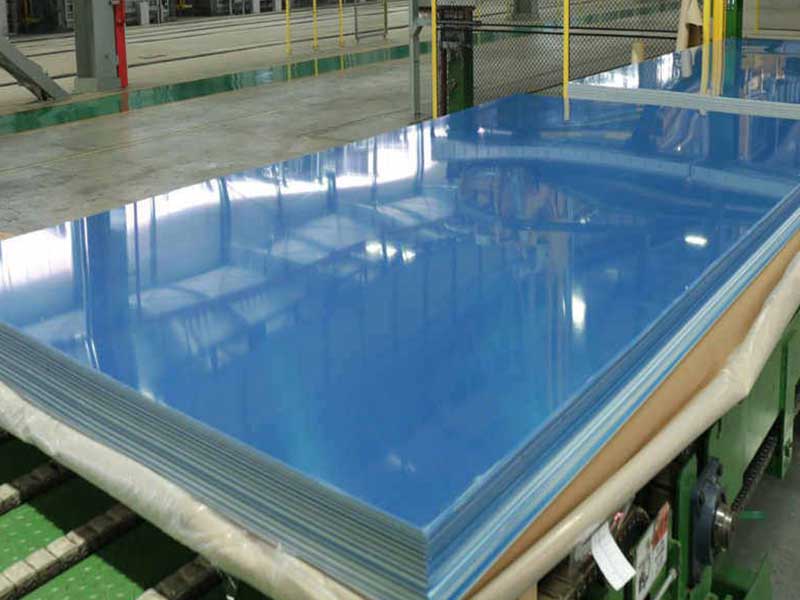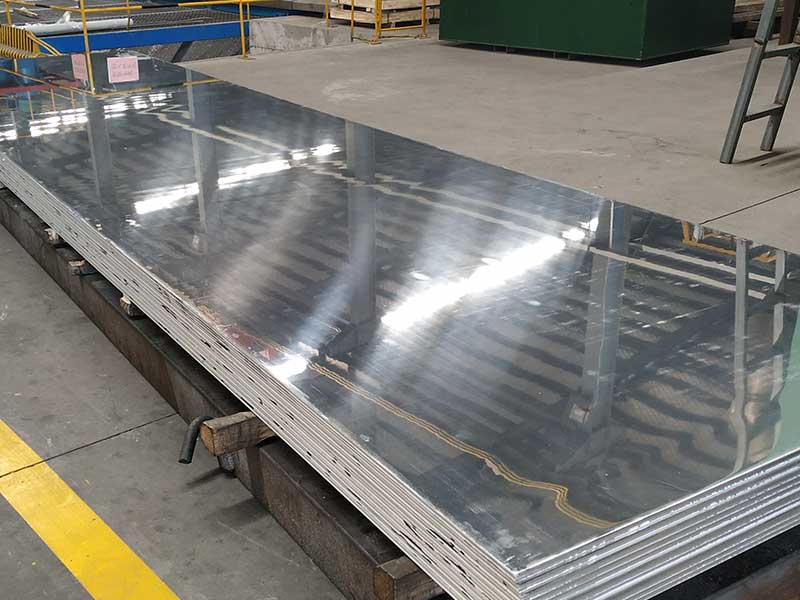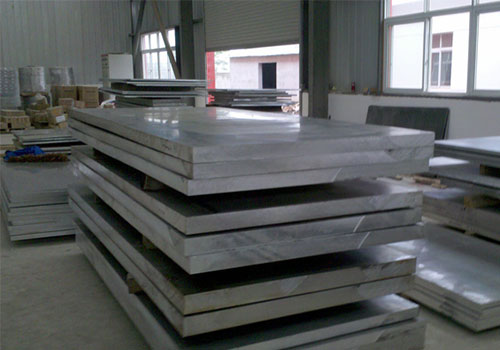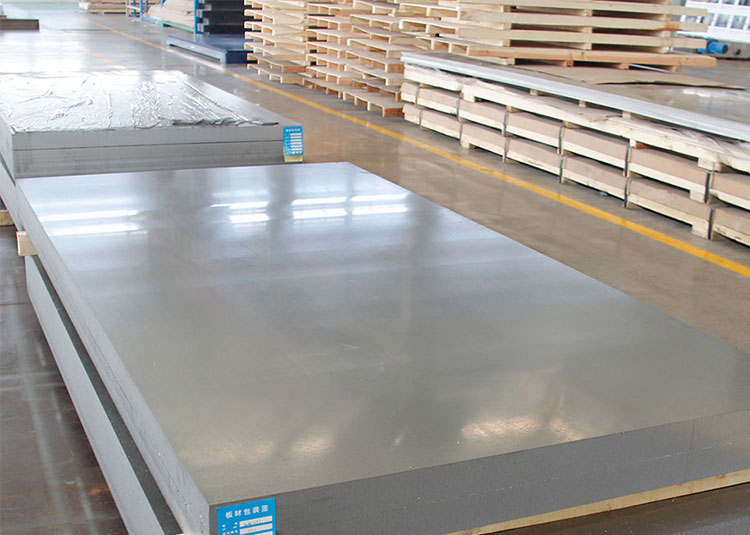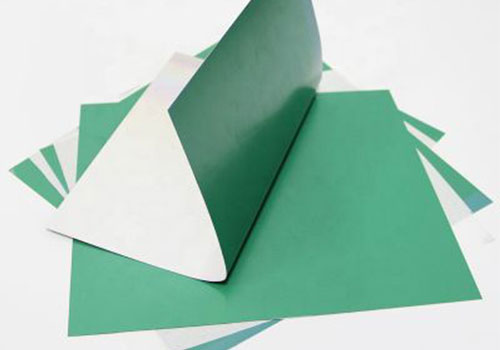

CTP (Computer-to-Plate) offset aluminum plate is the backbone of modern lithographic printing, translating digital files directly into reliable, high-resolution press plates. Built on carefully controlled aluminum alloy substrates and precision surface treatments, CTP plates deliver stable dot reproduction, long press life, and consistent ink–water balance-whether you print short-run commercial jobs or high-volume packaging.
What It Is and Why It Matters
A CTP offset aluminum plate is an aluminum-based lithographic plate designed to be imaged by a CTP platesetter (typically thermal 830 nm or violet 405 nm). The aluminum substrate provides:
- Dimensional stability to hold register through long runs
- Uniform surface microstructure for controlled water retention
- Mechanical strength to resist scratching, deformation, and press stress
- Excellent heat conductivity for stable imaging and drying behavior
The "plate" is more than a sheet of metal. Its performance depends on alloy selection, grain quality, anodic layer properties, and how uniformly the plate responds to imaging and processing.
Core Features Customers Notice on Press
High-fidelity dot reproduction
A well-grained and anodized aluminum base supports consistent micro-wettability. This helps maintain clean highlights, stable midtones, and sharper text edges-especially in high-line-screen commercial printing.
Fast and stable imaging response
CTP plates are engineered for predictable energy sensitivity, allowing smooth imaging with standard laser power windows. Stable imaging reduces rework, saves time in prepress, and supports consistent plate-to-plate results.
Reliable ink–water balance
The hydrophilic non-image area, supported by the anodized aluminum surface, helps reduce scumming and toning. Operators often experience quicker make-ready and less adjustment during the run.
Long run durability
The anodic layer and substrate strength determine abrasion resistance. Strong wear resistance means fewer press stops, better consistency across the full edition, and reduced plate consumption.
Compatibility with common workflows
CTP plates are available for multiple process routes, including conventional processing and processless options, depending on the plate coating system used by the plate manufacturer.
Typical Aluminum Substrate Alloy Choices
In the CTP plate industry, aluminum substrates commonly use AA1xxx or AA3xxx series due to their balance of formability, grainability, and anodizing behavior. The exact choice depends on the desired strength, flatness, and electrochemical consistency.
Chemical Composition (Typical Substrate Options)
| Alloy (Typical) | Si (%) | Fe (%) | Cu (%) | Mn (%) | Mg (%) | Zn (%) | Ti (%) | Al (%) |
|---|---|---|---|---|---|---|---|---|
| AA1050 | ≤0.25 | ≤0.40 | ≤0.05 | ≤0.05 | ≤0.05 | ≤0.05 | ≤0.03 | Balance |
| AA1060 | ≤0.25 | ≤0.35 | ≤0.05 | ≤0.03 | ≤0.03 | ≤0.05 | ≤0.03 | Balance |
| AA1070 | ≤0.20 | ≤0.25 | ≤0.04 | ≤0.03 | ≤0.03 | ≤0.04 | ≤0.03 | Balance |
| AA3003 | ≤0.60 | ≤0.70 | 0.05–0.20 | 1.0–1.5 | ≤0.05 | ≤0.10 | ≤0.10 | Balance |
Note: Exact limits can vary by standard and supplier control plans. For plate-grade substrates, tighter internal limits are common to ensure stable graining and anodizing.
Technical Specifications Buyers Should Compare
A good sourcing decision comes from measurable specifications: thickness tolerance, flatness, surface roughness, and anodic layer consistency. These directly influence imaging latitude, press performance, and waste rate.
Technical Specifications (Common Industrial Ranges)
| Parameter | Typical Range | Why It Matters |
|---|---|---|
| Thickness | 0.15–0.40 mm | Affects stiffness, cylinder fit, and run durability |
| Thickness tolerance | ±0.005–±0.020 mm | Impacts register stability and plate mounting consistency |
| Width | 300–1350 mm | Matches platesetter and press format |
| Length | 400–1650 mm | Matches press size and layout |
| Flatness | ≤10–25 mm (per sheet, method-dependent) | Reduces imaging focus issues and mounting errors |
| Surface roughness (Ra) | 0.4–1.2 µm | Controls water retention and dot stability |
| Anodic layer weight | ~1.0–3.0 g/m² | Determines wear resistance and hydrophilicity |
| Anodic thickness (approx.) | ~0.8–2.5 µm | Correlates with press life and chemical resistance |
| Surface treatment | Electrochemical graining + anodizing | Provides uniform microstructure and oxide layer |
| Grain uniformity | High, low defect count | Reduces streaking, mottling, and plate noise |
Performance Characteristics in Real Production
Clean, repeatable press start
Uniform surface energy helps achieve stable dampening early in the run, lowering start-up waste sheets. Print shops value plates that reach color quickly and hold it with minimal operator intervention.
Resistance to scratches and handling damage
CTP plates encounter mechanical contact during packing, loading, bending, and clamping. A stable substrate and robust oxide layer reduce micro-scratches that can show as defects on press.
Better stability across temperature and humidity changes
Aluminum's mechanical behavior and flatness control matter in shops where plates move between storage, prepress, and press areas. Stable plates maintain imaging quality and alignment.
Long-run consistency
For high-volume work, the plate must resist abrasion from blanket contact, paper dust, and fountain solution chemistry. Consistent anodizing quality is a differentiator here.
Applications: Where CTP Offset Aluminum Plate Excels
CTP offset aluminum plates support a wide spread of printing categories, from fast-turn commercial print to packaging where stability and repeatability drive profitability.
Commercial printing
- Brochures, catalogs, flyers, posters
- Fine text and halftone images requiring stable dot gain
- Frequent job changes that benefit from fast make-ready
Publishing and periodicals
- Books, magazines, newspaper inserts
- High throughput with predictable plate behavior
- Cost-sensitive operations that value low spoilage and dependable run lengths
Packaging printing
- Folding cartons, labels, and general paper packaging
- Solid ink coverage areas where balance and scumming control are critical
- Demanding color consistency across long runs and repeat orders
Specialized graphics and brand work
- Jobs requiring sharp microtext, line art, and smooth gradients
- Brand colors where repeatability matters across reprints
Recommended Ordering Data (Quick Reference)
Providing clear purchase data reduces back-and-forth and ensures the plate fits your workflow.
Ordering Parameters Checklist (Typical)
| Item | Common Options |
|---|---|
| Substrate alloy | AA1050 / AA1060 / AA1070 / AA3003 |
| Temper | Usually H18 or plate-grade controlled temper (supplier-defined) |
| Thickness | 0.15 / 0.20 / 0.24 / 0.30 / 0.40 mm |
| Surface | Grained + anodized (plate-grade) |
| Format | Sheet or coil (for plate-making lines) |
| Cleanliness | Low residual oil, protective interleaf if required |
| Edge condition | Deburred, controlled edge quality for safe handling |
If you share press model, platesetter type (thermal/violet), and expected run length, suppliers can narrow the optimal substrate choice.
What to Look for in a Supplier
A CTP plate's success depends on process control as much as raw material. Strong suppliers typically offer:
- Tight composition and impurity control to stabilize graining/anodizing
- Uniform roughness and anodic coating weight across the full sheet width
- Low defect rates: scratches, pits, roll marks, streaks
- Stable packaging to prevent transit damage and oxidation
- Batch traceability and consistent quality documentation
CTP offset aluminum plate combines a carefully selected aluminum alloy substrate with precision graining and anodizing to produce a stable, durable foundation for modern lithographic imaging. The best plates deliver fast make-ready, clean highlights, stable midtones, reliable ink–water balance, and dependable run length-helping print operations reduce waste and increase throughput.