
Custom blister foil packs for OTC tablets might look like a simple combination of plastic and aluminum, but they are actually carefully engineered micro‑barrier systems designed to balance consumer protection, shelf life, manufacturability and regulatory compliance.
Below is a comprehensive, technically grounded overview of Custom Blister Foil Packs for OTC Tablets with Aluminum/PVC for Tamper‑Proof Packaging, from a practical, implementation‑focused standpoint.
1. Functional Role of Aluminum/PVC Blister Foil in OTC Packaging
From a functional point of view, a blister pack is not just a container; it is a barrier system with four core jobs:
Protection of Drug Quality
- Shield tablets from moisture and oxygen
- Protect against light, especially UV and visible blue light that can degrade APIs (active pharmaceutical ingredients)
- Limit interaction with packaging materials and the external environment
Tamper Evidence & Integrity
- A sealed cavity that is visibly and mechanically altered once opened
- Intentional rupture behavior: once pressed, the lidding foil fractures in a non‑reversible pattern
Patient Convenience & Compliance
- Individual doses: easier to track daily intake
- Clear print fields for dose instructions, lot‑number and expiry
- Easy push‑through while maintaining sealing integrity in storage
Manufacturing Efficiency
- Materials selected for stable form‑fill‑seal (FFS) processes
- Optimized thermoforming (PVC side) and heat sealing (aluminum/PVdC/OPA side)
- Targets for high line speed, predictable peel/push‑through force and minimal waste
Aluminum/PVC blister structures are a controlled compromise between maximum barrier at minimum cost, processing speed and required shelf life.
2. Typical Layer Structure: A Distinctive “Barrier Stack” View
Think of a standard OTC blister pack as a multi‑layer barrier stack where each layer has a precise, non‑interchangeable job.
2.1 Base Web (Forming Film: PVC or PVC Composite)
The PVC side (polyvinyl chloride) forms the cavity:
PVC Mono Film
- Common thickness: 200–250 µm
- Mechanically strong, thermoformable
- Modest moisture barrier on its own
PVC/PVdC (Polyvinylidene Chloride coated PVC)
- Thickness: PVC 250 µm + PVdC coat (40–120 g/m²)
- Strongly upgraded moisture and oxygen barrier
- Highly used for moisture‑sensitive OTCs
PVC/PE/PVdC or PVC/Aclar (higher barrier constructions)
- Used for more demanding APIs (including quasi‑RX in some markets)
- Excellent barrier plus thermoformability
2.2 Lidding Foil (Aluminum‑Based Barrier Layer)
The lidding side is where Aluminum foil performs its critical function.
Typical lidding structure (cold form, non‑peel, push‑through for OTC):
Print Ink / OP lacquer → Primer → Aluminum foil (20–30 µm) → Heat seal lacquer (PVC‑compatible)
Each part:
- Al Plate (Core Foil): The physical and barrier backbone.
- Primer / Printable Coating: Facilitates adhesion of ink to metal.
- Heat‑Seal Lacquer: Heat‑activated coating that bonds the aluminum tightly to the PVC blister flange.
- Optional: Child‑resistant or peelable designs can add further polymeric layers or paper.
3. Aluminum Alloy & Tempering: Why 8011‑O is Everywhere
For pharmaceutical lidding applications, the most common foil choice is Aluminum Alloy 8011 O (soft).
3.1 Typical Alloy Choices
AA 8011 O (Soft)
- High Al content with Fe and Si for processing
- Very good dead‑fold, low springback – critical for retaining embosses and seals
- Good workability during rolling to very thin gauges
Sometimes AA 8079 or similar variants may be used, but 8011 is the working standard for OTC and RX lidding foils.
3.2 Temper: Why “O” Condition?
- Temper: O (Annealed/Soft)
- Ensures:
- Excellent formability and conformability
- Clean, controlled rupturing under point force (push‑through)
- Low pinhole risk at thin gauges
- Ensures:
Contrast this with harder tempers (e.g., H18) used in packaging where rigid stiffness might be desired; blister lidding needs controlled fracture, therefore soft temper is functionally optimal.
4. Technical Parameters for Custom OTC Blister Foil
4.1 Common Parameter Range (Aluminum Lidding Foil)
| Parameter | Typical Range / Value |
|---|---|
| Alloy | AA 8011 O (occasionally AA 8079 O) |
| Temper | O (fully annealed, soft) |
| Thickness (core Al foil) | 20–30 µm (±8–10%) |
| Total laminate thickness | 25–60 µm, depending on coatings |
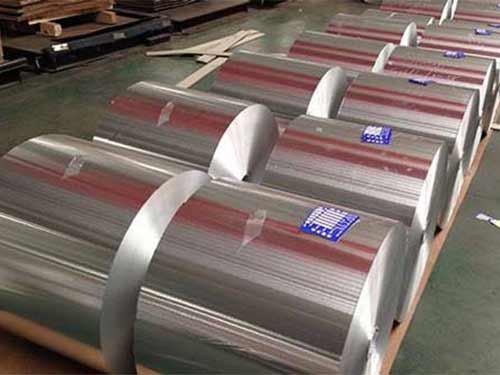
| Width | 200–1000 mm (customized to blister machine) |
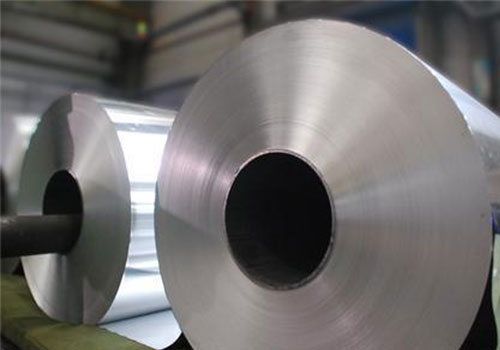
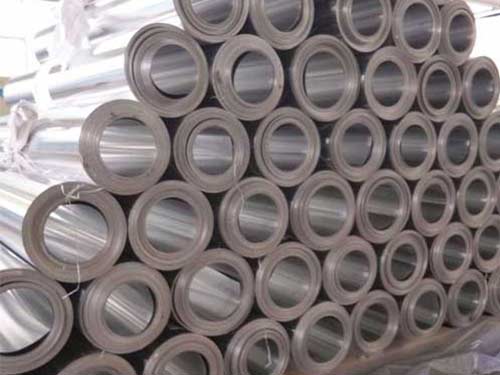
| Roll ID / OD | ID 76 or 152 mm; OD typically up to 800–1000 mm |
| Surface treatment | Chemically treated / primer coated |
| Sealing side | Heat‑seal lacquer (PVC/PVdC/PP compatible) |
| Ink compatibility | Solvent‑based & UV inks for high line speeds |
| Gloss | Matte/bright side customizable |
4.2 Functional Targets
- Sealing Temperature Window: ~180–230 °C (depends on lacquer & dwell)
- Sealing Pressure: 2–6 bar (machine and structure dependent)
- Line Speed Capability: 200–600 blisters/min (commercial highs >800/min on optimized systems)
These parameters are tuned as a system: core foil, lacquer type, and OTC formulation sensitivity determine the optimal range.
5. Implementation Standards, Regulations & Quality Benchmarks
Blister foils for OTCs must satisfy a converging set of international standards and pharma regulations.
5.1 Standards and Guidelines
Pharmacopoeial Requirements
- USP chapters (e.g., <661>, <381>, region‑specific) and related guides on container‑closure
- EP (European Pharmacopoeia) related chapters for containers and blisters
- Many producers align with cGMP for packaging components.
Quality Management
- ISO 9001 – Quality management system
- ISO 15378 – Primary packaging materials for medicinal products (GMP inline)
- ISO 14001 (frequent in large plants, environmental focus)
Food Contact / Safety Compatibility
- FDA regulations (e.g., 21 CFR citations for coatings and adhesive systems)
- EU Regulation (EC) No. 1935/2004 and specific national food contact standards
Performance Tests & Criteria
- Seal integrity: dye ingress, vacuum leak tests
- Burst and peel/push‑through tests
- WVTR/OTR measurement for defined humidity and temperature
- Pinhole count: controlled during manufacture (see more below).
6. Barrier Performance & Pinhole Control: Unique Engineering Focus
From a barrier engineering perspective, the difference between a commodity aluminum foil and pharma‑grade blister lidding lies in:
- Extremely tight pinhole density limitations
- Validated, reproducible WVTR & OTR when paired with PVC/PVdC
- Stable behavior under thermal cycles and handling
6.1 Pinhole Criteria
Pinhole specifications commonly fall in:
- ≤ 1 pinhole/m² for 20–25 µm thickness (or extremely tight per manufacturer’s own QA scheme).
- Pinhole diameters > 25–30 µm are often subject to near‑zero tolerance.
These pinhole controls directly correlate to oxygen and moisture ingress, particularly critical for hygroscopic OTC tablets (e.g., common analgesics, vitamins).
6.2 Barrier Synergy (PVC/PVdC + Al Foil)
You can view the finished blister cell as having two principal barrier faces:
- Aluminum Lidding: Nearly total barrier to moisture, oxygen, light – degradation only via pinholes and edge seals.
- PVC/PVdC Side: Tunable moisture barrier plus formable structure.
Together, they produce a quasi‑hermetic micro‑environment for each tablet, made robust by:
- Edge seal integrity
- Dimensional stability
- Mechanical resilience in distribution chain (vibration, stacking, shipment, climate jeeps, etc.)
7. Chemical & Physical Properties of Pharmaceutical Lidding Foil
Representative data for AA 8011 O lidding foil (typical type; exact values may vary by supplier).
7.1 Typical Alloy Composition (AA 8011)
| Element | Typical % (approximate range) |
|---|---|
| Aluminum (Al) | Balance (≈ 97.5–99.0%) |
| Iron (Fe) | 0.60–1.00 |
| Silicon (Si) | 0.50–0.90 |
| Copper (Cu) | ≤ 0.10 |
| Manganese (Mn) | ≤ 0.20 |
| Magnesium (Mg) | ≤ 0.10 |
| Zinc (Zn) | ≤ 0.10 |
| Titanium (Ti) | ≤ 0.08 |
| Other (each) | ≤ 0.05 |
| Other (total) | ≤ 0.15 |
7.2 Physical & Mechanical Properties (Foil in O Temper, 25 µm, indicative)
| Property | Typical Value / Range |
|---|---|
| Density | ~2.70 g/cm³ |
| Tensile strength (L/T direction) | 60–120 MPa |
| Elongation at break | ≥ 2–10% (gauge dependent) |
| Yield strength | 20–40 MPa |
| Surface wettability (after treatment) | Dyne level ≥ 38–40 dyn/cm |
| Melting point (Al) | ~660 °C |
| Thermal conductivity | ~235 W/m·K |
| Coefficient of thermal expansion | ~23 x 10⁻⁶ /K |
| WVTR through metal itself | ~0 (practically impermeable) |
| OTR through metal itself | ~0 (practically impermeable) |
7.3 Coating / Sealant Chemistry (High‑Level)
Heat‑seal lacquer (typical chemistry options):
- Modified polyester or acrylic resins
- PVC‑compatible adhesives
- Solvent: organic carriers (e.g. ethyl acetate, ethanol), fully evaporated during curing
Functional requirements:
- No leachable components beyond regulatory thresholds
- Non‑reactive to API and excipients at defined storage conditions
- Stable color, adhesion and seal strength during product shelf life
Tamper proofing in blister lidding is less about being unopenable and more about being impossible to open invisibly.
How the design enforces this:
Monolithic Cavity
- Each tablet sits fully enclosed by rigidly sealed PVC cavity and metal sheet lidding.
- Any attempt to remove or add tablets in place is visually obvious (distorted foil, punctures).
Controlled Rupture Pattern
- The intrinsic ductility of AA 8011 O allows shaping but locally fractures easily under point pressure.
- The rupture generates an integrated “burst pattern”: once broken, the foil cannot be mechanically restored to appear unopened.
Graphic Layout
- Printed guide lines and text make micro‑tears and poke‑through more visible against the background.
- Barcodes, 2D codes and serial data in regulated environments tie each pack to a specific production batch.
Blister packs therefore offer a natural passive tamper‑resistance: low concealability for tampering at individual doses.
9. OTC‑Focused Applications: Where Blister Foil Excels
9.1 Common OTC Categories
- Analgesics & Antipyretics (paracetamol, ibuprofen etc.)
- Antihistamines (allergy tablets)
- Antacids and Gastrointestinal Medicines
- Cold & Flu Combination Tablets
- Vitamins, Minerals, Dietary Supplements
- Smoking cessation or niche OTC therapies (depending on region)
For these, blister foils must:
- Support mass production at very high speeds
- Carry high‑visibility brand printing
- Deliver sufficient barrier for 2–3 yrs shelf‑life, globally distributed
9.2 Why Aluminum/PVC Systems Dominate OTC Space
- Cost‑effective balance of barrier vs price
- Reliably machinable on legacy PVC‑based blister lines already installed worldwide
- Straightforward printing & graphics with high cosmetic standards
- Powerful tamper evidence with simple push‑through opening
Individual pouch or bottle systems often cannot match the unit dose control and visual tamper indication of a foil‑sealed tablet pit.
10. Design & Customization: Tailoring Blister Foil Packs for OTC Brands
For a manufacturer or brand developing a custom OTC blister pack, you typically refine:
Base Web Configuration
- Mono PVC versus PVC/PVdC or higher barrier to match:
- Moisture sensitivity of the product
- Geographic climate (tropical vs. temperate zones)
- Target shelf‑life and logistics paths
- Mono PVC versus PVC/PVdC or higher barrier to match:
Foil Thickness and Alloy
- 25 µm 8011 O is a widely used standard.
- For extreme mechanical robustness (e.g., travel blister cards), you may request thicker foil or modified laminates.
Heat‑Seal Coating
- Chosen for:
- Specific forming film material: PVC / PVdC / PP / PET‑based multilayers
- Required sealing window, controlled push‑through force, avoidance of delamination
- Chosen for:
Visual and Security Add‑Ons
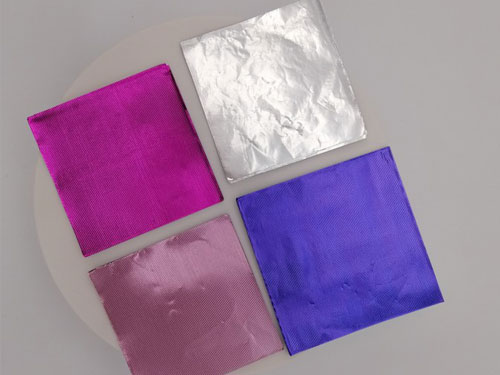
- Holographic hot stamping, micro‑text, security pigments to limit counterfeiting
- QR codes and unique IDs for traceability
Sustainability Adaptations
- Optimization of foil thickness and ink/coating packages
- Exploration of PVC‑free base webs (e.g., PP/PET) that can still mate with aluminum lidding
A “custom” blister foil pack is therefore a custom engineering mix of alloy, thickness, organic coatings, print system and base web; all tuned to the drug, market, branding and process capabilities.