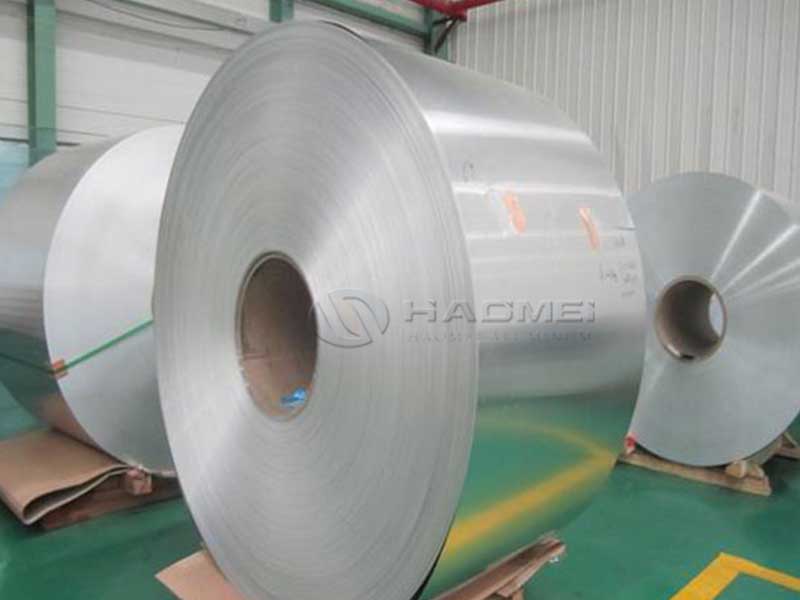
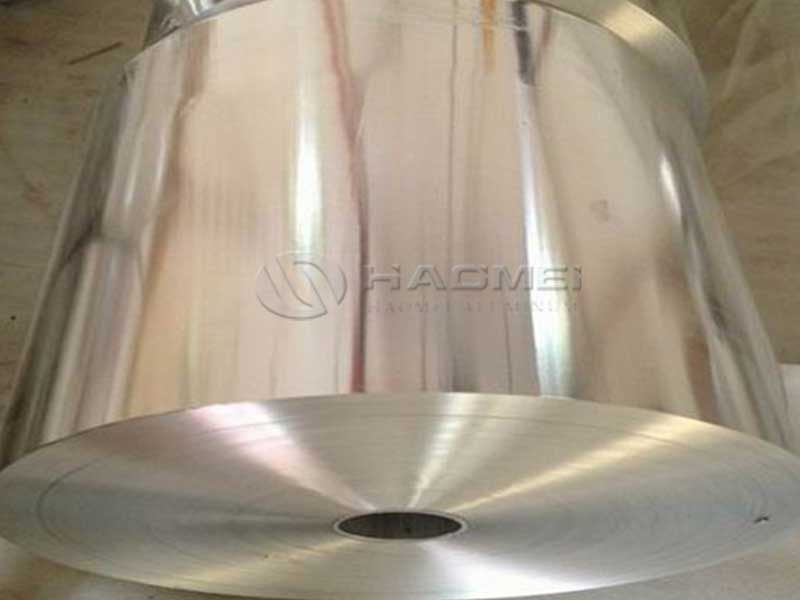
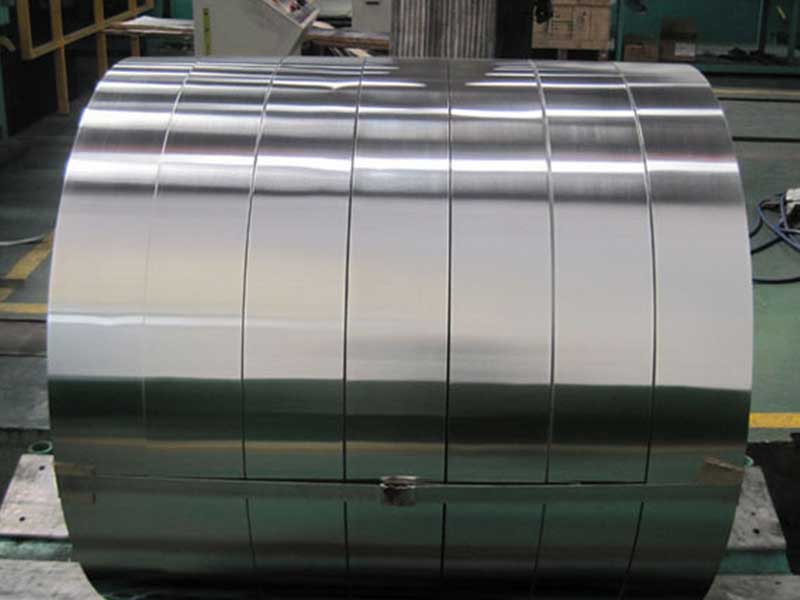
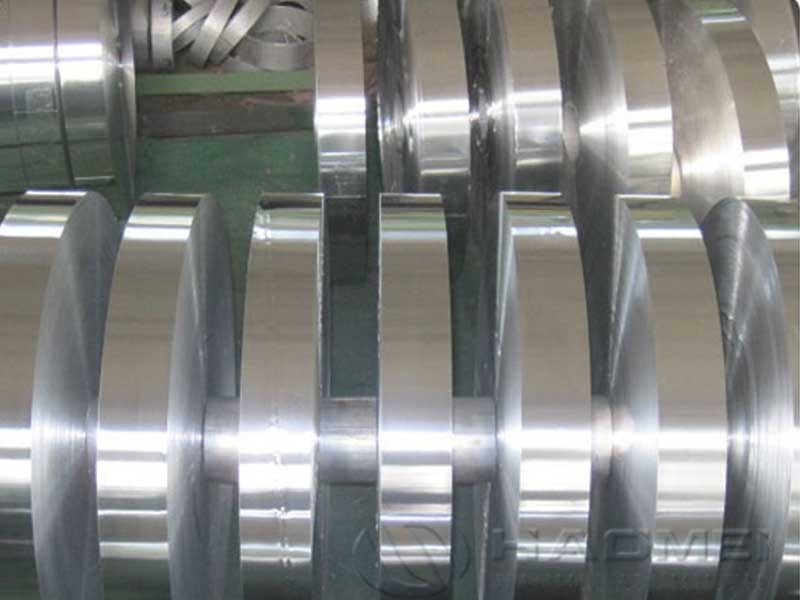
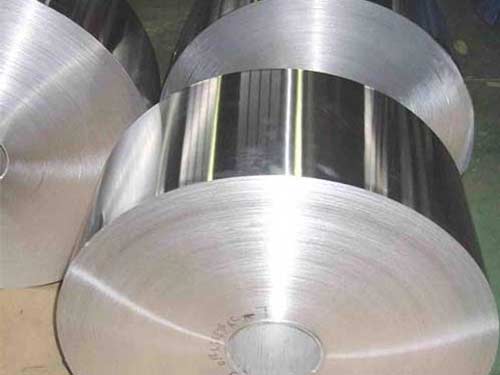
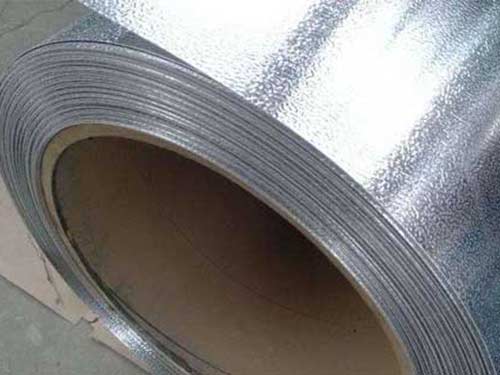
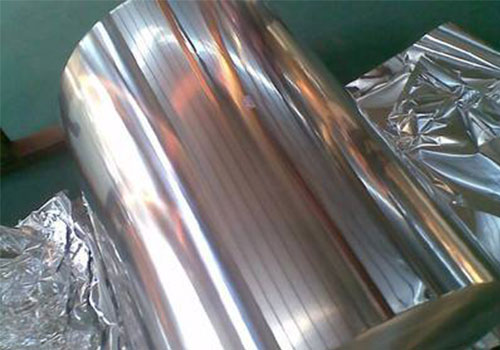
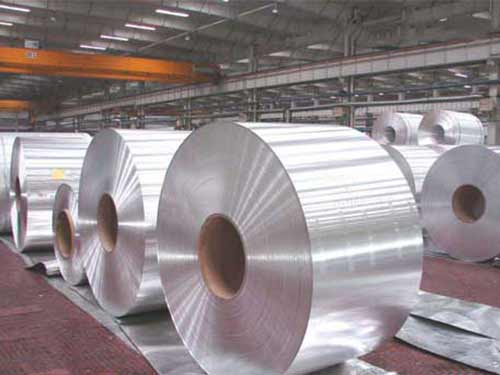
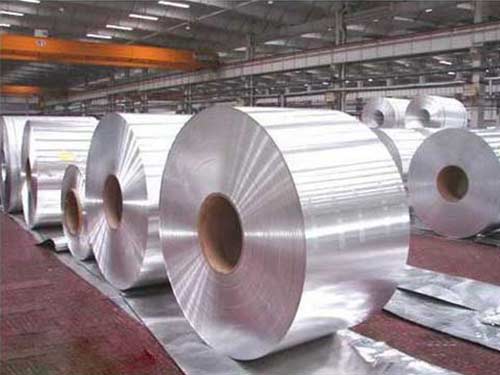
Custom sealed aluminum foil is an engineered lidding material specifically designed for pharmaceutical blister packaging. It provides reliable barrier performance, seal integrity, and compatibility with diverse dosage forms (tablets, capsules, lozenges, etc.) while complying with stringent regulatory requirements.
Custom sealed aluminum foil for blister packaging typically consists of:
- Core material: High-purity aluminum foil (e.g., AA8011, AA8021, AA8079)
- Thickness range: Generally 18–30 µm for lidding foil
- Surface treatments:
- One side: Print/primer or lacquer coating (e.g., protective, printable lacquer)
- Other side: Heat seal lacquer compatible with PVC, PVDC, PP, PET, etc.
The role of this material is to:
- Protect pharmaceutical products from moisture, oxygen, light, and contamination
- Ensure safe, tamper-evident access by patients and medical staff
- Maintain mechanical stability for high-speed blister pack forming and sealing lines
2. Features and Advantages
2.1 Barrier Performance
| Performance Aspect | Description | Typical Role in Pharma Packaging |
|---|
| Moisture Barrier | Near-zero water vapor transmission through foil | Protects hygroscopic tablets / capsules |
| Oxygen Barrier | Excellent O₂ barrier at intact foil state | Preserves APIs prone to oxidation |
| Light Barrier | Complete protection from UV/visible light | Prevents photodegradation of light‑sensitive APIs |
| Aroma / Gas Barrier | Blocks odor, gas exchange | Maintains product stability & sensory neutrality |
2.2 Sealing & Processability
| Feature | Benefit in Production |
|---|
| Tailored heat seal lacquer | Strong, consistent bond to PVC/PVDC/PP/PET blister substrates |
| Controlled seal initiation temp | Compatibility with various forming films & sealing equipment |
| Uniform thickness & strength | Stable performance on high‑speed blister lines (300–800 blisters/min) |
| Good formability (no cracks) | Resists cracking during pack handling and transport |
2.3 Safety & Compliance
| Aspect | Typical Requirements |
|---|
| Regulatory compliance | EU, FDA requirements for food-contact / pharma-contact grades |
| Low migration | Verified via migration & extractables testing |
| Non-toxic coatings | BPA-free options; pharma-compliant resins and adhesives |
| Printability for UDI/traceability | Supports lot no., expiry, GTIN, barcode, 2D code, etc. |
2.4 Customization Options
| Parameter | Customizable Range / Options |
|---|
| Alloy & temper | AA8011 / AA8021 / AA8079, H18 / H16 |
| Thickness | 18–30 µm standard; other on request |
| Width & coil OD | According to customer blister-line specs |
| Heat seal lacquer | PVC, PVDC, Aclar, PP, PET-specific; peelable or non-peelable |
| Surface finish | Printed (1–4 colors), clear lacquered, or plain |
| Special properties | Child-resistant, easy-peel, high-strength, ultra-high barrier |
3. Typical Chemical Composition of Base Alloy
Common alloys for blister lidding foils are 8011, 8021, and 8079 due to their good formability, strength, and corrosion resistance.
3.1 Example: AA8011 (Typical Composition Range, wt.%)
| Element | Min (%) | Max (%) | Typical Function |
|---|
| Al | Balance | Balance | Base metal, high purity ensures stability & cleanliness |
| Si | 0.40 | 0.80 | Improves strength, formability |
| Fe | 0.60 | 1.00 | Enhances strength, improves pinhole resistance |
| Cu | – | 0.10 | Limited to avoid corrosion |
| Mn | – | 0.20 | Grain refining, slight strength |
| Mg | – | 0.05 | Strengthening, kept low for corrosion resistance |
| Zn | – | 0.10 | Limited to maintain stability |
| Ti | – | 0.08 | Grain refinement, improved processability |
| Others | – | 0.15 | Sum of all other elements |
3.2 Example: AA8021 (Typical Composition Range, wt.%)
| Element | Typical Range (%) | Remarks |
|---|
| Al | Balance | High purity, high barrier performance |
| Fe | 1.0–1.7 | Increases strength, resistance to pinholing |
| Si | ≤0.20 | Controlled to maintain ductility |
| Cu | ≤0.05 | Limited for corrosion resistance |
| Mn | ≤0.10 | |
| Zn | ≤0.10 | |
| Others | ≤0.15 (each ≤0.05) | Trace elements, controlled for consistency |
3.3 Example: AA8079 (Typical Composition Range, wt.%)
| Element | Typical (%) | Remarks |
|---|
| Al | Balance | Soft, highly workable foil alloy |
| Fe | 0.5–1.3 | Improves mechanical strength and pinhole resistance |
| Si | 0.3–0.7 | Enhances formability |
| Cu | ≤0.05 | Low for high corrosion resistance |
| Mg | ≤0.05 | Limited to prevent over-hardening |
| Mn | ≤0.10 | Grain control |
| Others | ≤0.15 total | Strict limits ensure uniform performance |
Note: Exact composition is adjusted within standards (e.g., GB/T, EN, ASTM) based on customer requirements and regional norms.
4. Technical Specifications
4.1 Dimensional Parameters
| Parameter | Typical Value / Range | Notes |
|---|
| Alloy | 8011 / 8021 / 8079 | Selected according to barrier & forming needs |
| Temper | H18 (hard) / H16 | Hard temper for blister lidding |
| Thickness | 18–30 µm | Common: 20 µm, 25 µm |
| Thickness tolerance | ±5–8% | Per internal or international standard |
| Width | 200–1,200 mm | Tailored to line specs |
| Coil inner diameter (ID) | 76 mm, 152 mm | Compatible with most blister machines |
| Coil outer diameter (OD) | Up to 600 mm | Or as per customer request |
4.2 Mechanical Properties (Typical, for 8011-H18)
| Property | Typical Value | Test Method / Notes |
|---|
| Tensile strength (Rm) | 80–120 MPa | EN/ASTM foil tensile test |
| 0.2% Yield strength (Rp0.2) | 70–110 MPa | |
| Elongation at break (A50) | ≥1–3 % | Depends on thickness |
| Pinhole count (≥0.5 mm) | ≤ 1 pinhole/m² | High barrier grade |
| Pinhole count (≥0.3 mm) | ≤ 4 pinholes/m² | |
| Surface oil residue | ≤ 0.5 mg/m² | Suitable for coating & sealing |
Values vary slightly by alloy, thickness, and customer specification.
4.3 Coating & Heat Seal Lacquer Parameters
| Parameter | Typical Specification | Notes |
|---|
| Printing / primer side coating wt. | 1.5–3.5 g/m² (dry) | For printability & corrosion protection |
| Heat seal lacquer coating wt. | 3.0–6.0 g/m² (dry) | Adjusted by sealing substrate type |
| Sealing substrate compatibility | PVC, PVDC, PP, PET, Aclar (PCTFE), etc. | Different lacquer recipes available |
| Seal initiation temperature | 140–190 °C (system dependent) | Optimized for blister sealing lines |
| Typical sealing temperature | 180–230 °C (jaw interface) | Depends on time & pressure |
| Sealing pressure | 0.3–0.6 MPa | For flat platen or rotary sealers |
| Sealing time | 0.5–1.0 s | Balancing line speed vs. seal strength |
4.4 Heat Seal Strength (Representative Values)
| Substrate Type | Seal Strength (N/15 mm) | Test Conditions |
|---|
| PVC 250 µm | ≥ 6–8 N/15 mm | 200 °C, 0.5 s, 0.5 MPa (example) |
| PVC/PVDC 250/90 g | ≥ 7–9 N/15 mm | Carrier-specific adjustment |
| PET 12 µm | ≥ 5–7 N/15 mm | For lidding onto PET base |
| PP 25–30 µm | ≥ 5–7 N/15 mm | Requires PP-compatible lacquer |
5. Barrier Properties (System-Level)
Aluminum foil provides a near-perfect barrier itself. In actual blister packaging, system barrier is determined by the combination of forming film, lidding foil, and sealing quality.
5.1 Typical System WVTR & OTR (Examples)
Representative values for reference; actual performance should be validated for each structure.
| Blister Structure | WVTR (g/m²·day, 38 °C / 90% RH) | OTR (cc/m²·day, 23 °C / 0% RH) | Typical Use Case |
|---|
| PVC 250 µm + Al 25 µm | 2.0–3.0 | ~0 (through foil) | Standard oral solids, not highly moisture-sensitive |
| PVC/PVDC 250/90 g + Al 25 µm | 0.2–0.5 | ~0 | Moisture-sensitive drugs |
| Aclar/PVC + Al 25 µm | 0.1–0.3 | ~0 | Highly moisture-sensitive, high-value APIs |
| Cold-form Alu/Alu blister | ≤0.05 | ~0 | Extremely moisture & oxygen-sensitive APIs |
6. Surface Quality & Appearance
6.1 Surface Requirements
| Aspect | Specification |
|---|
| Cleanliness | Free from oil patches, corrosion spots, oxidation |
| Visual defects | No bubbles, creases, scratches affecting functionality |
| Color / printing | Uniform color; precise registration for branding and text |
| Pinholes | Controlled per mechanical specs (see section 4.2) |
6.2 Printing Capabilities
| Printing Feature | Description / Capability |
|---|
| Print method | Gravure or flexographic printing |
| Colors | 1–4 colors (more on request) |
| Inks | Low-odor, low-migration pharma-approved inks |
| Graphics | Brand logos, safety texts, dosage info, etc. |
| Variable data | Lot number, expiry date, 2D code, UDI, etc. |
7. Packaging Forms & Logistics
7.1 Supply Form
| Parameter | Typical Supply Standard |
|---|
| Form | Jumbo coils, slit coils |
| Core material | Paper / aluminum / plastic cores |
| Core ID | 76 mm or 152 mm |
| Outer wrapping | Moisture‑proof film, desiccant if required |
| Protection | Edge protectors, palletized packing |
7.2 Storage Conditions
| Condition | Recommendation |
|---|
| Storage temp. | 5–35 °C |
| Relative humidity | ≤65% RH |
| Environment | Clean, dry, non-corrosive atmosphere |
| Shelf life | Typically 1–2 years (if stored as specified) |
8. Custom Design Options
8.1 Structural Customization
| Item | Custom Option |
|---|
| Alloy / temper selection | For balance of tensile strength vs. formability |
| Thickness | For target barrier, cost, and mechanical behavior |
| Lacquer type | PVC, PVDC, PET, PP, Aclar, or multi-substrate grades |
| Peelability | Easy-peel for hospital / elderly use, or strong seal |
| Child-resistance | Special structures for CR/SF compliance |
| High-temperature stability | For products requiring sterilization (case-by-case) |
8.2 Branding & Safety Features
| Option | Description |
|---|
| Registered printing | Exact alignment with blister cavity layout |
| Security printing | Microtext, latent images, special inks |
| Anti-counterfeiting | Holographic strip, hidden codes, patterning |
| Traceability elements | 2D codes, GTIN, dynamic serial numbers |
9. Typical Pharmaceutical Applications
Custom sealed aluminum foil is widely used for a variety of oral solid dosage and related products.
9.1 Dosage Forms
| Dosage Type | Example Products |
|---|
| Tablets | Analgesics, antipyretics, antibiotics, vitamins, nutraceuticals |
| Capsules | Hard gelatin capsules, softgel capsules (with proper barrier design) |
| Lozenges | Throat lozenges, oral dispersible tablets |
| Orally disintegrating | ODTs requiring moisture protection |
| Chewable products | Chewable multivitamins, digestive tablets |
9.2 Special Application Scenarios
| Scenario | Blister & Foil Requirements |
|---|
| Highly hygroscopic APIs | Use foil with PVC/PVDC or Aclar forming films |
| Light‑sensitive drugs | Fully opaque high‑purity foil, controlled pinhole count |
| Generics & OTC products | Cost-effective 8011/8079 Al + PVC or PVC/PVDC |
| High‑value branded products | High print quality, security features, low-defect surfaces |
| Hospital unit‑dose packs | Easy-peel options, clear legible printing |
| Clinical trial supplies | Small‑batch customized printing & variable data |
10. Quality Control & Testing
10.1 Routine Tests
| Test Item | Objective | Typical Standard / Method |
|---|
| Thickness & weight | Ensure foil and coating uniformity | Micrometer, gravimetric test |
| Tensile & elongation | Confirm mechanical integrity | EN/ASTM tensile test |
| Pinhole count | Ensure barrier reliability | Optical inspection, pinhole tester |
| Coating weight | Verify lacquer application consistency | Solvent extraction / weighing |
| Adhesion test | Check coating adhesion before sealing | Tape test, cross‑cut test |
| Heat seal performance | Assess seal strength & sealing window | Seal strength tester under set conditions |
| WVTR & OTR (system level) | Evaluate barrier of full blister structure | ISO/ASTM gas and vapor permeability |
10.2 Regulatory & Compliance Checks
| Aspect | Content |
|---|
| Food/pharma contact compliance | EU Framework Regulation, FDA guidelines (where applicable) |
| Migration tests | Overall and specific migration to meet pharmacopeial or food packaging limits |
| Heavy metals | Within prescribed limits (e.g., Pb, Cd, Hg, etc.) |
| GMP/GMP-like production | Clean, controlled environment, documented traceability |
11. Selection Guide for Customers
When selecting a custom sealed aluminum foil for pharmaceutical blister packaging, consider:
| Selection Factor | Questions to Ask |
|---|
| Product sensitivity | Moisture? Oxygen? Light? Temperature? |
| Blister base film | PVC, PVC/PVDC, PP, PET, Aclar, Alu/Alu? |
| Required barrier level | Standard, high-barrier, or ultra-high-barrier? |
| Target seal behavior | Easy-peel vs. strong, tamper‑evident seal? |
| Blister line equipment | Sealing temperature range, pressure, dwell time capabilities |
| Regulatory environment | EU, US, other – any additional company or market standards? |
| Branding & security | Level of printing complexity, traceability, anti-counterfeit needs |
Customized design is usually finalized after:
- Exchange of product & blister line details
- Sample trial on actual blister machine
- Stability & compatibility evaluation with real products
Custom sealed aluminum foil for blister packaging of pharmaceuticals provides:
- Outstanding barrier protection against moisture, oxygen, and light
- Reliable seal integrity, tailored to your blister base films and processing conditions
- High safety and compliance, including low migration and regulated formulations
- Broad customization in alloy, thickness, coatings, peelability, print, and security features
- Versatile applications across tablets, capsules, ODTs, and other oral dosage forms
By optimizing the foil structure, coating system, and processing parameters, pharmaceutical manufacturers can significantly extend shelf life, reduce product complaints, enhance brand image, and ensure medication safety from production to patient use.