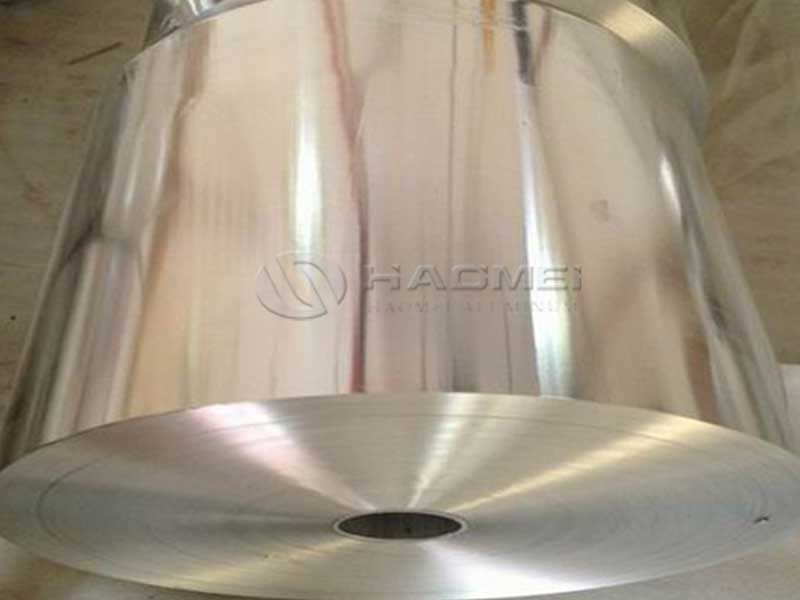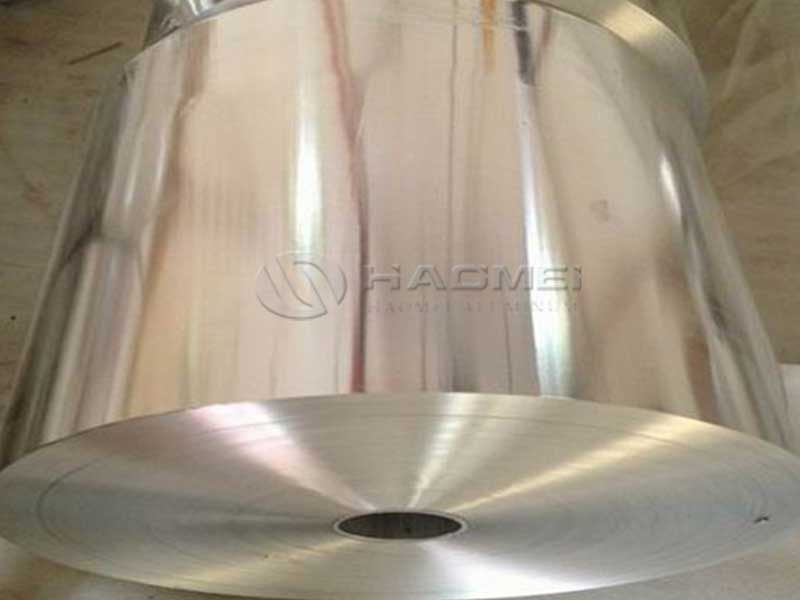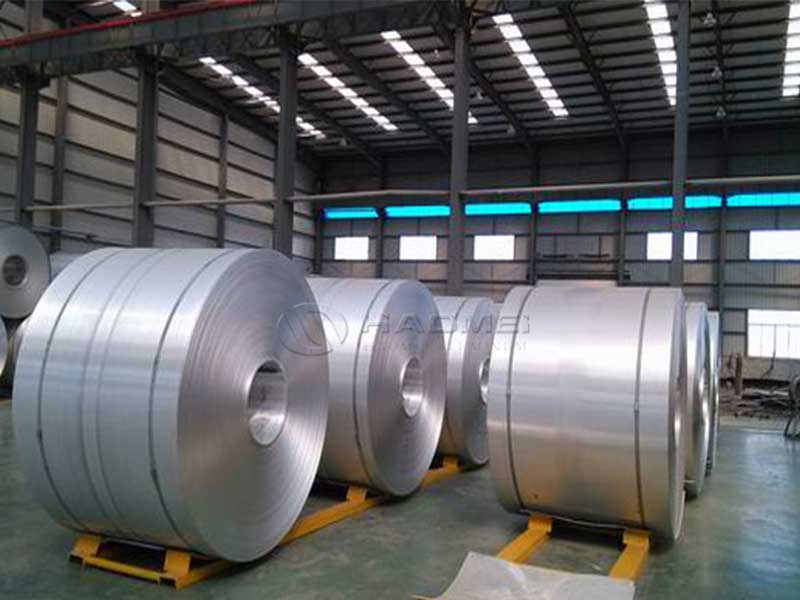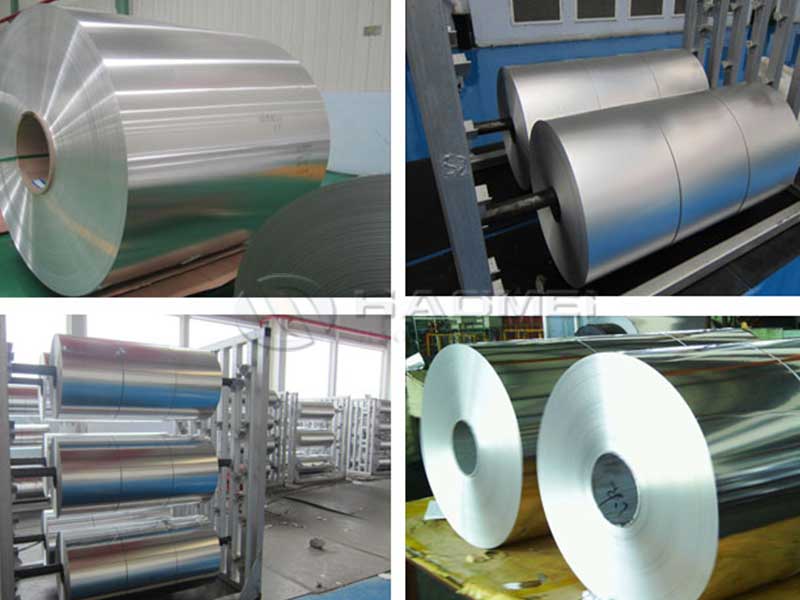
Double Sided Cable Aluminum Foil with PET/PE Lamination for Long Term Protection in Power Cables
Power cables spend their entire working life in environments that don't forgive mistakes: damp ducts, salty coastal air, underground backfill, thermal cycling, vibration, and occasional installation abuse. When people talk about "cable reliability," they often focus on conductor size or insulation class. Yet the quiet hero is frequently the barrier layer that prevents corrosion, blocks moisture migration, and stabilizes the cable's internal environment year after year.
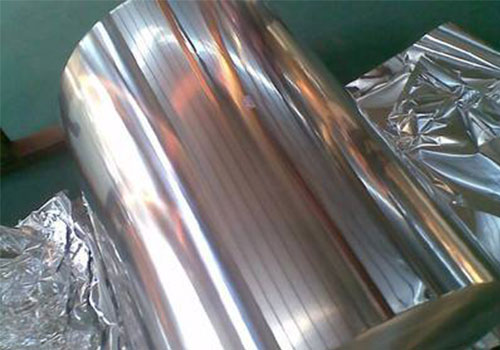
Double sided cable aluminum foil with PET/PE lamination is best understood as a "long-term insurance layer." It isn't just a metallic wrap. It's a deliberately engineered composite that combines aluminum's shielding and barrier performance with polymer layers that add mechanical stability, bonding behavior, and process friendliness during cable manufacture.
What this material really does inside a power cable
From a distinctive viewpoint, think of a modern power cable as a small ecosystem. Insulation, semiconductive screens, fillers, and armor all coexist, but they "age" differently under heat and moisture. Aluminum foil laminated with PET/PE is used as a protective shield and moisture barrier that helps keep that ecosystem stable.
Its contribution typically includes:
- A moisture and vapor barrier that reduces longitudinal and radial moisture ingress, supporting long service life in wet installations
- Electromagnetic shielding continuity where metallic screening is required, improving signal integrity and reducing interference in certain designs
- A corrosion-resistant interface when correctly paired with jacketing compounds and adhesives
- Better mechanical handling during taping, wrapping, or longitudinal forming thanks to PET reinforcement and PE heat-seal/bonding options
"Double sided" commonly indicates PET/PE lamination designed for stable bonding and protection on both surfaces, improving durability during high-speed application and reducing the risk of foil pinholes, cracking, or delamination.
Structure and common configurations
The typical structure used in cable applications is based on an aluminum foil core with polymer films laminated on one or both sides. PET contributes tensile strength and dimensional stability, while PE contributes sealing, compatibility with many cable compounds, and moisture resistance.
Common constructions include:
- PET/Al/PE
- PET/Al/PET with PE or adhesive tie-layers depending on the cable design
- Al foil with PE on both sides for specific sealing or compatibility needs
Cable manufacturers select the lamination based on whether the foil is used as a longitudinal shield, wrapped tape, or part of a bonded sheath system. The goal is consistent overlap, stable adhesion, and reliable barrier performance over thermal cycling.
parameters customers care about
For fast selection, these are the parameters most often specified on purchase orders. Actual ranges vary by cable design, but the following are typical targets:
- Aluminum foil thickness: 0.015–0.050 mm
- PET film thickness (each side if used): 0.012–0.025 mm
- PE layer thickness: 0.015–0.060 mm
- Total laminate thickness: commonly 0.04–0.15 mm
- Tensile strength (laminate): commonly ≥ 60–120 MPa depending on structure
- Elongation: tailored for wrapping/forming without tearing
- Peel strength (lamination adhesion): specified to avoid delamination in processing and aging
- Electrical resistivity of aluminum layer: consistent with alloy choice and temper
- Pinholes: controlled to very low counts, as pinholes translate into moisture paths
- Surface condition: clean, uniform, oil-controlled for stable bonding and low defect rates
A practical way to evaluate "long-term protection" is to look beyond initial tensile values and focus on adhesion stability after heat aging, resistance to cracking after bending, and barrier integrity after installation-like handling.
Alloy selection and tempering: why "soft" often wins
For cable foil, the aluminum alloy is commonly from the 1xxx series because high-purity aluminum provides excellent ductility, corrosion resistance, and stable conductivity. Widely used choices include 1050, 1060, and 1070, with purity influencing conductivity and forming behavior.
Typical temper recommendations:
- O temper (fully annealed): preferred when the foil must conform tightly around the cable core or survive repeated bending without cracking
- H18 or other hard tempers: sometimes used where stiffness and shape retention are needed, but they increase cracking risk during tight forming and can be less forgiving in installation
For most power cable shielding or moisture barrier applications, O temper aluminum foil laminated with PET/PE is a reliable, process-friendly standard because it balances formability with barrier integrity.
Implementation standards and application notes
Cable designs and compliance requirements differ by region and voltage class, so the laminate is generally supplied to meet the cable manufacturer's internal specifications while referencing common cable and material standards.
Relevant standards frequently referenced in projects include:
- IEC 60228 for conductor requirements, which indirectly influences cable construction constraints
- IEC 60502 series for power cables (construction and performance expectations)
- IEC 60811 for insulating and sheathing material test methods, often used for aging and mechanical test protocols around cable components
- ASTM B479 for aluminum foil and similar aluminum product specifications, often used as a baseline for foil quality expectations
- RoHS and REACH compliance expectations for restricted substances and chemical safety in many markets
In manufacturing, the laminate is applied by helical wrapping or longitudinal forming. The PE layer may be designed to heat-seal or bond under controlled temperature and pressure. PET improves runnability at speed by increasing tear resistance and reducing stretch variability.
Why PET/PE lamination matters for long-term stability
Aluminum by itself is an excellent barrier, but thin foil can be vulnerable to mechanical damage and pinholing. PET is the "skeleton" that helps the foil survive tension changes, edge stress, and handling. PE is the "weathercoat" that supports moisture resistance and bonding behavior.
This composite approach offers a more dependable real-world barrier than foil alone, especially across long cable lengths where a small defect can become a pathway for moisture migration.
Chemical composition table for typical cable-grade aluminum foil alloys
Below is a reference table for common 1xxx aluminum alloys used in cable foil. Exact limits can vary by standard and supplier practice; confirm with mill certificates for your order.
| Alloy | Al (min) | Si (max) | Fe (max) | Cu (max) | Mn (max) | Mg (max) | Zn (max) | Ti (max) | Others (each/total) |
|---|---|---|---|---|---|---|---|---|---|
| 1050 | 99.50% | 0.25% | 0.40% | 0.05% | 0.05% | 0.05% | 0.05% | 0.03% | 0.03% / 0.10% |
| 1060 | 99.60% | 0.25% | 0.35% | 0.05% | 0.03% | 0.03% | 0.05% | 0.03% | 0.03% / 0.10% |
| 1070 | 99.70% | 0.20% | 0.25% | 0.04% | 0.03% | 0.03% | 0.04% | 0.03% | 0.03% / 0.10% |
What to specify when ordering
Buyers get the best consistency when they specify performance in manufacturing terms, not only thickness. A strong purchase specification usually includes:
- Laminate structure (example: PET/Al/PE; PET thickness, Al thickness, PE thickness)
- Aluminum alloy and temper (example: 1060-O)
- Lamination method and adhesive system requirements if applicable
- Peel strength target and heat-aging retention expectation
- Maximum pinhole allowance and inspection method
- Surface cleanliness, corona treatment requirements (if bonding critical), and winding direction requirements for processing
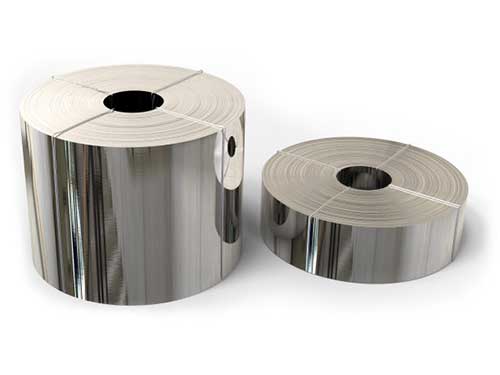
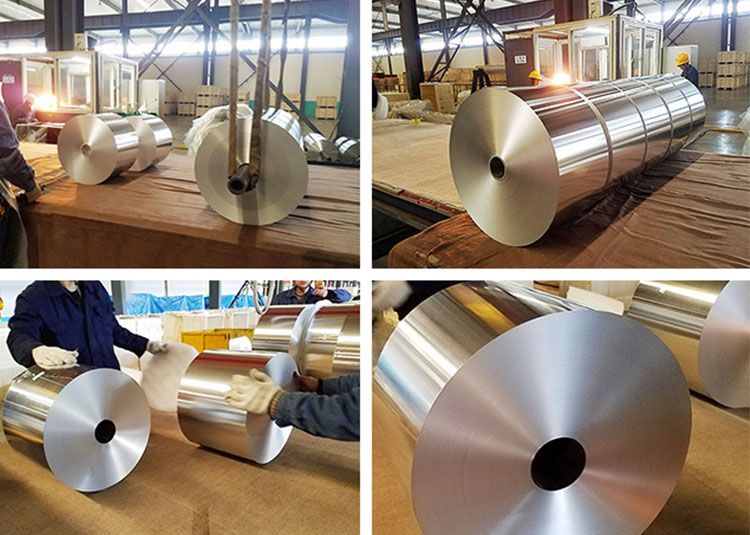
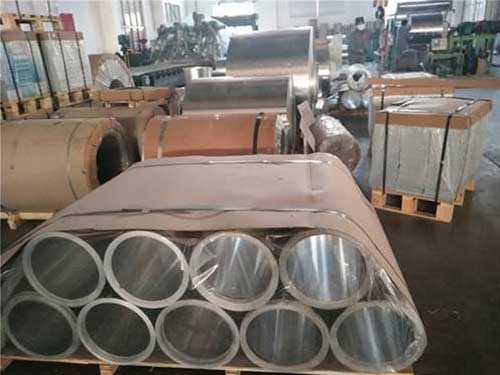
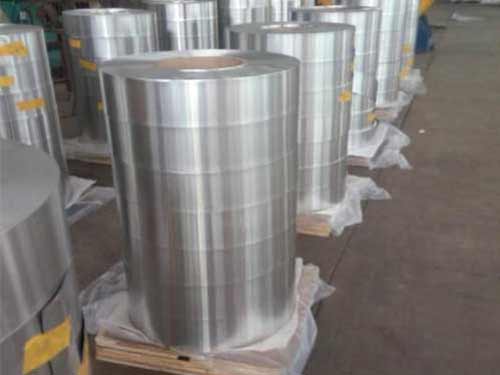
- Roll width, core ID, roll length, splice limits, and packaging requirements to prevent edge damage
The takeaway: protection designed for real cable life
Double sided cable aluminum foil with PET/PE lamination is less about "adding a layer" and more about controlling what happens over decades: moisture pathways, corrosion triggers, and mechanical fatigue. By pairing a ductile, high-purity aluminum foil in an appropriate temper with PET's reinforcement and PE's sealing behavior, cable makers get a protective component that performs reliably from factory line speed to long-term field exposure.