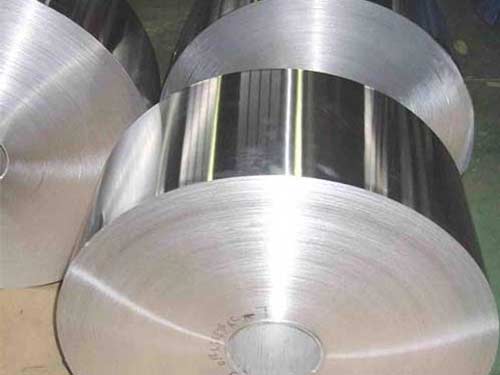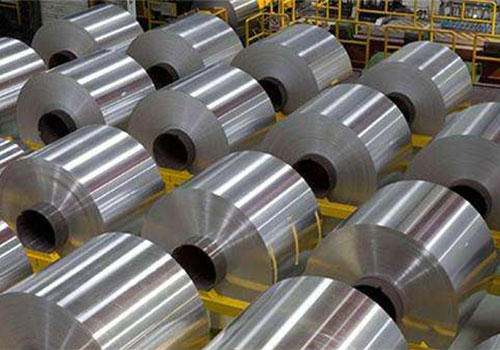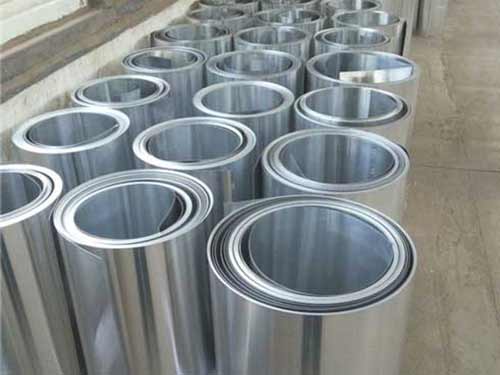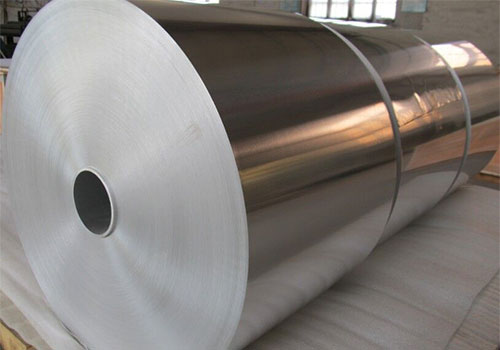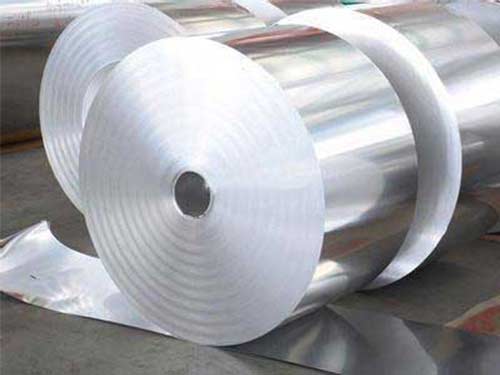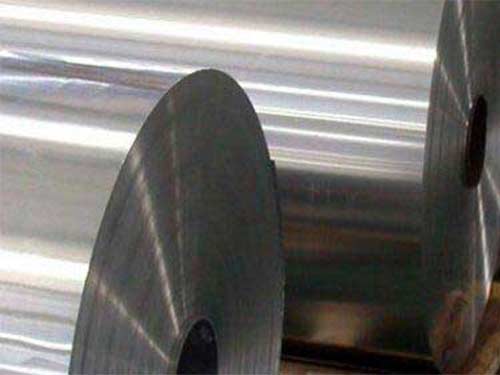

Electronic Aluminium Foils: The "Invisible Circuit" That Makes Modern Electronics Possible
Electronic aluminium foil is easy to overlook because it rarely appears in the final product's user interface. Yet it quietly performs some of the most critical jobs in modern electronics: storing energy, shaping electric fields, stabilizing signals, blocking interference, and safely dissipating heat. From capacitors and lithium-ion batteries to EMI shielding and thermal spreaders, this material is less like "packaging foil" and more like a precision-engineered functional layer-an invisible circuit component made from metal.
A useful way to understand electronic aluminium foil is to stop thinking of it as a sheet and start thinking of it as a surface system. In electronics, performance often depends on what happens at interfaces: oxide films, etched microstructures, coatings, and bonding layers. Aluminium is uniquely suited because it naturally forms a stable oxide, conducts electricity and heat efficiently, and can be rolled to extreme thinness with tight tolerances.
What Makes Electronic Aluminium Foil Different?
Electronic aluminium foil is produced under stricter control than general-purpose foil. The differentiators are purity, cleanliness, surface consistency, thickness accuracy, and the ability to be further processed by etching, anodizing, coating, laminating, or slitting at high precision.
Rather than being judged only by thickness and tensile strength, electronic foil is evaluated like a functional substrate. Manufacturers and end users care about pinholes, surface roughness, residual oil, burr quality after slitting, oxide behavior, and how the foil interacts with electrolytes, adhesives, or polymer films during device assembly.
Core Functions in Electronics
Capacitor performance amplifier
Aluminium electrolytic capacitors rely on aluminium foil as both the anode and cathode. The foil is often etched to create a high-surface-area micro-topography, then anodized to form a controlled aluminium oxide dielectric layer. The "magic" is that aluminium oxide is electrically insulating but extremely thin and stable when formed correctly-ideal for compact energy storage.
Current collection and energy routing
In lithium-ion batteries, aluminium foil serves as the cathode current collector. It must be conductive, corrosion-resistant under electrolyte exposure, and mechanically robust during coating, calendaring, and winding. Its surface condition strongly affects adhesion of cathode slurry coatings, which in turn influences internal resistance and cycle life.
EMI shielding and signal integrity
In cables, housings, and electronic modules, aluminium foil blocks electromagnetic interference by reflecting and absorbing high-frequency noise. When laminated with PET or other polymers, it becomes flexible, processable, and durable-especially valuable in consumer electronics, medical devices, and automotive wiring harnesses.
Thermal spreading and heat management
Thin aluminium layers also act as heat spreaders in LED lighting, display assemblies, and power electronics. While copper is more conductive, aluminium foil offers an excellent balance of weight, cost, corrosion resistance, and manufacturability-especially when bonded to insulating layers.
Typical Applications Customers Recognize
Electronic aluminium foils appear in products you touch daily, even if you never see them directly: fast chargers, laptop adapters, LED drivers, EV power modules, smartphone batteries, photovoltaic junction boxes, high-speed data cables, and industrial inverters. In each case, the foil is selected not merely as metal, but as a controlled interface engineered for electrochemical stability, adhesion, and consistent electrical behavior.
Common Parameters Customers Specify
Electronic-grade foil is usually purchased by a practical set of parameters that translate directly into manufacturing yield and device reliability:
- Thickness range commonly used: about 6–200 μm depending on application (battery collectors often 10–20 μm; capacitor foils vary widely based on design)
- Thickness tolerance: tight control is crucial for winding, capacitance consistency, and coating uniformity
- Width and slit edge quality: burr control and edge straightness help prevent internal shorts in wound devices
- Tensile strength and elongation: important for high-speed winding, stamping, and lamination
- Surface cleanliness: low rolling oil residue supports coating adhesion and reduces defect rates
- Pinhole count and surface defects: especially critical for dielectric reliability and high-voltage components
- Surface roughness and wettability: affects slurry coating behavior and bonding strength
Alloy Selection and Tempering: Why "Soft" Can Be Stronger in Practice
In electronics, the best foil is not always the strongest on paper. A softer temper can improve formability, winding stability, and surface processing results. Typical alloys include high-purity aluminium for capacitor foils and battery collectors, as well as selected Al-Mn or Al-Mg alloys when extra strength is needed for handling and dimensional stability.
Common alloy families used include 1xxx series for high conductivity and stable oxide growth, and select 3xxx/8xxx series for specialized mechanical requirements. Temper choices often include O (fully annealed) and H18 (full hard), with intermediate tempers used when balancing strength with processing.
- Capacitor anode/cathode foils often favor high purity and controlled anneal states to support etching and anodizing response.
- Battery cathode collector foil frequently uses high-purity aluminium with a temper optimized for coating lines, minimizing wrinkling and edge cracking.
- EMI shielding foils may prioritize formability and lamination compatibility.
Implementation Standards and Quality Expectations
Electronic aluminium foil is commonly produced under quality systems aligned with ISO 9001 and, for automotive supply chains, IATF 16949 expectations. In practical procurement, buyers often reference test methods and defect limits consistent with ASTM or JIS measurement practices for thickness, mechanical properties, and surface inspection.
Because standards can vary by region and end use, the most effective approach is specifying end-application performance indicators alongside baseline foil metrics, such as coating adhesion targets for cathode foil, or capacitance gain after etching for capacitor foil.
Chemical and Physical Properties: A Quick Reference Table
Below is a practical reference for aluminium foil used in electronic applications. Values vary with alloy and temper; the table reflects typical ranges for electronic-grade aluminium and widely used foil alloys.
| Property / Element | Typical Value / Range | Why It Matters in Electronics |
|---|---|---|
| Aluminium (Al) | Balance | Conductivity, oxide formation, low density |
| Silicon (Si) | ~0.03–0.30% | Affects strength and surface response |
| Copper (Cu) | ~0.01–0.10% | Can influence corrosion and conductivity |
| Manganese (Mn) | 0–1.5% (3xxx alloys higher) | Improves strength, affects formability |
| Magnesium (Mg) | 0–1.0% (selected alloys) | Strengthens alloy, can affect corrosion behavior |
| Zinc (Zn) | typically ≤0.10% | Minor alloying; excessive Zn may affect stability |
| Titanium (Ti) | typically ≤0.05% | Grain refinement; influences uniformity |
| Density | ~2.70 g/cm³ | Lightweight designs, thermal management |
| Electrical conductivity | ~35–38 MS/m for high-purity Al | Current collection, shielding effectiveness |
| Thermal conductivity | ~200–235 W/m·K | Heat spreading in compact devices |
| Melting point | ~660°C | Thermal robustness during processing |
| Oxide dielectric strength | high (application-dependent) | Critical for capacitor dielectric reliability |
A Distinctive View: Foil as a "Manufacturing Language"
Electronic aluminium foil is best understood as a language spoken between materials and processes. Etching "writes" surface area into the foil. Anodizing "prints" dielectric behavior. Coating and lamination "translate" it into flexible circuits, battery electrodes, or shielding tapes. If the foil's thickness, temper, and cleanliness are not consistent, the downstream processes misread the material-showing up as poor adhesion, unstable capacitance, increased ESR, or premature failure.
That is why choosing electronic aluminium foil is less about buying metal and more about selecting a predictable platform for electrochemical and electromagnetic performance. When specified correctly-by alloy, temper, surface condition, and application-driven parameters-electronic aluminium foil becomes one of the most cost-effective ways to make electronics smaller, safer, cooler, and more reliable.