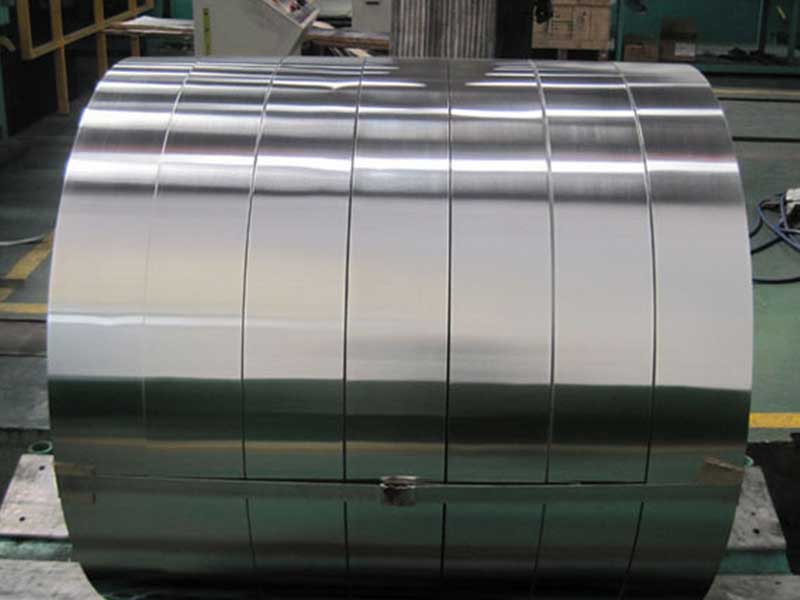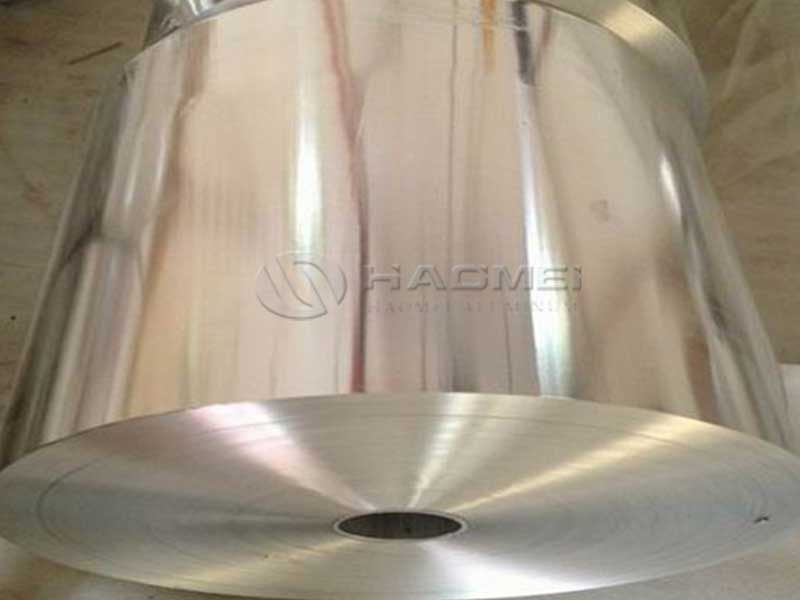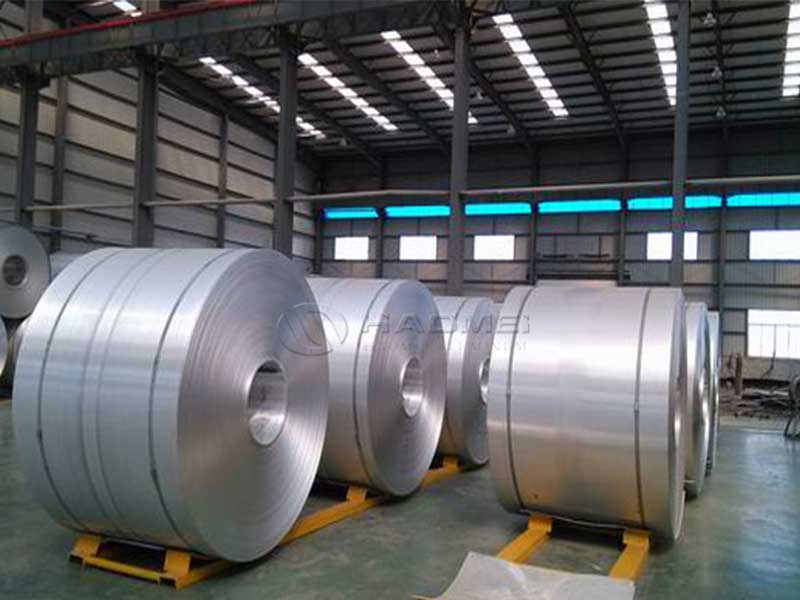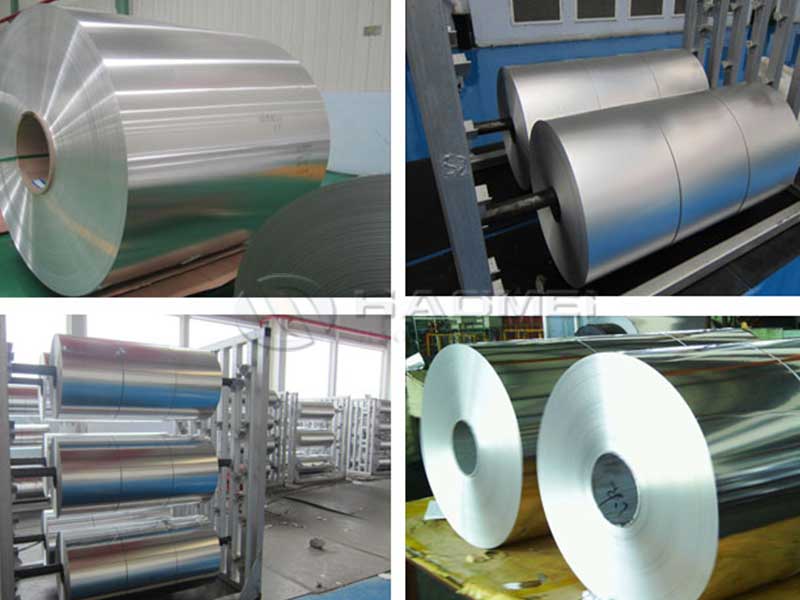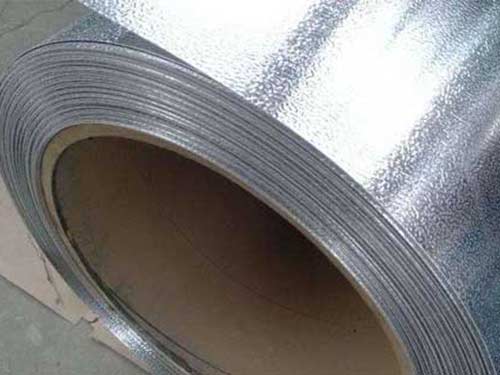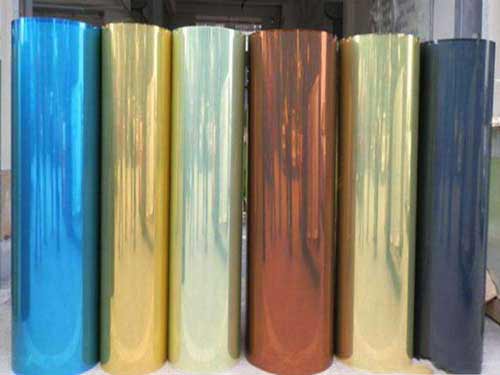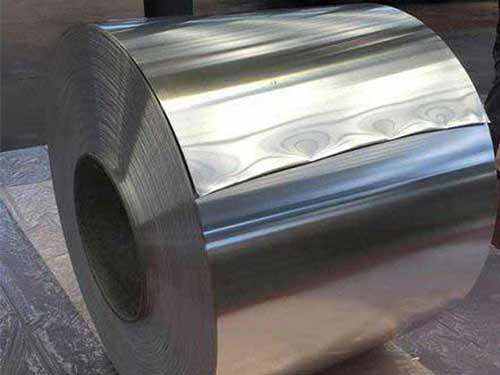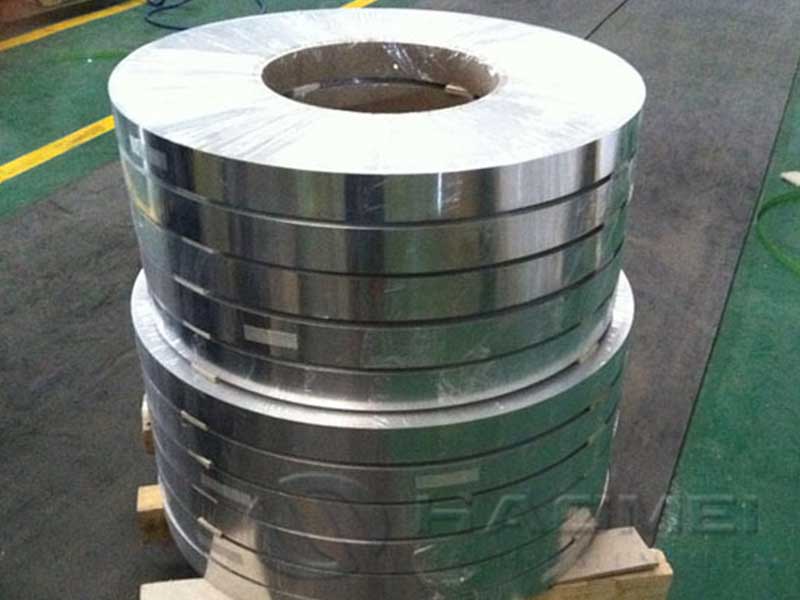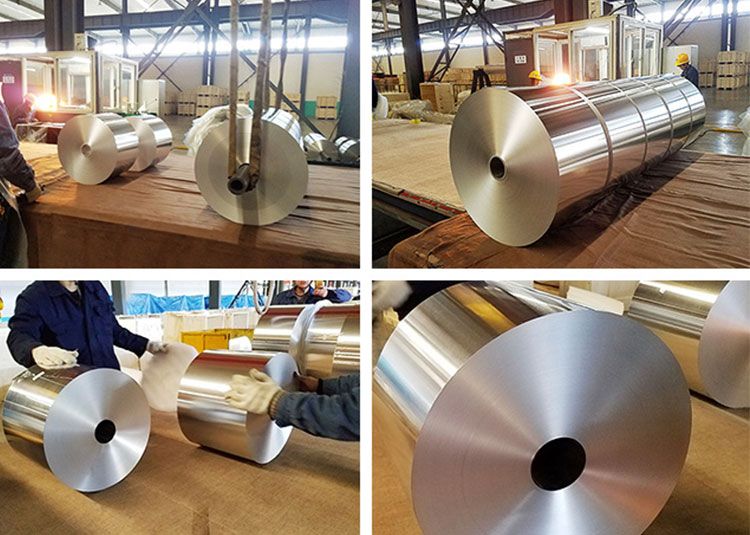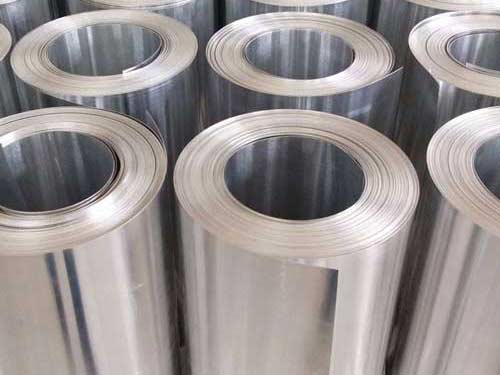

Plain aluminum fin strip in O temper (fully annealed) is a practical, high-throughput material choice for manufacturers of evaporators, condensers, and finned-tube heat exchangers used in commercial refrigeration units. It combines strong thermal conductivity, excellent formability for louvering and fin stamping, and consistent surface quality for stable assembly and heat-transfer performance. For refrigerator display cases, cold rooms, supermarket racks, and beverage coolers, O-temper fin stock offers a dependable balance: it forms easily at high line speeds, seats well on tubes, and supports consistent airflow and cooling efficiency.
Plain Aluminum Fin Strip (O Temper) is a thin-gauge aluminum strip supplied in coil form and engineered for fin-forming equipment. The strip is typically fed into fin presses or fin mills to create flat, wavy, slit, or louvered fins. O temper improves ductility, helping prevent cracking at bends, louvers, collars, and tight radii while maintaining stable coil processing and clean edges.
Features That Matter in Refrigeration
| Feature | What it means for your refrigeration unit | Customer value |
|---|---|---|
| High formability (O temper) | Easier fin stamping, louvering, and collar forming | Fewer press cracks, lower scrap, higher yield |
| Efficient heat transfer | Aluminum's conductivity supports fast thermal response | More stable cabinet temperature, better energy efficiency |
| Consistent thickness & flatness | Predictable fin spacing and airflow channels | Better coil uniformity, repeatable performance |
| Clean surface, controlled oiling | Supports brazing compatibility (where applicable), cleaner assembly | Reduced contamination risk, stable downstream processes |
| Corrosion resistance (typical Al alloys) | Better durability in humid condensate environments | Longer service life, fewer field issues |
Typical Applications
| Application area | Common equipment | Why O-temper fin strip fits |
|---|---|---|
| Supermarket refrigeration | display cases, multi-deck cabinets, remote racks | stable fin forming, reliable airflow paths |
| Cold storage & walk-in systems | evaporator units, air coolers | ductility supports fin geometry without cracking |
| Beverage coolers & vending | compact condenser/evaporator coils | thin gauges form easily for tight coil designs |
| HVAC-style commercial units | condensing units, packaged coolers | consistent coil output and scalable production |
Recommended Alloys and Temper
O temper is widely used with alloys that deliver a strong mix of formability and corrosion resistance. Selection often depends on fin design complexity, thickness, and whether additional surface treatments are planned.
| Item | Common options | Notes for buyers |
|---|---|---|
| Alloy | 1100, 1050, 1060, 1200, 3003 | 1xxx series emphasizes conductivity; 3003 offers stronger mechanical stability with good formability |
| Temper | O (annealed) | Best for deep louvering/collaring and thin gauges |
| Surface | Plain (mill finish) | Can be supplied with controlled oiling for fin presses |
| Coil condition | slit coil / edge-trimmed | tight tolerances help reduce tool wear and improve fin consistency |
Chemical Composition (Typical Reference)
Actual chemistry is per applicable standards and customer agreement. Values below are typical ranges used for refrigeration fin stock procurement.
Alloy 1100 (Typical)
| Element | Content (%) |
|---|---|
| Al | ≥ 99.00 |
| Si + Fe | ≤ 1.00 |
| Cu | 0.05–0.20 |
| Mn | ≤ 0.05 |
| Zn | ≤ 0.10 |
| Others (each) | ≤ 0.05 |
| Others (total) | ≤ 0.15 |
Alloy 3003 (Typical)
| Element | Content (%) |
|---|---|
| Al | Remainder |
| Mn | 1.00–1.50 |
| Cu | 0.05–0.20 |
| Si | ≤ 0.60 |
| Fe | ≤ 0.70 |
| Zn | ≤ 0.10 |
| Others (each) | ≤ 0.05 |
| Others (total) | ≤ 0.15 |
Technical Specifications (Supply Range)
These ranges cover common fin-strip requirements for commercial refrigeration coils. Final targets depend on fin pitch, fin height, press tooling, and coil design.
| Parameter | Typical supply range | Notes |
|---|---|---|
| Thickness | 0.08–0.20 mm | thin gauges reduce air-side resistance; thicker gauges add rigidity |
| Width | 16–450 mm | slit to fin mill requirement |
| Coil ID | 150 / 300 / 400 mm | per decoiler and press compatibility |
| Coil OD | up to ~1200 mm | depends on thickness and shipping limits |
| Temper | O | fully annealed for maximum ductility |
| Edge condition | slit / edge-trimmed | edge-trimmed preferred for high-speed fin presses |
| Surface finish | mill finish, plain | optional light oiling to control galling and dust |
| Packaging | export-worthy, moisture-protected | protects against transport staining and deformation |
Mechanical and Physical Properties (Typical)
Because fin strip is thin and fully annealed, values are typically provided as guidance and verified per standard test methods when requested.
| Property | Typical for O temper fin stock | Why it matters |
|---|---|---|
| Tensile strength | ~60–130 MPa (alloy dependent) | higher strength improves fin rigidity; too high reduces formability |
| Yield strength | ~20–60 MPa (alloy dependent) | influences springback and collar stability |
| Elongation | typically high in O temper | supports louvering and tight-radius bends |
| Density | ~2.70 g/cm³ | lightweight coil and assembly |
| Thermal conductivity | high (alloy dependent) | improved heat exchanger response and efficiency |
Performance in Commercial Refrigeration Coils
Forming reliability on fin presses
O temper reduces cracking risk during operations such as louver punching, ripple forming, and collar drawing around tubes. This is especially beneficial when manufacturers push high strokes per minute and need stable, repeatable fin geometry. Better ductility also supports more aggressive louver patterns that enhance air-side heat transfer.
Heat transfer and airflow consistency
Plain aluminum fin strip supports well-defined fin spacing and uniform airflow channels. In commercial refrigeration, coil performance is often limited by air-side resistance and frosting behavior. Consistent fin geometry helps maintain predictable pressure drop, stable fan loading, and uniform temperature distribution across the coil face.
Corrosion behavior in wet environments
Refrigeration coils frequently experience condensate, cleaning cycles, and humid air. Aluminum's natural oxide layer provides useful baseline corrosion resistance. Alloy selection can further tune performance: 1xxx alloys offer high conductivity, while 3003 can provide additional mechanical robustness for handling and vibration resistance during transport and service.
Quality Control Points Customers Should Request
| QC item | Typical control method | What it prevents |
|---|---|---|
| Thickness tolerance | micrometer / online gauge | uneven fin height and variable airflow |
| Flatness and coil set | flatness inspection, decoiling trial | fin press feeding issues and wrinkles |
| Edge burr | edge inspection | tool wear, tearing, dust generation |
| Surface cleanliness | visual + oil level control | die galling, contamination in assembly |
| Mechanical confirmation (optional) | tensile sampling | unexpected springback or forming cracks |
Ordering Guide (Buyer-Friendly)
| Ordering item | Example input | Notes |
|---|---|---|
| Alloy & temper | 3003-O | specify if high strength or highest conductivity is preferred |
| Thickness × width | 0.12 mm × 120 mm | match fin design and press capability |
| Coil ID / max OD | ID 300 mm, OD ≤ 1100 mm | confirm with your decoiler |
| Edge | edge-trimmed | recommended for high-speed stamping |
| Surface | plain, lightly oiled | oil level tailored to tooling and cleanliness needs |
| Standards | ASTM / EN / JIS (as agreed) | align with your internal QC documentation |
Plain aluminum fin strip in O temper is an ideal fin stock for commercial refrigeration heat exchangers, delivering excellent formability, high thermal conductivity, and stable coil processing for evaporators and condensers. Available in common alloys such as 1100 and 3003, it supports reliable fin stamping and louvering with consistent thickness, clean surface quality, and strong corrosion resistance in humid cooling environments. This material helps manufacturers reduce cracking and scrap, improve coil uniformity, and maintain efficient, dependable cooling performance in supermarket cases, cold rooms, beverage coolers, and other commercial refrigeration units.