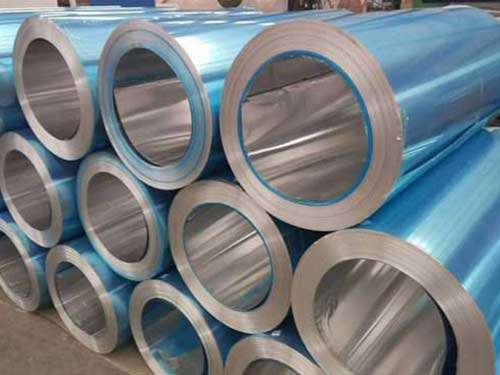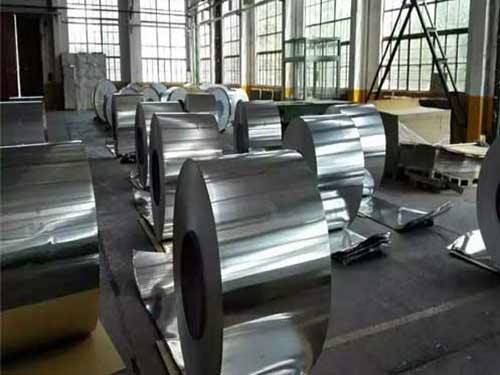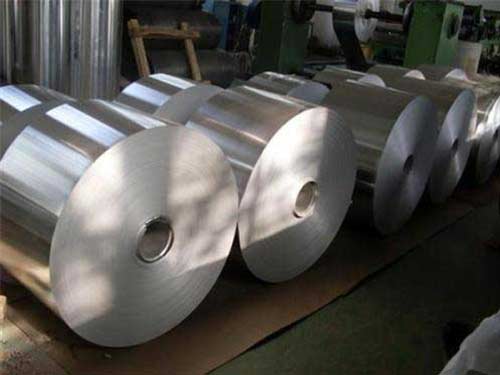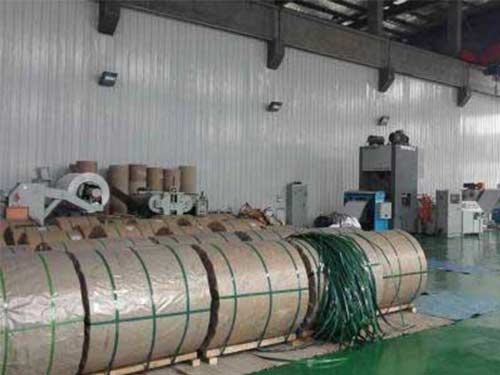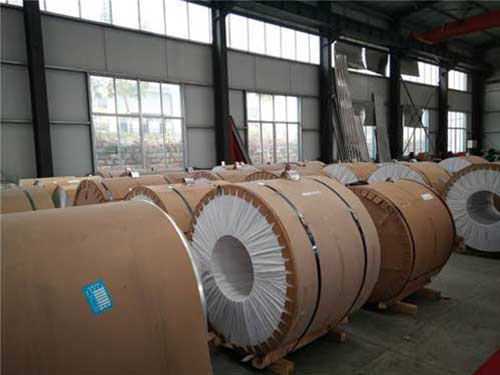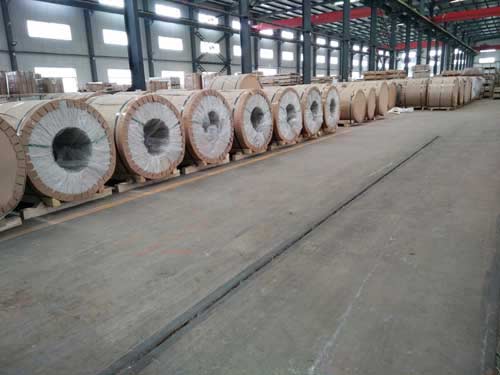

“0.2mm 0.3mm 0.4mm Thickness Aluminum Coils” – A Precise Approach To Thin-Gauge Coils
When people talk about aluminum coil, the conversation usually jumps straight to alloy grades or surface treatments. But for many real-world projects, the decisive factor is much more specific: the exact thickness. In thin-gauge applications, the difference between 0.2mm, 0.3mm and 0.4mm is not only a matter of weight. It changes forming behavior, stiffness, cost structure, and long-term performance.
Looking at aluminum coils through the lens of these three thicknesses gives a clearer, more practical of what you are really buying – and whether it will work smoothly in your production line.
Why 0.2mm, 0.3mm and 0.4mm Matter So Much
These gauges sit in a sweet spot between foil and conventional sheet. They are thin enough for precise forming and lightweight construction, yet still strong enough for structural roles in:
- HVAC fin stock and light ducting
- Building cladding back sheets and ceiling systems
- Appliance liners and decorative panels
- Lighting reflectors and narrow strip applications
- Electronic shielding components and nameplates
A common misconception is that “thinner is always better” for cost saving. In practice, 0.2mm, 0.3mm, and 0.4mm behave like different materials in your press, roll former, or bending machine:
- 0.2mm focuses on extreme lightness, fine embossing, and tight bending radii.
- 0.3mm balances rigidity and weight, often becoming the default choice for decorative and architectural uses.
- 0.4mm starts to feel distinctly stiffer in hand, giving better flatness and dent resistance where appearance matters.
Typical Alloys and Tempers for Thin-Gauge Coils
For these gauges, not every aluminum alloy is practical. You need predictable formability, stable thickness tolerance, and good surface quality. Below are commonly used choices:
- 1100, 1050, 1060: High-purity, soft, excellent for deep forming, chemical resistance, and reflective surfaces.
- 3003, 3004: Manganese alloys with higher strength than pure aluminum, widely used in building and HVAC.
- 3105: Good for painted coils and architectural applications, improved mechanical strength with excellent corrosion resistance.
- 5005: Magnesium alloy, compatible color match with anodized 6060/6063, ideal for façade and decorative anodized coils.
- 5052: Higher strength, very good corrosion resistance, suitable for marine, transportation, and high-load thin components.
Common tempers for 0.2mm–0.4mm coils include:
- O (annealed): Maximum softness and formability, easiest for deep drawing, embossing, and complex bends.
- H12, H14, H16: Strain-hardened tempers with progressively higher strength and lower elongation, suitable for roll forming and moderate bending.
- H24, H26: Half-hard tempers when rigidity and flatness are more critical than deep formability.
In practice, 0.2mm is often supplied in softer tempers like O or H12, while 0.4mm can move into H14, H16 or H24 depending on application.
Technical Parameters At A Glance
When specifying 0.2mm, 0.3mm, or 0.4mm aluminum coils, buyers usually focus on a few critical parameters:
- Thickness: 0.20 ± tolerance, 0.30 ± tolerance, 0.40 ± tolerance
- Width: commonly 20–1600 mm (custom slit widths available)
- Coil Inner Diameter: typically 405 mm, 505 mm, or 508 mm
- Coil Outer Diameter: often up to 1500–1800 mm, depending on weight limits
- Coil Weight: about 2–5 tons per coil for stable handling and transport
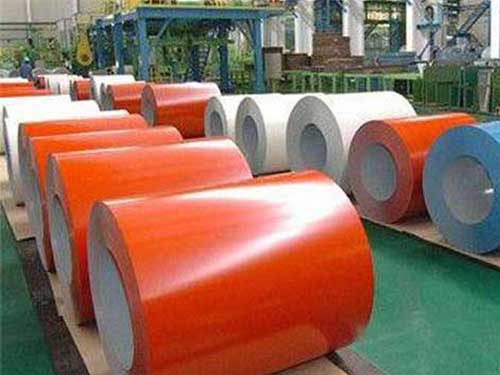
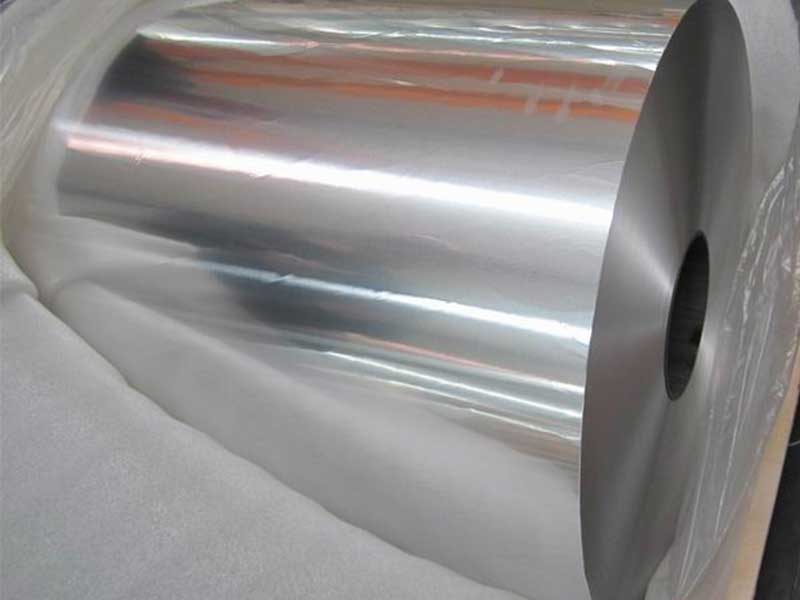
- Surface: mill finish, brushed, embossed, color-coated (PE, PVDF), or anodized quality
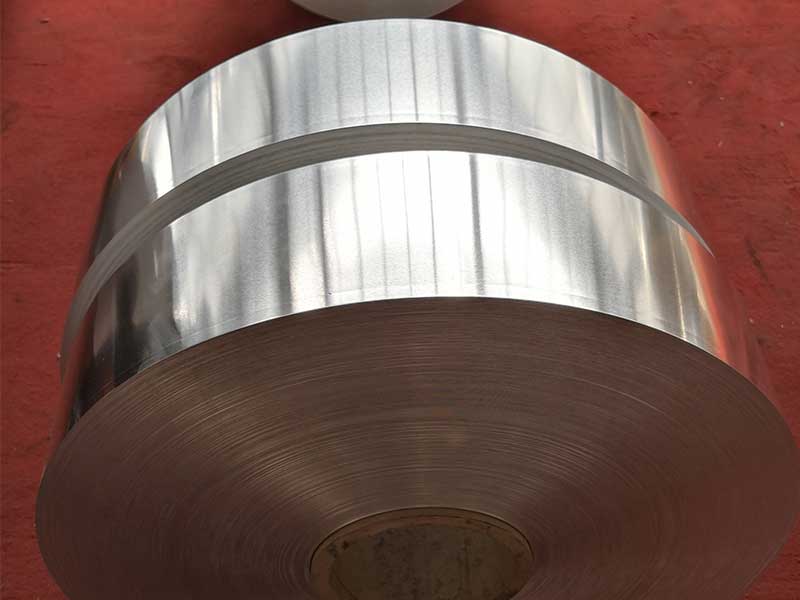
- Edge: mill edge or slit edge based on cutting requirements
Tighter thickness tolerances become increasingly important as gauge decreases. For 0.2mm coils in particular, even small deviations can affect bending behavior, springback, and matching with mating components.
Standards and Implementation Requirements
Modern buyers must navigate both national and international standards to ensure compatibility across supply chains. Thin-gauge aluminum coils in 0.2mm–0.4mm are commonly produced according to:
- EN 485, EN 573, EN 1396 for European aluminum sheet and coil
- ASTM B209 for aluminum and aluminum-alloy sheet and plate
- GB/T 3880 series for Chinese aluminum sheet, strip, and coil
- ISO standards for chemical composition and mechanical properties
For exterior architectural and long-life components, additional layers of standards apply:
- Coating performance: AAMA, EN 13523 or equivalent for coated coils
- Corrosion resistance and salt spray performance: ASTM B117 or similar tests
- Anodizing quality for alloys like 5005: color uniformity, oxide thickness, sealing quality
Rather than treating standards as a checkbox, it helps to see them as production rules: they govern everything from melt chemistry to final coil packaging, ensuring repeatable behavior in your machines.
Mechanical Behavior Across 0.2mm–0.4mm
The same alloy and temper at different thicknesses will feel and process differently:
- At 0.2mm, material behaves almost like heavy foil. It accepts sharp bends, seams, and tight roll-form radii, but needs careful handling to avoid denting or print-through from underlying surfaces.
- At 0.3mm, the coil has “body” but remains very formable. It is often the most forgiving gauge in presses and roll formers because it balances stiffness with easy bending.
- At 0.4mm, you gain significantly better flatness and dimensional stability. Panels resist oil-canning and surface waves better, which is important for visible cladding and appliance covers.
Yield strength, ultimate tensile strength, and elongation depend more on alloy and temper than on thickness, but the effective stiffness in your application increases rapidly as you move from 0.2mm to 0.4mm.
Chemical Composition: Typical Alloy Examples
Below is an indicative chemical properties table for some common alloys used in 0.2mm–0.4mm aluminum coils. Actual values follow the relevant standard and mill certificate.
| Alloy | Si (%) | Fe (%) | Cu (%) | Mn (%) | Mg (%) | Cr (%) | Zn (%) | Ti (%) | Al (approx.) |
|---|---|---|---|---|---|---|---|---|---|
| 1050 | ≤0.25 | ≤0.40 | ≤0.05 | ≤0.05 | ≤0.05 | – | ≤0.05 | ≤0.03 | ≥99.5 |
| 1100 | ≤0.95* | – | 0.05–0.20 | – | – | – | ≤0.10 | – | balance |
| 3003 | ≤0.60 | ≤0.70 | ≤0.20 | 1.0–1.5 | – | – | ≤0.10 | – | balance |
| 3105 | ≤0.60 | ≤0.70 | ≤0.30 | 0.3–0.8 | 0.20–0.8 | – | ≤0.40 | ≤0.10 | balance |
| 5005 | ≤0.30 | ≤0.70 | ≤0.20 | ≤0.20 | 0.50–1.1 | – | ≤0.25 | ≤0.05 | balance |
| 5052 | ≤0.25 | ≤0.40 | ≤0.10 | ≤0.10 | 2.2–2.8 | 0.15–0.35 | ≤0.10 | ≤0.10 | balance |
*For 1100, Si + Fe ≤ 0.95
These chemistries explain the different behavior:
- High-purity alloys like 1050 and 1100 offer excellent conductivity and corrosion resistance.
- Manganese-bearing 3003 and 3105 provide extra strength while remaining very formable at 0.2–0.4mm thickness.
- Magnesium-bearing 5005 and 5052 deliver superior corrosion resistance and higher strength, ideal for demanding outdoor or marine environments even in thin gauges.
Matching Gauge to Application
Thinking in terms of 0.2mm, 0.3mm and 0.4mm can simplify decision-making:
- For ultra-light parts, tight bending radii, complex embossing or deep drawing in soft temper, 0.2mm is often the most efficient choice.
- For balanced performance in building interiors, appliance panels, ceiling systems, and color-coated products, 0.3mm gives reliable stiffness with easy handling.
- For visible exterior panels, more rigid sheets that resist denting, and parts that must keep a flat, clean appearance, 0.4mm becomes a smart minimum.
Beyond thickness, the right combination of alloy, temper, coating, and standard compliance ensures that the coil arriving at your plant will run smoothly on your line, with predictable mechanical behavior and consistent surface quality.
From Specification To Performance
When you specify “0.2mm 0.3mm 0.4mm thickness aluminum coils,” you are not only defining a dimension. You are shaping forming forces, transportation costs, appearance quality, and long-term durability.
Clear communication of:
- alloy grade and temper
- exact thickness and tolerance
- width, coil ID/OD and target coil weight
- surface state and coating system
- reference standards and test requirements
helps transform a simple coil into a predictable, efficient material for your production. By treating thickness as a design tool rather than just a number, you unlock the full potential of thin-gauge aluminum coils in modern manufacturing and construction.