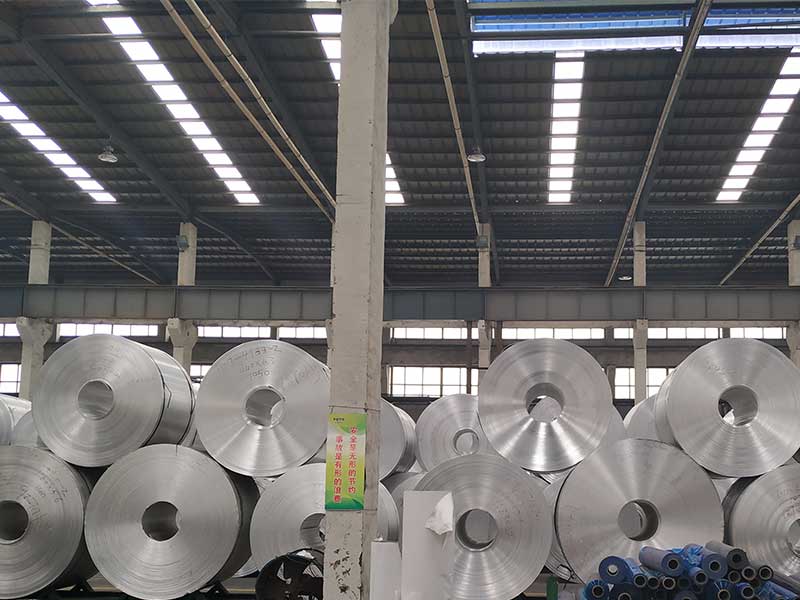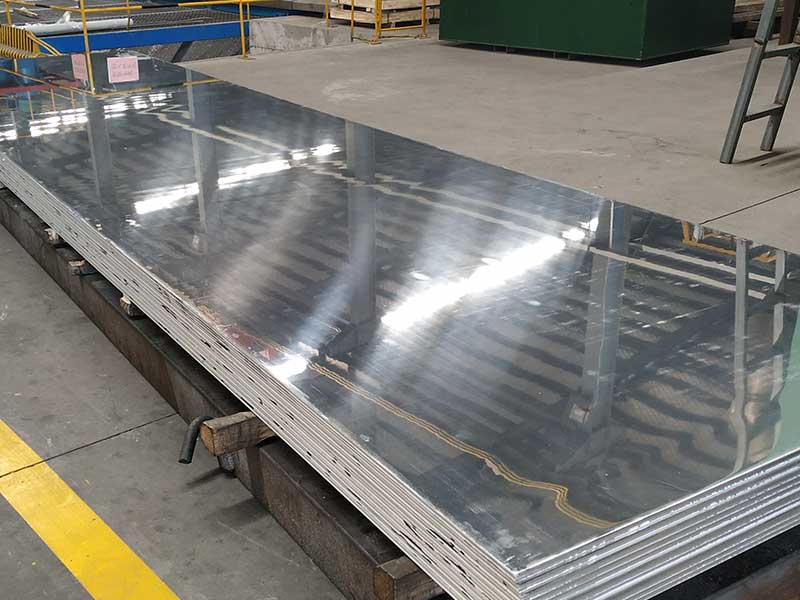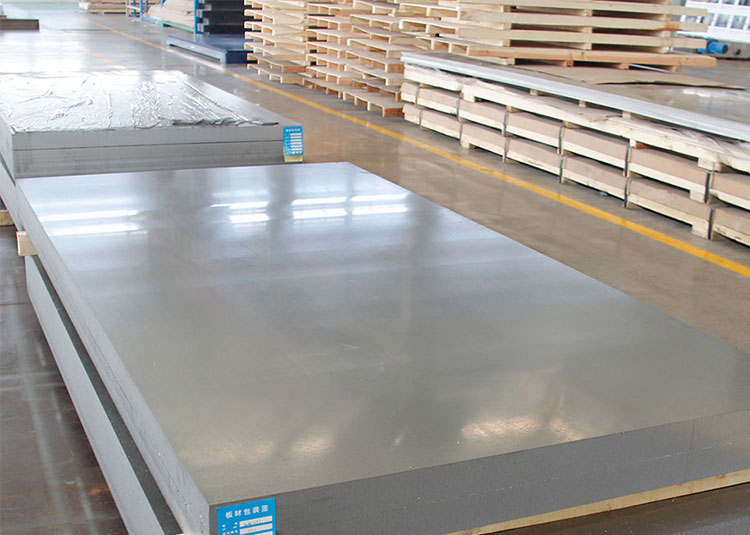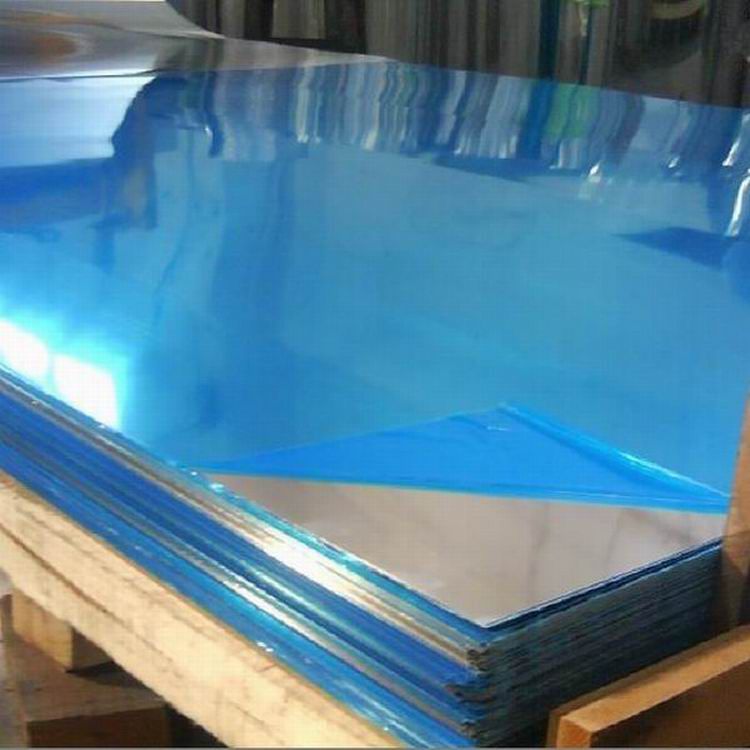

Marine aluminium plate is often discussed as if it were a single "waterproof metal." In reality, it's closer to choosing a hull coating or a sailcloth: the right option depends on how the sea will challenge it. Among the most trusted materials in this space, marine aluminium plate 5083 and 5052 are the two workhorses that shipyards, fabricators, and offshore builders return to again and again. They share a corrosion-resistant aluminum–magnesium family heritage, yet they behave differently when you ask them to weld, bend, carry load, or live for years in salt spray.
Why 5083 and 5052 are "marine" in the first place
Both 5083 and 5052 belong to the 5xxx series (Al-Mg). Magnesium is the key: it strengthens aluminum through solid-solution strengthening and significantly improves resistance to seawater corrosion compared with many other families. In service, these alloys form a stable oxide film, and their corrosion behavior is generally predictable in marine atmospheres and seawater splash zones.
The difference is intensity. 5083 is the heavier-duty option: higher magnesium and additional alloying makes it a favorite for hull structures, decks, and load-bearing components where strength and weldability must coexist. 5052 is the smooth operator: excellent formability and very good corrosion resistance, often chosen for tanks, bulkheads, cabinetry, and formed panels where complex bending matters as much as durability.
Choosing by "real-world tasks," not just datasheets
If your project involves welded structures that must keep strength after welding, 5083 usually leads. In many marine builds, the weld zone is the true battlefield. 5083 retains relatively good properties in the as-welded condition and has long been used in shipbuilding for that reason.
If your project is more about bending, rolling, or pressing into shape with a clean finish, 5052 often feels easier and more forgiving. Fabricators commonly like its forming behavior for tight radii, curved panels, and components that need to look as good as they last.
If you need a single sentence rule: 5083 leans structural, 5052 leans formable. Both remain strongly "marine" when specified, processed, and protected correctly.
Typical product parameters customers care about
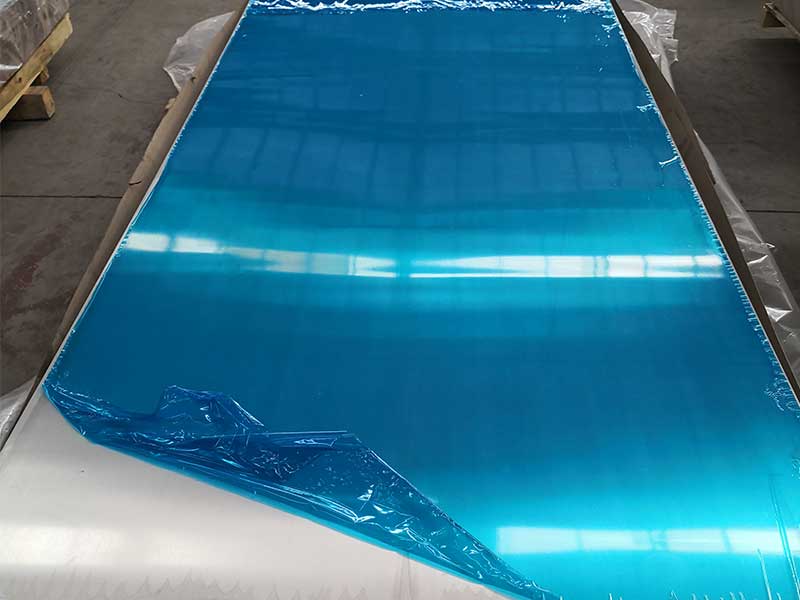
Marine aluminium plate is usually purchased by thickness, width, length, temper, and inspection requirements. Common plate thickness ranges can run from about 3 mm up to 50 mm or more depending on mill capability, with popular marine construction thicknesses often clustering between 4 mm and 20 mm. Widths are commonly 1000–2500 mm, and lengths 2000–12000 mm depending on logistics and cutting plans. Surface can be mill finish or treated per customer request, and protective PVC film is often used to reduce handling marks.
For marine projects, flatness tolerance, ultrasonic testing options, and traceability paperwork can matter as much as the alloy name. If a plate is going into a hull or a critical welded assembly, buyers often ask for tighter internal quality control and clear heat/lot traceability.
Implementation standards you'll see on orders
Because "marine" is a performance promise, standards act like a shared language between the mill, the distributor, and the shipyard. Commonly referenced standards include:
ASTM B928 is a frequent choice for 5083 and 5052 when corrosion performance is critical, because it is tailored to high-magnesium marine sheet and plate and places extra emphasis on controlling susceptibility to exfoliation corrosion and stress corrosion cracking.
ASTM B209 is also widely used for aluminum sheet and plate, though in marine environments buyers often prefer B928 where applicable.
EN standards are common in many regions, such as EN 485 for mechanical properties and tolerances and EN 573 for chemical composition. For marine-specific acceptance, classification societies may also influence documentation expectations, depending on the application.
In practice, what matters is aligning alloy, temper, thickness, and corrosion-control requirements to the right standard so the delivered plate behaves like "marine plate" in the real world, not just on paper.
Tempering conditions and what they mean in fabrication
Temper is where the same alloy can feel like two different materials.
For 5083, popular tempers include H111, H116, and H321. H116 and H321 are especially common in marine structures because they are processed to improve resistance to intergranular corrosion and exfoliation corrosion in seawater-related environments. H111 is often used when moderate strengthening is enough and forming is part of the plan.
For 5052, H32 is extremely common because it balances strength with good formability. H34 provides higher strength with reduced formability. O temper is used when maximum forming is needed, followed by strengthening through work hardening in fabrication or by design acceptance of lower strength.
A practical way to think about temper: it sets your "budget" for bending and your "reserve" for strength. Higher H tempers usually raise strength but reduce bend friendliness; marine tempers for 5083 also aim to keep corrosion behavior stable in harsh service.
Corrosion behavior: what to watch, what to avoid
Both alloys perform well in marine atmospheres, splash zones, and general seawater exposure when properly designed. Good detailing still matters: crevice corrosion can occur in trapped seawater areas, and galvanic corrosion can accelerate if aluminum is fastened to more noble metals without isolation.
For 5xxx series alloys, prolonged exposure to elevated temperatures can increase sensitization risk in certain conditions, which is one reason marine-specific tempers and standards are used. In most typical marine service temperatures, 5083-H116/H321 is a reliable, proven choice.
Chemical composition table (typical limits)
| Alloy | Mg (%) | Mn (%) | Cr (%) | Si (%) | Fe (%) | Cu (%) | Zn (%) | Ti (%) | Al |
|---|---|---|---|---|---|---|---|---|---|
| 5083 | 4.0–4.9 | 0.4–1.0 | 0.05–0.25 | ≤0.40 | ≤0.40 | ≤0.10 | ≤0.25 | ≤0.15 | Balance |
| 5052 | 2.2–2.8 | ≤0.10 | 0.15–0.35 | ≤0.25 | ≤0.40 | ≤0.10 | ≤0.10 | ≤0.15 | Balance |
This chemistry difference is why 5083 tends to deliver higher strength and strong welded performance, while 5052 often wins on forming ease and smooth fabrication.
If seawater could place your order, it would ask for stable corrosion behavior, minimal crevices, and compatible joints. If a fabricator could place your order, it would ask for predictable bending, clean welding, and consistent flatness. Marine aluminium plate 5083 and 5052 exist because they satisfy both voices-just with different priorities.
Choose 5083 (often H116 or H321) when the plate is part of the boat's strength story: hulls, decks, heavy-duty frameworks, and welded structures that must stay confident over time.
Choose 5052 (often H32) when the plate is part of the boat's shape and finish story: formed panels, tanks, covers, and components where bendability and corrosion resistance need to cooperate.
When you specify the right standard, the right temper, and the right inspection expectations, "marine aluminium plate 5083 5052" stops being a generic label and becomes a dependable building material that behaves calmly in a restless environment.