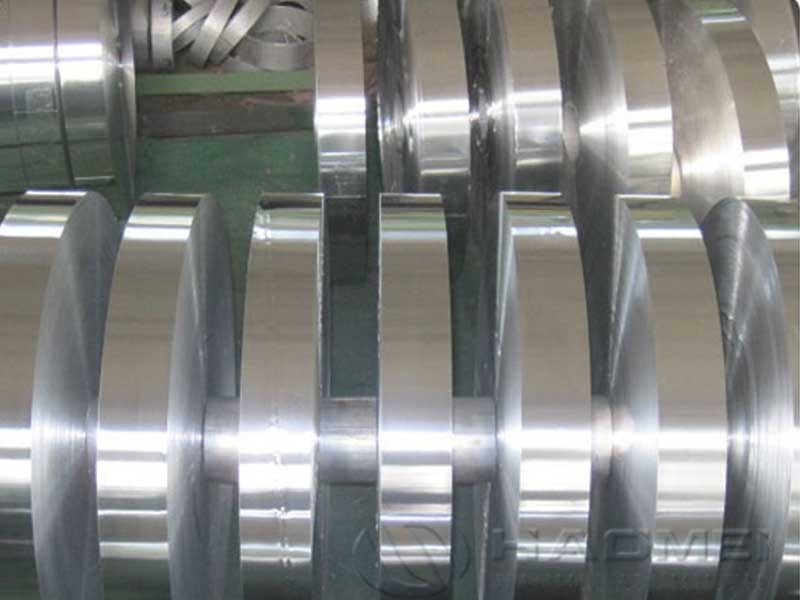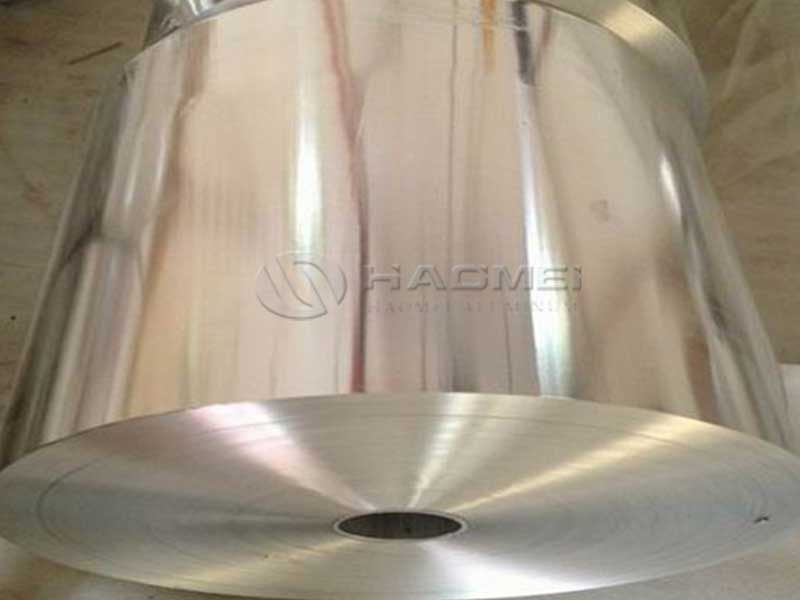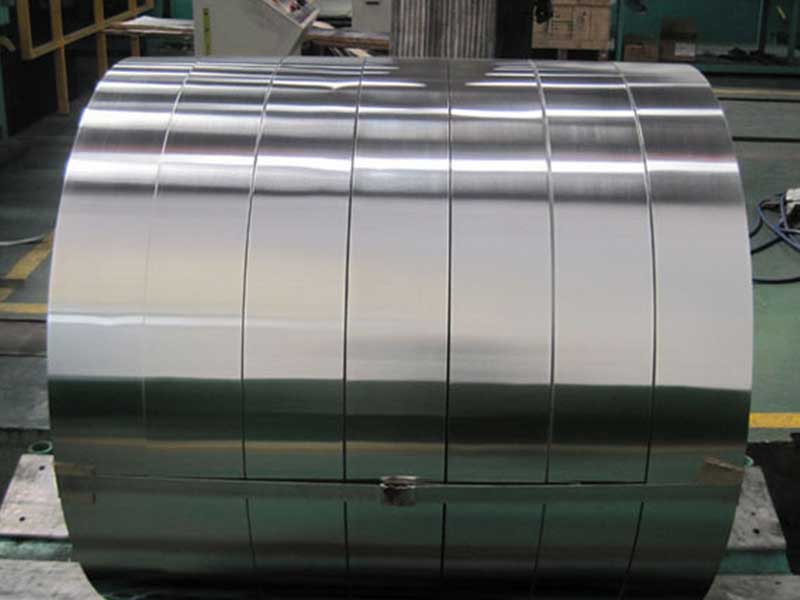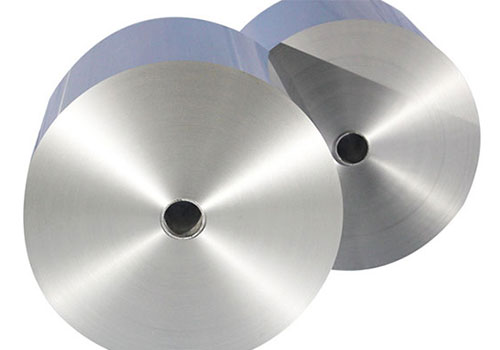
Double Sided Cable Aluminum Foil with PET/PE Lamination for High Temperature Resistance in Industrial Cables
In industrial cable design, heat is rarely a single enemy. It arrives as sustained ambient temperature in a steel mill, as short thermal spikes near motors and drives, as frictional heat in drag chains, or as processing heat during extrusion and jacketing. That is why "high temperature resistance" in cable shielding materials is not only about surviving a hot environment; it is about remaining dimensionally stable, electrically consistent, and mechanically reliable when the cable is built, installed, and operated.
Double sided cable aluminum foil with PET/PE lamination is a practical material solution built around that reality.
What the Structure Really Does in High-Temperature Industrial Cables
The double-sided design is often misunderstood as "foil on both sides," but the critical point is that both surfaces are engineered for controlled interaction with surrounding layers. In typical constructions, aluminum foil is laminated with PET for tensile strength and tear resistance, and laminated with PE for heat-sealing or adhesion to insulation/jacket materials. This enables consistent shielding coverage even when cables are bent, pulled, or exposed to vibration.
From a thermal standpoint, the laminated stack provides three complementary behaviors:
Aluminum foil acts as a heat-reflective and gas/moisture barrier layer. In industrial environments, reducing oxygen and moisture ingress helps stabilize dielectric performance and slows corrosion pathways, especially around braided shields, drain wires, or connectors.
PET provides mechanical stability at elevated processing temperatures. PET's role is less about electrical performance and more about preventing the foil from wrinkling, splitting, or thinning during taping, forming, and extrusion. That mechanical stability is often what keeps shielding performance consistent over time.
PE is the process-friendly interface. It enables thermal bonding, reduces slippage during wrapping, and helps the foil laminate "lock" into the cable structure. When designed properly, it enhances peel behavior and reduces shield lift at corners or under repetitive bending.
Functions in Industrial Applications
High-temperature resistance in industrial cables is usually defined by what must not change. This laminate is selected because it supports stable performance in several areas:
EMI/RFI shielding continuity
The aluminum layer forms a conductive barrier that reduces electromagnetic interference and radio-frequency noise. In variable frequency drive systems, servo motor cables, instrumentation cables near power lines, and automation networks, shielding integrity is a practical necessity, not a premium feature.
Electrostatic shielding and signal stability
For control and signal cables, stable capacitance and lower noise pickup are critical. A well-applied aluminum foil shield with a drain wire provides consistent grounding performance and lower susceptibility to transient interference.
Moisture and chemical vapor barrier
Industrial facilities may include oils, coolants, cleaning agents, salt spray, or humid air. Aluminum foil is a strong barrier to water vapor and many gases, and lamination supports long-term integrity when the cable is exposed to challenging atmospheres.
Manufacturing robustness at elevated processing temperatures
The laminate improves runnability during high-speed wrapping and extrusion. PET reinforcement reduces tearing, while PE supports controlled bonding. The result is fewer line stoppages and more predictable quality.
Typical Applications Where This Material Excels
This laminate is widely used in environments where the cable must remain reliable under heat, motion, and electrical noise:
Servo motor and VFD cables in factories where drives generate strong electromagnetic fields
Instrumentation and control cables routed near heaters, furnaces, and high-power equipment
Thermocouple extension cables and sensor lines in high-temperature zones where shielding stability matters
Drag chain and robotics cables where repeated flexing can fatigue unreinforced foil
Industrial communication cables requiring stable shielding in electrically noisy areas
Common Parameters and Technical Options
Specifications vary by customer and cable type, but the following parameter ranges are widely used for double sided cable aluminum foil with PET/PE lamination:
Aluminum foil thickness: 7–30 μm
PET thickness: 12–25 μm
PE thickness: 10–30 μm
Total laminate thickness: 30–85 μm
Typical width: 10–1,200 mm (custom slit widths available)
Roll length/OD/ID: customized to equipment; common cores include 76 mm ID
Surface treatment: one or both sides can be treated to improve adhesion (corona or chemical priming depending on process)
Bond strength: tailored for cable wrapping and stripping needs; peel strength can be designed higher for locked-in shields or moderate for easier termination
In high-temperature cable builds, customers often prefer tighter thickness tolerances and improved lamination uniformity to avoid weak spots that can crack under bending or during thermal cycling.
Alloy, Temper, and Why Tempering Matters
Cable foil is most commonly produced from AA8011 and AA1235 due to their combination of formability, barrier performance, and cost efficiency. For industrial cable shielding, soft temper is preferred to ensure the foil conforms smoothly without spring-back.
Common alloy and temper selections:
AA8011-O: strong barrier properties, good processing performance, widely used for cable foil
AA1235-O: high purity option with excellent conductivity and soft forming behavior
Temper: O (fully annealed) is typical for cable wrapping; it improves flexibility and reduces cracking risk
A distinctive viewpoint is to treat "temper" as a durability setting rather than a hardness setting. Overly hard foil may appear stronger, but in cable wrapping it can micro-crack, opening pathways for moisture and degrading shielding continuity. Fully annealed foil often performs better in real industrial cable motion and temperature cycling.
Implementation Standards and Reference Requirements
Customers typically align cable aluminum foil laminates with general requirements from the cable industry and material control systems. Depending on region and application, relevant references may include:
RoHS and REACH compliance for hazardous substances control
IEC 60228 for conductor classes in cable context and general IEC cable construction practices
ASTM E84, UL, or IEC flame and smoke standards as applicable to the full cable design rather than the foil alone
Quality management practices under ISO 9001 for manufacturing consistency
Because shielding laminates are intermediate materials, final acceptance is often based on incoming inspection and process validation metrics such as thickness, tensile strength, elongation, peel strength, pinhole performance, and surface cleanliness.
Chemical Composition Table (Typical)
Below are typical chemical composition limits for common alloys used in cable aluminum foil. Actual values depend on mill certificates and agreed standards.
AA8011 (wt%)
| Element | Typical Limit |
|---|---|
| Al | Remainder |
| Fe | 0.60–1.00 |
| Si | 0.50–0.90 |
| Cu | ≤0.10 |
| Mn | ≤0.20 |
| Mg | ≤0.05 |
| Zn | ≤0.10 |
| Ti | ≤0.08 |
| Others (each) | ≤0.05 |
| Others (total) | ≤0.15 |
AA1235 (wt%)
| Element | Typical Limit |
|---|---|
| Al | ≥99.35 |
| Si | ≤0.10 |
| Fe | ≤0.65 |
| Cu | ≤0.05 |
| Mn | ≤0.05 |
| Mg | ≤0.05 |
| Zn | ≤0.10 |
| Ti | ≤0.06 |
| Others (each) | ≤0.03 |
| Others (total) | ≤0.10 |
A Practical Selection Mindset for Buyers
When specifying double sided cable aluminum foil with PET/PE lamination for high temperature industrial cables, the most useful approach is to think in terms of "process + performance pairing." If the cable will face repeated flexing, prioritize PET reinforcement and controlled peel strength. If fast production and stable bonding are key, tune the PE layer thickness and sealing behavior. If the cable will sit near high heat sources, ensure the laminate resists deformation at the cable's processing and operating temperatures, and validate performance through thermal aging and bend testing in conditions that match the field.
This material is not just a shield; it is a reliability layer. In industrial cables where heat, noise, chemicals, and mechanical stress collide, a well-designed aluminum foil/PET/PE laminate keeps the cable quiet, sealed, and manufacturable-exactly what high-temperature environments demand.